

What Can Stand In for Ghost Pepper's Slow, Fruity-Smoky Burn?
Ghost pepper, known formally as Bhut jolokia, held the Guinness World Record for hottest chili from 2007 to 2011 and remains a cornerstone of extreme-heat cooking across Northeast India and beyond. Finding a true ghost pepper substitute means balancing that signature slow-building, fruity-smoky burn with whatever your dish actually needs. Whether you want to match the heat, approximate the flavor, or dial things back considerably, the seven options below cover every scenario.
Heat at a glance
What Can You Use Instead of Ghost Pepper?
Habanero
Closest MatchAt 100,000-350,000 SHU, the habanero sits roughly 3-10 times below ghost pepper's 800,000-1,000,000 SHU ceiling, but it shares the same Capsicum chinense species, which means similar fruity, floral aromatics. That genetic overlap makes it the most flavor-accurate swap available.
Use 1.5 habaneros for every 1 ghost pepper when the recipe depends on that tropical-fruity heat character.
The fruity Caribbean heat of the habanero builds fast and fades faster than ghost, so expect a shorter burn window. For a direct heat-level comparison, the ghost vs. habanero head-to-head breaks down exactly where they diverge.
Habanero is a flavor substitute, not a heat substitute, so the ratio depends on the recipe's tolerance for added pepper flesh.
In salsa, chutney, and fruit-based sauces, 2 to 3 habaneros per ghost pepper gets closer while staying manageable. In dry rubs or chocolate, do not chase ghost-level heat with large habanero volume.
Use habanero for aroma, then add a measured pinch of super-hot powder if the recipe needs the slow ghost burn.
Carolina Reaper
Runner-UpUse Carolina Reaper only when the dish needs more fire than ghost pepper provides. At 1,400,000-2,200,000 SHU, it can overshoot fast, so start with half a Reaper for every ghost pepper.
The Reaper's fruity profile works in hot sauce and curry, but the burn lasts longer than ghost pepper.
The Reaper vs. ghost pepper contrast shows why this is a heat-first swap, not a flavor twin.
Treat Reaper like a cap, not a normal one-for-one chile. In hot sauce, chili oil, or wing glaze, 1/3 to 1/2 Reaper for every 1 ghost pepper is enough for the first batch.
Its sweetness can help a sauce, but the delayed burn keeps climbing after the first taste.
Let the dish sit before adding more.
Prik Kee Noo
Also GreatThailand's bird's eye chili (Prik Kee Noo) registers 50,000-100,000 SHU - significantly milder, but it delivers a sharp, grassy heat that punches above its Scoville position.
The compact, thin-walled Thai chili's biting sharpness works well in stir-fries and soups where ghost pepper's smokier depth isn't essential. Use 2-3 Prik Kee Noo per ghost pepper.
The heat arrives fast and clean rather than slow and creeping, so adjust timing in cooked dishes accordingly.
Guntur Sannam
For Indian cooking specifically, Guntur Sannam at 35,000-50,000 SHU is culturally the closest replacement. It is the backbone of Andhra Pradesh cuisine and shares ghost pepper's role in deeply spiced, oil-based curries.
The Guntur Sannam's deep red, earthy heat character brings color and layered warmth rather than raw fire.
Substitute 3-4 Guntur Sannam chilies per ghost pepper, or increase dried powder quantities by the same ratio. It will not replicate ghost's extreme burn, but the dish will taste authentically South Asian rather than just hot.
Malagueta
Brazil's malagueta runs 60,000-100,000 SHU and offers a sharp, citrus-edged bite that translates well into hot sauces and marinades. The malagueta's bright, acidic heat profile is particularly useful when ghost pepper is called for in vinegar-based condiments, the acidity complements rather than fights the sauce's base.
Use 2 malagueta chilies per ghost pepper.
Fresh or pickled, they hold up better than many substitutes in fermented preparations.
Lumbre
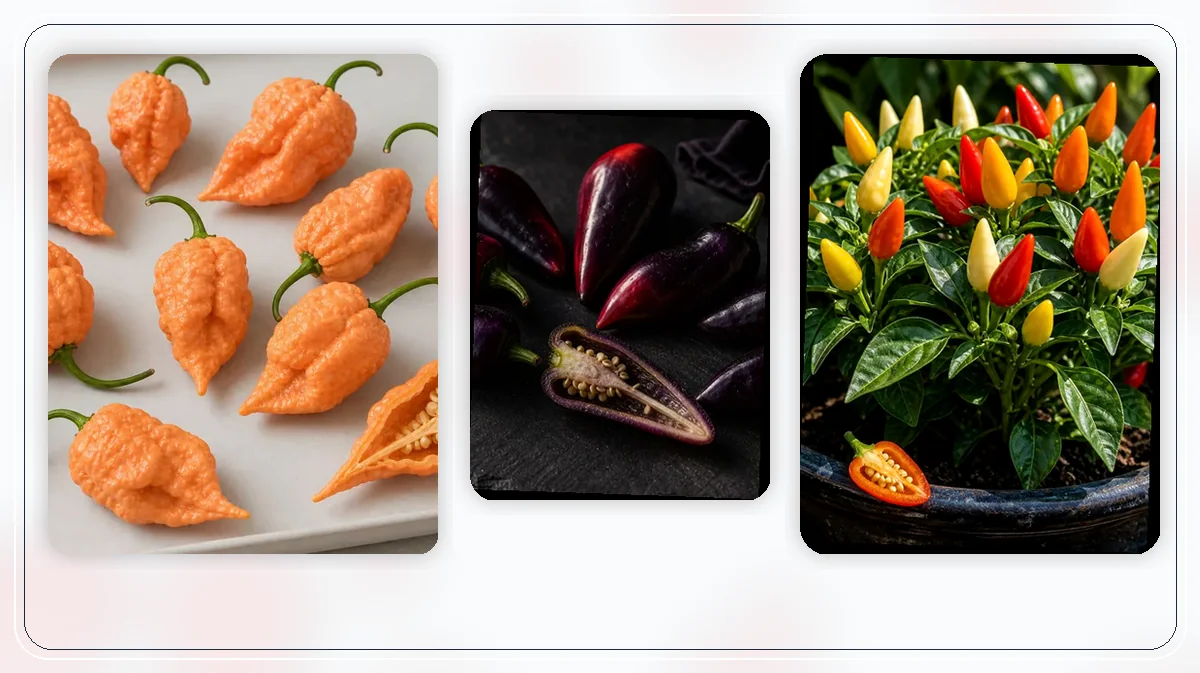
Lumbre peppers sit at roughly 30,000-50,000 SHU and are bred specifically for bold color and moderate fire in Southwestern American cooking.
The Lumbre's vivid red color and dry, smoky heat makes it a practical stand-in when ghost pepper is used primarily for color and background heat in salsas or dried rubs. Substitute 3 Lumbre per ghost pepper in dried or powder form.
The smoke register is less pronounced than ghost, but it integrates cleanly into blended sauces.
7.
Rocotillo
At the mild end of this list, Rocotillo at 1,500-2,500 SHU is the choice when the recipe needs ghost pepper's visual drama and fruity aroma without the extreme heat. The rocotillo's lantern-shaped, sweet-fruity body is a Capsicum chinense variety like ghost pepper, so the flavor family is legitimate, just without the danger.
Use 4-5 rocotillo peppers per ghost pepper and add a small amount of cayenne to restore some bite.
This substitution works best in ceviche, relishes, and dishes where guests cannot handle genuine superhot heat.
Best Pick by Application
For Indian-style chutneys and curries, Naga Morich or Dorset Naga is a stronger ghost pepper substitute than habanero. The heat, thin flesh, and regional flavor fit closer to Bhut Jolokia than Caribbean peppers do.
For grocery-store access, habanero is still the easiest swap.
Use it for fruity heat in hot sauce, but do not expect the same delayed ghost burn. Start with 2 habaneros for 1 small ghost pepper when the dish needs heat, then adjust down if the sauce tastes too citrusy.
For extreme heat sauces, Carolina Reaper should be measured carefully. Use half as much Reaper by weight, because its heat ceiling overshoots ghost pepper fast.
When the ghost pepper is dried, match it with another thin-walled dried superhot before using fresh habanero. Fresh substitutes add water and can loosen curry pastes or spice rubs.
Which Peppers Make Poor Ghost Pepper Substitutes?
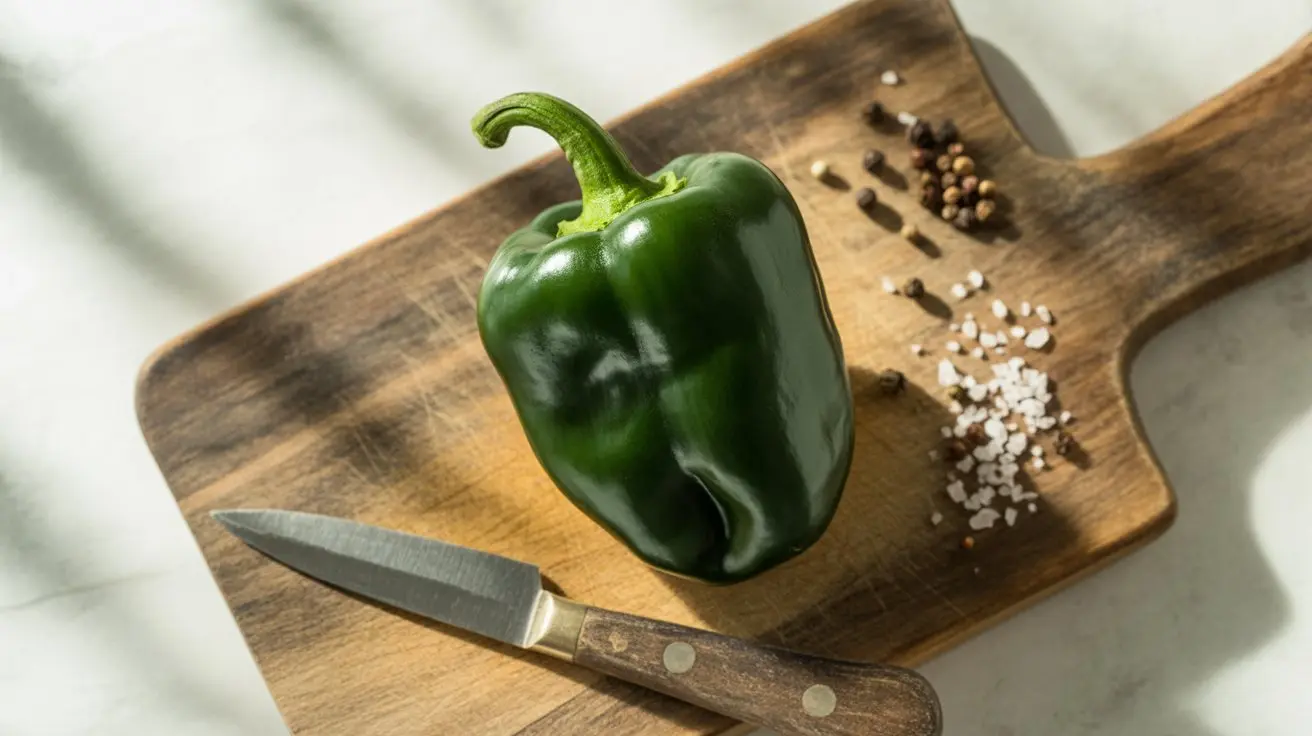
Bell Pepper (0 SHU) seems like a safe base to build heat into, but its thick, watery walls fundamentally change texture in dishes designed around ghost pepper's thin, desiccated flesh. Adding hot sauce to bell pepper does not replicate the structural role ghost plays in curries or fermented pastes.
Habanada (0 SHU) is a heatless habanero bred for pure sweetness, beautiful pepper, completely wrong application here. It shares the fruity chinense aroma but delivers zero capsaicin, making it useless as a ghost pepper stand-in unless you are specifically cooking for heat-averse guests and can compensate heavily with other sources.
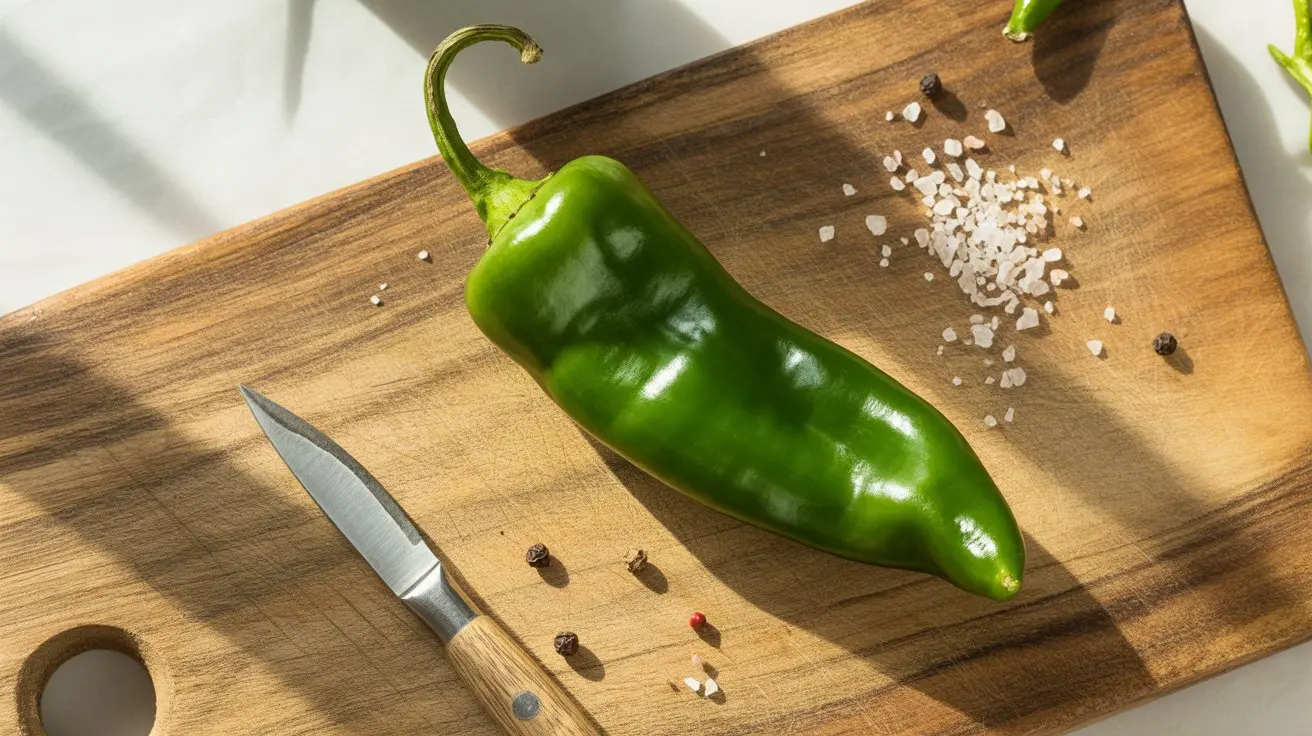
NuMex Joe E. Parker (500-2,500 SHU) is an Anaheim-type pepper with mild, grassy flavor that has nothing in common with ghost pepper's fruity-smoky intensity. The heat gap is enormous and the flavor profile points in the opposite direction, substituting one for the other would produce a completely different dish.
Hot sauce alone is a weak ghost pepper substitute in dry rubs or thick pastes. It adds vinegar and salt while removing the pepper flesh that helps build texture.
Cayenne powder can raise heat, but it misses ghost pepper's smoky-fruity aroma. Use it only as a backup heat booster.
Avoid substituting fresh jalapeno or serrano when a recipe is built around ghost pepper's slow, delayed burn.
Those peppers add green flavor, water, and crunch but no comparable heat curve. They can work in a separate mild version of the dish, but they are not a ghost replacement.
If lowering heat is intentional, say so and rebuild the recipe around fresh green chile flavor.
Substitution tip: When substituting Ghost Pepper, start with less of a hotter substitute and add more to taste. For milder substitutes, increase the quantity.
Our swap ratio calculator gives precise conversion amounts, and the heat unit converter translates between Scoville and other scales.
Ghost Pepper Substitute FAQ
- Bhut jolokia - World's Hottest Pepper (Guinness World Records)
- Chile Pepper Institute
- Bosland, P.W. & Baral, J.B. (2007). Bhut jolokia - The World's Hottest Known Chile Pepper is a Putative Naturally Occurring Interspecific Hybrid. HortScience.
- Spices Board India