
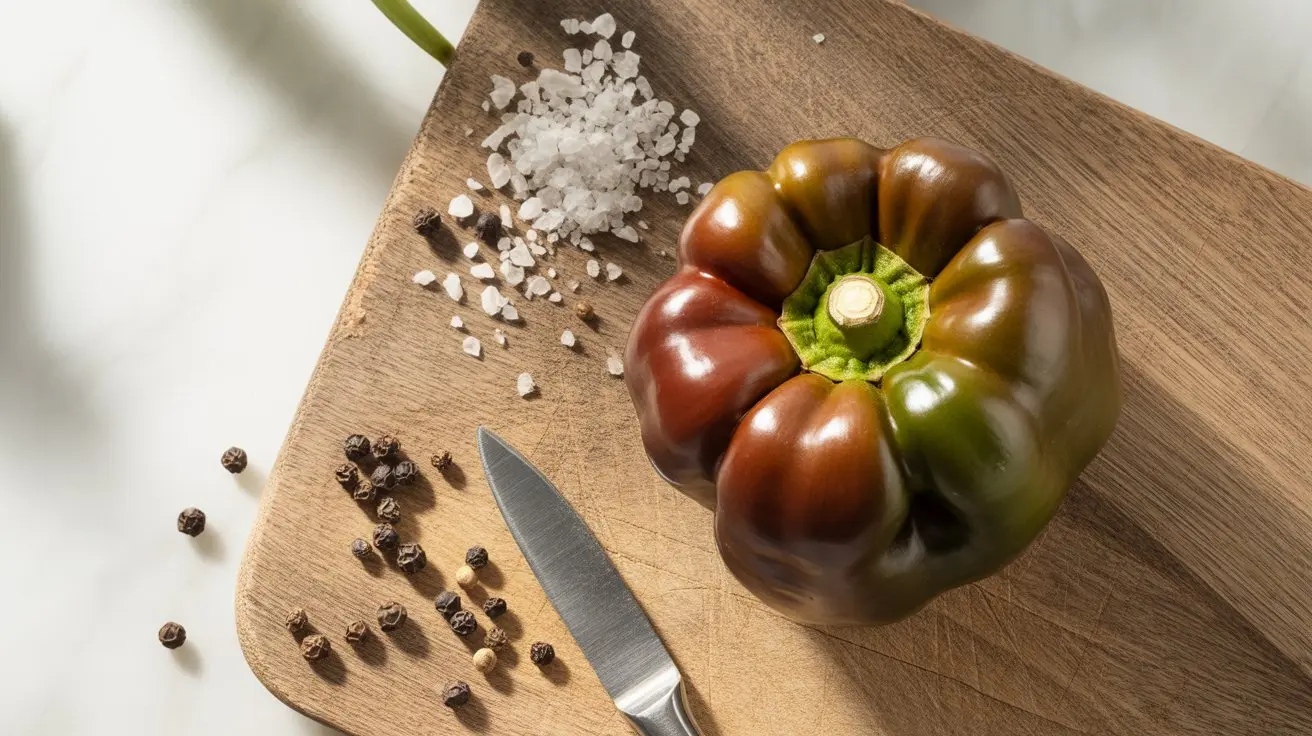
Best 7 Pot Douglah substitutes and alternatives for cooking
Substitute Guide Super-Hot

Out of 7 Pot Douglah? 7 Great Swaps Ranked

Source Pepper
7 Pot Douglah
1.2M–1.9M SHU · nutty and earthy · Trinidad
Full Profile →
Quick Summary

The 7 Pot Douglah sits at 1,200,000-1,853,986 SHU with a distinctly nutty, earthy flavor profile that sets it apart from the fruity-forward superhots. Finding a true replacement means balancing extreme heat with that dark, almost chocolate-like depth. The ten substitutes ranked below cover the full spectrum from near-identical heat monsters to slightly cooler options that still deliver serious fire.

Heat Level
1.2M–1.9M
SHU
Flavor
nutty and earthy
Substitutes
7
ranked options
Advertisement

Best 7 Pot Douglah Substitutes

These alternatives are ranked by how closely they match 7 Pot Douglah’s heat level and flavor profile. Use the conversion ratios to adjust quantities in your recipe.
#1
Chocolate Bhutlah Closest Match

If the Douglah's earthy depth is what you're after, the Chocolate Bhutlah's smoky, dark intensity is the closest match in both heat and character. At 1,500,000-2,000,000 SHU, it actually runs hotter than the Douglah's typical range, so start with 75-80% of the amount your recipe calls for.

The smoky undertone mirrors the Douglah's nutty quality better than any fruity-forward pepper on this list. For sauces and marinades, this is the swap that requires the fewest adjustments.

#2
Trinidad Moruga Scorpion Runner-Up

Another Trinidad native, the Moruga Scorpion's fruity, floral burn overlaps the Douglah's heat range almost perfectly at 1,200,000-2,009,231 SHU. Use a 1:1 ratio when substituting, though individual pods vary enormously.

The flavor profile diverges - you're trading earthy nuttiness for tropical fruit and floral notes. That said, the shared Trinidadian origin means similar structural heat that builds in waves. Check the heat gap between these two Trinidadian heavyweights if you want to understand exactly what you're trading.

#3
Carolina Reaper Also Great

The Carolina Reaper's sweet, fruity ferocity tops out at 2,200,000 SHU, making it the hottest option on this list. Use 70-75% of the Douglah quantity to keep heat in the right zone.

Flavor-wise, the Reaper skews noticeably sweeter - almost candy-like behind the burn - which is a significant departure from the Douglah's earthiness. Still, for pure heat delivery in hot sauces or spice blends, it performs. See how the side-by-side comparison with the Douglah breaks down their differences in practice.

Comparison of 7 Pot Douglah with similar peppers for substitution
#4
Komodo Dragon Pepper

At 1,400,000-2,200,000 SHU, the Komodo Dragon's scorching fruity heat brings intensity that matches or exceeds the Douglah. Use 80-85% of the original amount.

This UK-developed cultivar has a delayed heat onset - you'll taste the fruity notes first, then the burn arrives hard. That lag makes it interesting in cooked applications where the Douglah's immediate earthiness would normally dominate.

#5
Trinidad Scorpion Butch T

The Butch T's fierce fruity punch runs 1,463,700-1,500,000 SHU - a narrower range that makes it easier to predict. A 1:1 substitution works here without much adjustment.

Another Trinidad-origin pepper, the Butch T shares some of the regional character that makes the Douglah distinctive. The heat profile is more linear than the Douglah's complex earthiness, but the intensity is right. This belongs to the broader Trinidad pepper tradition that produced some of the world's most extreme cultivars.

#6
Naga Viper

The Naga Viper's fierce, fruit-forward heat lands at 1,300,000-1,400,000 SHU - slightly below the Douglah's floor but within the same extreme superhot bracket. Use a 1:1 ratio and accept that you might want a touch more if the Douglah's upper range is what you're matching.

This English-bred hybrid pulls from Naga, Bhut Jolokia, and Trinidad Scorpion genetics, giving it a complex burn despite the fruit-forward flavor. Good for applications where the Douglah's earthiness is secondary to raw heat.

#7
Dorset Naga

At 900,000-1,500,000 SHU, the Dorset Naga's intense fruity character is the mildest option ranked here - and it shows at the lower end of that range. Use 1:1 to 1.1:1 to compensate, or accept slightly less heat.

The Dorset Naga belongs to the C. chinense botanical family alongside the Douglah, which means similar oil-based capsaicin chemistry and comparable burn duration. The flavor difference is substantial - you're getting tropical fruit instead of nuttiness - but the structural similarity makes it a reliable swap when the other options aren't available. The capsaicin chemistry behind the burn explains why C. chinense peppers share that particular lingering heat regardless of flavor profile.

Related 7 Pot Brain Strain: 1M–1.35M SHU, Taste & Tips
Peppers to Avoid as 7 Pot Douglah Substitutes

Ghost Pepper (Bhut Jolokia) seems like a natural pick given its fame and C. chinense lineage, but at 800,000-1,041,427 SHU it falls significantly short of the Douglah's floor. You'd need to use nearly double the quantity, which distorts texture and flavor in most recipes.

7 Pot Brain Strain looks similar on paper - same 7 Pot lineage, similar appearance - but its flavor profile skews sharply fruity rather than earthy. The Douglah's nutty depth is largely absent, making Brain Strain a poor stand-in when that character matters to the dish.

Habanero comes up in a lot of substitute lists as a general superhot replacement, but at 100,000-350,000 SHU it delivers roughly 1/5th the heat of a Douglah at minimum. Even using three or four times the amount won't replicate the Douglah's intensity, and the bright citrusy flavor moves in the opposite direction from earthy nuttiness.

Substitution Tip

When substituting 7 Pot Douglah (1.2M–1.9M SHU), always start with less of a hotter substitute and add more to taste. For milder substitutes, you can increase the quantity. Our swap ratio calculator gives precise conversion amounts, and the heat unit converter translates between Scoville and other scales.

Fact-Checked & Expert Reviewed
Editorial Standards: All facts verified against authoritative sources. Content reviewed by subject matter experts before publication.
Review Process: Written by Sofia Torres (Lead Culinary Reviewer) , reviewed by Karen Liu (Lead Fact-Checker & Science Editor) . Last updated February 18, 2026.
Related 7 Pot Primo: 1M–1.47M SHU, Flavor & Growing

7 Pot Douglah Substitute FAQ

The Douglah's combination of extreme heat (up to 1,853,986 SHU) and a distinctly nutty, earthy flavor is unusual among superhots, most of which lean fruity or floral. Most substitutes can match the heat or the flavor, but rarely both simultaneously.

Not quite - the Reaper runs hotter on average, so use about 75% of the Douglah quantity to avoid overshooting your heat target. The flavor difference is also significant: Reapers taste noticeably sweeter and fruitier where the Douglah is earthy and nutty.

The Chocolate Bhutlah comes closest, with a smoky, intense profile that mirrors the Douglah's earthy depth better than any fruity alternative. Reduce the quantity to about 80% of the original since it tends to run hotter.

Yes - dried Douglah pods and powder are significantly more available through specialty spice retailers and online superhot vendors year-round. Fresh pods are typically only accessible during the late-summer growing season from specialty growers or farmers markets.

The Douglah's minimum heat of 1,200,000 SHU is roughly 80-100 times hotter than a typical jalapeño at 15,000 SHU. At its peak near 1,854,000 SHU, the gap grows to over 120 times the jalapeño's heat.

Sources & References
Karen Liu
Fact-checked by Karen Liu
Contributing Editor & Food Scientist
All Substitutes Browse Peppers Substitute Finder Tool