

What Can Replace Urfa Biber's Smoky, Chocolate-Toned Turkish Warmth?
Urfa biber is a sun-dried, twice-fermented Turkish chili with a flavor profile unlike almost anything else, deep smoke, dark chocolate undertones, and a slow-building warmth usually listed at 5,000-10,000 SHU. When a recipe calls for it and your spice drawer comes up empty, the challenge is finding something that approximates that earthy, almost oily depth without just adding generic heat. The seven substitutes below get you as close as possible, ranked by how well they replicate what makes urfa biber so distinctive.
Heat at a glance
What Can You Use Instead of Urfa Biber?
Aji Panca
Closest MatchAji Panca is the closest match on this list, a Peruvian dried chili listed at 1,500-8,400 SHU that shares urfa biber's smoky, moderate-heat character in a way that genuinely surprises cooks who try the swap. Where urfa biber carries that fermented, almost wine-dark depth, the fruity-smoky warmth of aji panca tilts slightly sweeter and fruitier, like dried plum alongside the smoke.
Use it at a 1:1 ratio - it's a near drop-in replacement for braised meats, spiced butter, or finishing oils.
Aji panca is most convincing when you hydrate it or bloom the powder in fat before serving. Urfa biber is slightly oily and soft because of its curing process, so dry powder sprinkled straight from the jar can feel dusty by comparison.
For butter, yogurt, eggs, and roasted vegetables, mix aji panca with a few drops of olive oil and a pinch of salt, then let it stand for five minutes before using.
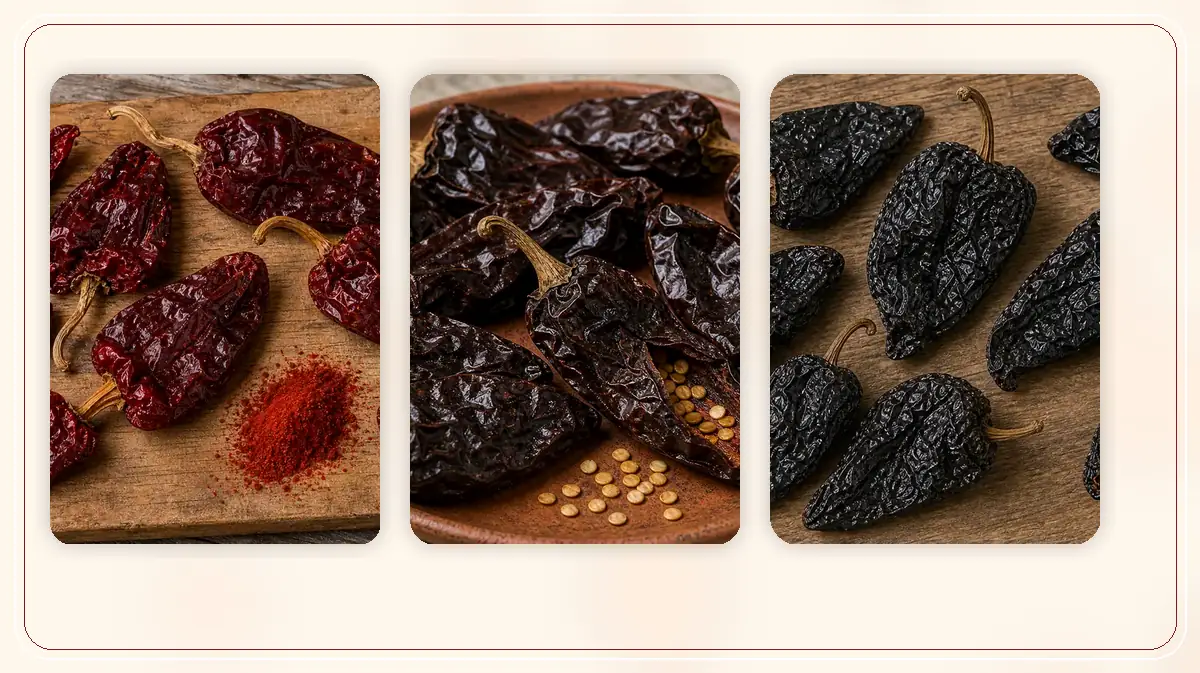
Ancho Pepper
Runner-UpDried poblano peppers become anchos, and the transformation brings out a raisin-and-chocolate complexity that echoes urfa biber's dark, earthy base. At 1,000-2,000 SHU, ancho's sweet raisin-like depth can fill the same role in slow-cooked dishes and spice rubs.
The smoke is milder and the sweetness more pronounced, so use a 1:1 ratio but consider adding a small pinch of smoked paprika to nudge it closer to urfa's character.
Ancho is the practical grocery-store backup when you need dark fruit and low heat. It lacks urfa's fermented edge, but it gives cocoa, raisin, and dried chile body that works in lamb, beans, tomato sauces, and spice rubs.
Use 1 teaspoon ancho powder plus a tiny pinch of smoked paprika for each teaspoon of urfa biber if the dish needs more depth.
Keep the smoke tiny.
Kashmiri Chili
Also GreatKashmiri chili is prized in South Asian cooking for its vivid red color and gentle heat - 1,000-2,000 SHU - with a mild, slightly sweet flavor that lacks urfa's smokiness and delivers gentler warmth. Kashmiri chili's mild sweetness works best as an urfa substitute in dishes where color and low heat matter more than smoke, like lamb dishes or rice pilafs.
Use a 1:1 ratio and add a drop of liquid smoke or smoked salt if the recipe depends on that roasted quality.
Poblano Pepper
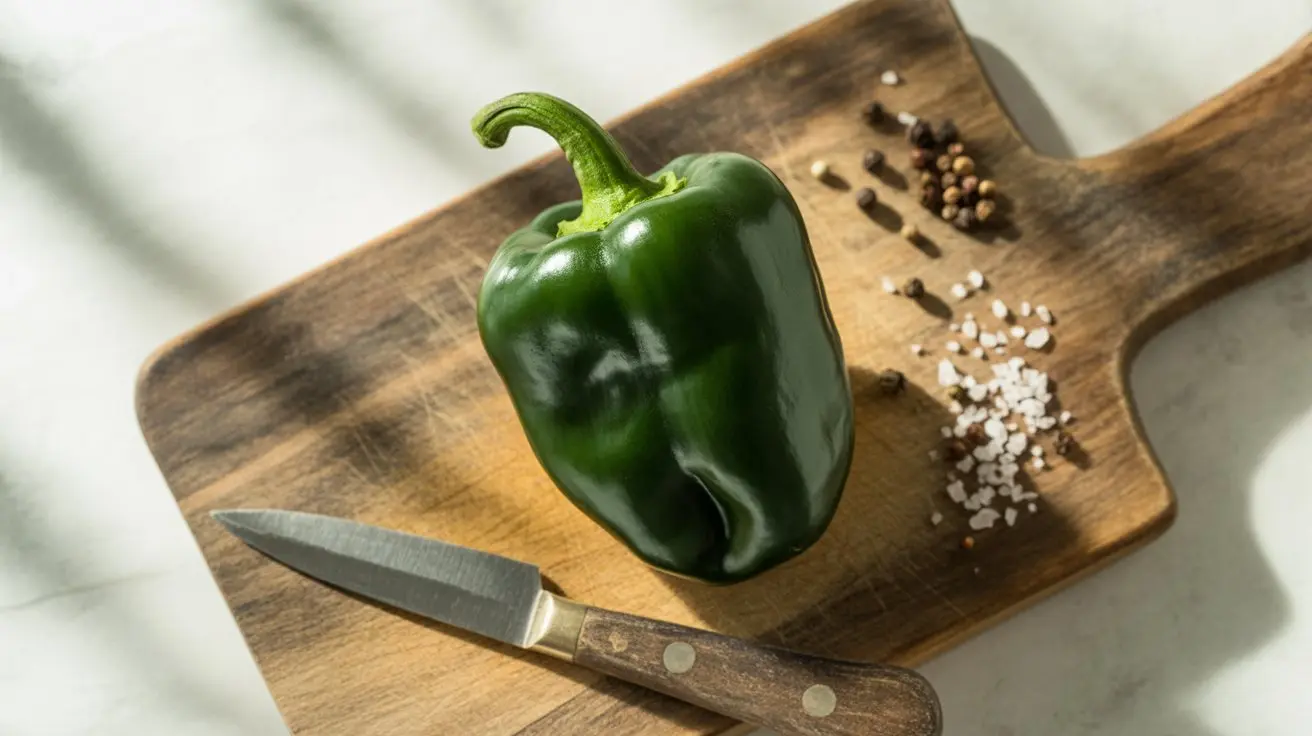
Fresh poblanos sit at 1,000-2,000 SHU and bring an earthy, rich pepper flavor that shares urfa biber's grounded, savory character.
They belong to the same the Capsicum annuum species profile as urfa biber, which partly explains the flavor overlap. Poblano is a fresh pepper, so it works best as a substitute in cooked applications, roasted, charred, or diced into stews.
Use 1.5 tablespoons diced roasted poblano per teaspoon of urfa biber flakes, adjusting to taste.
NuMex Heritage 6-4
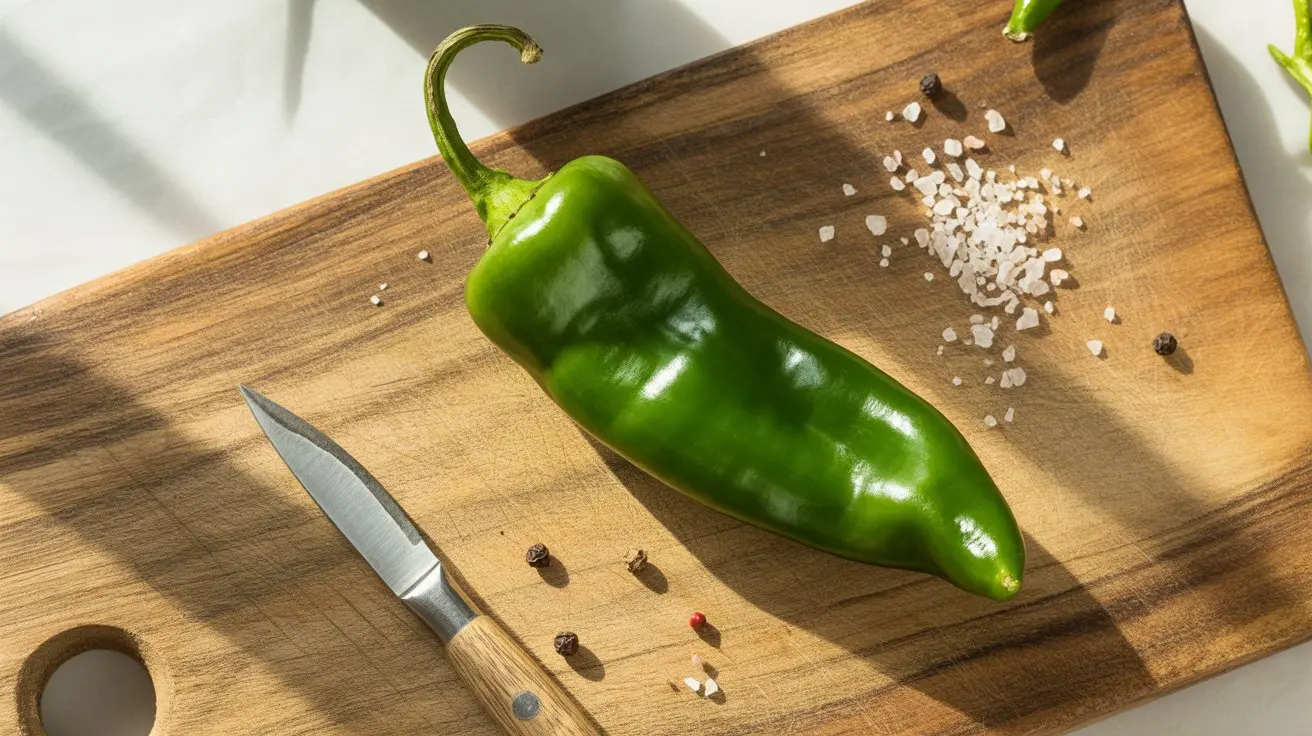
The NuMex Heritage 6-4 is a New Mexico green chile with a mild, clean sweetness at 1,000-1,500 SHU. NuMex Heritage 6-4's mild sweetness doesn't replicate urfa's smokiness, but when dried and ground, it produces a neutral, slightly earthy chili powder that can serve as a base. It runs milder than urfa biber, so it works as a neutral base rather than a flavor match.
Use a 1:1 ratio by volume in spice blends where urfa biber is one component among many.
Guindilla Pepper
Guindilla is a Spanish chili, bright, tangy, and mildly hot at 1,000-2,000 SHU - that represents Turkey's regional pepper tradition in spirit if not in geography: a regional specialty with a distinct personality that doesn't translate globally. Guindilla's bright tangy heat differs significantly from urfa's dark, fermented character, making it a better fit for dishes that need acidity and gentle warmth rather than smoke and depth.
Use at a 1:1 ratio in vinaigrettes, pickles, or lighter preparations.
Peppadew Pepper
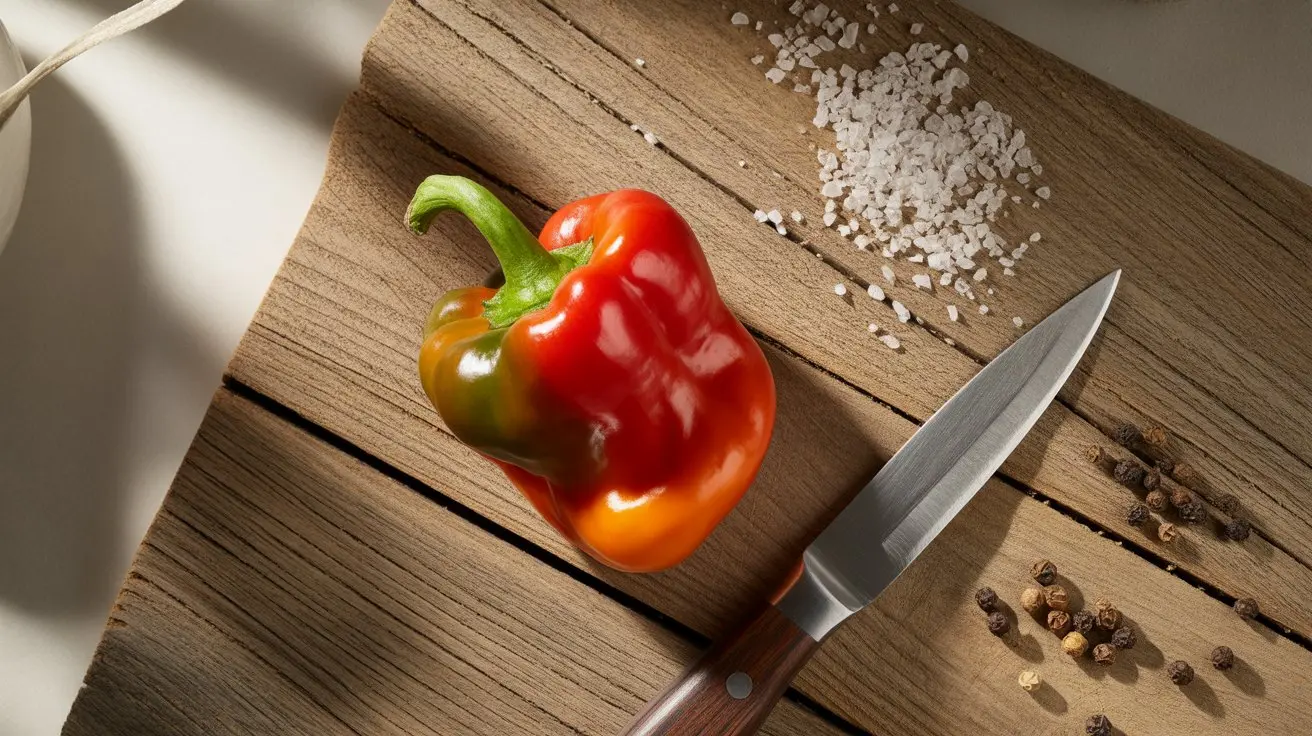
Peppadews land at 1,100-1,200 SHU with a sweet, tangy flavor that puts them at the furthest end of this list from urfa biber's profile. Peppadew's sweet tangy character is almost the opposite of urfa's brooding smokiness, it's bright where urfa is dark, acidic where urfa is earthy.
They also run milder than urfa biber, but in preparations where you need low-level warmth with some complexity, think grain salads or cheese boards, they can fill the gap. Use at a 1:1 ratio and expect a noticeably different flavor direction.
Urfa biber sits comfortably within the low-to-moderate heat category that makes all these peppers approachable for everyday cooking.
Best Pick by Application
For kebabs, lamb, and spiced butter, aji panca is the best Urfa Biber substitute because it keeps a similar heat range and dark fruit note. Use 1:1, then add a tiny pinch of smoked paprika if the dish needs more depth.
For finishing oil, ancho works better than chipotle because it adds dark chile flavor without too much smoke. Bloom it gently in warm oil so the sugars do not scorch.
For yogurt sauces and eggs, Aleppo can work if you accept a brighter flavor. Use slightly less salt because many Aleppo flakes are already salted or oil-cured.
If the recipe uses Urfa as a finishing flake, add the substitute after cooking. Aji panca and ancho taste flatter when boiled hard, while Urfa is usually valued for its soft, oily finish.
Which Peppers Make Poor Urfa Biber Substitutes?
Chipotle seems like an obvious swap, it's smoky, dried, and widely available.
But chipotle's 2,500-8,000 SHU is close to urfa biber's range, so heat is not the problem. The smoke character is the real difference: chipotle gets its flavor from wood-smoking jalapeños, while urfa biber's smokiness comes from sun-drying and nighttime sweating.
You'll add wood smoke and miss the fermented depth entirely.
Aleppo pepper is the substitute most often recommended online, and it's worth noting that a direct side-by-side of Aleppo vs. Urfa Biber reveals meaningful differences. Aleppo is brighter, fruitier, and oilier, it lacks the dark chocolate and tobacco notes that define urfa.
Close, but not close enough to treat as interchangeable in flavor-forward applications.
Gochugaru is another common suggestion, but the gochugaru vs. urfa biber shows a Korean chili with a clean, fruity heat that reads completely differently on the palate. Gochugaru is meant to be vibrant and fresh-tasting.
Urfa biber is the opposite of that.
Hot paprika is usually too sharp and simple. It adds red color, but not Urfa's raisin-like depth.
Chipotle powder belongs in smoky Mexican-style dishes. In Turkish-style seasoning, it can overwhelm the darker, softer Urfa profile.
Avoid red pepper flakes as the default substitute. Standard flakes are usually cayenne-forward, much hotter, and much drier than urfa biber.
They make sense only when heat is the main goal, which is rarely the reason a recipe names urfa.
If flakes are all you have, crush them with a larger amount of ancho or aji panca so the dark dried-chile body leads.
Substitution tip: When substituting Urfa Biber, start with less of a hotter substitute and add more to taste. For milder substitutes, increase the quantity.
Our swap ratio calculator gives precise conversion amounts, and the heat unit converter translates between Scoville and other scales.
Urfa Biber Substitute FAQ
- Urfa Biber Pepper Profile - KnowThePepper
- Chile Pepper Institute - New Mexico State University
- Indian Council of Agricultural Research
- Capsicum annuum L. - USDA GRIN Taxonomy