

8 Best Aji Amarillo Substitutes for Sauce and Paste
Aji amarillo is hard to replace because it brings heat, yellow color, and thick fruity body at the same time. Use aji limo when you want the closest Peruvian flavor. Use aji charapita or aji cristal for fruit and heat. If you are building a sauce, blend a small amount of habanero or Scotch bonnet with roasted yellow bell pepper so the swap has body instead of just burn.
Heat at a glance
What Can You Use Instead of Aji Amarillo?
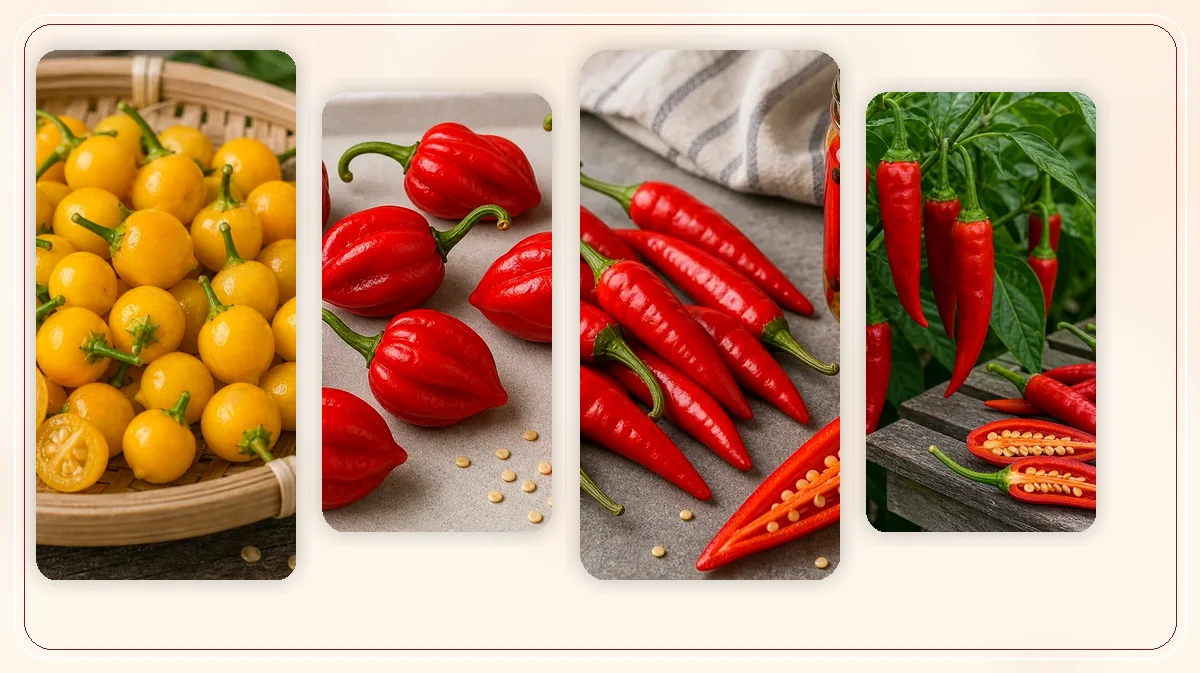
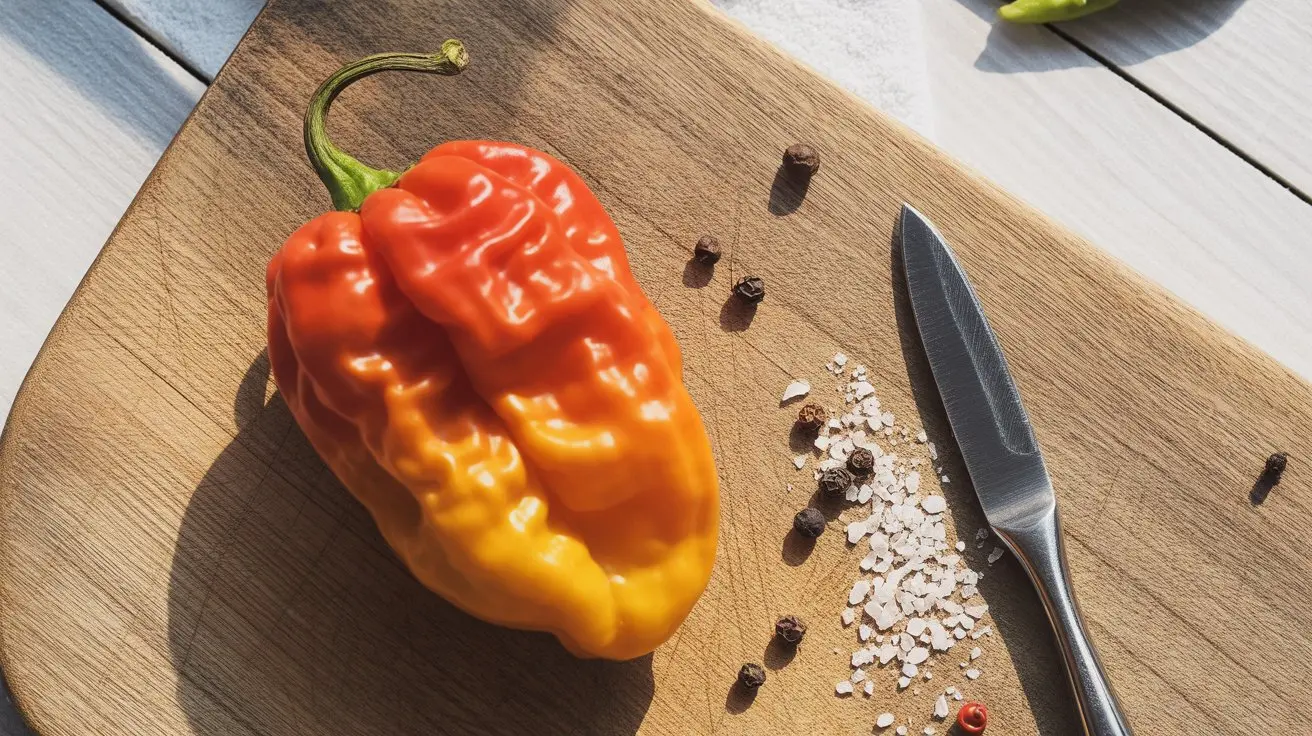
Aji limo
Closest MatchPick aji limo when the dish must still taste Peruvian. It brings a citrusy fruit note and a similar 30,000-50,000 SHU range, so ceviche sauces, crema, and chicken marinades stay close.
Use it 1:1 by trimmed weight. If the sauce looks thin or pale, add roasted yellow bell pepper for body.
Aji limo is brighter than aji amarillo, so creamy sauces may need a little extra oil or onion to round it out.
Aji charapita
Runner-UpAji charapita is tiny, but it keeps the tropical Peruvian flavor that plain cayenne lacks. It works best in blended sauces, seafood dressings, and table salsas where aroma matters.
Use a few pods at a time and build slowly. For paste, blend charapita with yellow bell pepper or cooked onion.
That keeps the sauce yellow and spoonable instead of turning it into thin hot liquid.
Aji cristal
Also GreatAji cristal gives you fruity heat with a tangy edge. It is a good swap for cooked sauces, marinades, and quick salsas when aji amarillo paste is not available.
Use 1:1 by weight, then correct color with yellow pepper if needed. Aji cristal can taste sharper, so add it before final salt and acid.
That gives you room to balance lime or vinegar later.
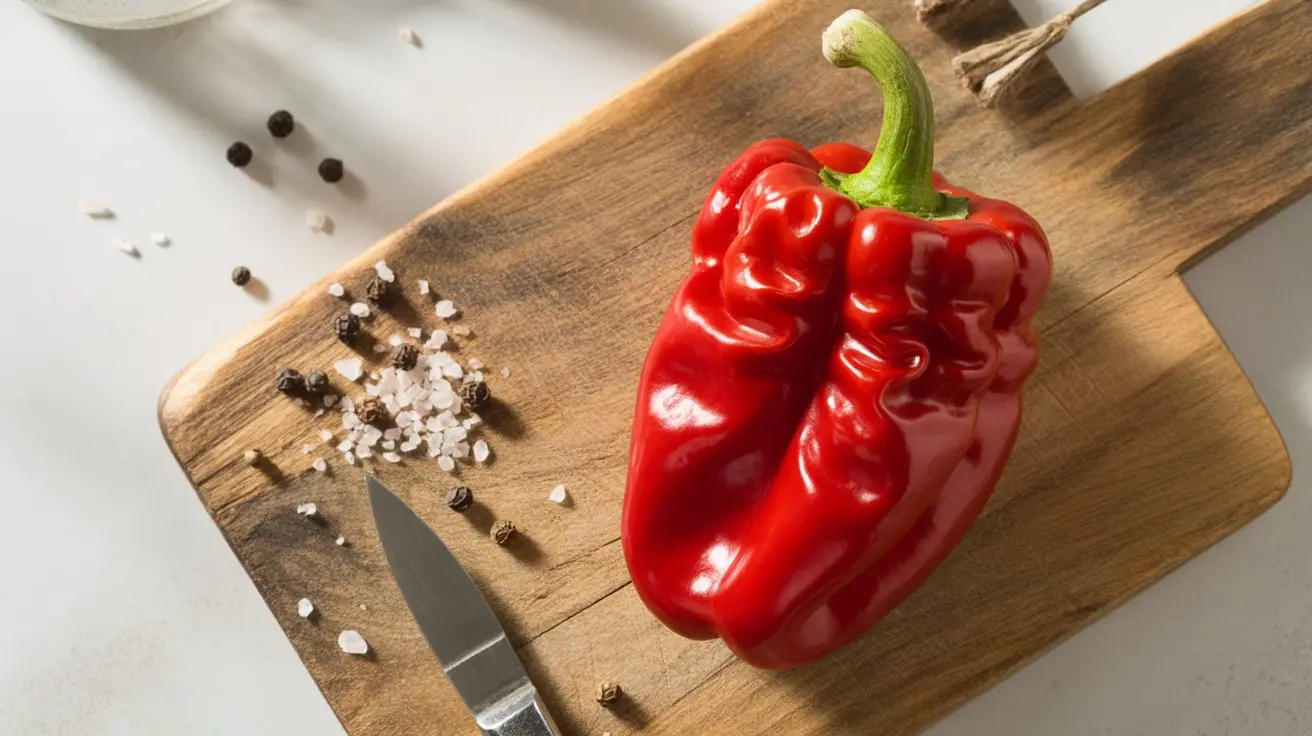
Manzano pepper
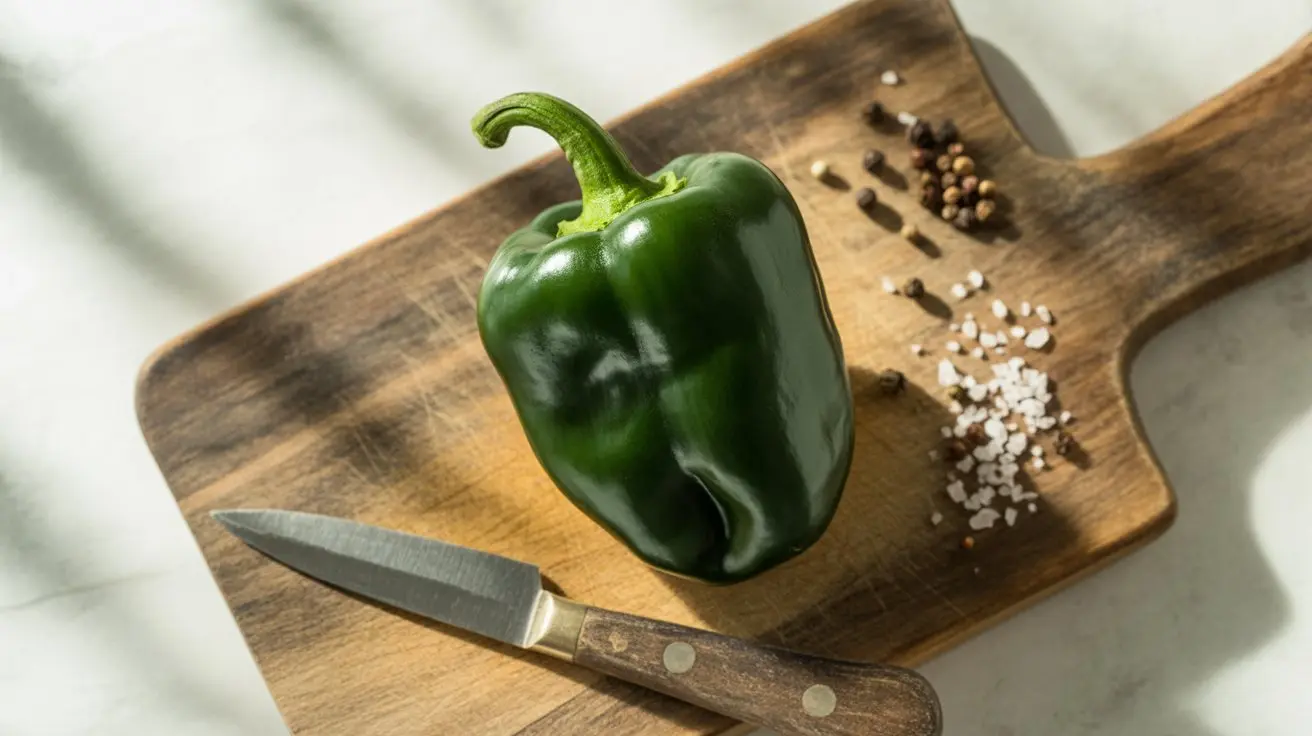
Manzano pepper works when the recipe needs juicy fruit and medium heat more than exact Peruvian flavor. It is useful in cooked chicken sauce, cheese sauce, and roasted salsa.
Use half to three-quarters as much at first because the texture is thicker and the flavor leans apple-like. Remove black seeds before blending.
Add yellow bell pepper if color matters on the plate.
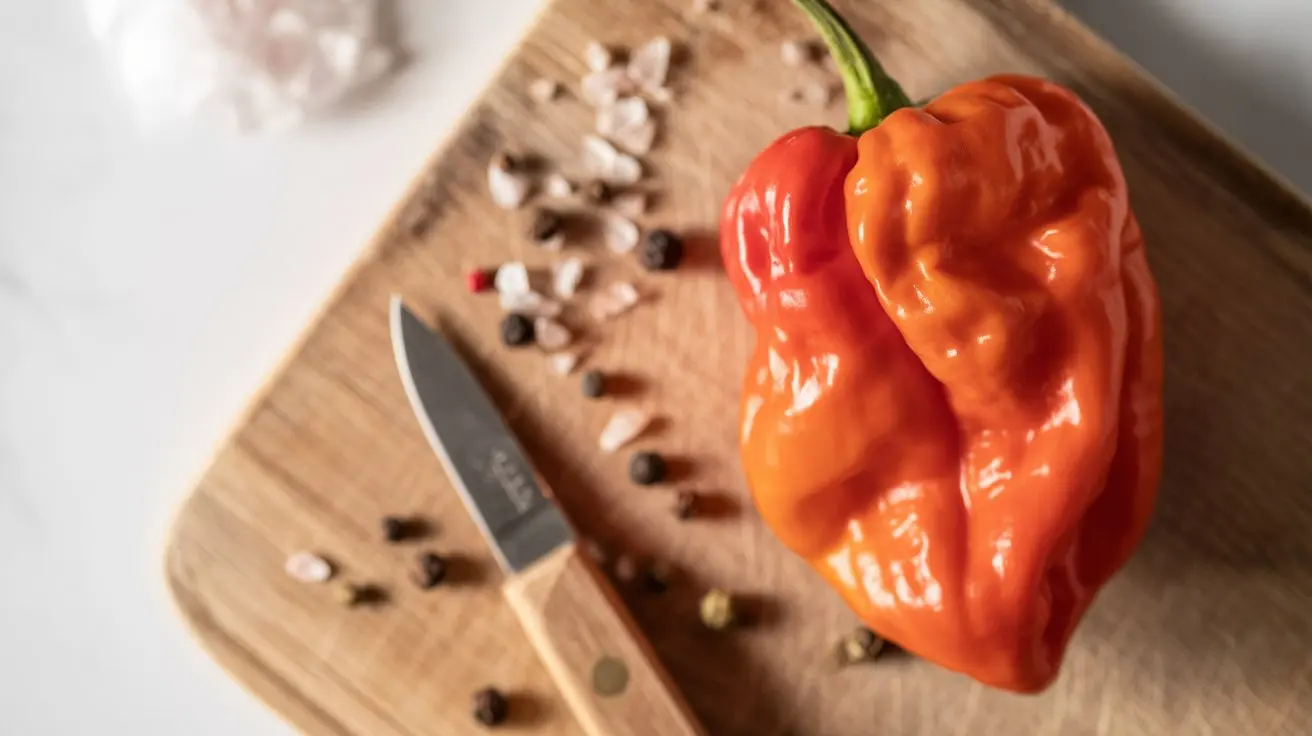
Habanero plus yellow bell pepper
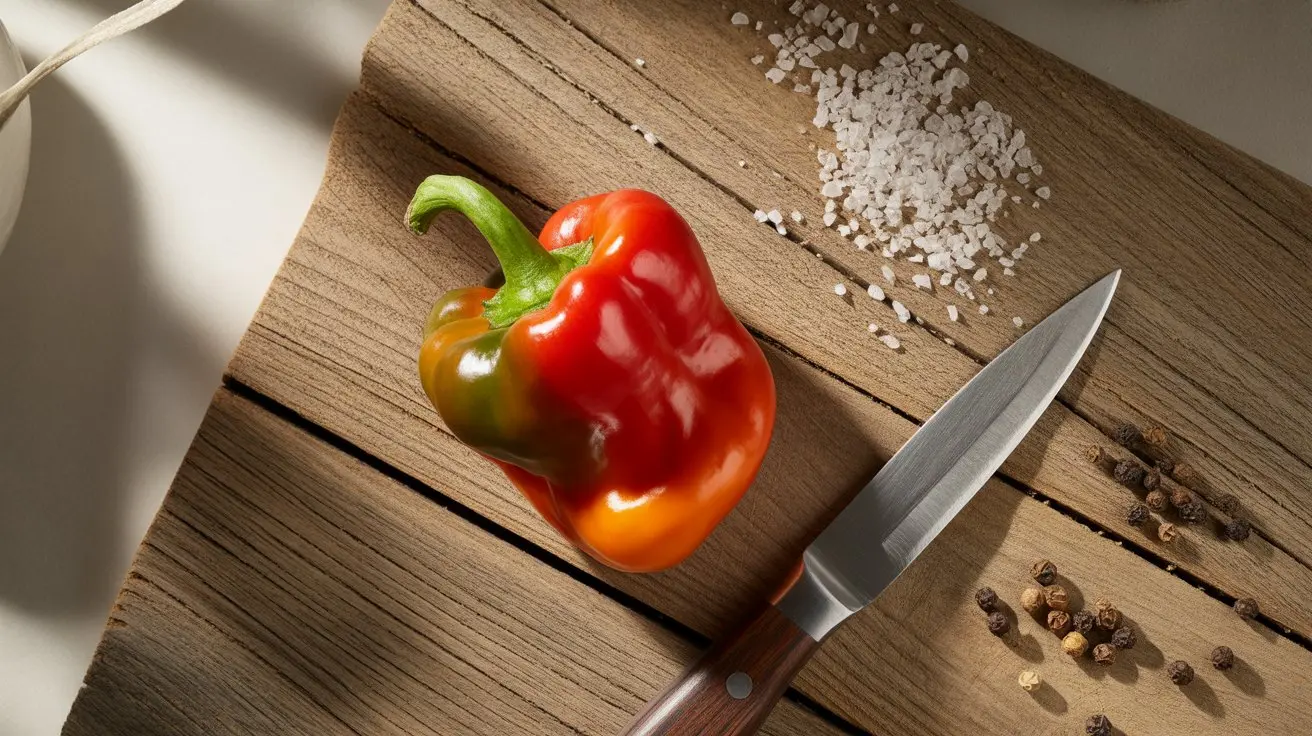
Use habanero only as part of a blend. Habanero gives strong tropical heat, while roasted yellow bell pepper supplies the color and sauce body that aji amarillo normally provides.
For one tablespoon of aji amarillo paste, blend 1/8 to 1/4 teaspoon minced habanero with one tablespoon roasted yellow bell pepper. This is a sauce fix, not a fresh pepper match.
Scotch bonnet plus yellow bell pepper
Scotch bonnet makes sense for marinades, grilled chicken, and bright sauces where tropical fruit is welcome. It runs much hotter than aji amarillo, so the yellow pepper base matters.
Use one part minced Scotch bonnet to four or five parts roasted yellow bell pepper. Taste before adding lime.
Scotch bonnet can make the sauce feel sweet and floral before it feels Peruvian.
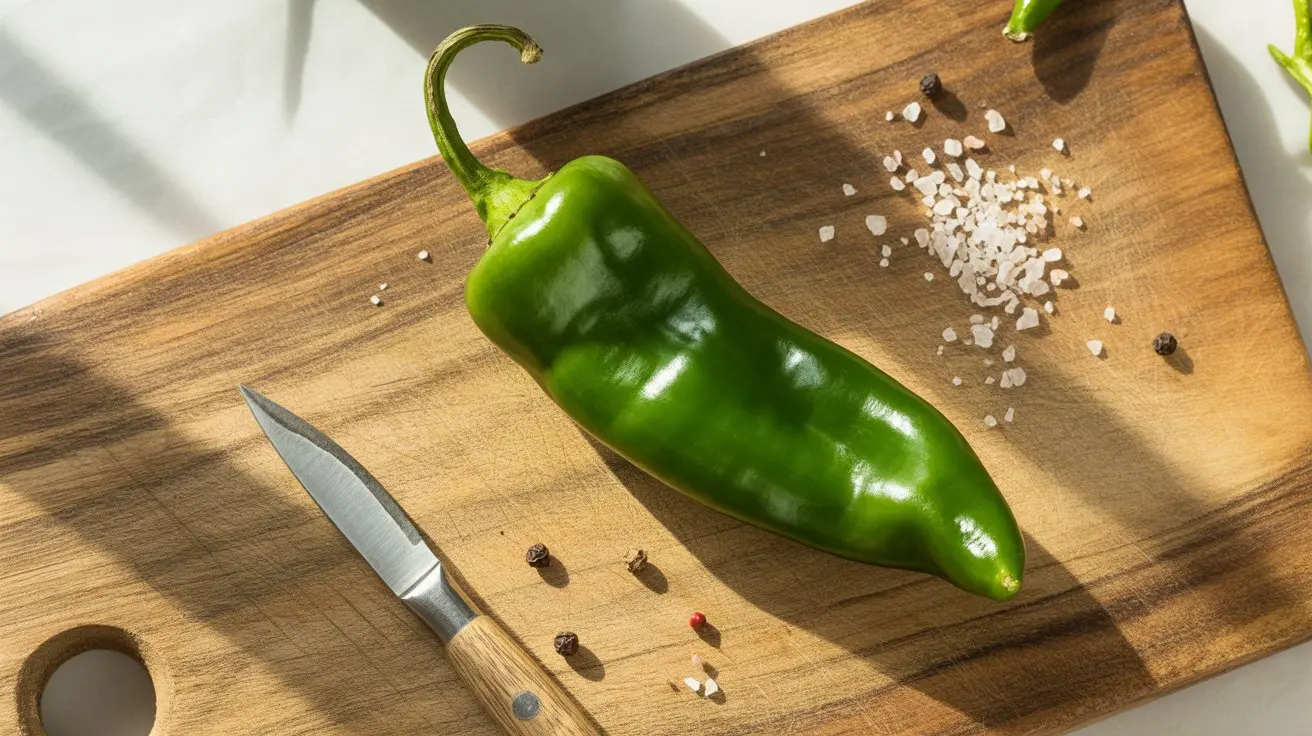
Fresno pepper
Fresno pepper helps when you need fresh red pepper body and only moderate heat. It will not give the yellow color, but it keeps sauces fresher than powder alone.
Use 1:1 by weight for texture, then add a small pinch of cayenne if the recipe needs more heat. This works in quick salsa and casual chicken dishes, not in a sauce where yellow color defines the plate.
Cayenne plus roasted yellow bell pepper
Use cayenne with roasted yellow bell pepper when the pantry is your only option. Cayenne gives heat.
The bell pepper gives color and mass.
Neither one should stand alone here.
For each tablespoon of paste, use one tablespoon roasted yellow bell pepper plus a small pinch of cayenne. Blend until smooth and add a little oil if the sauce needs the richer texture of aji amarillo paste.
Which Peppers Make Poor Aji Amarillo Substitutes?
Avoid plain cayenne by itself in Peruvian sauces. It adds heat but no fruity body.
Avoid using Tabasco pepper in creamy aji amarillo sauces because its sharp vinegar-like flavor pushes the dish in the wrong direction.
Do not use a full habanero 1:1. It can overpower the sauce before the color or texture comes close.
Substitution tip: When substituting Aji Amarillo, start with less of a hotter substitute and add more to taste. For milder substitutes, increase the quantity.
Our swap ratio calculator gives precise conversion amounts, and the heat unit converter translates between Scoville and other scales.
Aji Amarillo Substitute FAQ
- Capsicum - USDA GRIN Taxonomy
- Food and Agriculture Organization of the United Nations