

Which Lemon Drop Pepper Substitute Fits Your Recipe?
Lemon Drop swaps fail when they chase heat and forget acid. Aji amarillo is the closest pepper-family substitute for fruit and body, habanada plus serrano gives a mild citrus build, and yellow bell pepper only works when lemon or lime supplies the missing edge. Keep the color bright, avoid smoke, and add acid in small steps.
What Must a Lemon Drop Pepper Substitute Replace?
A useful Lemon Drop substitute must match the job, not merely the burn. Oregon State University Extension identifies Lemon Drop among Capsicum baccatum cultivars and describes that species group as piney to citrus-like and fruity.
The ripe yellow pod can therefore contribute four separable things: noticeable heat, a lifted citrus-like aroma, bright color, and a small amount of fresh pepper flesh.
Published heat figures also need context.
The canonical Lemon Drop pepper profile uses 15,000 to 30,000 SHU, while Oregon State gives the broader C. baccatum group a 30,000 to 50,000 SHU reference. Those different scopes are a warning against converting unlike pods by count.
| Trait in the original dish | When it matters most | What a substitute must preserve |
|---|---|---|
| Citrus-like aroma | Raw salsa, relish, seafood topping, finishing sauce | Fresh zest or late-added juice when the pepper lacks the aroma |
| Moderate-hot heat | Hot sauce, marinade, curry, cooked salsa | A measured hot component that can be tasted before scaling |
| Yellow color | Golden sauce, yellow relish, bright garnish | Yellow or orange flesh without dark smoke |
| Fresh pepper body | Chunky salsa, ceviche-style topping, pickle, garnish | Prepared volume and crisp texture, not powder alone |
Which Lemon Drop Substitute Fits Your Dish?
Aji amarillo is the strongest single starting point when you need a fruity aji character, yellow-orange color, and substantial heat.
It is not a copy. Its flesh is broader and its flavor can feel rounder or more tropical, so add fresh lemon or lime only after tasting the pepper in the dish.
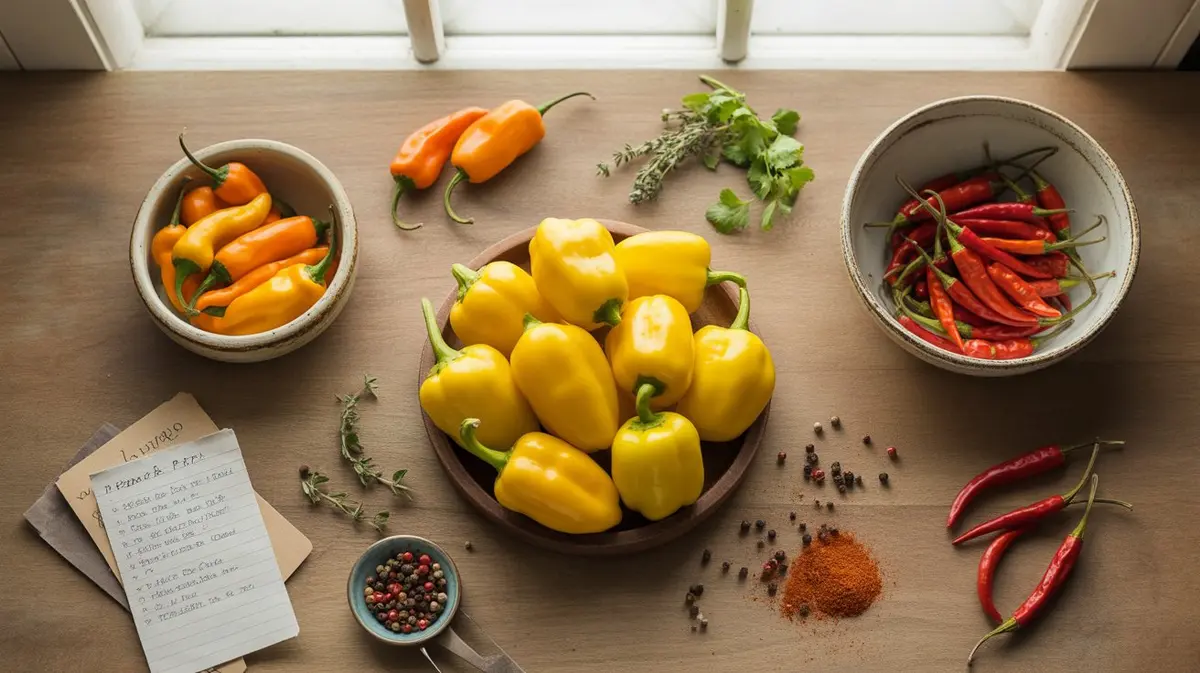
When aji amarillo is unavailable, build the replacement in two parts. A mild yellow pepper can supply visible body and color while serrano or cayenne supplies controlled heat; zest then restores aroma without immediately thinning the food.
Use aji amarillo, or combine serrano with yellow pepper and a little zest. Keep the substitute crisp and add citrus after salting.
Use aji amarillo paste or a cooked yellow-pepper base with measured cayenne. Correct brightness after blending so acid does not mask the actual heat.
Yellow bell pepper plus a hot component can work because crisp texture is no longer central. Reserve some zest or juice for the finish.
Use flakes or powder only when the dish can lose fresh flesh and yellow color. Add citrus separately after the dry chile has hydrated or bloomed.
This branching method prevents one common mistake. A reader who chooses only by Scoville range can create the right heat while losing the yellow appearance, the aromatic lift, and the fresh pieces that made Lemon Drop useful.
What Works Best in Fresh Salsa and Bright Sauces?
Fresh preparations expose every mismatch, so start with aroma and texture before correcting heat. Aji amarillo is the closest one-pepper option in this group, but its larger pieces and deeper orange color can make a raw salsa feel heavier than a finely diced Lemon Drop.
Serrano takes the opposite route.
It supplies fresh green heat and a firm cut, but the green color and grassy flavor remain visible; a small pinch of lemon zest restores top aroma more effectively than a large pour of juice.
For a milder table salsa, pair habanada with a smaller amount of serrano. Habanada brings tropical-fruity aroma with little or no pungency, while serrano lets you raise heat independently.
The blend will not preserve yellow color unless the available habanada fruit is yellow or orange.
Use the chart to locate candidates, not to manufacture a ratio. For pico, raw relish, or a ceviche-style topping, compare equal prepared spoonfuls, then correct citrus and heat in separate passes.
Which Lemon Drop Pepper Substitutes Are Worth Using?
Aji amarillo for the closest one-pepper direction
Closest MatchAji amarillo is the best overall starting point when the recipe needs fruity aji character, yellow-orange color, and assertive heat in one fresh ingredient. Its pieces are often broader and its flavor rounder than Lemon Drop.
Start with a smaller prepared amount, taste, then add zest or a few drops of juice only if the finished food lacks lift.
Serrano with lemon zest for fresh green heat
Runner-UpUse serrano in pico, chopped relish, green sauce, or a quick marinade when fresh heat matters more than yellow color.
Its green flavor is sharper and less fruity. A little zest adds top aroma without flooding the dish, while another yellow ingredient can restore color if appearance matters.
Habanada plus serrano for separate aroma and heat controls
Also GreatHabanada contributes tropical-fruity aroma with little or no pungency, and serrano supplies the adjustable burn. This pairing suits diners who need a gentler result or a sauce that must be tuned gradually.
Measure the two peppers separately rather than fixing a permanent blend ratio.
Yellow bell pepper plus cayenne for color and cooked body
Use equal prepared yellow-pepper body when soup, sauce, or relish needs color and volume, then add cayenne to a tasting portion.
The blend lacks aji fruit character, but it is practical and controllable. Finish with zest or juice after cooking so citrus aroma does not disappear during a long simmer.
Fresno for fresh fruit when red color is acceptable
Fresno works in red salsa, fruit relish, marinades, and cooked sauce where a visible color change is harmless. It brings fresh pepper body and a fruitier ripe flavor, but not Lemon Drop's yellow appearance or citrus-like top note.
Use prepared volume, then correct aroma at the end.
Unsmoked chile flakes for a dry pantry backup
Choose chile flakes only when the recipe can lose fresh flesh, crisp texture, and yellow color.
Bloom or hydrate a measured amount in the dish's liquid or fat before judging heat. Add zest after the flakes have softened, and add juice only after checking thickness and acidity.
Can Dried or Cooked Peppers Replace Fresh Lemon Drop?
Dry chile can replace distributed heat, but it cannot replace fresh yellow flesh. That limitation is acceptable in soup, marinade, dressing, noodles, or a smooth cooked sauce where the original pepper would no longer remain crisp.
The yellow bell pepper supplies color, moisture, and volume. Cayenne raises heat without forcing more sweet flesh into the dish.
Fresno pepper keeps fresh fruit and medium heat, but turns the food red and lacks Lemon Drop's citrus-like lift. Use it where color can change.
Use a clean, unsmoked chile in cooked liquid or oil. Hydrate it fully before deciding how much zest or juice the finish needs.
| Available form | Good fit | Missing trait to rebuild |
|---|---|---|
| Fresh aji amarillo | Golden sauce, salsa, marinade | Sharper citrus aroma |
| Yellow bell plus cayenne | Soup, smooth sauce, cooked relish | Aji fruit character and measured heat |
| Fresh Fresno | Red salsa, fruit relish, marinade | Yellow color and citrus lift |
| Unsmoked flakes | Soup, noodles, dressing, cooked sauce | Fresh body, yellow color, and top aroma |
Add zest while the food is warm enough to release aroma but not during a long hard simmer. Add juice in small increments near the end because it changes both acidity and liquid balance; a wet salsa or reduced sauce can move past the intended texture quickly.
How Do You Measure the Swap Without a Fake Pod Ratio?
USDA research documents substantial fruit-character variation within C. baccatum, which is one reason whole pods are poor measuring units. A broad aji amarillo, a slender Lemon Drop, a serrano, and a spoonful of flakes change different amounts of flesh and heat at the same time.
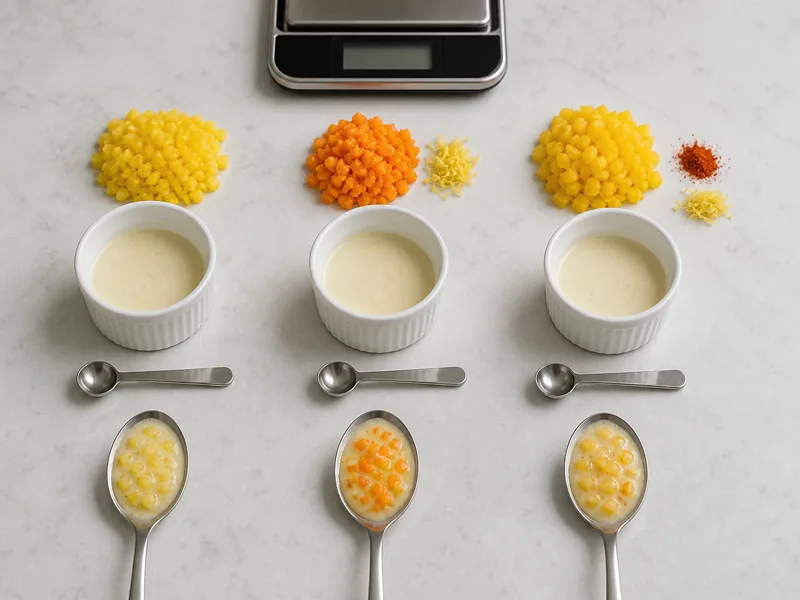
- Name the physical unit the dish needs. Use chopped volume for raw texture, trimmed weight for cooked pepper body, or a small spoon measure for powder and paste.
- Make one untouched control and one tasting portion. The control shows whether each correction actually improves the dish.
- Add the pepper component first. Mix completely and wait long enough for heat to distribute through the food's liquid or fat.
- Correct citrus aroma separately. Try zest before juice when extra liquid would be harmful, then add juice only if the dish also needs acidity.
- Scale only a successful sample. Stop when extra pepper flesh, sweetness, heat, bitterness, or moisture starts changing the intended dish.
A prepared unit should follow the ingredient's role. Equal chopped volume makes sense for visible salsa pieces, equal trimmed weight makes sense in a blended sauce, and a measured fraction of a teaspoon makes sense for powder.
None of those measurements automatically transfers to another form.
Write down the successful amount for the actual package and batch you used.
The note is a repeatable kitchen result for that ingredient, not a permanent conversion rule for every pepper sold under the same name.
Can You Make the Same Swap in Canned Salsa or Pepper Jelly?
Do not apply an ordinary cooking ratio to a shelf-stable preserve. The National Center for Home Food Preservation explains that peppers are low-acid additions and that safe jam or pepper jelly depends on the tested balance of fruit, sugar, low-acid ingredients, and added acid.
University of Minnesota Extension notes that a tested tomato-salsa recipe may allow one pepper type to replace another while the total amount stays unchanged. That permission does not turn every homemade salsa or pepper jelly into a tested formula, and it does not authorize extra low-acid vegetables.
If you want to experiment freely with Lemon Drop substitutes, make the food for immediate use and refrigerate it, or freeze it when the recipe is freezer-suitable.
Flavor experimentation remains useful; the storage method simply needs to match the evidence behind the recipe.
Which Lemon Drop Substitutes Usually Miss the Point?
- Chipotle when brightness is the goal: smoke replaces the defining citrus-like edge with a different dominant aroma.
- Yellow bell pepper by itself: it supplies color and flesh but leaves both heat and aji aroma unresolved.
- Lemon juice as the entire substitute: juice adds acid and liquid, not pepper heat, flesh, or the same aromatic character.
- A fixed pod-for-pod ratio: pod size, wall thickness, heat, and prepared form vary too much for a universal count.
Substitution tip: When substituting Lemon Drop, start with less of a hotter substitute and add more to taste. For milder substitutes, increase the quantity.
Our swap ratio calculator gives precise conversion amounts, and the heat unit converter translates between Scoville and other scales.
Questions About Replacing Lemon Drop Peppers
- Oregon State University Extension: Grow your own peppers
- USDA Agricultural Research Service: Morphological Variation in Capsicum baccatum
- Iowa State University Extension: Growing peppers in the home garden
- National Center for Home Food Preservation: Low-acid additions in jams and jellies
- University of Minnesota Extension: Canning tomato-based salsa