
Best Kashmiri Chili substitutes and alternatives for cooking
Substitute Guide Medium

Kashmiri Chili Substitutes: 7 Best Alternatives

Source Pepper
Kashmiri Chili
1K–2K SHU · mild and sweet · India
Full Profile →
Quick Summary

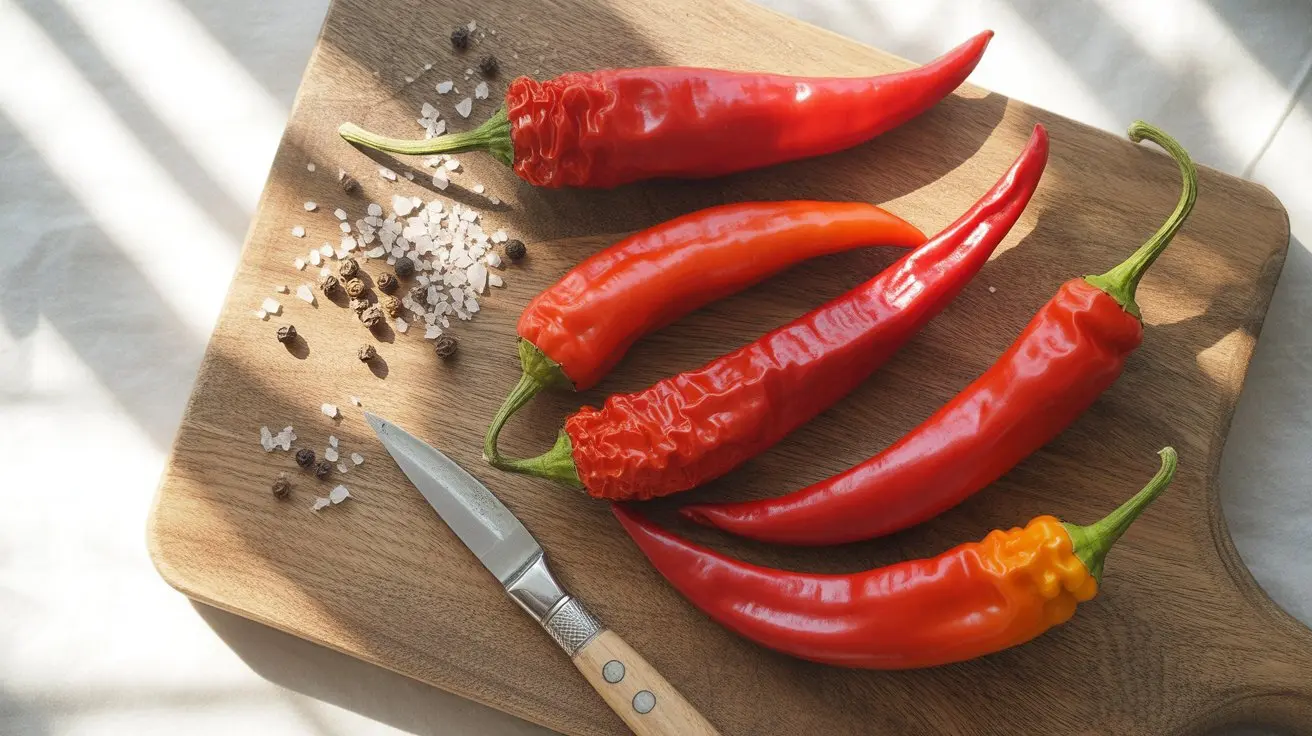
Kashmiri chili is one of the few peppers where color does the heavy lifting. At 1,000-2,000 SHU, it sits at the mild end of the spectrum, but its real value is the brilliant crimson hue it lends to tandoori marinades, rogan josh, and butter chicken — a depth of color that most red peppers simply cannot match. Finding a substitute means balancing that gentle heat with enough pigment and sweetness to keep your dish looking and tasting the part.

Heat Level
1K–2K
SHU
Flavor
mild and sweet
Substitutes
7
ranked options
Advertisement

Best Kashmiri Chili Substitutes

These alternatives are ranked by how closely they match Kashmiri Chili’s heat level and flavor profile. Use the conversion ratios to adjust quantities in your recipe.
#1
Ancho Pepper Closest Match

Ancho's deep brick-red color and sweet dried complexity makes it the closest structural match for Kashmiri chili in most Indian-inspired recipes. Both sit at 1,000-2,000 SHU, so heat parity is essentially perfect.

The flavor tilts toward raisin and dried fruit rather than Kashmiri's cleaner sweetness, but in slow-cooked dishes like rogan josh or dal makhani, that depth reads as richness rather than divergence. Use a 1:1 ratio — same quantity, same form (powder for powder, whole for whole).

Ancho powder also contributes significant color, though it leans more brick-orange than the vivid red Kashmiri is known for. A small pinch of sweet paprika alongside it closes that gap.

#2
Pasilla Pepper Runner-Up

The dark, wrinkled skin and earthy richness of the pasilla puts it in surprising territory as a Kashmiri substitute. At 1,000-2,500 SHU, it runs slightly hotter at the top end, so use about ¾ the quantity when substituting dried pasilla powder.

Where it earns its ranking: pasilla has a chocolate-and-dried-herb complexity that works exceptionally well in marinades and braised meats. The color contribution is darker than Kashmiri — more brown-red than crimson — so it's better suited to dishes where deep color matters less than layered flavor.

#3
Guindilla Pepper Also Great

Guindilla's bright, tangy character is a different kind of match — not the same flavor profile, but the same heat range at 1,000-2,000 SHU. It's a Spanish pepper with a fresh, acidic edge that works well in spice blends where Kashmiri's role is primarily heat rather than color.

Substitute at a 1:1 ratio, but note that guindilla won't deliver the red pigment Kashmiri provides. Pair it with a half-measure of sweet paprika if color matters in your recipe.

Comparison of Kashmiri Chili with similar peppers for substitution
#4
Urfa Biber

Urfa biber's smoky, almost chocolate-dark profile sits at 500-1,500 SHU — slightly below Kashmiri's floor — but its flavor complexity is remarkable. This Turkish dried pepper has a natural oiliness and a slow, lingering warmth that suits slow-cooked curries and spiced lamb dishes well.

Use a 1:1 ratio and expect a smokier, darker result. Urfa biber is part of the broader Indian and South Asian pepper tradition's extended family of dried mild chilies used for depth rather than fire, which makes it philosophically aligned with Kashmiri's culinary purpose even if the geography differs.

#5
Aji Panca

Aji panca's smoky, berry-like dried fruit notes land at 1,000-1,500 SHU, which keeps it well within Kashmiri territory. This Peruvian pepper is less common in South Asian cooking, but its mild heat and complex dried fruit flavor translate surprisingly well into spice pastes and marinades.

Substitute at a 1:1 ratio. The color contribution is deep burgundy-red, which is closer to Kashmiri's visual output than many alternatives. It's a solid choice when you want heat parity and color without the more assertive smokiness of ancho or urfa.

#6
Anaheim Pepper

Anaheim's mild, sweet fresh pepper flavor — ranging 500-2,500 SHU — makes it a practical fresh substitute when Kashmiri chili is called for in its whole or fresh form. The heat range is broader, so choose smaller, thinner Anaheims for the milder end.

For dried or powdered applications, dried Anaheim (also sold as California chile powder) works at a 1:1 ratio. The flavor is simpler and less complex than Kashmiri, but the mild sweetness is directionally correct. Color output is lighter — expect orange-red rather than deep crimson.

#7
Chilaca Pepper

Chilaca's earthy, slightly tannic dried character — known as pasilla negro when dried — ranges 1,000-2,500 SHU. It's a workable Kashmiri substitute in dishes where the pepper's role is primarily flavor and mild heat, with color as a secondary concern.

The fresh form is long and dark green; the dried form turns nearly black, which means it won't replicate Kashmiri's signature red color at all. Use ¾ the quantity to account for the upper heat range, and pair with sweet paprika if you need that visual depth. Chilaca fits naturally into the C. annuum botanical family — the same species as Kashmiri — which means its heat characteristics behave predictably in cooking.

Kashmiri chili belongs to the mild end of the hot pepper heat classification — deceptively named, since it's really a workhorse of color and gentle warmth rather than fire.

Related Aji Amarillo: 30K–50K SHU, Flavor & Recipes
Peppers to Avoid as Kashmiri Chili Substitutes

Cayenne pepper seems like a natural swap — it's red, it's dried, it's widely available. But cayenne runs 30,000-50,000 SHU, which is roughly 20 times hotter than Kashmiri at its peak. Even a fraction of the called-for quantity will shift your dish from gently spiced to aggressively hot, and the color it contributes is orange-red rather than the deep crimson Kashmiri delivers.

Chipotle powder is another trap. The smoky richness is appealing, and the heat at 2,500-8,000 SHU isn't extreme, but the smoke flavor is so dominant that it fundamentally changes the character of any dish. Kashmiri chili is neutral and clean; chipotle is anything but.

Paprika alone — while often recommended — fails in the other direction. Standard sweet paprika sits at near zero SHU and provides color without any heat. In recipes where Kashmiri's 1,000-2,000 SHU contributes measurable warmth, paprika on its own leaves the dish flat. It works as a color supplement alongside other substitutes, but not as a standalone replacement.

Substitution Tip

When substituting Kashmiri Chili (1K–2K SHU), always start with less of a hotter substitute and add more to taste. For milder substitutes, you can increase the quantity. Our swap ratio calculator gives precise conversion amounts, and the heat unit converter translates between Scoville and other scales.

Fact-Checked & Expert Reviewed
Editorial Standards: All facts verified against authoritative sources. Content reviewed by subject matter experts before publication.
Review Process: Written by Sofia Torres (Lead Culinary Reviewer) , reviewed by Karen Liu (Lead Fact-Checker & Science Editor) . Last updated February 19, 2026.
Related Aji Charapita: 30K–50K SHU, Taste & Recipes

Kashmiri Chili Substitute FAQ

Sweet paprika replicates the color reasonably well but contributes almost no heat, leaving dishes noticeably flat if Kashmiri's 1,000-2,000 SHU warmth was doing any flavor work. A better approach is to combine sweet paprika with a small amount of ancho or guindilla powder to cover both color and heat.

Ancho powder at a 1:1 ratio is the most reliable option for tandoori marinades — it matches the heat range and contributes enough red pigment to keep the characteristic color intact. Adding a half-teaspoon of sweet paprika per tablespoon of ancho powder brings the color closer to Kashmiri's vivid crimson.

Cayenne typically measures 30,000-50,000 SHU, putting it roughly 15 to 50 times hotter than Kashmiri chili's 1,000-2,000 SHU range. Substituting cayenne at anything close to equal quantities will completely overwhelm a dish that was designed around Kashmiri's gentle heat.

The pepper's mild heat and sweet, clean flavor actually translate well into Spanish, North African, and Mediterranean spice blends where a low-heat red pepper powder is called for. Ancho, guindilla, or aji panca all perform well in those contexts too, making the substitution choices broadly applicable beyond South Asian cooking.

Fresh Anaheim or poblano peppers work in recipes where Kashmiri is used whole or in paste form, though you lose the concentrated dried-pepper depth. For powder-based applications, fresh peppers are not a practical substitute — dried ancho or pasilla powder stays closer to what the recipe expects.

Sources & References
Karen Liu
Fact-checked by Karen Liu
Contributing Editor & Food Scientist
All Substitutes Browse Peppers Substitute Finder Tool