

Which Habanero Substitute Keeps Its Fruity Aroma? Scotch Bonnet
Scotch bonnet is the easiest habanero substitute when the dish needs fruity C. chinense heat. Fatalii gives a sharper citrus bite, aji chombo and Madame Jeanette keep tropical aroma, and red jalapeno or serrano only work when the recipe can give up habanero's fruit. Match the aroma first, then adjust heat with pod weight or a small pinch of powder.
Heat at a glance
What Can You Use Instead of Habanero?
Scotch Bonnet
Closest MatchUse Scotch bonnet when sauce, salsa, jerk marinade, curry, or stew still needs habanero-style fruit. It sits in the same 100,000-350,000 SHU range and keeps the fruity C. chinense aroma that makes habanero useful.
In raw salsa, taste after 10 minutes because Scotch bonnet can read sweeter once salt and acid pull out its juice.
The only real drawback shows up when a recipe needs habanero's sharper citrus edge. If the finished sauce tastes too round, add lime or a small splash of vinegar before adding more pepper.
Fatalii
Runner-UpFor a brighter sauce, Fatalii changes the answer. It can run hotter than habanero and carries a lemony top note that cuts through fruit sauces, ceviche-style salsas, and vinegar blends.
Use it when the dish already wants citrus. Do not use it when the recipe needs the softer orange-fruit note of habanero in a mild table sauce.
Aji Chombo
Also GreatAji chombo works in Caribbean pepper sauce because it brings tropical heat without feeling like a generic hot chile. The heat is close enough for cooked sauces, and the flavor stays fruit-forward.
This is the substitute to reach for when allspice, scallion, vinegar, or garlic already point the recipe toward Caribbean seasoning. It blends into the dish instead of announcing itself as a different pepper.
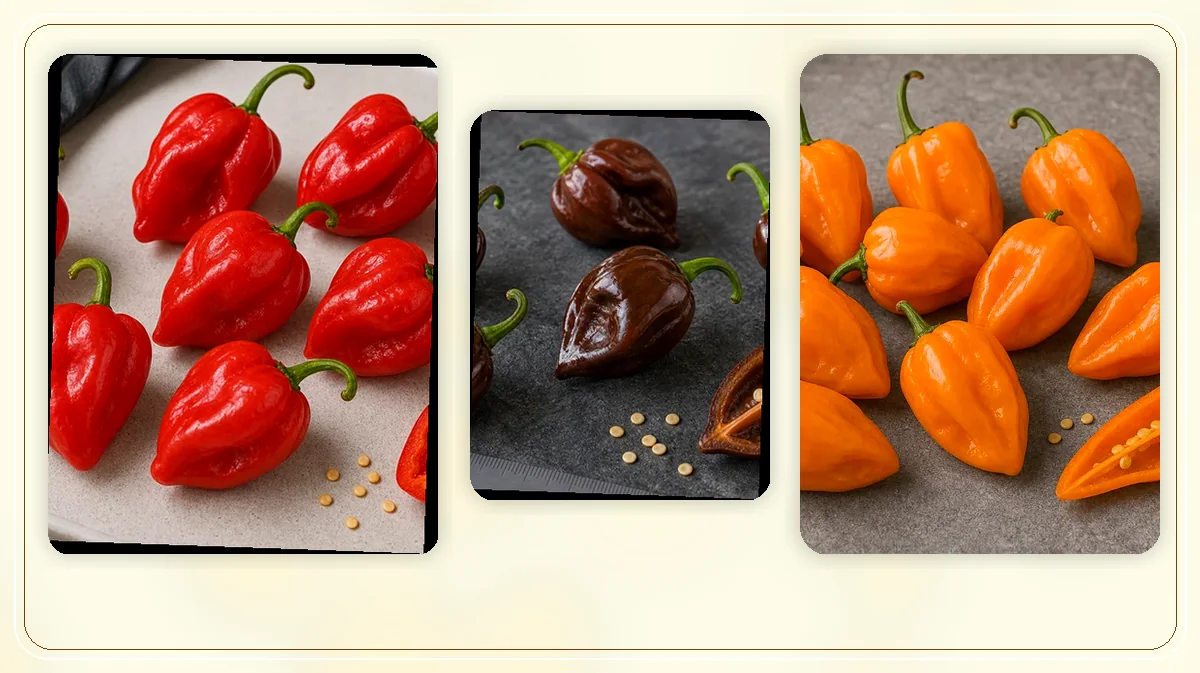
Madame Jeanette
Madame Jeanette keeps the tropical aroma but can taste more perfumed than habanero. That makes it useful in fruit sauce and seafood marinades, but risky in tomato salsa.
Use it for small batches where you can taste and adjust. If the aroma starts to dominate, add more tomato, carrot, or roasted pepper body rather than more vinegar.
Red Savina Habanero
Red Savina habanero is hotter than a standard habanero, so it is a power move rather than a casual replacement. It keeps the same family flavor while raising the ceiling.
Choose it for hot sauce, mash, and pepper jelly where extra heat is welcome. Avoid it in dips or table salsa unless the batch is meant for heat lovers.
Aji Amarillo
Aji amarillo does not taste like habanero, but it can rescue cooked sauces that need fruit, body, and moderate heat. Its C. baccatum flavor leans golden and raisin-like instead of tropical.
Use it in creamy sauces, stews, and marinades where the recipe can shift toward Peruvian-style fruit. Do not use it for a clean habanero hot sauce.
Serrano Plus Fruit
Serrano pepper alone misses the point, but serrano plus fruit can work for mild table salsa. The serrano gives fresh green heat while mango, pineapple, or roasted carrot restores some sweetness.
This is a crowd-friendly fallback, not a flavor match. It belongs in salsa for people who want less burn.
Cayenne Powder
Cayenne is a heat tuner for cooked dishes after you choose a flavor substitute. It adds sharp dry heat but no habanero aroma.
Use it at the end of soup, chili, barbecue sauce, or beans when Scotch bonnet or aji amarillo made the flavor right but left the heat low.
Which Peppers Make Poor Habanero Substitutes?
Avoid replacing habanero with serrano, jalapeno, or cayenne alone when the recipe depends on fruit. Those peppers can add heat, but they cannot carry the C. chinense aroma.
Avoid superhots as a casual 1:1 substitute. Ghost pepper or Carolina Reaper can overpower a sauce before they replace habanero flavor.
Avoid adding more sugar to fix a bad substitute. Sweetness can round sharp heat, but it does not rebuild the missing pepper aroma.
Substitution tip: When substituting Habanero, start with less of a hotter substitute and add more to taste. For milder substitutes, increase the quantity.
Our swap ratio calculator gives precise conversion amounts, and the heat unit converter translates between Scoville and other scales.
Habanero Substitute FAQ
- American Chemical Society - Capsaicin overview
-
Sourcing note: grower and seed-catalogue documentation only No university, government or research body publishes data on this cultivar. The figures on this page come from grower reports and seed-catalogue listings, which are the only documentation that exists for it.