Best Gochugaru Substitutes for Kimchi, Sauces, and Flakes
Gochugaru is not just red heat. For kimchi and Korean sauces, you need color, mild warmth, and a coarse flake that hydrates into the paste. Gochugaru flakes are the closest swap. Kashmiri chili solves color. A paprika-cayenne blend works in soups and marinades. Gochujang only works when the recipe can take a wet, salty, sweet paste.
Heat at a glance
What Can You Use Instead of Gochugaru?
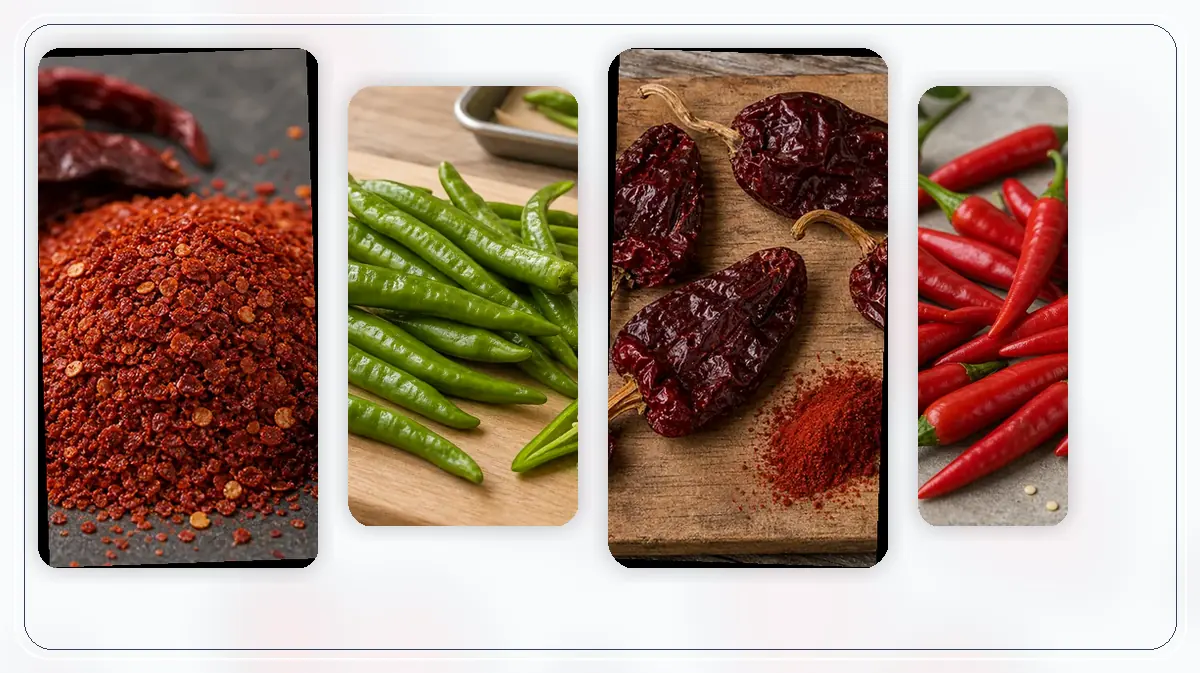
Gochugaru flakes
Closest MatchGochugaru flakes should be your first stop if the package name is the only difference. The grind may be coarser than powder, but the flavor, color, and mild-to-medium heat stay in the right Korean role.
Use 1:1 by volume. For kimchi paste, soak the flakes in the seasoning liquid for 10 minutes before mixing with cabbage.
For smoother sauce, pulse them briefly instead of replacing them.
Kashmiri chili
Runner-UpKashmiri chili is the best color-first substitute. It gives a deep red look and mild heat, so kimchi paste, tteokbokki sauce, and stew do not turn pale or harsh.
Use 1:1 by volume, then add a small pinch of cayenne if the dish tastes flat. The gochugaru vs Kashmiri chili comparison is useful when color matters more than heat.
Sweet paprika plus cayenne
Also GreatA paprika-cayenne blend is the supermarket fix for stew, marinade, or dipping sauce. Paprika gives red color and sweetness.
Cayenne adds the missing bite.
Mix 1 tablespoon sweet paprika with 1/8 teaspoon cayenne, then use that blend 1:1 for gochugaru. This works better in cooked sauces than in kimchi because the texture is too fine.
Aleppo pepper
Aleppo pepper works when gochugaru acts as a finishing flake, noodle topping, or sauce seasoning. It brings fruit and soft heat, but it also tastes more tart and earthy.
Use 1:1 in cooked sauces and finishing oil. For kimchi, use it only in a small emergency batch because the flavor points Middle Eastern rather than Korean.
The Aleppo vs gochugaru comparison explains that difference.
Red pepper flakes
Red pepper flakes cover heat and flake texture better than they cover Korean flavor. They are sharper, seedier, and often hotter, so they can make kimchi taste rough if used straight.
Use half as much, crush the flakes, and add paprika or Kashmiri chili for color. This emergency blend works in stew and stir-fry sauce.
It is a weak choice for fresh kimchi paste.
Gochujang
Use gochujang substitute only when the recipe can change from dry chile to wet fermented paste. It can help marinades, dipping sauces, and glazes, but it brings salt, sweetness, starch, and fermentation.
Start with 1 teaspoon gochujang for every tablespoon of gochugaru, then reduce soy sauce, sugar, or other salty-sweet ingredients. Do not use it in a dry rub or spice blend.
Morita pepper
Morita is a last-choice smoky red chile for cooked stews and marinades. It gives fruit and color, but the smoke moves the dish away from Korean gochugaru quickly.
Use a small amount, about one-third to one-half as much, and add paprika for color if needed. Skip it for kimchi, banchan, and sauces where clean red chile flavor should lead.
Which Peppers Make Poor Gochugaru Substitutes?
Avoid plain cayenne as the whole substitute. It makes food hot but not red, sweet, or full.
Avoid chipotle, smoked paprika, and chili powder blends with cumin when making kimchi or tteokbokki.
They send the dish toward barbecue or Tex-Mex flavor. Gochujang is useful in wet sauces, but it is not a dry spice replacement.
Substitution tip: When substituting Gochugaru, start with less of a hotter substitute and add more to taste. For milder substitutes, increase the quantity.
Our swap ratio calculator gives precise conversion amounts, and the heat unit converter translates between Scoville and other scales.