

Out of Bird's Eye Chili? Use Thai Chili for Sambal and Curry Paste
Start with Thai chili substitute if the recipe needs chopped, small-pod heat for curry paste, sambal, prik nam pla, or stir-fry. Bird's eye chili is often a market label, so size and use matter more than the name on the bag. Use Thai Dragon, cabe rawit, or siling labuyo when you need the same fast burn. Use serrano or cayenne only when the recipe can handle a different texture.
Heat at a glance
What Can You Use Instead of Bird's Eye Chili?
Thai chili
Closest MatchChoose Thai chili replacement option first when the dish needs a small fresh chile that disappears into paste, dipping sauce, or a hot wok. The match is practical: both peppers bring fast, clean heat without much sweetness or smoke.
Use the same number of pods for most home cooking. If the chiles are tiny or very dry, weigh the trimmed peppers instead of counting them, then taste before adding more.
This keeps curry paste hot without turning it bitter.
Thai Dragon
Runner-UpThai Dragon keeps the same 50,000-100,000 SHU heat band and the same narrow red-pod feel. It fits chopped relishes, garlic-chile oil, and sauces where bird's eye chili should stay sharp.
Use it 1:1 by weight. The flavor is direct and bright, so the swap works better than a fruity superhot in Southeast Asian dishes.
The catch is access: gardeners see Thai Dragon more often than grocery shoppers do.
Cabe rawit
Also GreatCabe rawit makes the most sense for Indonesian sambal, nasi goreng, and raw chile condiments. It gives the same small-pod burn and a bright flavor that stays clear after pounding.
Start 1:1, then adjust by taste after the sauce rests. Cabe rawit can feel a little sharper in raw preparations, so do not add the full extra handful until the salt, lime, or vinegar is already mixed in.
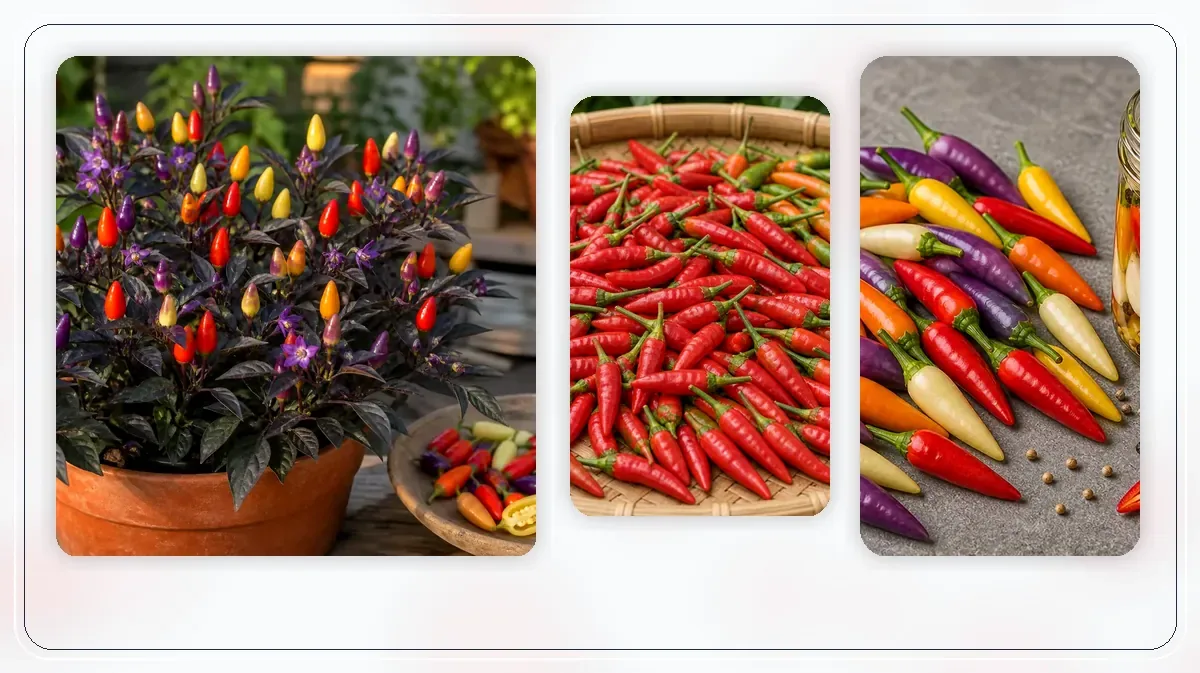
Siling labuyo
Siling labuyo is the right move for Filipino sawsawan, vinegar dips, and dishes where the pepper should taste pungent rather than fruity. It can run hot, but the flavor still points in the same small-chile direction.
Use three-quarters as much at first if the pods look very small. Add more after the dish sits for a minute.
This rule protects soups and vinegar sauces from getting hotter than intended.
Malagueta
Malagueta works when bird's eye chili is playing a sauce role instead of a Thai curry role. It brings bright citrus heat, so it fits vinegar sauces, grilled marinades, and peri-peri-style cooking.
Use 3/4 to 1:1 by weight. Keep it away from delicate coconut curries unless you want a slightly more citrus-forward result.
In hot sauce, though, the thin pod and bright burn make it a strong substitute.
Serrano with cayenne
A serrano substitute plus a pinch of cayenne substitute is the normal U.S. grocery-store fallback. Serrano gives fresh green flesh.
Cayenne supplies the missing fire.
For every two bird's eye chiles, use one minced serrano plus 1/16 to 1/8 teaspoon cayenne. This blend works in cooked salsa, soup, and stir-fry, but it will taste greener and bulkier in raw dipping sauce.
Cayenne powder
Use cayenne powder only when the recipe can lose the fresh chile pieces. It solves heat in broth, marinades, and blended sauce, but it cannot replace the crunch or raw aroma of sliced bird's eye chili.
Start with 1/8 teaspoon for each fresh chile, then add more in small pinches. Powder blooms fast in hot oil, so add it early for cooked dishes and late for table sauces.
Which Peppers Make Poor Bird's Eye Chili Substitutes?
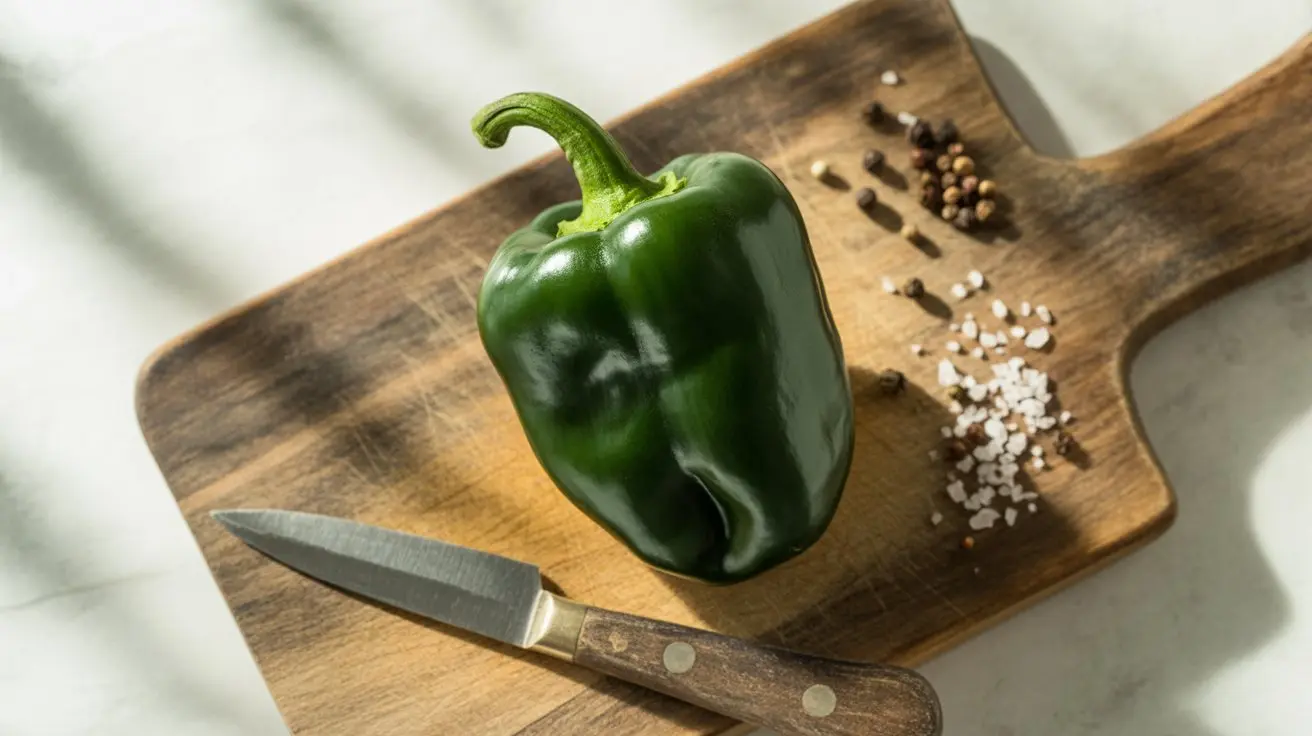
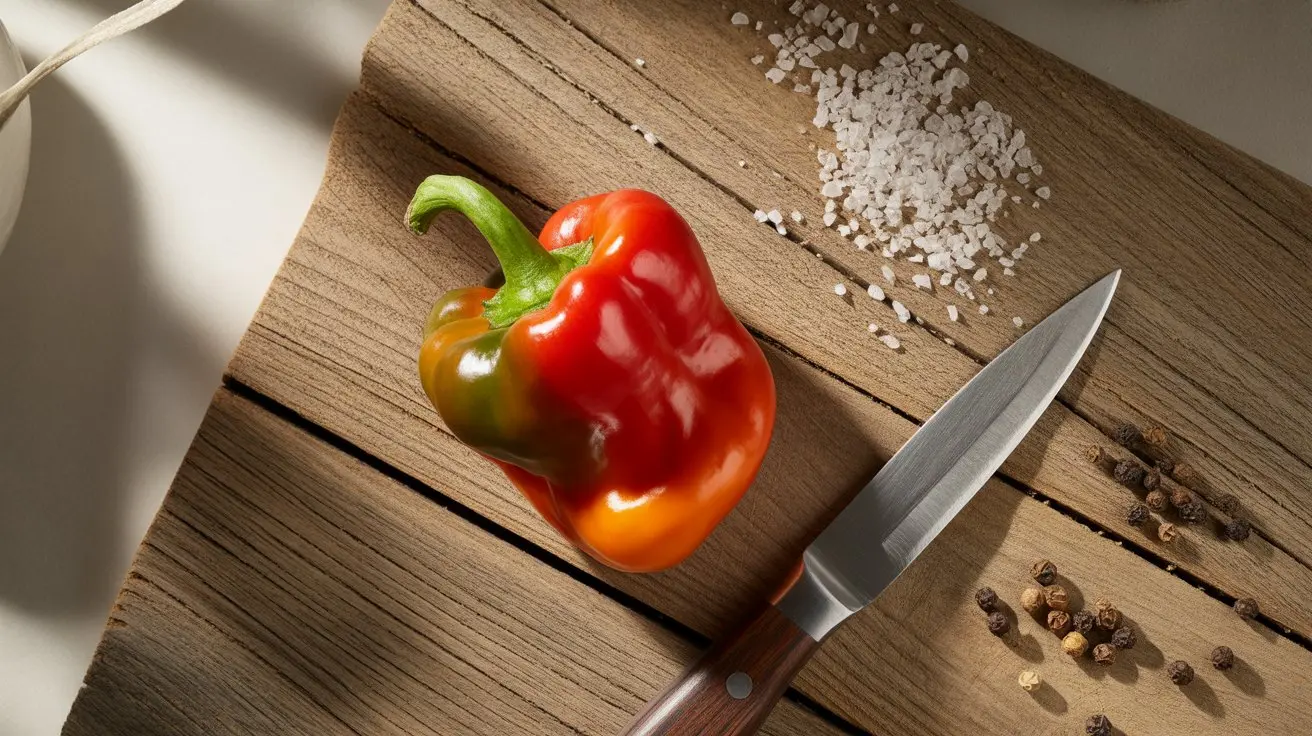
Avoid sweet bell pepper as the main swap unless another chile supplies the heat. Do not use habanero 1:1.
It is hot, but its floral fruit changes sambal, curry paste, and fish-sauce dips.
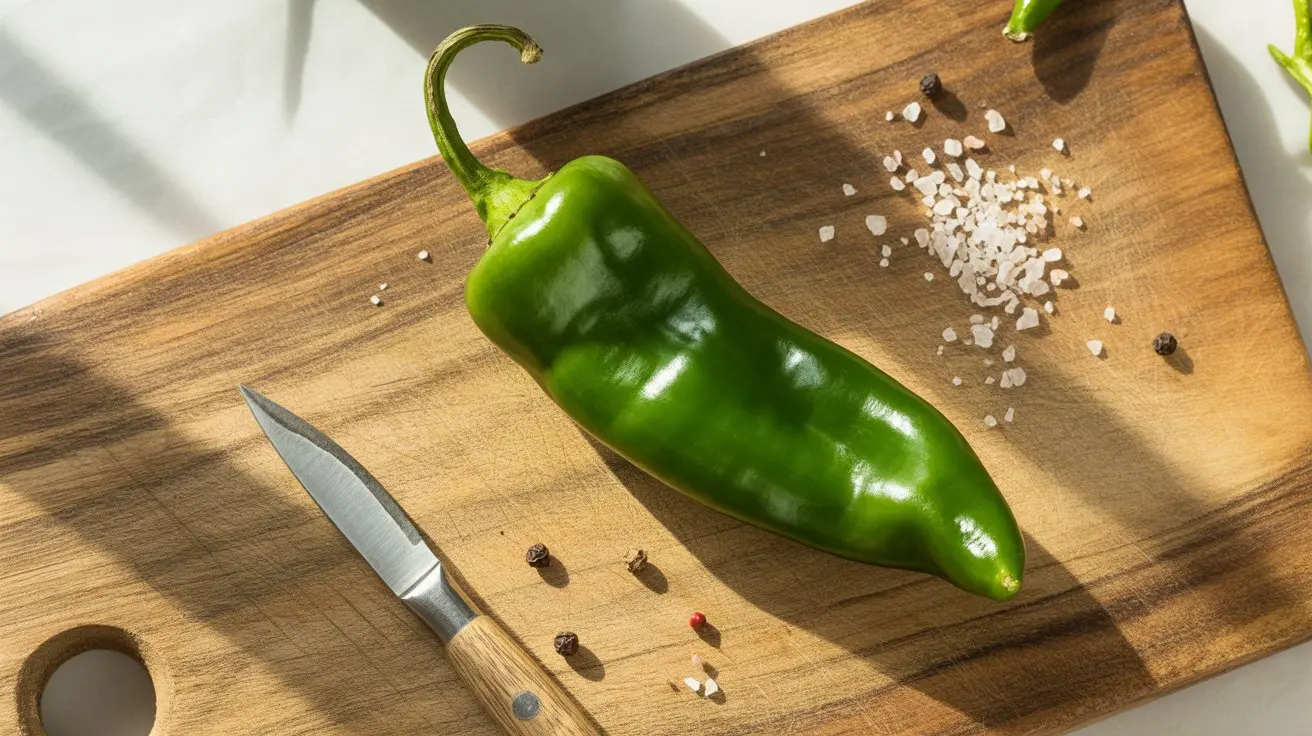
Jalapeno alone usually adds too much green bulk before the dish becomes spicy. Smoked dried chiles also miss the point when the recipe expects a clean fresh burn.
Substitution tip: When substituting Bird's Eye Chili, start with less of a hotter substitute and add more to taste. For milder substitutes, increase the quantity.
Our swap ratio calculator gives precise conversion amounts, and the heat unit converter translates between Scoville and other scales.
Bird's Eye Chili Substitute FAQ
- Heat - Chile Pepper Institute, NMSU
- Capsicum annuum L. - USDA GRIN Taxonomy
- University of California Agriculture and Natural Resources