

Replacing Aji Dulce in Sofrito: Floral Sweetness Without the Heat
Aji dulce is the backbone of Caribbean and Venezuelan cooking, its signature sweet, aromatic profile (with virtually no heat at 0-500 SHU) comes from the same C. chinense species as habaneros, yet delivers none of the fire. Finding a substitute means hunting for that same floral sweetness without accidentally torching your sofrito or hallaca.
Heat at a glance
What Can You Use Instead of Aji Dulce?
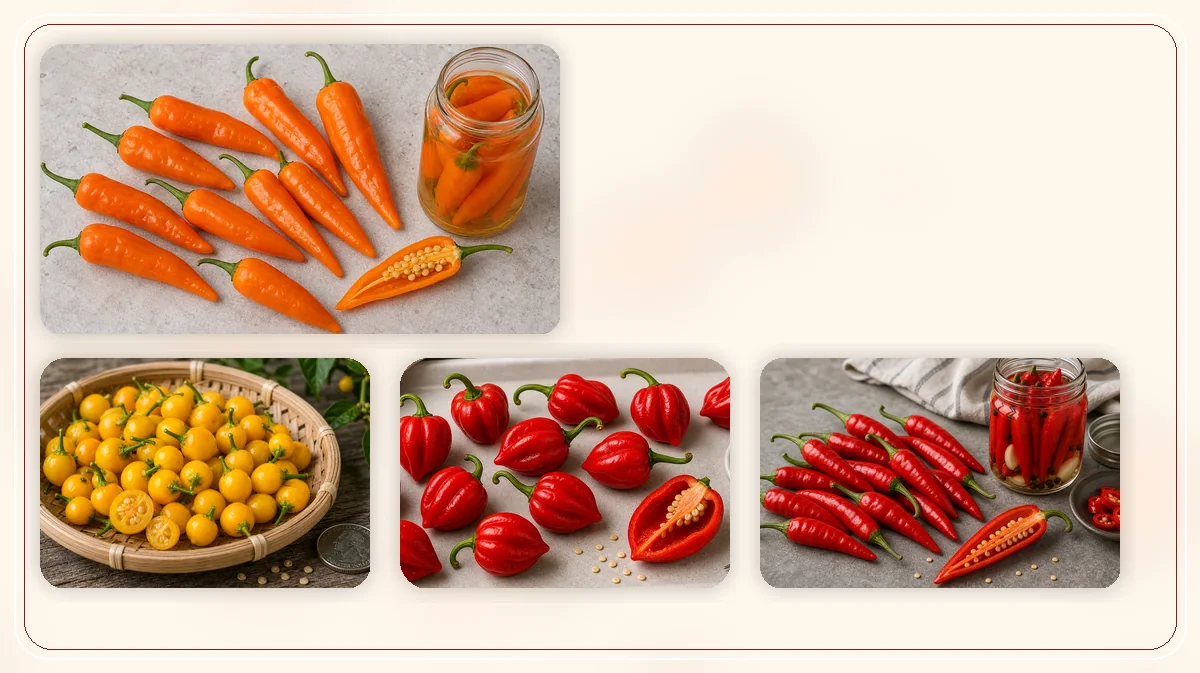
Trinidad Perfume
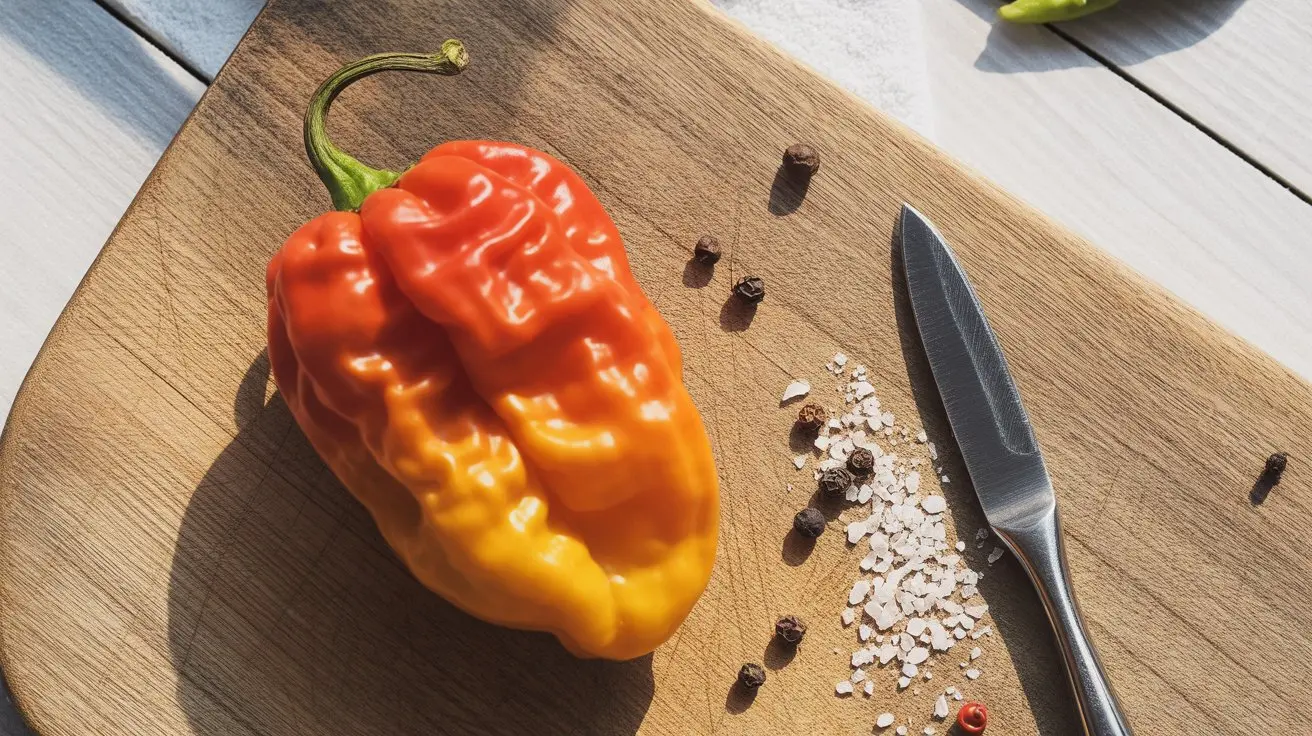
Closest MatchAt 0-500 SHU, the floral, fruity character of Trinidad Perfume is the closest botanical match available, it is also a C. chinense pepper that traded heat for fragrance. The aroma is noticeably perfume-like, which mirrors aji dulce's role in seasoning bases better than any other option on this list.
Use a 1:1 ratio by weight or count.
Trinidad Perfume is strongest in sofrito, recaito, beans, rice, and stews where aji dulce is supplying aroma before heat. It keeps the same heatless chinense perfume, so the seasoning base still smells like pepper rather than sweet bell alone.
Use it fresh when possible and mince it finely with onion, garlic, and herbs.
If the pods are small, match by trimmed weight instead of count.
Pimento Pepper
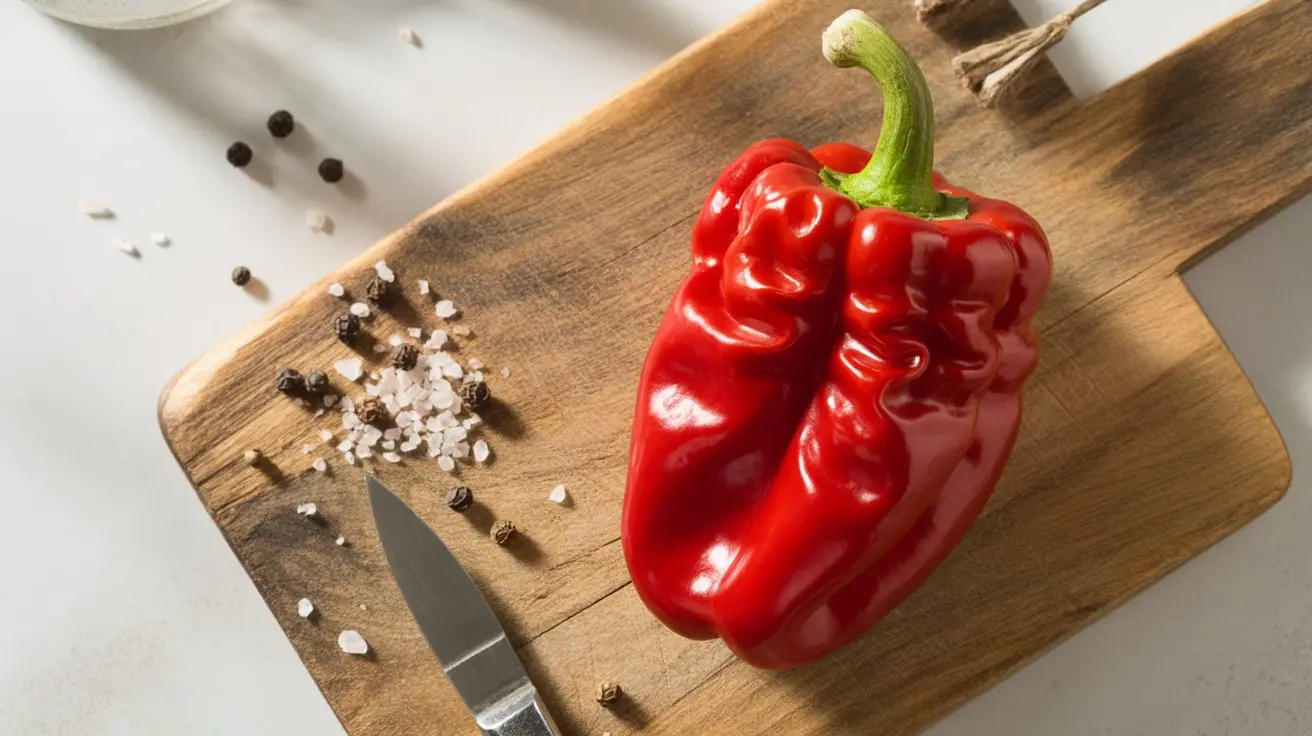
Runner-UpThe deep red sweetness of the pimento sits at 100-500 SHU and brings a thick, juicy flesh that works especially well in cooked applications, sofrito, stews, rice dishes.
The flavor is rounder and less floral than aji dulce, but the sweetness carries through reliably. Substitute at 1:1, though you may want to add a pinch of smoked paprika to approximate the aromatic depth.
Pimento is the best grocery-store style fallback when texture and sweetness matter.
It will not copy aji dulce's floral chinense note, but it brings red color, zero to very low heat, and a soft body that works in cooked seasoning bases. Use 1:1 by volume in stews and rice.
For sofrito, combine pimento with a small amount of Trinidad Perfume or habanada if you can find it.
Cherry Pepper
Also GreatSweet, compact cherry peppers share the 100-500 SHU range and a genuine sweetness that holds up during cooking. Their thicker walls mean they take longer to break down, so chop them finer when using in sofrito.
The flavor leans a touch more vegetal than aji dulce's aromatic brightness.
Jimmy Nardello
This Italian heirloom sits at 0-500 SHU and carries a distinctly fruity, candy-sweet flavor that surprises people who expect a pepper to taste more savory.
Thin-walled and prone to caramelizing quickly in a hot pan, Jimmy Nardellos are excellent for any application where aji dulce would be sautéed or roasted. Use at 1:1 by weight, but watch the heat, they color fast.
Lipstick Pepper
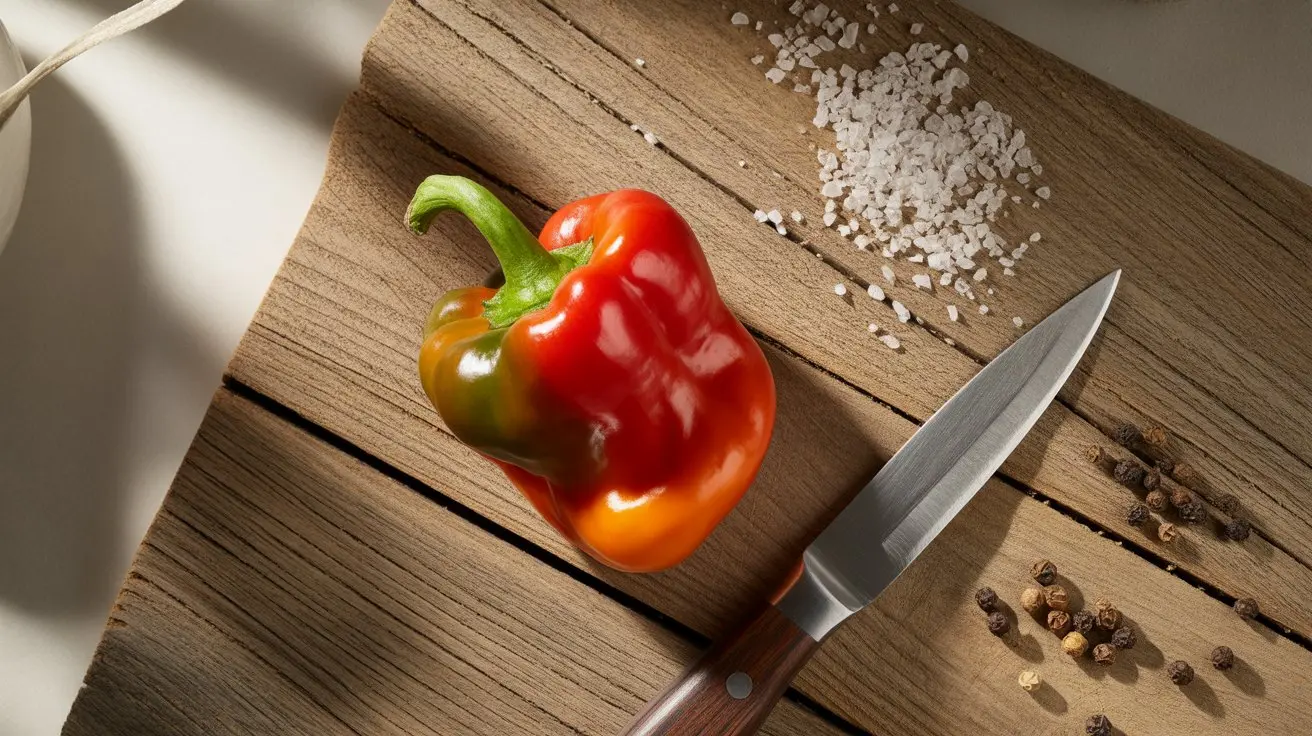
The bright red, intensely sweet lipstick pepper is a pimento-type with a cleaner, more concentrated sweetness than a standard bell pepper. At 0-500 SHU, it sits squarely in the mild tier, making it a safe swap when you need zero heat.
Substitute 1:1 by weight.
Works particularly well raw or lightly cooked, where its crisp texture adds something a softer aji dulce might not.
Banana Pepper
At 0-500 SHU, banana peppers bring a mild tanginess that differs from aji dulce's sweeter, more aromatic profile, but that tang can actually enhance pickled preparations or vinegar-forward dishes.
For cooked Caribbean recipes, the flavor gap is noticeable. Consider adding a small amount of sweet paprika to compensate.
Best used when aji dulce is not the primary flavor driver in a dish.
Corno di Toro
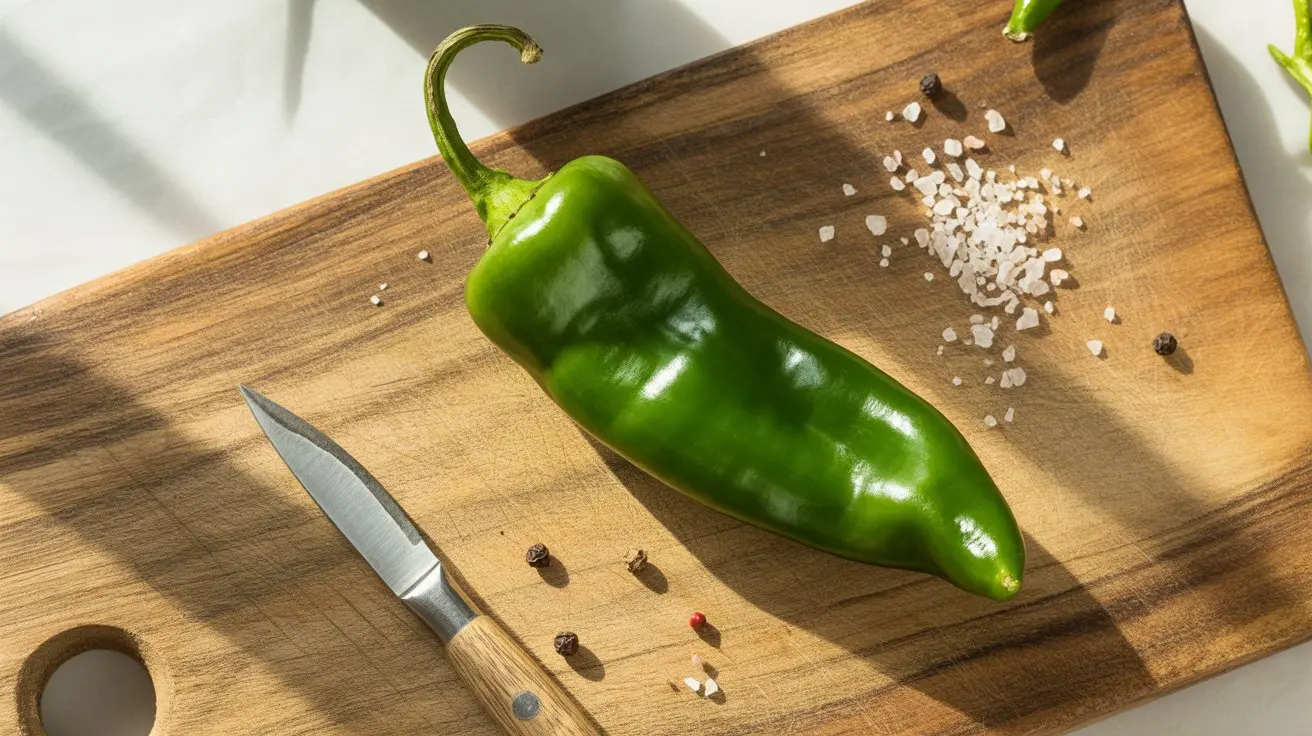
The long, curved corno di toro - Italian for "bull's horn" - delivers 0-500 SHU with a mild, sweet flavor that is dependable if not particularly aromatic.
Its size (often 6-8 inches) means one pepper replaces several aji dulces. Adjust by weight rather than count.
Use equal weight, roughly 3-4 aji dulces per one corno di toro.
This is the most practical supermarket fallback when nothing else is available, and it performs well in the regional pepper tradition of slow-cooked preparations where the pepper's aromatics have time to develop.
All seven options fall within the same zero-to-mild heat band. The botanical family these peppers belong to - specifically Trinidad Perfume, explains why that variety mimics aji dulce most faithfully.
The shared C. chinense genetics produce similar aromatic compounds even without the capsaicin.
Best Choice by Use
For sofrito, Trinidad Perfume is the best substitute because it keeps the same no-heat, high-aroma role. It can go into the food processor with onion, garlic, cilantro, and culantro without pushing the mixture toward bell pepper flavor.
For stews, beans, and rice, pimento pepper is the most dependable choice. It gives sweetness, color, and enough flesh to soften into the base of the dish.
If the recipe uses aji dulce mainly for fragrance, add one small piece of Trinidad Perfume or a pinch of ground annatto alongside the pimento.
For quick sauteed dishes, Jimmy Nardello is the better swap. Its thin wall browns quickly and adds sweetness without much water.
That makes it useful in eggs, pork, shrimp, and weeknight rice bowls where a thick pepper would stay too crisp.
Ratio and Prep Notes
Use 1:1 by weight for diced peppers in sofrito. If you only have large pimentos, one medium pimento usually replaces 4 to 5 aji dulces.
Remove seeds and pale inner ribs if the substitute has any heat. Aji dulce is valued because it tastes like a C. chinense pepper without behaving like a hot pepper, so even a small heat bump changes the job it performs in Caribbean seasoning bases.
Which Peppers Make Poor Aji Dulce Substitutes?
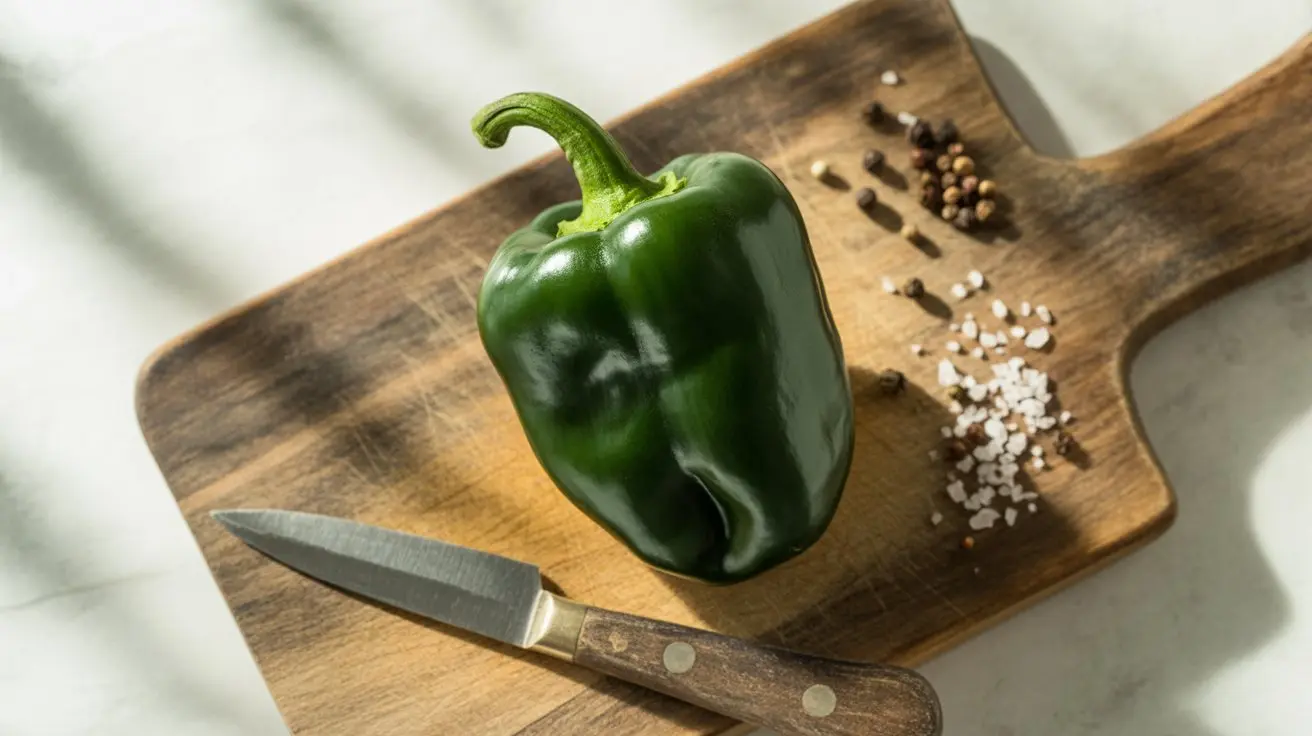
Bell peppers seem like the obvious swap given their sweetness and zero heat, but their flavor is flat and watery compared to aji dulce's concentrated aromatic quality. A sofrito built on bell peppers lacks the fragrant depth that makes Venezuelan and Puerto Rican cooking distinctive, you get sweetness without character.
Scotch Bonnet is tempting because it shares the same C. chinense species and a notably fruity aroma, and the head-to-head contrast between aji dulce and scotch bonnet makes this clear: scotch bonnets clock in at 100,000-350,000 SHU, roughly 700 times hotter than a chipotle. That heat overwhelms every dish aji dulce is meant for.
Pepperoncini rounds out the avoid list despite its mild 100-500 SHU range. The acidity is the problem, pepperoncini carries a sharp, briny tang (especially the jarred variety) that clashes with the sweet, aromatic base notes aji dulce contributes.
In pickled applications it can work, but as a cooking substitute it pulls the flavor profile in the wrong direction.
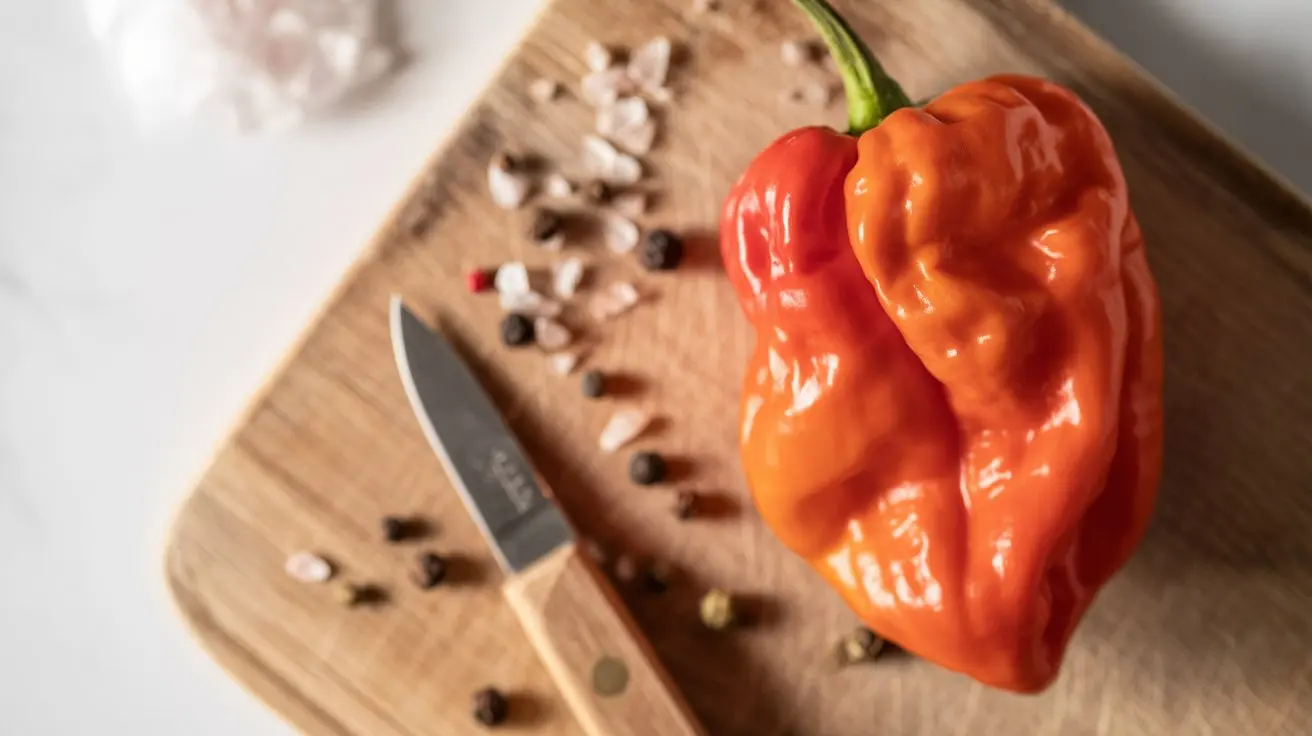
Orange habanero is too hot for most aji dulce uses, even though the aroma can seem close. A tiny shaving can perfume a large pot, but a full pepper will turn sofrito into hot sauce.
Jarred roasted red peppers can work in a cooked stew, but they are usually too soft and wet for fresh sofrito. Drain and pat them dry if they are the only option.
Avoid using Scotch Bonnet or habanero as a direct aji dulce replacement unless you are intentionally making the dish hot. They share chinense aroma, but the heat changes sofrito, stews, and family-style rice immediately.
If you need the aroma, use a heatless chinense pepper first and add hot pepper separately.
Substitution tip: When substituting Aji Dulce, start with less of a hotter substitute and add more to taste. For milder substitutes, increase the quantity.
Our swap ratio calculator gives precise conversion amounts, and the heat unit converter translates between Scoville and other scales.
Aji Dulce Substitute FAQ
- Varieties & Plant Breeding - Chile Pepper Institute, NMSU
- Capsicum chinense Species Overview
- Trinidad Perfume Pepper - Baker Creek Heirloom Seeds
- USDA