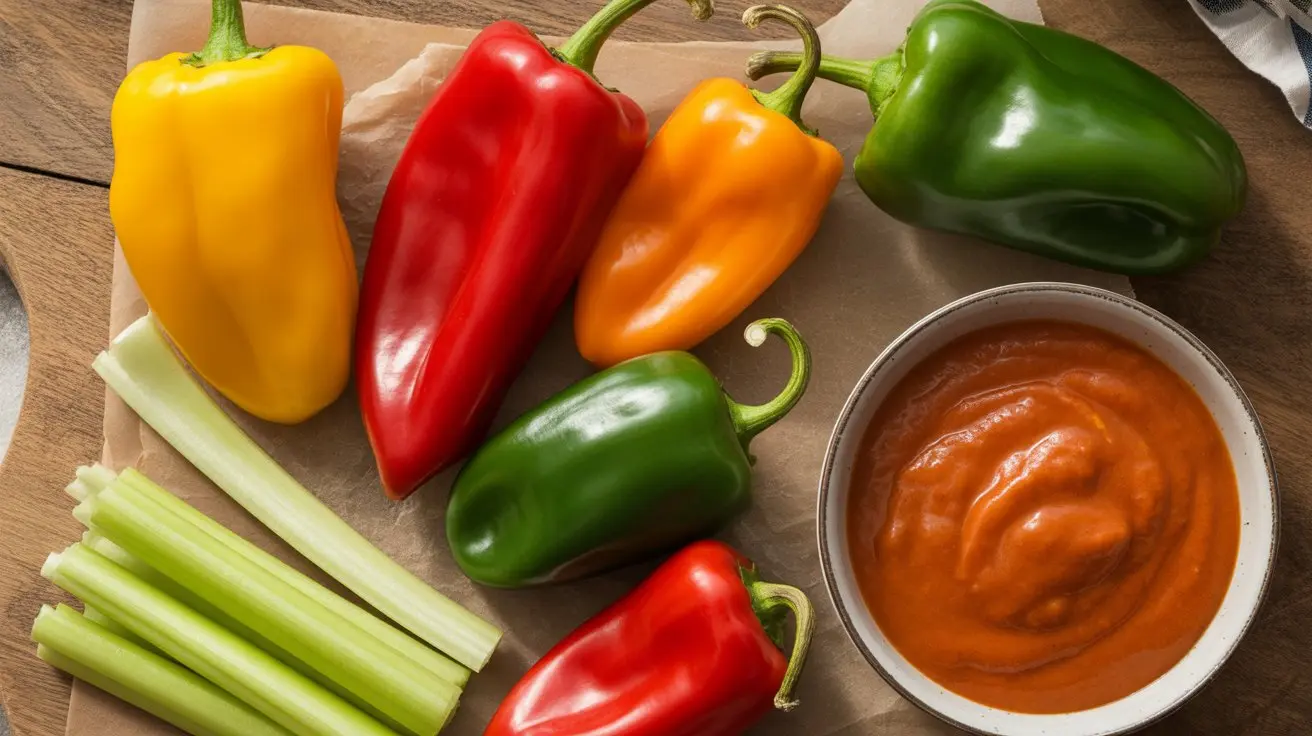
Best Peppers for Wings
Find the best peppers for wings, from cayenne buffalo sauce to ghost pepper challenge wings. Heat levels and sauce recipes.

Matching Heat to the Wing
Buffalo wings live or die by their sauce, and the pepper behind that sauce determines everything — the burn onset, the flavor depth, the lingering heat. Choosing the right pepper isn't just about Scoville numbers; it's about how that heat interacts with butter, acid, and chicken fat.
This guide breaks down the best peppers for wings across every heat tier, from crowd-pleasing mild to face-melting challenge territory, with specific sauce applications for each.
The Mild Tier: Flavor Without the Fire
Not every wing night calls for suffering. Mild-intensity peppers deliver color, sweetness, and subtle warmth that lets the chicken and butter carry the sauce.
The sweet, nearly heatless Purple Beauty might seem like an odd wing pepper, but roasted and blended into a compound butter, it adds a deep, almost smoky sweetness that works beautifully under a light glaze. It registers essentially zero heat, so pair it with a small amount of cayenne if you want any kick at all.
Ancho and guajillo dried peppers sit in the same mild zone — both under 2,500 SHU — and bring an earthiness that standard buffalo sauce completely lacks. A guajillo-butter sauce with a splash of apple cider vinegar makes a genuinely interesting mild wing that doesn't taste like a compromise.
Medium Heat: The Classic Buffalo Zone
Most commercial buffalo sauces land in the medium heat range, roughly 2,500-30,000 SHU. Cayenne pepper is the backbone of this tradition, typically sitting around 30,000-50,000 SHU but diluted significantly in finished sauces.
Frank's RedHot, the sauce credited with the original Anchor Bar recipe, is cayenne-based. The heat is present but doesn't overwhelm — it's the kind of burn that builds slowly and fades cleanly, which is exactly what you want for a plate of 12 wings you're planning to finish.
Fresno peppers offer a comparable heat level with noticeably more fruit. Fresh Fresnos run 2,500-10,000 SHU, making them milder than cayenne, but their flavor is richer and slightly smokier. A fresh Fresno hot sauce blended with roasted garlic and butter makes a medium wing that tastes more complex than anything from a bottle.
The Tien Tsin chili's sharp, clean heat is another strong medium-tier option. These small dried Chinese peppers, common in Sichuan cooking, bring a direct, almost metallic burn that cuts through fatty chicken skin. Infuse them in oil with Sichuan peppercorns and you've got the base for a genuinely different style of wing sauce.
Hot Tier: Where Most Wing Challenges Start
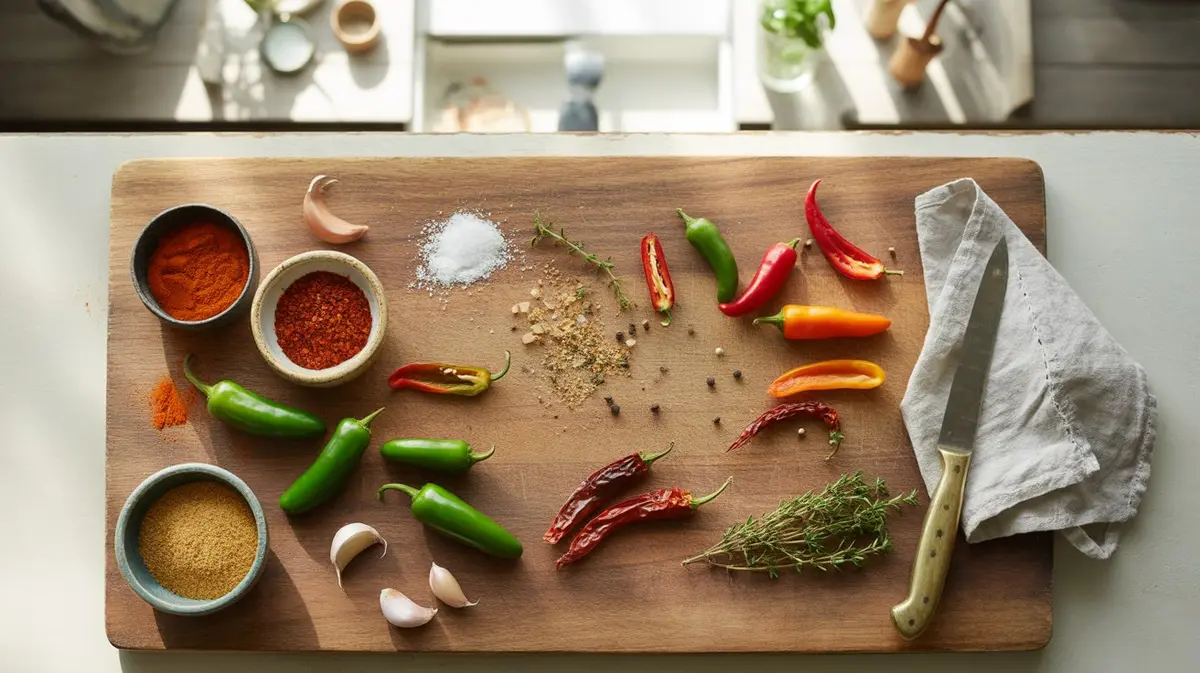
Once you cross into the hot pepper intensity bracket — 30,000 to 100,000 SHU — wings stop being casual food. This is the territory of serious wing menus and first-time challenge orders.
Cayenne at full concentration lands here, but more interesting options exist. The Dundicut pepper's rich, rounded heat is a Pakistani variety that deserves more attention in wing applications. It brings a deep red color and a warm, persistent burn without the sharp edge some hot peppers carry. Ground Dundicut in a butter sauce produces a beautiful dark-red wing that looks as aggressive as it tastes.
Tabasco peppers (the variety, not just the sauce) sit around 30,000-50,000 SHU and have a thin flesh that ferments exceptionally well. Fermented Tabasco mash in a wing sauce adds both heat and a funky, tangy complexity that straight hot sauce can't replicate.
The Guntur chili's intense South Indian heat is worth serious consideration here. Guntur Sannam peppers from Andhra Pradesh register 35,000-50,000 SHU and are fundamental to Indian cooking — their heat is sharp and immediate. A Guntur-butter sauce with curry leaf and black pepper creates a genuinely different wing profile that's become popular in fusion wing spots. For more on Indian pepper traditions, the Guntur region produces some of the world's most commercially significant hot peppers.
Extra Hot: Habanero Territory and Beyond
The extra-hot pepper range starts around 100,000 SHU, and this is where habaneros live. At 100,000-350,000 SHU, habaneros bring not just heat but a distinctive floral, fruity character that makes them arguably the best flavor-to-heat pepper for wing sauces.
A mango-habanero wing sauce is a legitimate classic. The fruit's sweetness tames the initial spike while the habanero's heat builds on the back end. The result is a sauce that seems approachable for the first few seconds, then reminds you exactly what you ordered.
The Manzano pepper's apple-like fruity warmth operates in a similar range to habaneros — around 12,000-30,000 SHU — though on the lower end of extra-hot territory. What makes Manzano interesting for wings is its thick flesh and distinctly fruity flavor profile. Roasted Manzano blended with honey and lime creates a sticky glaze that caramelizes beautifully on the grill.
The Aji Amarillo's bright, fruity South American heat lands around 30,000-50,000 SHU with an almost tropical flavor — mango, passion fruit, and citrus with a clean, direct burn. Aji Amarillo paste (widely available in Latin grocery stores) stirred into butter with a little garlic makes one of the more distinctive wing sauces in this guide. The South American pepper tradition has produced some genuinely underused options for wing cooks.
Super Hot: Challenge Wing Territory
Above 800,000 SHU, you're in super-hot pepper territory — ghost peppers, scorpions, Carolina Reapers. These are the peppers behind restaurant challenge wings, the ones that come with waivers.
Ghost pepper (Bhut Jolokia) sits around 1,000,000 SHU. At that level, a small amount goes a very long way. Ghost pepper hot sauces work for wings because the ghost's flavor — fruity, slightly smoky — actually complements chicken. The heat is delayed, building over 5-10 minutes, which makes ghost pepper wings particularly brutal: they seem manageable until they aren't.
Carolina Reaper wings are the current benchmark for challenge menus. At 1,400,000-2,200,000 SHU, Reaper-based sauces require serious dilution to be edible as a wing coating rather than a punishment. Most restaurant Reaper wings use Reaper extract or mash blended with a large volume of cayenne-based sauce, achieving something in the 500,000-800,000 SHU range that's still genuinely dangerous to eat.
Understanding why capsaicin triggers pain receptors helps explain why super-hot wings hit differently than just "really spicy" — the TRPV1 receptor response at these concentrations causes a physiological stress reaction, not just a flavor experience.
Building a Wing Sauce: The Pepper-to-Butter Ratio
The classic buffalo ratio is roughly 2 parts hot sauce to 1 part melted butter, whisked together off heat. The butter fat coats the capsaicin molecules and moderates heat delivery — which is why dry-rub wings with the same pepper hit harder than sauced wings.
For fresh or dried pepper-based sauces (rather than commercial hot sauce), the process is: blend peppers with vinegar and salt, strain or leave chunky, then emulsify into butter over low heat. The vinegar percentage matters — too little and the sauce is flat; too much and it overwhelms the pepper flavor. Aim for about 20% vinegar by volume in the pepper mash before adding butter.
Fermented pepper sauces behave differently. The fermentation drops pH naturally, so you need less added vinegar. Fermented hot sauces also have better heat stability — they hold their flavor through the high-heat cooking that fresh sauces can't always survive.
Sauce Recipes by Heat Level
Classic Cayenne Buffalo: 1 cup cayenne hot sauce, 1/2 cup unsalted butter, 1 tsp garlic powder, 1 tsp Worcestershire. Whisk butter into hot sauce off heat. Toss wings immediately.
Aji Amarillo Honey Glaze: 3 tbsp Aji Amarillo paste, 2 tbsp honey, 1 tbsp lime juice, 1/4 cup butter. Simmer paste and honey 2 minutes, add lime and butter off heat. Apply twice during the last 10 minutes of cooking — the honey caramelizes into a sticky, fruity-hot crust.
Guntur Butter: Toast 8 dried Guntur chilies in dry pan 30 seconds. Grind to powder. Combine 2 tsp powder with 1/2 cup butter, 1 tsp curry leaf powder, and 1/2 tsp black pepper. This sauce has a slower, deeper burn than cayenne-based options.
Ghost Pepper Challenge Sauce: Start with 1 cup cayenne buffalo base. Add 1 tsp ghost pepper powder (not paste — more concentrated). Whisk thoroughly. This produces a sauce that's genuinely hot without being purely a stunt. Double the ghost pepper if you want the full challenge experience.
Dry Rubs vs. Sauces: Pepper Selection Changes
Dry-rubbed wings require different pepper thinking. Without the fat from butter, capsaicin hits mucous membranes more directly — the same pepper reads hotter in a rub than in a sauce.
For dry rubs, choose peppers with complex flavor profiles that shine without liquid. Ancho, guajillo, and Aleppo are all excellent rub peppers in the mild-medium range. Chinese pepper varieties like Tien Tsin work well in dry rubs too, especially combined with five-spice and brown sugar for a char-siu-inspired wing.
At the hot end of dry rubs, Guntur chili powder and Kashmiri chili (for color and moderate heat) make a compelling combination. The Kashmiri adds deep red color without overwhelming heat; the Guntur brings the burn. Mixed 2:1 Kashmiri to Guntur with garlic powder, cumin, and salt, you've got a rub that looks dangerous and delivers on it.
Regional Wing Traditions and Their Peppers
Buffalo-style wings are American, but wing culture has spread globally and absorbed local pepper traditions along the way.
Korean-style wings (yangnyeom) use gochujang — a fermented paste made from Korean chili peppers — as the sauce base. Gochujang sits around 1,000-10,000 SHU depending on the grade, with a deep, savory, slightly sweet heat that's completely different from vinegar-based hot sauce. Korean pepper traditions prioritize fermented complexity over raw heat intensity.
Thai-style wings draw on bird's eye chilies, which pack 50,000-100,000 SHU into a tiny package. The Thai pepper tradition favors fresh chili used in combination with fish sauce, lime, and sugar — a balance of hot, sour, salty, and sweet that translates directly into an exceptional wing sauce.
Nashville hot chicken uses cayenne-heavy lard-based paste applied to fried chicken — the fat base is key, and the pepper load is substantial. Adapting this to wings means using the same paste but applying it after frying, while the skin is still hot enough to absorb the fat.
Sourcing and Prep Notes
Fresh peppers for wing sauces should be made day-of — fresh pepper sauces oxidize and lose brightness within 24 hours. Dried pepper sauces and fermented sauces hold much longer, often improving after a few days in the refrigerator.
For super-hot peppers, use gloves. Ghost pepper oil on your hands transferred to your eyes is a medical situation, not an inconvenience. Work in a ventilated space — blending hot peppers releases capsaicin aerosols that will affect anyone in the kitchen.
Dried peppers should be toasted briefly in a dry pan before grinding or rehydrating. Thirty seconds over medium heat activates volatile compounds that would otherwise stay locked in the dried flesh. It makes a measurable difference in flavor depth.
The Scoville scale rating system is useful for comparing peppers, but remember that SHU measurements represent maximum values from tested samples. Real peppers vary significantly based on growing conditions, ripeness, and individual plant genetics. A Fresno from a stressed plant can be twice as hot as one grown with consistent water and nutrients.
Frequently Asked Questions
-
Classic buffalo sauce is cayenne-based. Frank's RedHot, used in the original Anchor Bar recipe, is made from aged cayenne peppers and sits around 450 SHU in finished sauce form after dilution with butter.
-
Most restaurant challenge wings target 500,000-1,000,000 SHU in the finished sauce, typically achieved with ghost pepper or Carolina Reaper mash blended into a cayenne base. Pure Reaper sauce at full concentration would be nearly impossible to eat.
-
Yes, but blend fresh peppers with vinegar and salt first, then emulsify into butter. Fresh pepper sauces oxidize quickly, so make them the same day you're cooking wings for best flavor and color.
-
Butter fat in wing sauce coats capsaicin molecules and slows their absorption by pain receptors. Without that fat buffer, dry-rub capsaicin hits mucous membranes more directly, producing a sharper, faster burn.
-
Standard orange habaneros at 100,000-350,000 SHU are ideal - their floral, fruity flavor complements mango without competing with it. Red habaneros tend to be slightly hotter and work equally well if you want more heat intensity.