
Chipotle vs Pasilla: Should Smoke or Raisin-Like Depth Lead the Dish?
Choose chipotle when smoke should lead the dish, especially for adobo, beans, marinades, and tomato-based sauces. Choose pasilla for mild dark-chile depth in mole, enchilada sauce, and layered salsa, where raisin-like fruit and sauce body matter more than smoke.

Chipotle
MediumPasilla Pepper
MediumQuick Comparison
| Attribute | Chipotle | Pasilla Pepper |
|---|---|---|
| Scoville evidence | 2.5K-8K SHU | 1K-2.5K SHU |
| Heat Tier | Medium | Medium |
| vs Jalapeño | 1x hotter | n/a |
| Flavor | smoky and sweet | earthy and rich |
| Species | C. annuum | C. annuum |
| Origin | Mexico | Mexico |
Is Chipotle Hotter Than Pasilla?
Chipotle is usually the hotter choice, but the two ranges touch at the boundary. University of Wisconsin Extension places jalapeño and chipotle at 2,500 to 10,000 Scoville Heat Units, while the same chart places pasilla at 1,000 to 1,500 SHU and other extension references commonly extend pasilla to about 2,500 SHU.
The practical difference is larger than the overlapping numbers suggest because drying changes how you dose each chile. A compact chipotle concentrates jalapeño heat and smoke in a small pod, while a long pasilla spreads milder warmth through more chile flesh and usually contributes more sauce body after soaking.
Scoville numbers describe pungency, not the effect of adobo sauce, serving size, or chile form. A spoonful of canned chipotle may include chile flesh plus seasoned sauce, while a recipe using whole pasilla often measures the cleaned and soaked flesh, so pod-for-pod comparisons create a poor starting ratio.
For a heat-sensitive dish, begin with pasilla and add a separate hot chile only if the recipe needs more burn. For a dish that already wants smoke, begin with a small amount of chipotle because reducing an established smoke flavor is harder than adding more chile.
Use the overlap correctly
The published heat ranges touch near 2,500 SHU, but that does not make the chiles interchangeable. Choose by smoke and form first, then adjust the amount for the actual package and dish.
How Do Chipotle and Pasilla Taste Different?
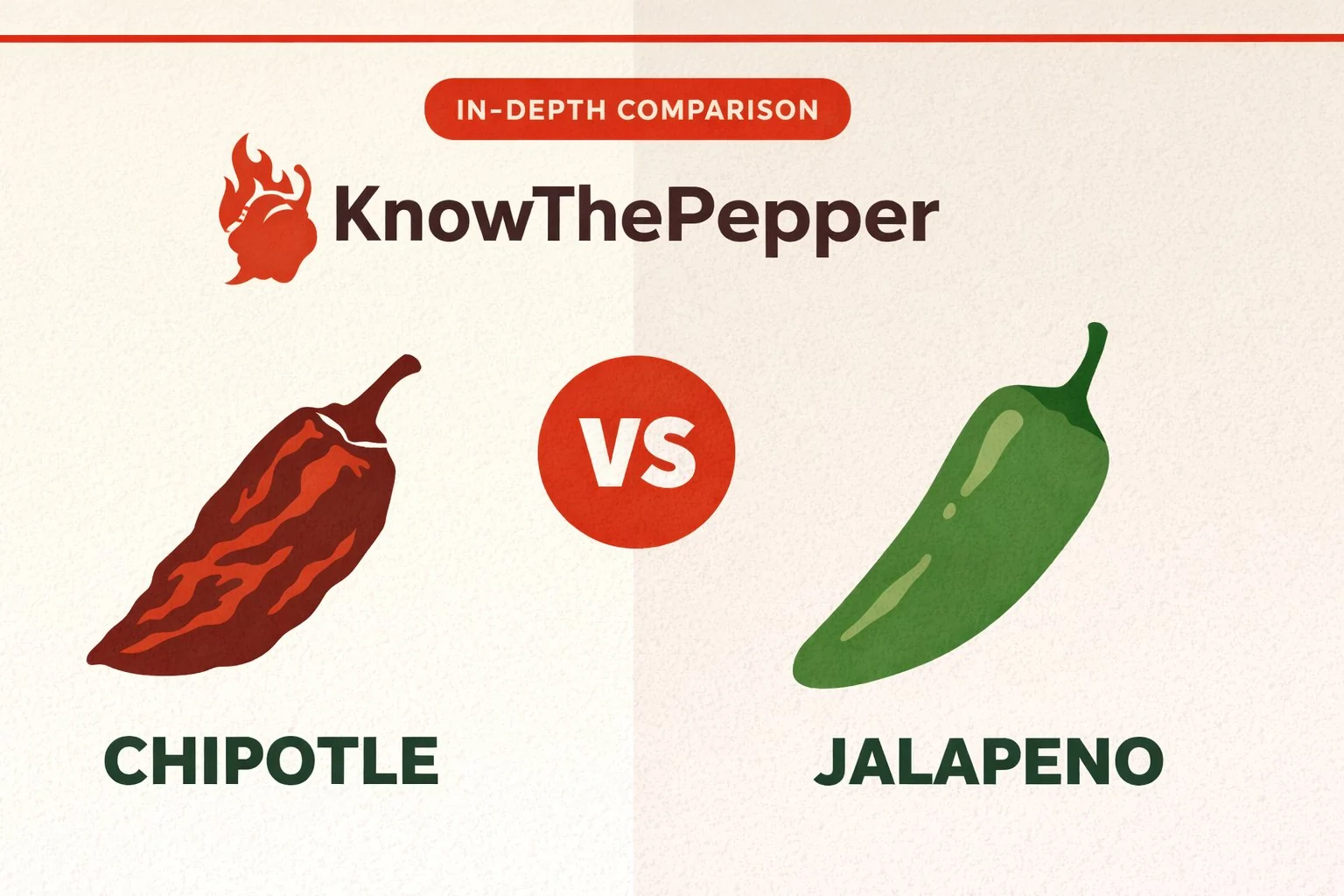
The New Mexico State University Chile Pepper Institute defines chipotle as a smoke-dried red jalapeño. That processing choice makes smoke the leading difference, followed by ripe-jalapeño sweetness and a compact dried-fruit character.
NMSU describes pasilla as a mild dried chile whose name refers to its resemblance to raisins in texture and aroma. True pasilla contributes dark fruit, earth, tea-like tannin, and a restrained cocoa impression without supplying chipotle's wood smoke.
Those flavor paths solve different sauce problems. Chipotle gives a bright tomato salsa, beans, or a meat marinade an immediate smoky center, while pasilla deepens a sauce that already contains toasted seeds, nuts, tomato, tomatillo, or warm spices.
Long cooking does not make the two converge. Chipotle smoke can become the identity of a braise, while pasilla's darker fruit and mild bitterness settle into the background and support other dried chiles.
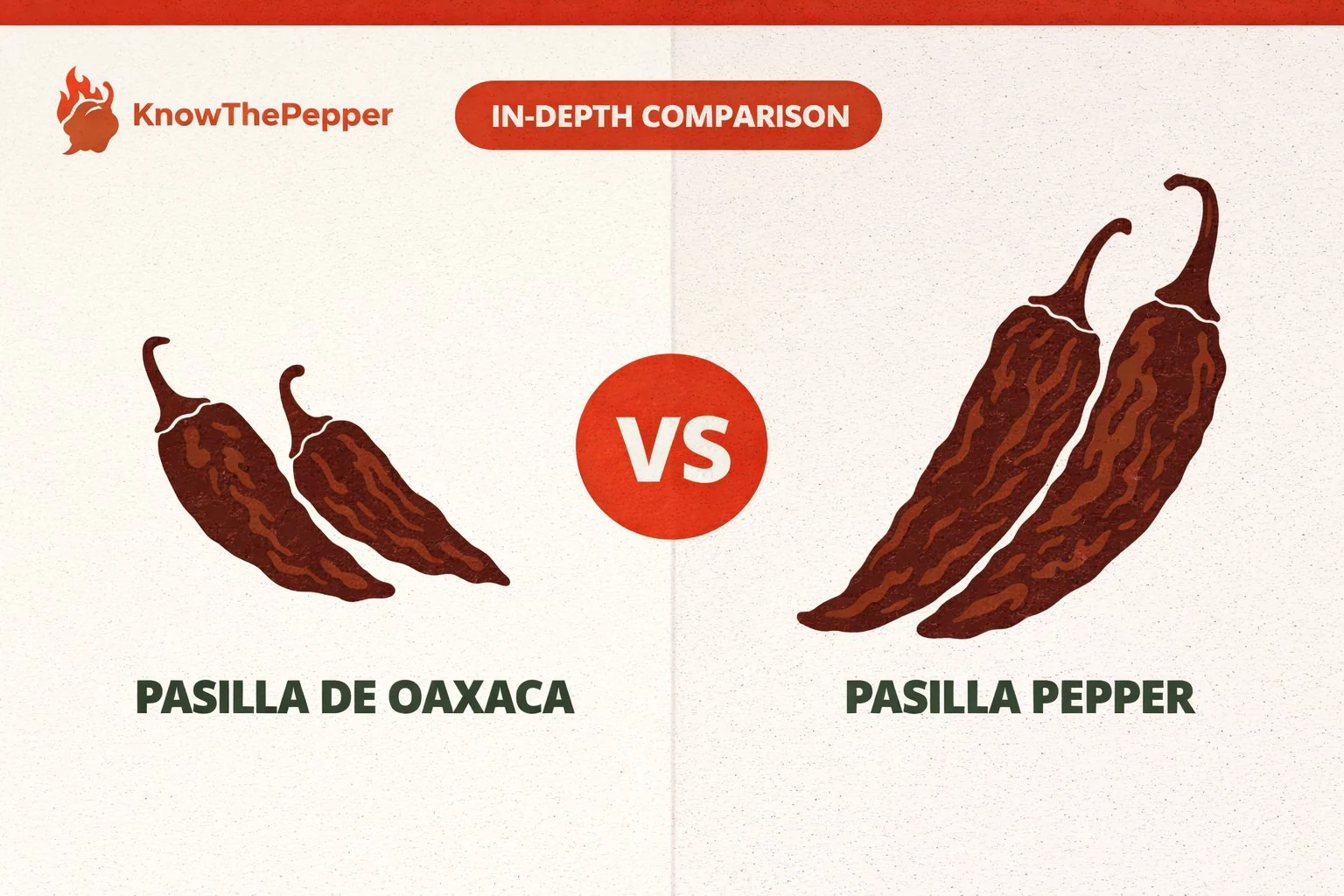
The phrase pasilla de Oaxaca can complicate shopping because that regional chile is smoked, unlike the standard unsmoked pasilla described here. Read the full product name before treating every package marked pasilla as the same ingredient.
Prepare the form you bought
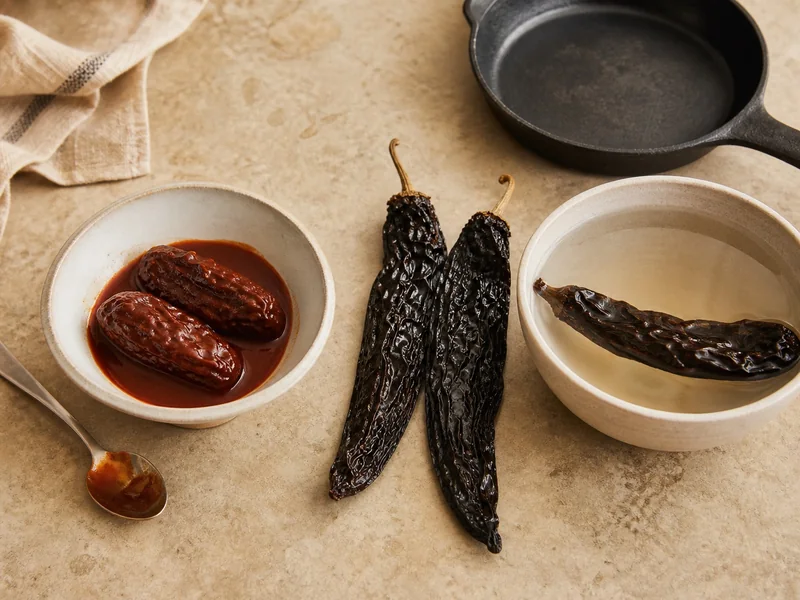
Canned chipotle in adobo can go directly into a sauce, but it also adds the seasoned liquid around the chile. Whole pasilla usually needs a brief toast, a hot soak, and blending before its dark fruit and chile body become useful.
Culinary Uses
Choose chipotle for dishes in which smoke belongs in the answer. It works naturally in adobo-based sauces, black or pinto beans, tomato salsa, mayonnaise, barbecue sauce, grilled-meat marinades, and braises that can carry both smoke and moderate heat.
Choose pasilla when the dish needs a dark chile foundation rather than a smoked accent. NMSU lists pasilla as a staple for mole, table sauces, salsas, seasoning powders, and similar Mexican preparations, and University of Arizona Extension uses dried pasilla in a mole built with mulato, poblano, nuts, seeds, tomato, spices, and cocoa.
The form determines the first cooking step. Canned chipotle in adobo is already hydrated and brings its surrounding tomato, vinegar, garlic, salt, and spice mixture into the recipe, so add the sauce deliberately instead of treating the can as plain chile.
Whole dried chipotle and whole pasilla both benefit from stem removal and brief inspection for dust or damaged areas. Pasilla is commonly toasted only until fragrant, then softened in hot water before blending, while a dried chipotle can be soaked for the same purpose but still carries smoke into the finished puree.
Powders remove the soaking step but also remove the pulp that thickens a blended chile sauce. Use chipotle powder when you need distributed smoke in a rub or seasoning blend, and use pasilla powder when you need mild dark-chile flavor without changing a sauce's texture as much as soaked pods would.
Avoid hard frying either dried chile until it blackens because burnt skin adds an acrid note that blending cannot remove. A short fragrant toast is enough for pasilla, and a smoked chipotle already brings the processing flavor that a pan cannot reproduce.
Which Should You Choose, Chipotle or Pasilla?
Choose chipotle when smoke should be obvious and the dish can accept a firmer heat contribution. A small dose can define beans, adobo, a marinade, a tomato salsa, or a creamy sauce without needing several supporting dried chiles.
Choose pasilla when the sauce needs dark chile depth without a smoky lead. It is the stronger fit for layered mole, enchilada sauce, dark salsa, and braised sauces where raisin-like fruit and mild earth should support nuts, seeds, tomato, or spices.
If the recipe names canned chipotle in adobo, the sauce around the pepper is part of the ingredient. If it names whole pasilla, the recipe usually expects the body and flavor of a toasted, softened, and blended dried pod.
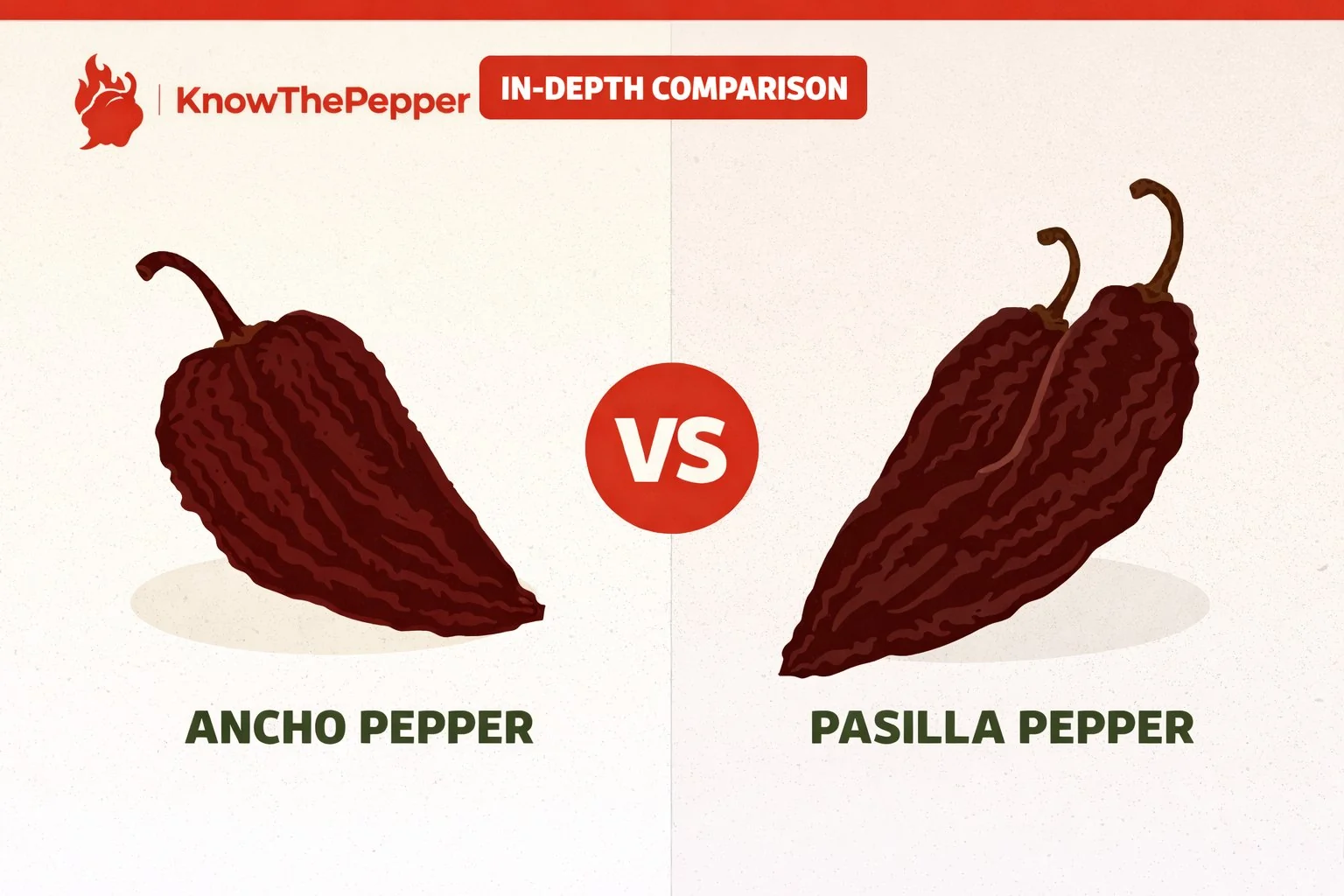
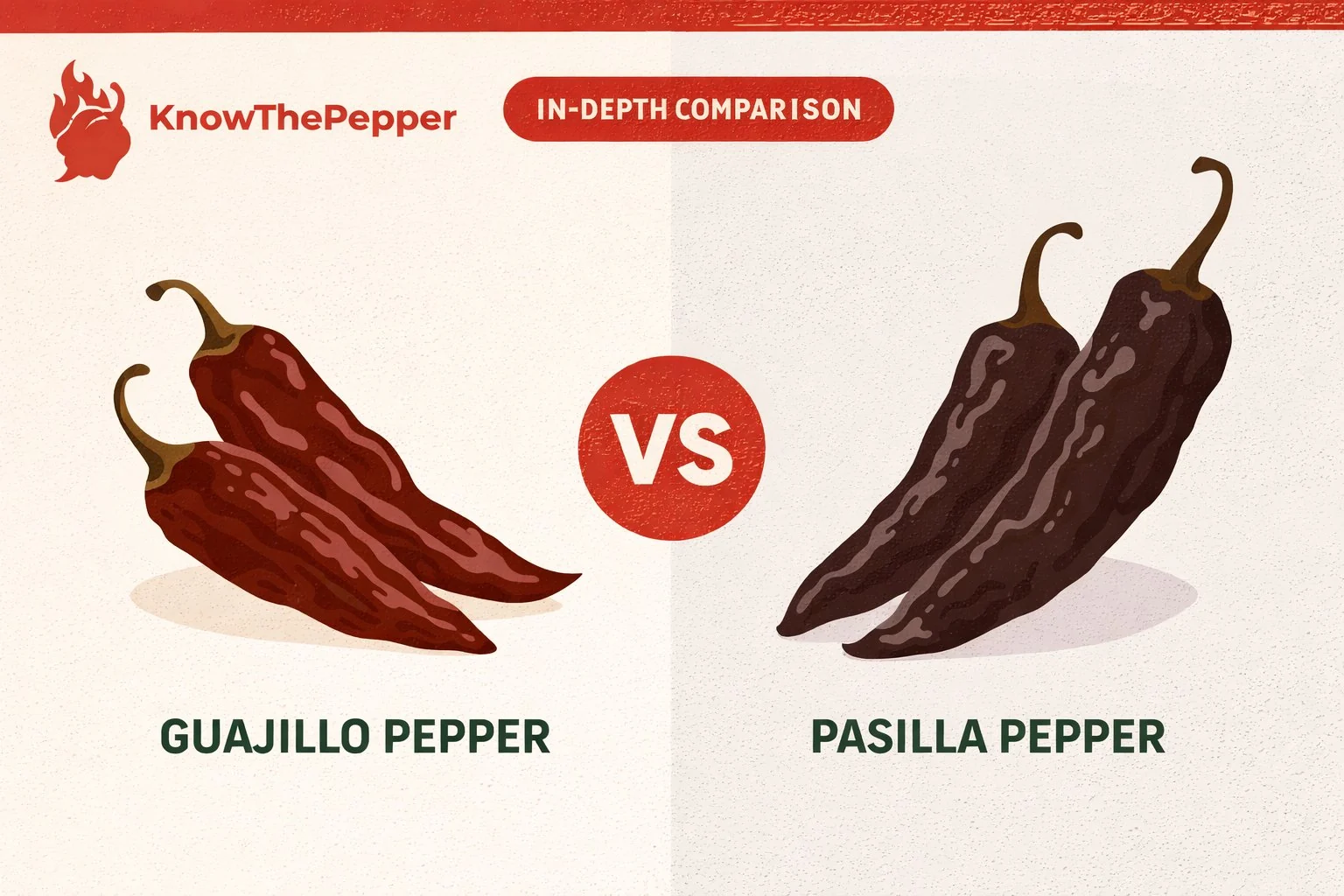
A label decision can prevent the most common buying error. True pasilla is the dried form of chilaca and should look long, narrow, dark, and wrinkled, while chipotle is a shorter smoked red jalapeño sold as morita, meco, powder, or canned in adobo.
For a dish with few ingredients, keep the named chile because its processing method remains exposed. For a complex sauce, a careful substitution can work when you separately correct smoke, heat, liquid, salt, acidity, and chile body.
Buying And Storage
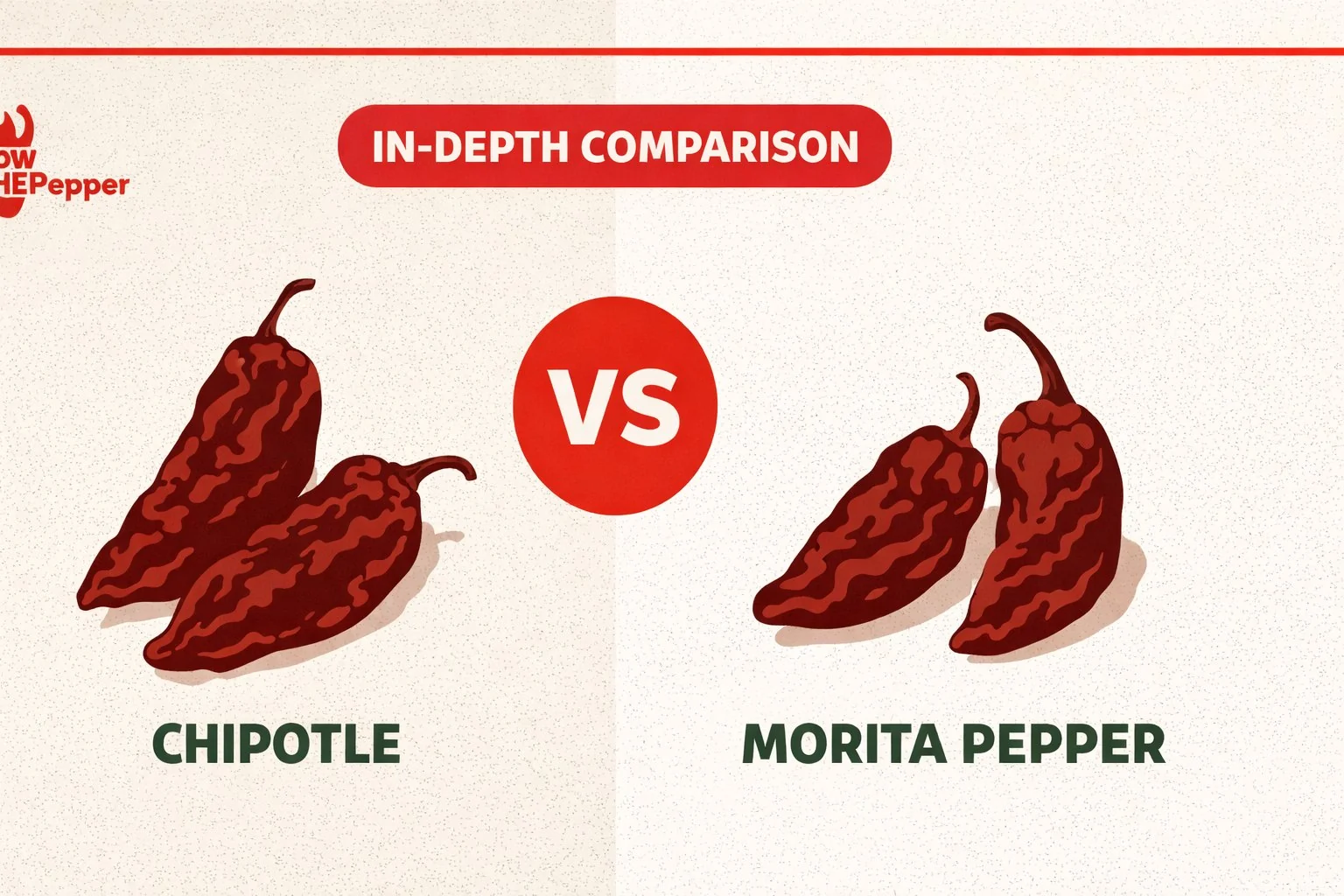
Buy by form rather than relying on the largest word on the package. Short dark-purple morita chipotles are typically fruitier and more pliable, tan meco chipotles are usually drier and more smoke-forward, and canned chipotles arrive with seasoned adobo that changes both flavor and liquid balance.
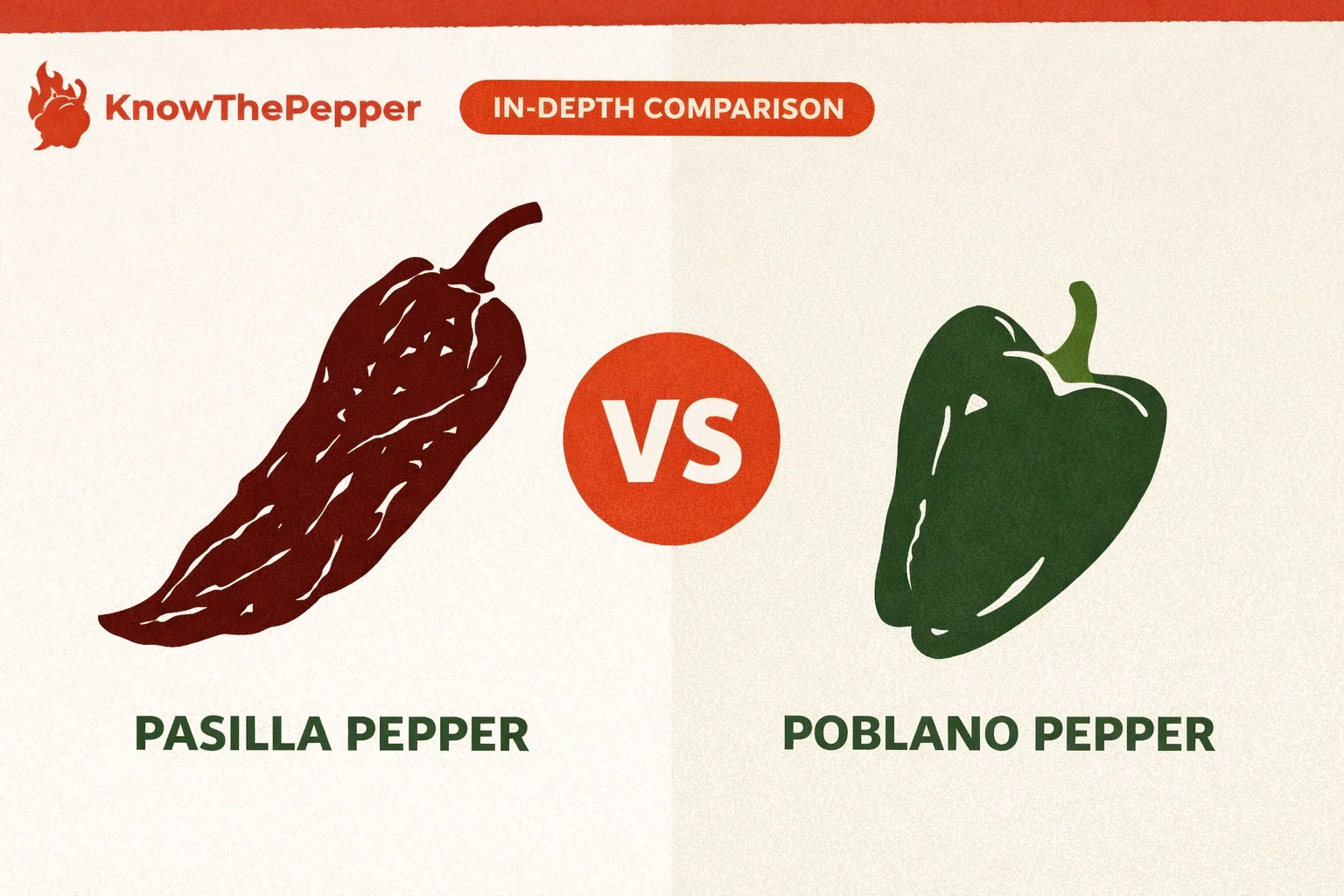
True pasilla should be long, narrow, dark brown to nearly black, and flexible rather than dusty or brittle. A broad heart-shaped pod sold as pasilla is likely a poblano or ancho label problem, so its shape does not match the chilaca-derived chile this comparison covers.
Store whole dried chiles airtight, away from heat and direct light, and replace them when their aroma fades or the pods smell dusty. Refrigerate an opened can of chipotle in a clean sealed container according to its package directions, because canned adobo and shelf-stable dried pods do not share one storage rule.
Before cooking, smell the chile and check every fold for mold or insect damage. Good dried chiles should still smell distinctly fruity, earthy, or smoky before they reach the pan.
Substitution
A direct one-for-one pod swap is unreliable because chipotles are short, hotter, and smoked, while pasillas are long, milder, and contribute more unsmoked chile flesh. Match cleaned weight and recipe role before adjusting flavor.
When using chipotle as a pasilla substitute, start with a smaller cleaned weight and add unsmoked mild dried chile or more sauce base if the recipe needs body. Skip extra smoked paprika because chipotle already supplies the flavor that most often overwhelms this swap.
When using pasilla as a chipotle substitute, start near the same cleaned weight only in a blended sauce, then decide whether the dish actually needs smoke. A small amount of smoked paprika can supply smoke without importing canned adobo's vinegar, tomato, salt, and liquid, but it still will not reproduce a smoked jalapeño exactly.
UC Agriculture and Natural Resources advises that dried seasonings can be changed reasonably while warning that chipotle powder's smokiness will remain in the finished food. That is the governing limit here because flavor direction fails before a simple Scoville calculation solves the substitution.
In tested canning recipes, follow the published ingredient amounts and process rather than using this cooking swap guidance. UC ANR notes that fresh-pepper volume or weight can be a safety constraint, so an informal substitution rule must not replace a tested preservation formula.
Correct the missing property
Replacing pasilla with chipotle requires less smoke and often more sauce body. Replacing chipotle with pasilla requires a separate smoke decision and may require an acidity or salt correction when the original ingredient was canned in adobo.
Chipotle vs Pasilla Pepper FAQ
- Chile Terminology - New Mexico State University Chile Pepper Institute
- Pasilla - New Mexico State University Chile Pepper Institute
- Pepper Substitutions - University of California Agriculture and Natural Resources
- Mexican Mole - University of Arizona Cooperative Extension
- Postharvest Handling of Dehydrated Chiles - New Mexico State University Extension
- Peppers by Scoville Units - University of Florida IFAS Extension