

Chipotle Pepper Substitute: Smoked Dried Chile Swaps
For whole chipotle pepper substitutes, start with morita when you can find it, or pair ancho with smoked paprika when you need a pantry fix. A chipotle is a smoked dried jalapeno, so dry chile body and smoke matter more than raw heat alone.
Heat at a glance
What Can You Use Instead of Chipotle?
Morita or meco
Closest MatchMorita is the closest named pepper because it is part of the same smoked jalapeno family. It keeps the sweet smoke, red chile color, and soft dried-pod body that a sauce or salsa expects after soaking.
Use morita when a recipe calls for whole chipotles that get toasted, soaked, blended, or chopped. Meco-style chipotles are often smokier and drier, so they can taste stronger even when the heat range feels similar.
Ancho plus smoke
Runner-UpAncho gives dried chile body better than it gives smoke. That makes it useful in chili, beans, braises, and enchilada sauce where the pepper needs to thicken and darken the base.
Add smoked paprika or a small amount of smoked salt to cover the missing wood note. Without that support, ancho tastes sweeter and rounder than chipotle, and the dish loses its smoked jalapeno edge.
Guajillo with smoke
Also GreatGuajillo changes the color and acid balance. It brings red fruit and mild tannin, which helps salsas and adobo-style sauces that need brightness as well as dried chile flavor.
This substitute works best when the recipe already has garlic, tomato, or vinegar. Add smoke separately, then taste before adding extra heat because guajillo can make the sauce feel leaner than chipotle.
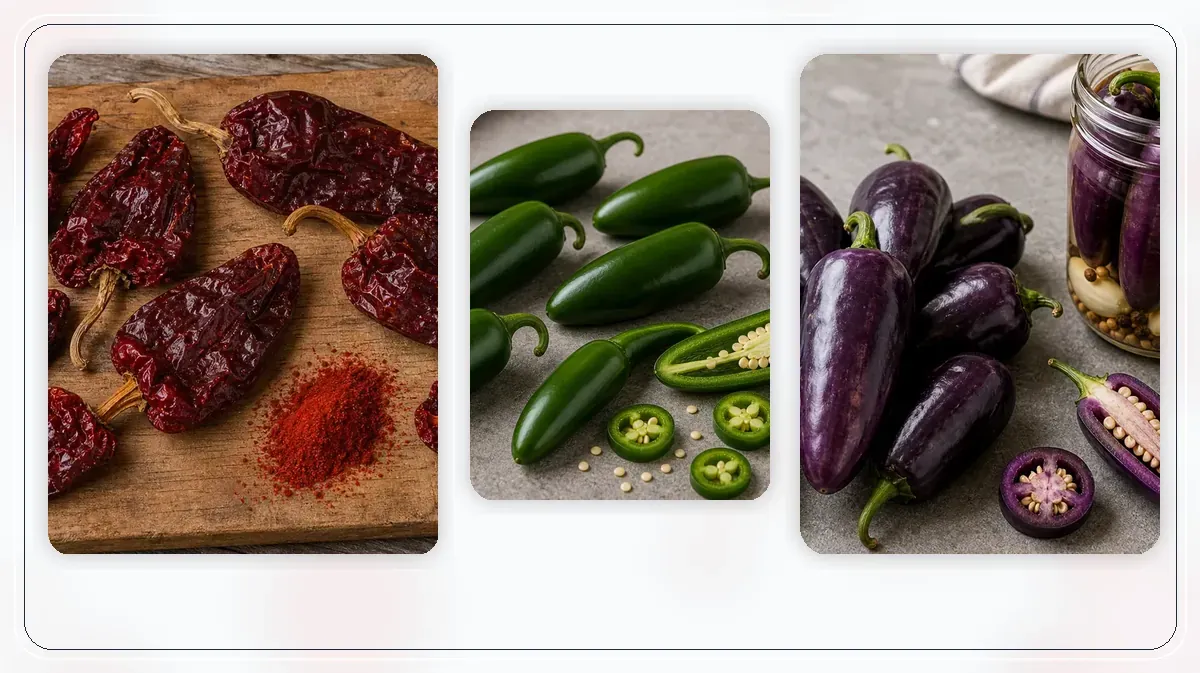
Pasilla de Oaxaca
Pasilla de Oaxaca brings real smoke, but it is not a mild background swap. Its 15,000-25,000 SHU range can push a sauce hotter than a normal chipotle recipe expects.
Use it in small amounts for mole, beans, and smoky salsa where dark flavor matters more than exact heat. It can overpower a creamy dip or quick marinade.
Chipotle powder
Powder solves distribution, not pod texture. It works when the recipe grinds, blends, or disperses the chile anyway, such as dry rubs, taco meat, soups, and mayo-based sauces.
The chipotle powder substitute has a different job because dry seasoning has to spread evenly. Use powder only when the missing whole pepper would not be visible in the final dish.
Chipotle in adobo
Canned chipotle in adobo can replace a whole chipotle pepper when the recipe is already wet. It adds vinegar, salt, tomato, and sauce body along with the pepper.
That extra sauce can be a benefit in tacos and braised meat, but it can muddy a dry rub or a clean dried-chile salsa. Rinse only if the recipe needs smoke without adobo tang.
Reduce added vinegar or salt.
Roasted jalapeno with smoke
A roasted jalapeno gives fresh chile flesh and familiar heat, but it does not become chipotle without smoke and drying. Char it hard, peel if needed, then add smoked paprika.
This workaround fits eggs, quick queso, and fresh salsa where green notes are acceptable. It fails in long-simmered red sauces that rely on dried chile body.
Heat-only emergency
Cayenne or red pepper flakes can replace the burn when smoke is not important. That is useful for a soup pot that already has bacon, smoked meat, or roasted tomato supplying depth.
Use this only as a heat adjustment. It will not give the sweet smoke or rehydrated chile pulp that makes chipotle useful in Mexican-style sauces.
Which Peppers Make Poor Chipotle Substitutes?
Fresh hot peppers alone are not true chipotle pepper substitutes. They add heat and crunch, but they miss the dried smoked body.
Plain sweet paprika is also too soft unless smoke and heat come from another ingredient. Use smoked paprika profile when paprika is the main bridge.
Avoid treating canned adobo sauce as a dry-pod swap in rubs. The moisture changes texture and can burn faster on a grill.
Substitution tip: When substituting Chipotle, start with less of a hotter substitute and add more to taste. For milder substitutes, increase the quantity.
Our swap ratio calculator gives precise conversion amounts, and the heat unit converter translates between Scoville and other scales.
Chipotle Substitute FAQ
- USDA FoodData Central - Dried peppers
- UC Agriculture and Natural Resources