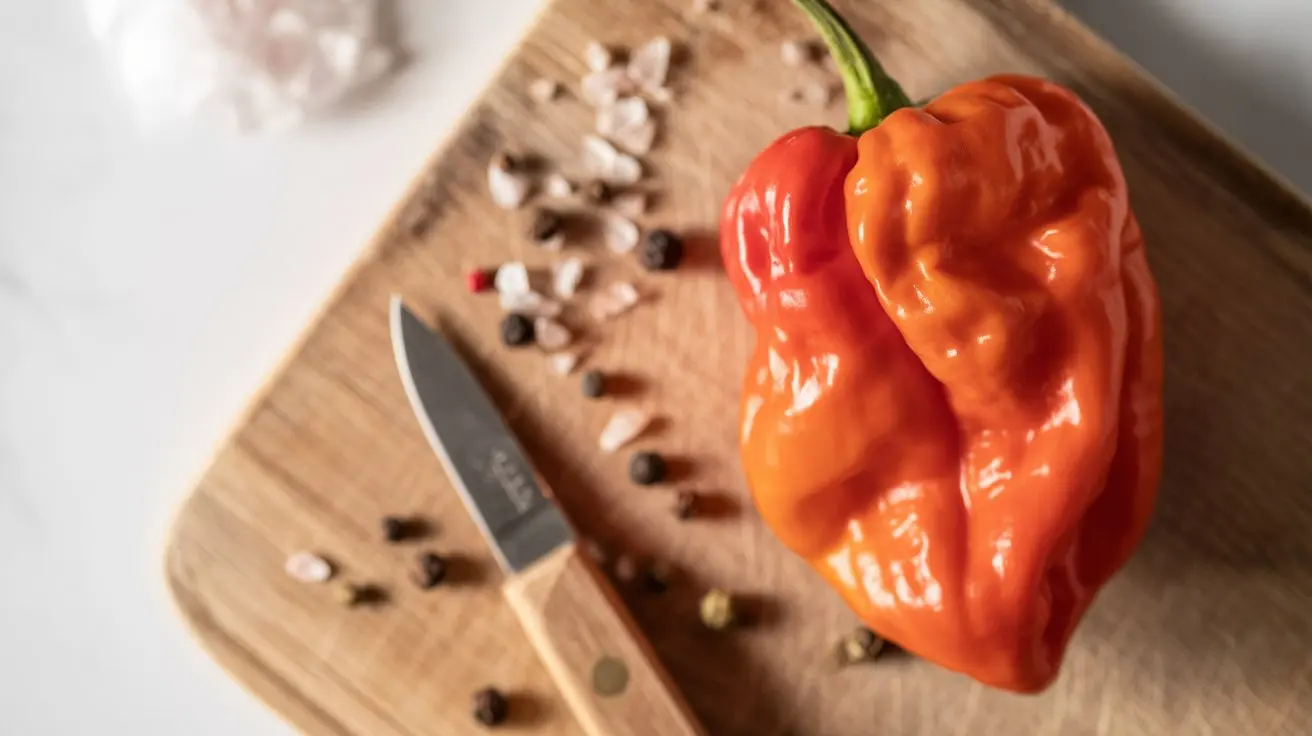
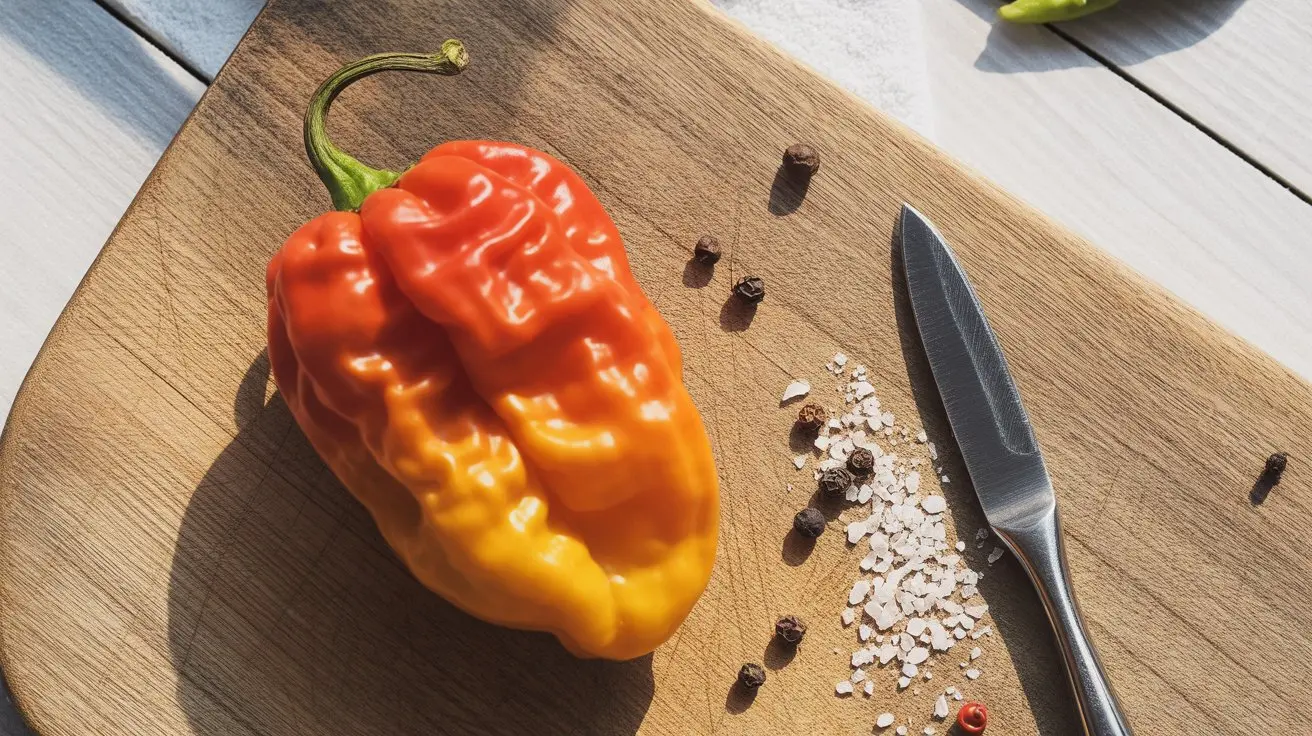
Smoked Paprika Substitute: Pair Sweet Paprika With Smoked Salt
Smoked paprika needs two separate checks: red pepper body and smoke. Use sweet paprika plus smoked salt for the closest mild swap, chipotle powder when heat is welcome, ancho when the dish needs darker dried-chile depth, and Kashmiri chili when color matters more than smoke. Do not replace pimenton with liquid smoke alone because smoke without pepper body tastes thin fast.
Heat at a glance
Best Smoked Paprika (Pimentón) Substitutes
Paprika plus smoked salt
Closest MatchMild food needs pepper body before smoke. Paprika pepper powder keeps the sweet red base of pimenton, while smoked salt adds a cleaner smoke note than pouring liquid smoke straight into the dish.
In a wet stew or sauce, one tiny drop of liquid smoke can replace the smoked salt.
This works in eggs, potatoes, rice, beans, aioli, soup, and mild rubs. Add the smoke source slowly because pimenton is gentle, and too much smoke can make the dish taste bitter.
Chipotle powder for smoky heat
Runner-UpBarbecue rubs, chili, beans, and tomato sauce can use chipotle powder when smoke matters more than keeping the dish mild. Chipotle gives real wood-smoked chile flavor, but it is much hotter than pimenton.
This choice works when extra heat improves the dish. It is a poor swap for deviled eggs, seafood, or mild potato salad unless you cut the amount hard.
Ancho powder for dark sauces
Also GreatDark braises need depth more than sharp smoke. Ancho powder brings raisin sweetness, mild heat, and a deeper dried-chile base that helps chili, beans, mole-style sauces, and roasted meat rubs.
Ancho is not smoked, so it solves body before aroma.
Use this when pimenton was building a warm background. It will make the dish darker and rounder, not brighter.
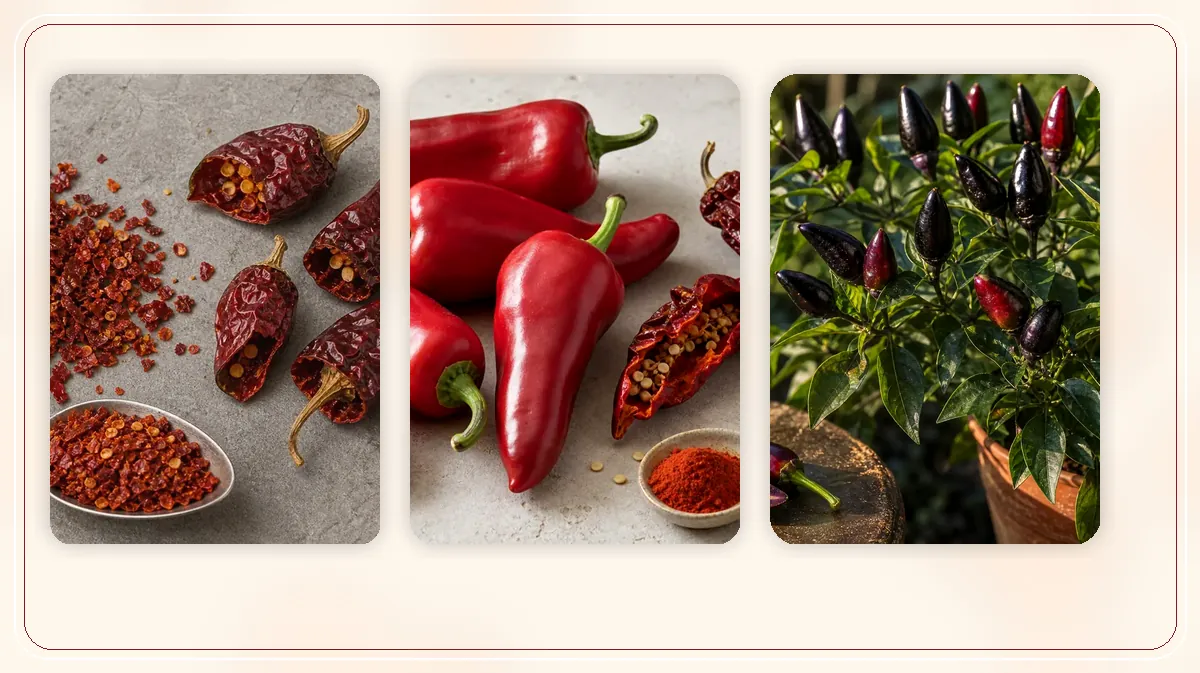
Guajillo powder for red sauce
Red sauce often needs color and mild chile flavor more than smoke. Guajillo powder gives a cleaner red chile taste with a little tang, which helps adobo, enchilada-style sauce, marinades, and soups.
Guajillo is brighter than pimenton. That makes it useful when tomato, vinegar, citrus, or dried oregano already point the dish toward a sharper sauce.
Kashmiri chili for color
Bright color without heavy heat points to Kashmiri chili. It does not copy smoke, but it gives a deep red look in rice, curries, stews, and sauces where paprika mainly colored the dish.
This is a color repair, not a smoke repair. It belongs in recipes where the red look matters and smoke would be optional anyway.
Gochugaru for flakes and color
Visible chile flakes make gochugaru useful when powder texture is not required. It brings red color, light sweetness, and a soft chile warmth without the harsh bite of cayenne.
Grind it briefly if the recipe needs a smoother powder.
Gochugaru does not taste like Spanish pimenton. Use it when the recipe can accept a Korean-style flake texture and a brighter chile note.
Roasted red pepper puree
Wet sauce can borrow body from roasted red pepper instead of another dry spice. Bell pepper has no heat, but roasting concentrates its sweetness and gives soups, dips, and sauces a soft red pepper base.
This swap changes texture, so keep it out of dry rubs. It works better in hummus, tomato sauce, aioli, beans, and blended soup.
Cayenne plus paprika for heat correction
Heat alone belongs to cayenne, but cayenne needs paprika beside it. Paprika carries the red pepper base, while cayenne adds the bite that some hot smoked paprika blends provide.
This is useful when the label said hot pimenton. It is too sharp if you use cayenne by itself.
Can Liquid Smoke or Cayenne Replace Smoked Paprika?
Do not use liquid smoke alone. It adds aroma but no red pepper body, so eggs, potatoes, rice, and aioli can taste hollow.
Do not use cayenne alone unless the recipe only needed heat. Cayenne skips the sweet red pepper base and can make a mild dish too sharp.
Do not use tomato powder as a direct smoked paprika swap. Tomato brings acid and sweetness that change the dish in a different way.
Substitution tip: When substituting Smoked Paprika (Pimentón), start with less of a hotter substitute and add more to taste. For milder substitutes, increase the quantity.
Our swap ratio calculator gives precise conversion amounts, and the heat unit converter translates between Scoville and other scales.