

Cascabel Pepper Substitutes: Matching Nutty Depth in Moles and Sauces
Cascabel peppers bring a distinctive nutty, earthy depth to Mexican sauces and moles, that rounded, slightly smoky warmth is hard to replicate exactly. Whether your local store ran out or you simply need a workable swap right now, the right substitute depends on whether you're chasing flavor complexity, texture, or just a comparable dried chile presence in the dish.
Heat at a glance
What Can You Use Instead of Cascabel Pepper?
Guajillo Pepper
Closest MatchRunning short on cascabels mid-prep for a red mole, guajillo saves the dish, and it's the closest structural match you'll find at most grocery stores. Guajillo brings a similar tart-fruity earthiness with thin, pliable dried skin that rehydrates beautifully.
The flavor profile skews slightly more acidic and less nutty than cascabel, but in sauces and braises, the difference is minor enough that most diners won't notice.
Use a 1:1 ratio - one guajillo for every cascabel called for. The cascabel-vs-guajillo flavor matchup breaks down exactly where these two diverge if you want the full picture.
For salsa roja, enchilada sauce, and braises, remove guajillo seeds and soak the pods until fully pliable before blending.
Guajillo has a cleaner berry-like tartness, so add a small pinch of toasted sesame, peanut, or Mexican oregano if the recipe depends on cascabels nutty roundness.
Ancho Pepper
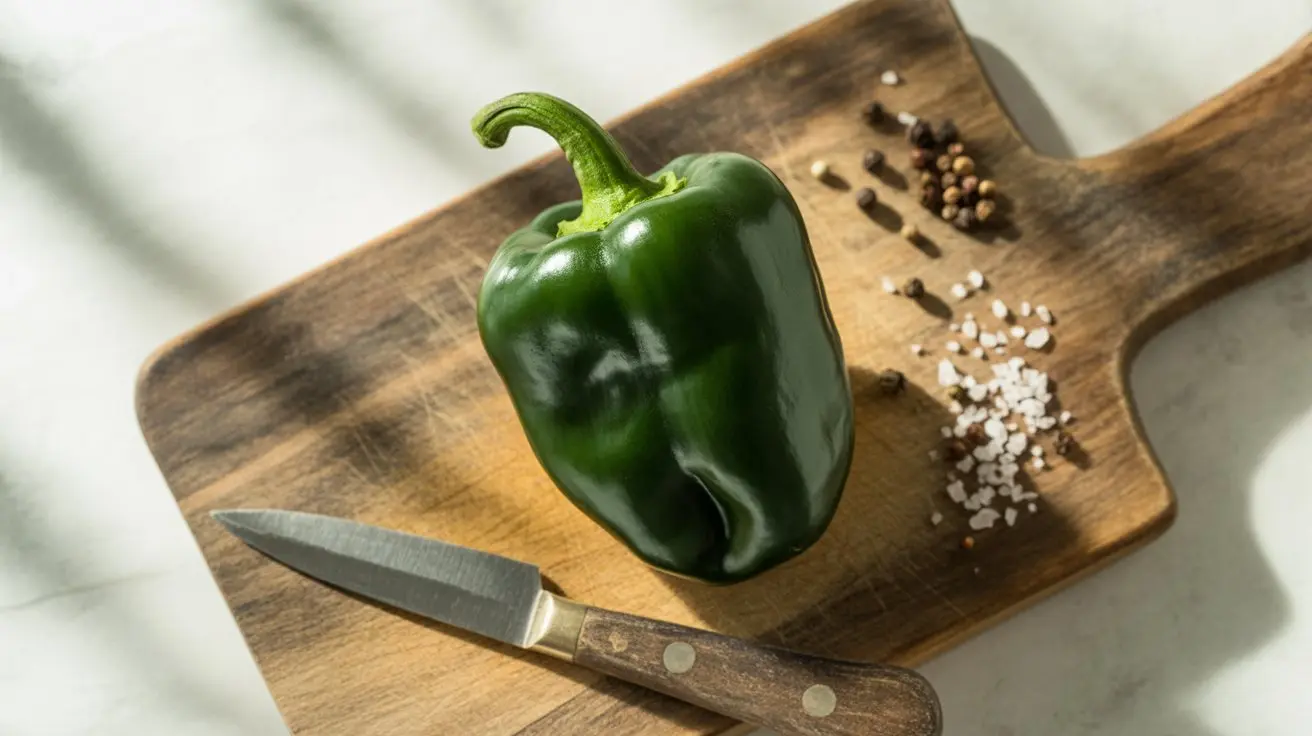
Runner-UpAncho, the dried form of the poblano, delivers the dark, chocolatey earthiness that makes cascabel so valuable in complex mole bases.
It's wider and fleshier, so one large ancho can replace two cascabels by volume when rehydrated. The heat is similarly mild, and the dried fruit sweetness (think raisin and prune) adds a different but complementary dimension.
Tear it into pieces to match cascabel's smaller dried form before soaking.
Ancho is the right backup when you need body more than bright acidity. Use 1 small ancho for 2 cascabels by volume, then add a little guajillo or mild vinegar if the sauce tastes too sweet.
This works well in mole-style sauces but can feel heavy in a simple salsa.
Mulato Pepper
Also GreatLess common but worth seeking out, mulato is another dried poblano variant with a smokier, earthier character than ancho. Where ancho leans sweet, mulato goes darker, almost tobacco-like, which mirrors cascabel's nuttiness more closely.
Substitute at 1:1 by weight, and expect a slightly deeper color in your finished sauce.
It's particularly good in black bean dishes and slow-braised meats where cascabel would typically shine.
Pasilla Pepper
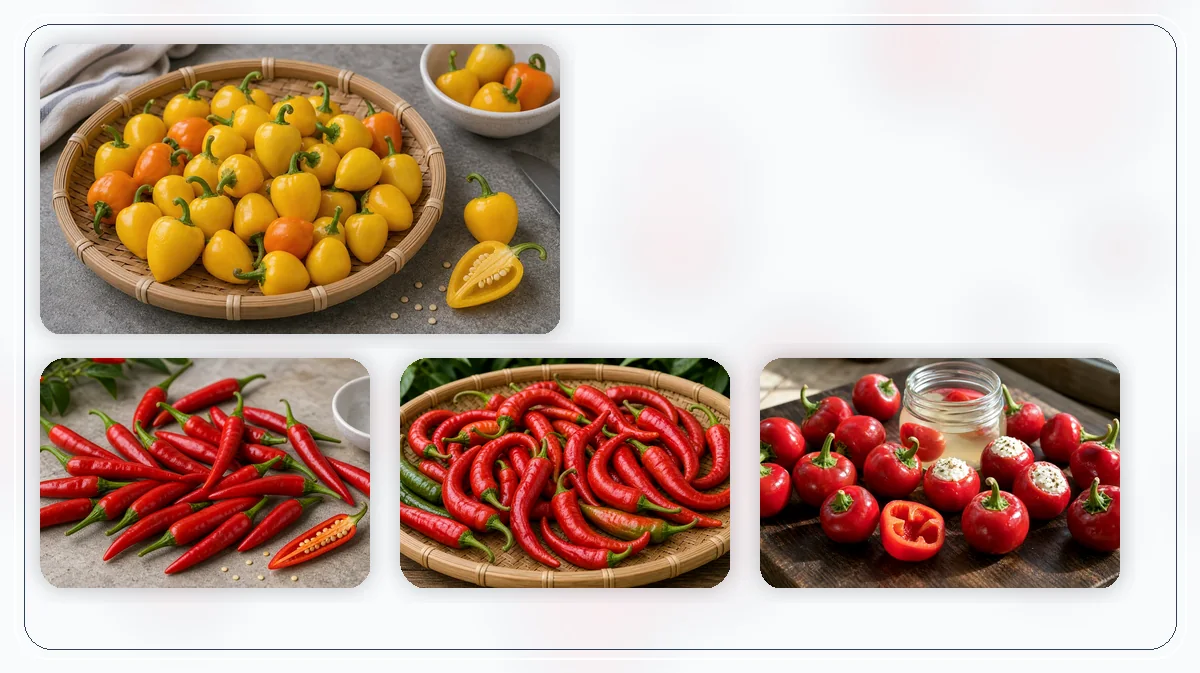
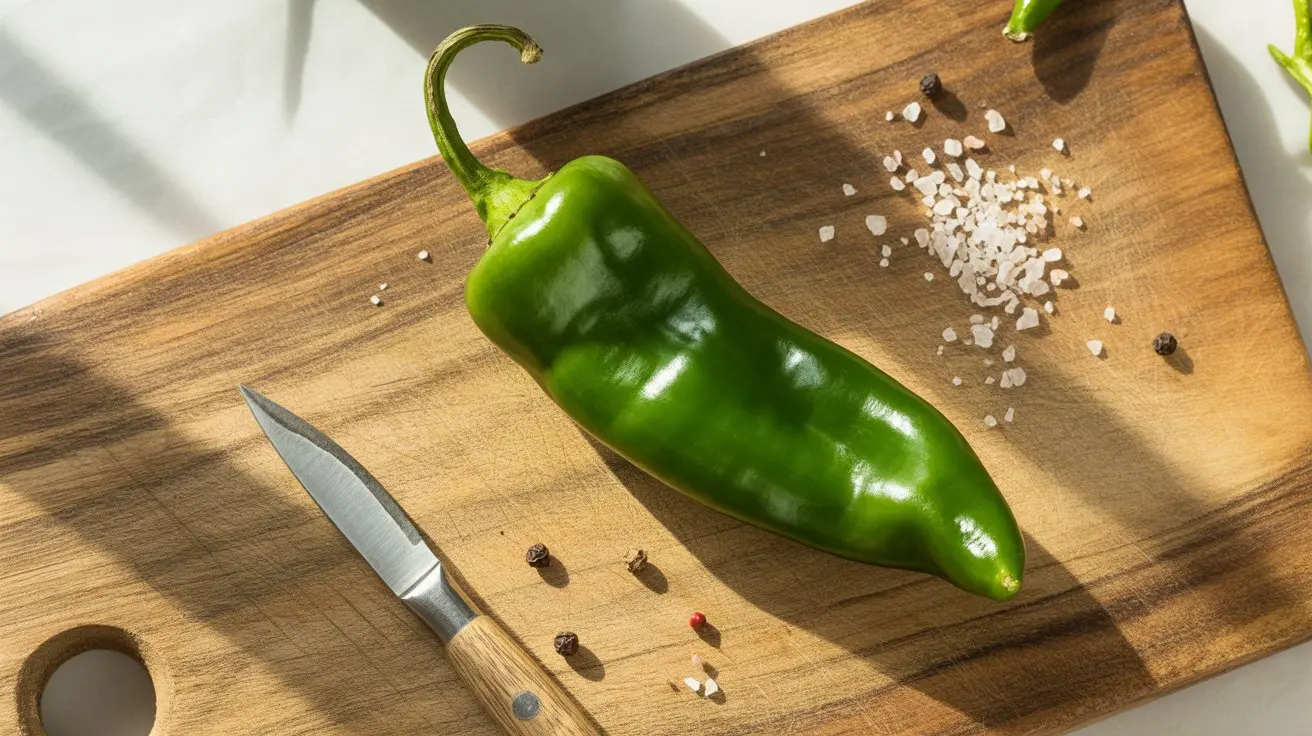
Pasilla (dried chilaca) is long, wrinkled, and carries a herbal, berry-tinged earthiness that works well anywhere cascabel would appear.
It's drier and more brittle than guajillo, with a flavor that some describe as licorice-adjacent. Use 1:1 by count, though pasilla runs larger, adjust down slightly if your recipe is sensitive to volume.
It's especially effective in enchilada sauces where cascabel's roundness would otherwise anchor the flavor.
Bell Pepper
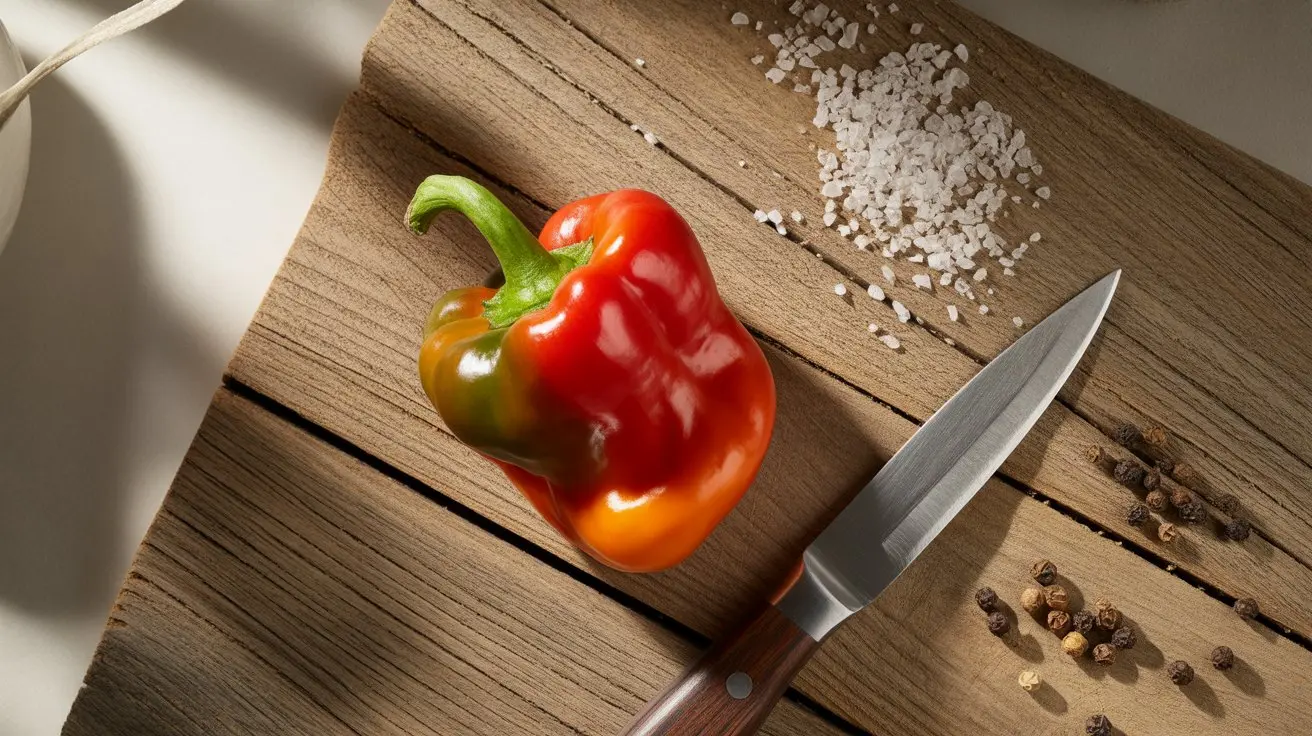
For fresh preparations or dishes where dried chile flavor is secondary, the sweet crisp character of bell pepper offers a completely heat-free alternative. This works best when the cascabel is being used for body and color rather than its specific dried-chile depth.
Use 2 tablespoons of finely diced bell pepper per cascabel called for, or blend roasted red bell pepper into sauces as a base.
Don't expect the earthy complexity, this swap is purely about mild sweetness and color contribution.
Habanada Pepper
The habanada's fruity, tropical sweetness without any burn makes it an unconventional but interesting cascabel substitute in fresh salsas or quick-cooked dishes.
It won't replicate the dried-chile smokiness, but its concentrated fruit flavor adds intrigue where cascabel would bring earthiness. Dice finely and use one habanada per 2-3 cascabels - the flavor is more intense despite zero heat.
Best used when the recipe has other smoky elements (chipotle, smoked paprika) that can carry the dried-chile character.
7.
Rocotillo Pepper
Rocotillo is a mild, slightly fruity pepper in the same zero-heat range as cascabel, making it a safe swap when heat is the primary concern. Fresh rocotillo lacks the earthiness of a dried cascabel entirely, but in cooked-down salsas or sofrito-style bases, its mild sweetness blends well with other aromatics.
Substitute 2 fresh rocotillos per dried cascabel, and add a pinch of smoked paprika to compensate for the missing depth.
Related Links for Menu Planning
- Cascabel pepper profile
- smoked pepper techniques
- peppers that work for salsa
- Chipotle substitute options
- the peppery mango salsa recipe
Best Pick by Application
For red salsa and braised sauces, guajillo is the best cascabel substitute because it rehydrates cleanly and keeps the sauce in the same mild dried-chile role. Use 1 guajillo for 1 cascabel, then toast gently so the skin does not turn bitter.
For mole and darker sauces, ancho or mulato works better. One large ancho usually replaces 2 cascabels after soaking because it has more flesh and a sweeter raisin-like body.
For soup or bean broth, pasilla can stand in when you want earthy depth without much heat. Use a smaller piece first, because pasilla's tannic edge can dominate a light broth.
Which Peppers Make Poor Cascabel Pepper Substitutes?
Chipotle in adobo seems like an obvious swap, it's smoky, it's Mexican, it's widely available. But the adobo sauce introduces tomato, vinegar, and sugar that will throw off the flavor balance of any dish relying on cascabel's clean earthiness.
The smoke is also far more aggressive, easily overpowering delicate mole or braise.
Cayenne pepper shares the dried red chile aesthetic but brings aggressive, one-dimensional heat that cascabel entirely lacks. Cascabel's value is its complexity, nutty, rounded, almost woodsy, and cayenne delivers none of that while adding burn most cascabel recipes aren't built to handle.
Paprika (standard) looks right in color but tastes nothing like cascabel in practice. Sweet paprika skews too sugary, smoked paprika too acrid, and neither rehydrates the way a whole dried chile does.
Using paprika as a 1:1 swap in a mole or chile sauce will produce a flat, slightly sweet result that misses the structural depth cascabel provides.
Fresh red peppers are poor cascabel substitutes because cascabel is a dried chile. Fresh flesh adds water and sweetness but none of the toasted shell, seed, and rehydrated skin character.
Chipotle powder can support a blend, but it brings smoke first. Cascabel is nutty and rounded, so heavy chipotle changes the sauce category.
Do not use chipotle powder as a direct cascabel substitute in clean red sauce. It brings smoke first, while cascabel brings nutty dried-chile warmth with moderate heat.
Substitution tip: When substituting Cascabel Pepper, start with less of a hotter substitute and add more to taste. For milder substitutes, increase the quantity.
Our swap ratio calculator gives precise conversion amounts, and the heat unit converter translates between Scoville and other scales.
Cascabel Pepper Substitute FAQ
- Cascabel Pepper - KnowThePepper Profile
- Chile Pepper Institute - New Mexico State University
- USDA FoodData Central - Dried Chili Peppers
- Diana Kennedy, The Art of Mexican Cooking - Dried Chile Identification