Chipotle Peppers in Adobo Sauce With Whole Pods Kept Tender and Intact
Two ounces of whole dried chipotles simmer in a glossy ancho, tomato, vinegar, garlic, and spice adobo to make about 2 cups in 50 minutes. Soak until the thick shoulder folds, cook the blended sauce before adding the whole pods, then refrigerate for up to one week or freeze portions.
This recipe makes about 2 cups of whole chipotle peppers in adobo in 50 minutes, with tender intact pods coated by a cooked ancho, tomato, vinegar, and spice sauce.
The jar has two useful parts. Mince a whole pepper when a dish needs smoke and heat, or measure the surrounding adobo when it needs smoke, acidity, color, and less pepper flesh.
Treat this as a refrigerator or freezer ingredient rather than a home-canning formula. Vinegar belongs in the flavor balance, but only a research-tested recipe can establish safe acidification and processing for pantry storage.
Keep the Peppers Whole and the Sauce Spoonable
Smooth adobo sauce and chipotle peppers in adobo perform different jobs, so this version protects whole pods that a cook can lift from the jar individually.
The sauce should measure cleanly by the spoon and still cling to a pepper because paste is difficult to portion and watery adobo separates from the chile.
- Use a whole pepper for black beans, shredded chicken, chili, braises, or tomato soup.
- Use the adobo for mayonnaise, crema, marinades, rice, eggs, or a quick pan sauce.
- Use both when smoke, acidity, red color, and pepper heat should arrive together.
Keeping this jar more concentrated than table salsa lets one batch move between cold sauces, beans, and long-cooked meat without tasting pre-seasoned for one dish.
Choose the Chipotle for the Food It Will Season
A chipotle is a smoke-dried ripe jalapeno, and a USDA National Organic Standards Board petition distinguishes grayish-tan, richly smoky meco from darker, more pliable morita.
Choose 2 ounces of morita for a redder jar with fruitier smoke that works easily in eggs, beans, mayonnaise, and quick sauces.
Choose 2 ounces of meco for a drier, more assertive smoke that can remain clear in braised beef, barbecue sauce, soups, and long-simmered dishes. Meco may need extra soaking because its skin is usually more thoroughly dried.
A half-morita, half-meco blend by weight combines red color with a longer smoked finish, while weight remains more reliable than pod count across differently sized chiles.
Build the Jar as Two Components
The whole chipotles provide the portionable ingredient, while two dried ancho chiles are blended into the adobo for body and dark fruit. Ancho is dried poblano, so it rounds the sauce without competing with the chipotles for heat.
The batch at a glance
Yield: about 2 cups. Total time: 50 minutes, including a 20-minute soak and 30 minutes of simmering.
Core tools: dry skillet, heatproof bowl, blender, tongs, and a nonreactive saucepan with enough room to turn the whole peppers gently.
The sauce starts with 1/2 cup tomato puree, 1/3 cup 5% acidity cider vinegar, 2 garlic cloves, 1 tablespoon brown sugar, Mexican oregano, cumin, and 3/4 teaspoon kosher salt. These amounts season the two-ounce batch without turning the jar into sweet barbecue sauce or heavily spiced taco sauce.
Stem and seed the ancho because it will be blended, but stem the chipotles and keep their bodies intact so loose seeds do not flood the jar.
When doubling the formula exceeds blender capacity, blend the ancho sauce in two measured batches and combine it before simmering. That sequence keeps both halves at the same vinegar, salt, and spice concentration.
Soak Until the Thick Shoulder Folds
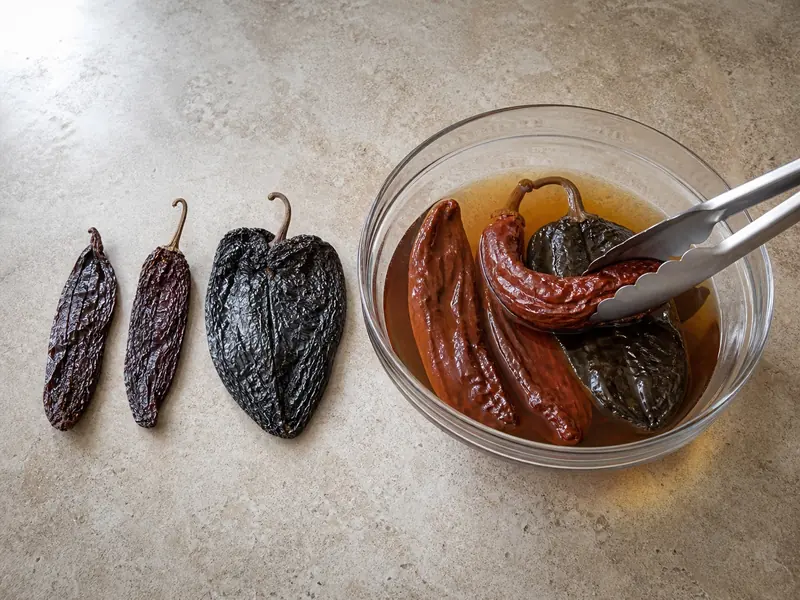
Warm the whole chipotles and toast the ancho briefly in a dry skillet over medium-low heat. Remove each chile when its aroma opens, since an acrid smell or black blister marks scorching that will stay bitter in the finished sauce.
Cover both chiles with just-boiled water and begin checking at 20 minutes. A ready chipotle folds at the thick shoulder without cracking, and the ancho flesh should scrape easily from its inner skin.
Pods that still snap need another five minutes under a small plate because blender speed cannot repair a whole chipotle whose skin never hydrated.
Taste a cooled drop of soaking liquid before measuring it into the sauce. Keep clean, smoky liquid, but use fresh warm water when the sample tastes dirty, harsh, or strongly bitter.
Cook the Adobo Before Adding the Whole Chipotles
Blend the softened ancho with tomato puree, garlic, vinegar, sugar, oregano, cumin, salt, and 1/2 cup acceptable soaking liquid or warm water. Vent warm ingredients according to the blender manufacturer's instructions.
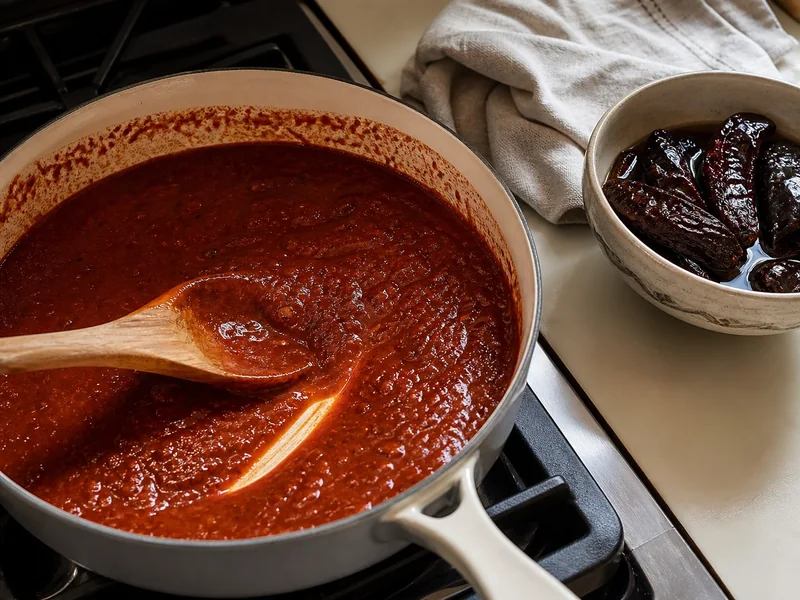
Pour the puree into a nonreactive saucepan and simmer it gently for 20 minutes. Stir across the bottom until the raw tomato smell fades, the spices lose their dusty edge, and the sauce turns darker and glossy.
Add the softened whole chipotles only after the adobo turns glossy, then simmer them for 10 minutes while turning gently enough to preserve every pod.
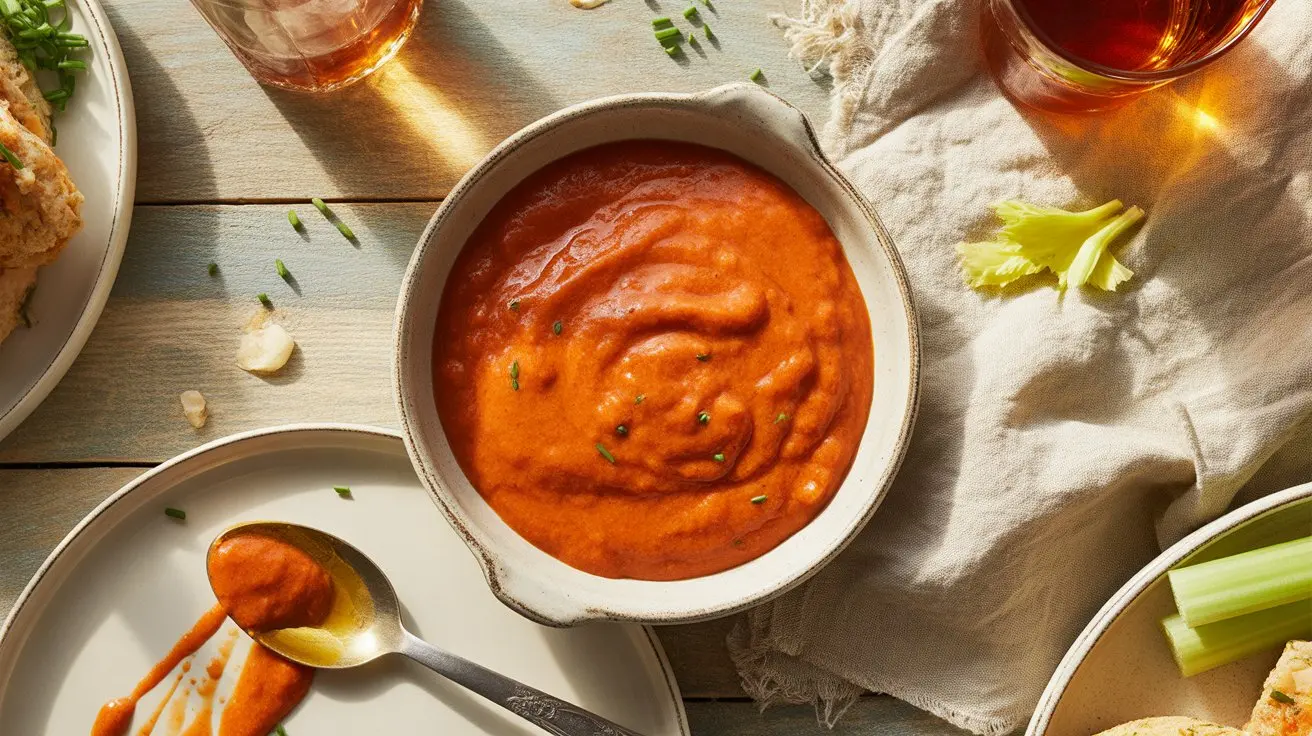
The finished sauce should fall from a spoon in a wide ribbon and cover the back of the spoon without setting like paste. It will tighten as it cools, so stop the stove while it still moves easily around the whole peppers.
Diagnose the Pepper and the Sauce Separately
Lift out one pepper and spoon a little sauce beside it before making a correction. That simple separation shows whether the pod needs more hydration or the adobo needs a flavor or texture adjustment.
| What you notice | Which part owns it | First correction |
|---|---|---|
| Tough or chewy skin | Whole pepper | Add 2 tablespoons warm water and simmer the covered pods gently for 5 minutes. |
| Thin sauce | Adobo | Remove the peppers and simmer the sauce uncovered for 3 minutes before returning them. |
| Sharp vinegar | Adobo | Simmer for 3 minutes, cool a teaspoon, then add up to 1/2 teaspoon sugar only if needed. |
| Sweet finish | Adobo | Add 1 teaspoon vinegar and a pinch of salt, then reassess after cooling. |
| Flat smoke | Adobo | Add 1/8 teaspoon salt before adding another chile. |
| Too salty | Whole jar | Use smaller portions in unsalted food rather than thinning the storage jar with cups of water. |
Start over after a harsh scorch because reduction and sugar cannot remove burnt chile from the whole batch.
Portion the Way Recipes Call for It
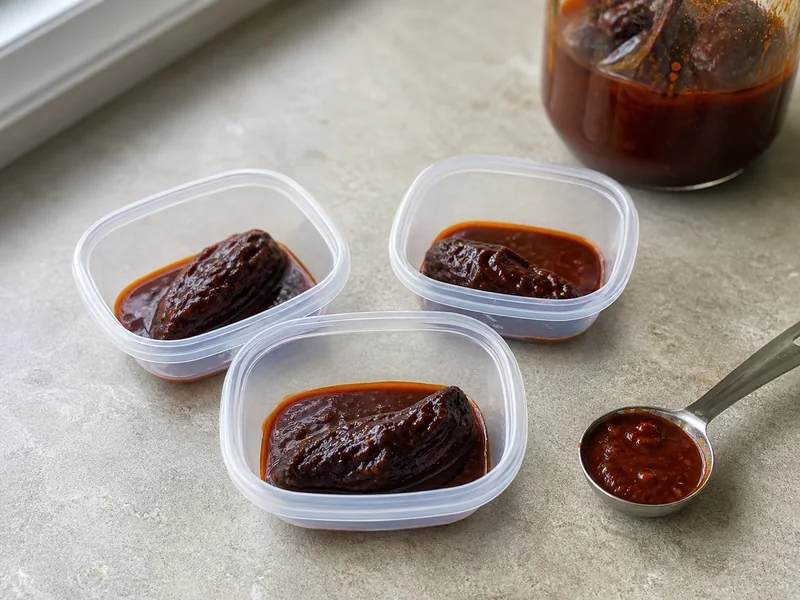
Cool the jar before judging the final salt and vinegar because hot acid tastes sharper and warm sauce looks thinner. The whole peppers continue absorbing adobo during the first night in the refrigerator.
Make the final texture correction after that overnight rest when time allows. Add warm water by the teaspoon if the sauce tightens around the pods, or a pinch of salt when the smoke is clear but the tomato still tastes dull.
For refrigerator use, keep every pepper covered in a narrow clean jar with enough space for a spoon to enter without crushing the pods.
For freezer use, pack one or two peppers with 1 tablespoon adobo in each small container or silicone-cube well. That unit matches many recipes and avoids thawing two cups for one minced pepper.
Label each package morita, meco, or mixed because their dark sauces can look similar after simmering despite different smoke and fruit.
Use Pepper Flesh and Adobo Differently
Add one minced pepper early to soften its smoke through beans, chili, braised chicken, or tomato soup, or add it late when its heat should remain obvious.
Adobo sauce seasons cold fat efficiently, so start with 1 teaspoon sauce per 1/2 cup mayonnaise or crema. Stir, wait one minute for the chile heat to become clearer, then decide whether the mixture needs minced pepper flesh.
For a marinade, combine one tablespoon adobo with two tablespoons neutral oil and one tablespoon lime juice. The oil distributes the chile, while the added lime changes a portion at serving time without changing the storage jar.
A smooth sauce, finished salsa, or pourable hot sauce deserves its own formula. Blending this entire jar would erase the whole-pepper function that makes homemade chipotles in adobo useful.
Refrigerate This Custom Formula
Transfer the cooled peppers and sauce to a clean covered container and refrigerate promptly. University of Minnesota Extension advises keeping an untested salsa-like mixture refrigerated for up to one week or freezing it instead of treating it as shelf stable.
Thaw frozen portions in the refrigerator, stir the loosened sauce, and simmer only the amount being used when it needs thicker body.
This recipe is not a canning process. The National Center for Home Food Preservation explains that ingredient proportions, acidity, consistency, jar size, and processing time must be research-tested together, which means extra vinegar cannot validate this custom jar for room-temperature storage.
Discard the batch when mold, unexpected bubbling, a swollen container, slime, or an abnormal odor appears. Do not taste a visibly spoiled pepper to decide whether it is safe.
Chef's Tip
Cook the blended adobo before adding the whole chipotles so the sauce loses its raw edge without overcooking and breaking the pods.
Ingredients
-
2 ounces whole dried chipotle moritameco, or a mix, stemmed
-
2 dried ancho chilesstemmed and seeded
-
2 cups just-boiled waterfor soaking
-
1/2 cup tomato puree
-
1/3 cup apple cider vinegar labeled 5% acidity
-
2 garlic clovespeeled
-
1 tablespoon brown sugar
-
1 teaspoon Mexican oregano
-
1/2 teaspoon ground cumin
-
3/4 teaspoon kosher salt
Full Recipe Instructions
Warm the whole…
Warm the whole chipotles and briefly toast the ancho in a dry skillet over medium-low heat. Cover with just-boiled water for about 20 minutes, continuing until the chipotle shoulders fold without cracking.
Taste a cooled…
Taste a cooled drop of soaking liquid. Reserve 1/2 cup when it tastes clean and smoky, or use 1/2 cup fresh warm water when it is harsh or bitter.
Blend the softened…
Blend the softened ancho, tomato puree, vinegar, garlic, sugar, oregano, cumin, salt, and measured liquid until smooth.
Simmer the blended…
Simmer the blended adobo in a nonreactive saucepan for 20 minutes, stirring until it is darker, glossy, and free of raw tomato and spice aromas.
Add the softened…
Add the softened whole chipotles and simmer gently for 10 minutes, turning without tearing, until the sauce coats each pod and falls from a spoon in a wide ribbon.
Cool promptly, transfer…
Cool promptly, transfer the covered peppers and sauce to a clean container, and refrigerate for up to one week or freeze in small portions.