
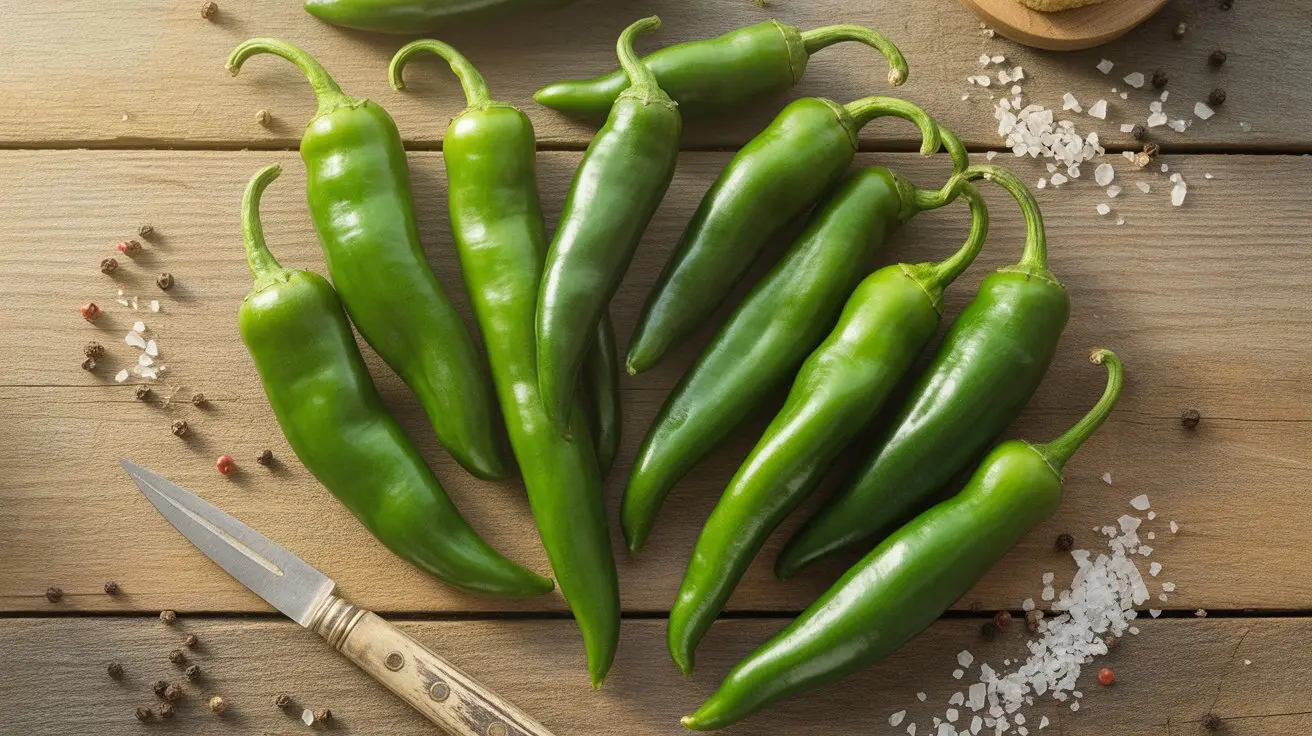
Best Jalapeño substitutes and alternatives for cooking
Substitute Guide Medium

No Jalapeño? Try These 7 Alternatives

Source Pepper
Jalapeño
3K–8K SHU · bright and grassy · Mexico
Full Profile →
Quick Summary

The jalapeño is one of the most recognizable peppers on the planet, but its 2,500-8,000 SHU range and bright, grassy flavor are harder to replicate than most people expect. Plenty of peppers share the heat band but land in completely different flavor territory. The seven options below cover the full spectrum — from near-perfect drop-ins to creative alternatives that bring something new to the dish.

Heat Level
3K–8K
SHU
Flavor
bright and grassy
Substitutes
7
ranked options
Advertisement

Best Jalapeño Substitutes

These alternatives are ranked by how closely they match Jalapeño’s heat level and flavor profile. Use the conversion ratios to adjust quantities in your recipe.
#1
Fresno Pepper Closest Match

At 2,500-10,000 SHU, the Fresno overlaps almost perfectly with jalapeño heat while adding a fruity, lightly smoky character that makes it a genuine upgrade in salsas and hot sauces. The walls are slightly thinner, so roasting time drops by about 20%. Use a 1:1 ratio in any recipe — raw, roasted, or pickled.

Fresnos ripen from green to red like jalapeños do, but the red stage arrives with noticeably more sweetness. If your recipe calls for green jalapeños specifically, pull them early.

#2
Red Jalapeño Runner-Up

The most straightforward swap on this list. A sweeter, fruit-forward ripened jalapeño sits at the same 2,500-8,000 SHU and comes from the exact same plant — just left on the vine longer. The grassy sharpness mellows into something almost berry-like.

Use 1:1 without any adjustment. The only real difference is color and a slightly softer texture when cooked. Worth keeping in mind for dishes where the green color of a jalapeño matters visually.

#3
Purple Jalapeño Also Great

Another same-species swap, the fresh and grassy heat of the purple jalapeño mirrors the standard green variety almost exactly at 2,500-8,000 SHU. The flavor profile is essentially identical — bright, vegetal, with that familiar jalapeño snap.

The difference is purely visual: the striking purple skin adds drama to fresh applications like pico de gallo or garnishes. 1:1 ratio, no adjustments needed. Treat it exactly like a green jalapeño in any cooked application.

Comparison of Jalapeño with similar peppers for substitution
#4
Hatch Chile

New Mexico's most famous export brings 1,000-8,000 SHU and an earthy, sweet roasted character that diverges meaningfully from jalapeño's grassy brightness. This one earns its place on the list specifically for cooked dishes — roasted, stuffed, or blended into sauces.

The pods run larger, so use 1 Hatch chile per 2 jalapeños in most applications. Raw Hatch chiles lack the punch of a fresh jalapeño, but once fire-roasted, the depth they add is hard to match. Check the moderate heat classification if you want to dial in the specific tier.

#5
Chipotle

A jalapeño that has been smoked and dried — so technically the same pepper, transformed. Chipotle's deep smoky sweetness at 2,500-8,000 SHU makes it ideal when the recipe already has some char or depth, like braised meats, mole-adjacent sauces, or bean dishes.

Because chipotles are dried, the conversion shifts significantly: use 1 chipotle (or 1 teaspoon of chipotle powder) per 2 fresh jalapeños. The smokiness is assertive — it will change the dish's direction, not just its heat level. That can be a feature, not a bug.

#6
Sandia Pepper

A lesser-known New Mexico variety with a focused 5,000-7,000 SHU window and a bright, clean sweetness that sits closer to jalapeño's flavor profile than most green chiles. Sandias are thin-walled and excellent for roasting or drying.

Substitute at 1:1 in cooked applications. Raw, they carry a slight bitterness that cooking resolves quickly. For anyone who wants the heat of a jalapeño without the grassy sharpness, the Sandia is an underrated answer.

#7
Puya Pepper

The fruity, smoky dried heat of the puya runs 5,000-8,000 SHU and functions best as a jalapeño substitute in cooked and blended applications — enchilada sauces, salsas rancheras, or slow-cooked dishes. It does not work as a fresh swap.

Rehydrate one puya pepper and use it in place of 2 fresh jalapeños in sauce-based recipes. The fruity undertone (think dried cherry with a smoke finish) adds complexity that jalapeños simply cannot deliver. Check the head-to-head heat gap between puya and jalapeño if you want a closer look at where they diverge on the Scoville heat ranking index.

Related Anaheim Pepper: 500–2.5K SHU, Flavor & Recipes
Peppers to Avoid as Jalapeño Substitutes

Serrano peppers seem like the obvious backup, but they clock in at 10,000-25,000 SHU — up to three times hotter than a mid-range jalapeño. Swapping 1:1 will overwhelm dishes designed around jalapeño's approachable heat.

Cayenne has an even wider gap. At 30,000-50,000 SHU, cayenne is a heat tool, not a flavor substitute. The thin, dried pods share none of the fresh, grassy character that makes jalapeños useful in salsas and fresh preparations.

Banana peppers go the other direction — topping out around 500 SHU, they lack the heat entirely. The mild, tangy flavor might seem like a reasonable stand-in for pickled jalapeños, but any recipe that depends on actual heat will fall flat. These are garnish territory, not substitutes.

Substitution Tip

When substituting Jalapeño (3K–8K SHU), always start with less of a hotter substitute and add more to taste. For milder substitutes, you can increase the quantity. Our swap ratio calculator gives precise conversion amounts, and the heat unit converter translates between Scoville and other scales.

Fact-Checked & Expert Reviewed
Editorial Standards: All facts verified against authoritative sources. Content reviewed by subject matter experts before publication.
Review Process: Written by Sofia Torres (Lead Culinary Reviewer) , reviewed by Karen Liu (Lead Fact-Checker & Science Editor) . Last updated February 19, 2026.
Related Ancho Pepper: 1K–2K SHU, Flavor & Recipes

Jalapeño Substitute FAQ

The purple jalapeño and red jalapeño are genetically identical to the standard green variety, so the flavor difference is minimal — just a shift in sweetness as the pepper ripens. For a different variety that still tastes close, the Sandia pepper replicates the bright, clean heat without veering into smoky or earthy territory.

Yes, but the smoke profile will change the dish noticeably since chipotle is simply a smoked, dried jalapeño. Use 1 teaspoon of chipotle powder per 2 fresh jalapeños, and expect the finished dish to taste richer and darker rather than fresh and bright.

Fresno peppers are the top pick for raw applications — same heat band at 2,500-10,000 SHU, similar size, and a fruit-forward flavor that works well uncooked. Red jalapeños are an equally solid choice if you want the most neutral swap possible.

Hatch chiles range from 1,000-8,000 SHU, so at the low end they are considerably milder, but at the high end they match a hot jalapeño. The heat varies significantly by variety and growing season, so tasting before committing to a ratio is worth the extra step.

Gochugaru (Korean red pepper flakes) runs 1,500-10,000 SHU and works in cooked applications like stews, marinades, and braised dishes where texture is less important. The flavor is noticeably sweeter and smokier than jalapeño, so it shifts the dish's character — start with half the amount and adjust from there.

Sources & References
Karen Liu
Fact-checked by Karen Liu
Contributing Editor & Food Scientist
All Substitutes Browse Peppers Substitute Finder Tool