Best Datil Pepper Substitutes for Heat, Fruit, and Form
Habanero is the closest practical datil pepper substitute. Start at equal prepared weight for a fresh swap, use Scotch bonnet for a Caribbean direction, and choose Habanada or cachucha when fruity pepper body matters more than datil-level heat.
Heat at a glance
What Is the Closest Datil Pepper Substitute?
Habanero is the closest practical datil pepper substitute, with Scotch bonnet a strong second choice because UF/IFAS places all three in overlapping Capsicum chinense heat ranges.
Heat is only one part of the target. UF/IFAS describes datil as sweet and fruity and documents its long association with Saint Augustine hot sauces, chowders, jams, and jellies.
A replacement therefore needs to preserve the role of a small, aromatic, high-heat pepper. Jalapeno can add fresh green heat and cayenne can raise a Scoville total, but neither one covers that whole task alone.
Choose the substitute after identifying what the recipe uses the datil for. A hot sauce needs heat and fruit, a chowder may need only a small aromatic accent, and a jelly needs pepper flavor without an uncontrolled change in sugar or liquid.
Datil Substitutes at a Glance
| Substitute | Starting ratio | Heat | Best for |
|---|---|---|---|
| Habanero | 1:1 by prepared weight | 100,000 to 350,000 SHU | Closest all-purpose fresh swap |
| Scotch bonnet | 1:1 by prepared weight | 100,000 to 350,000 SHU | Caribbean marinades and fruit-forward sauces |
| Habanada | 1:1 for pepper body, heat added separately | Heatless | Datil aroma direction with little or no burn |
| Cachucha or aji dulce | 1:1 for pepper body, heat added separately | 500 to 1,500 SHU | Mild sauces, relishes, and cooked dishes |
Four Datil Pepper Substitutes and When to Use Each
Habanero for the closest fresh match
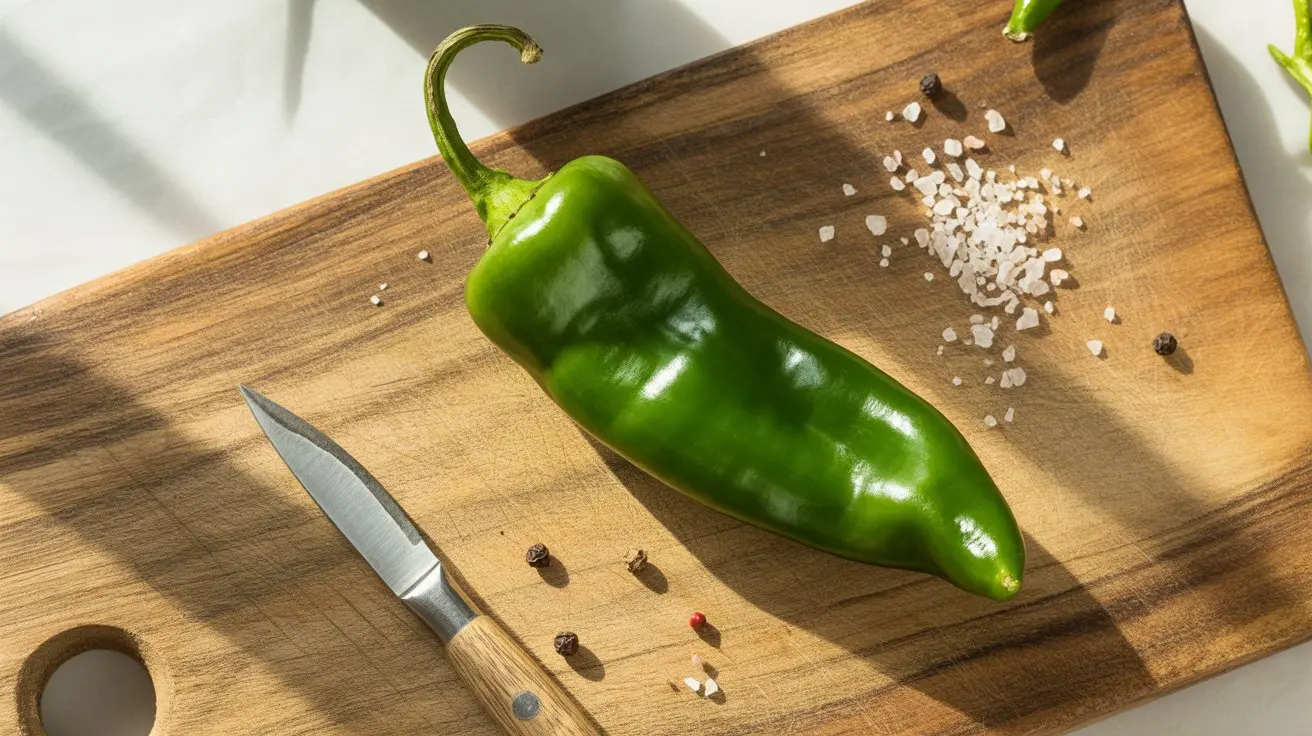
Closest MatchUF/IFAS rates habanero at 100,000 to 350,000 SHU with fruity, citrus-like flavor and floral aroma, a close overlap with datil's 100,000 to 300,000 SHU range.
Use 1:1 by prepared weight as an editorial starting ratio after removing stems from both peppers. Weight is safer than pod count because UF/IFAS reports datil fruits from one-half inch to four inches long, and habaneros also vary by cultivar and growing conditions.
The first correction should follow the recipe rather than a stereotype about sweetness. If the sauce already contains brown sugar, ketchup, fruit, or tomato paste, replace the pepper first and taste after cooking before adding more sweetener.
Habanero works especially well when the datil is minced, blended, or simmered into a sauce. Its different fruit shape matters less in those preparations than it does in a raw garnish or stuffed pepper.
Scotch bonnet for Caribbean dishes
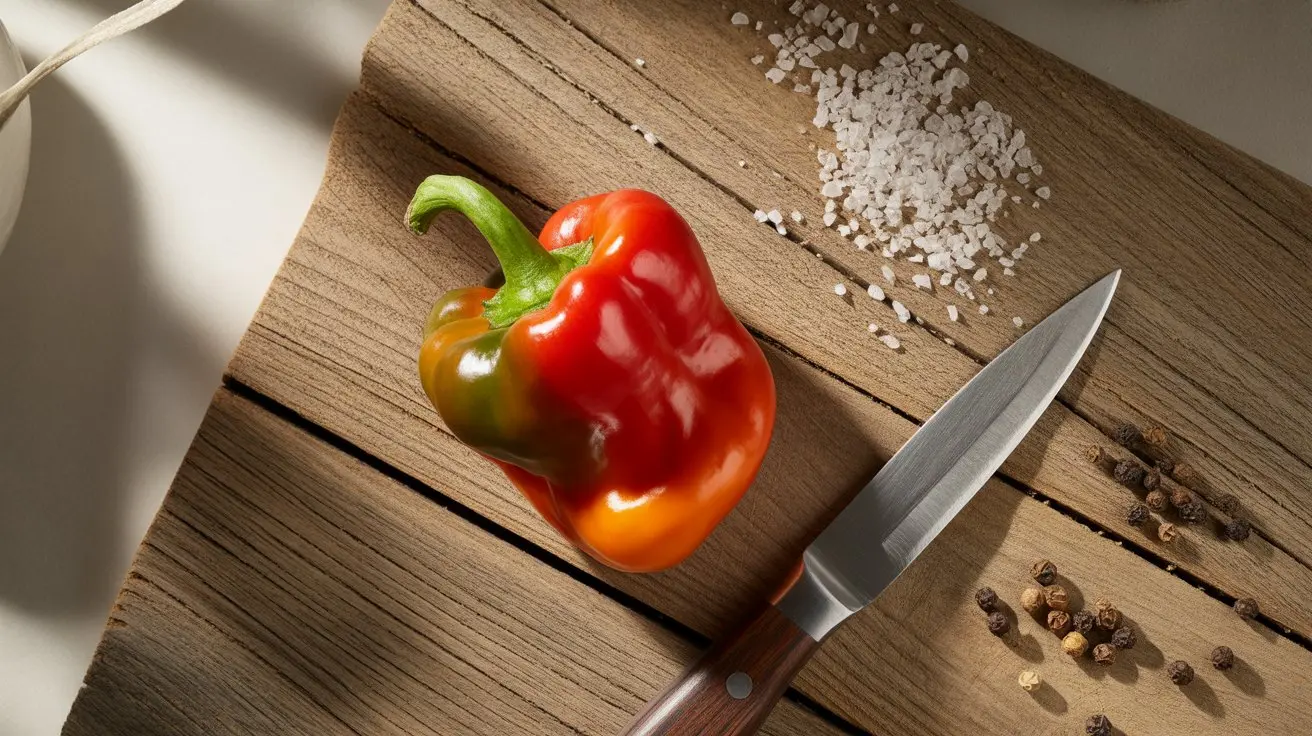
Runner-UpScotch bonnet belongs to Capsicum chinense and occupies 100,000 to 350,000 SHU in the UF/IFAS production guide, so start at 1:1 by prepared weight for a full-heat swap.
UF/IFAS specifically connects Scotch bonnet with Caribbean jerk sauce and marinades. That makes it a natural choice when the datil recipe already contains allspice, thyme, citrus, mustard, tropical fruit, or other Caribbean-facing ingredients.
The regional fit does not make Scotch bonnet identical to datil. Datil is strongly tied to Northeast Florida and Saint Augustine cooking, so use the swap as a practical ingredient replacement rather than relabeling the finished dish as a traditional datil preparation.
Frozen Scotch bonnets can work in a cooked sauce after thawing. Drain free liquid and weigh the prepared pepper so meltwater does not quietly thin the recipe.
Habanada when heat must disappear
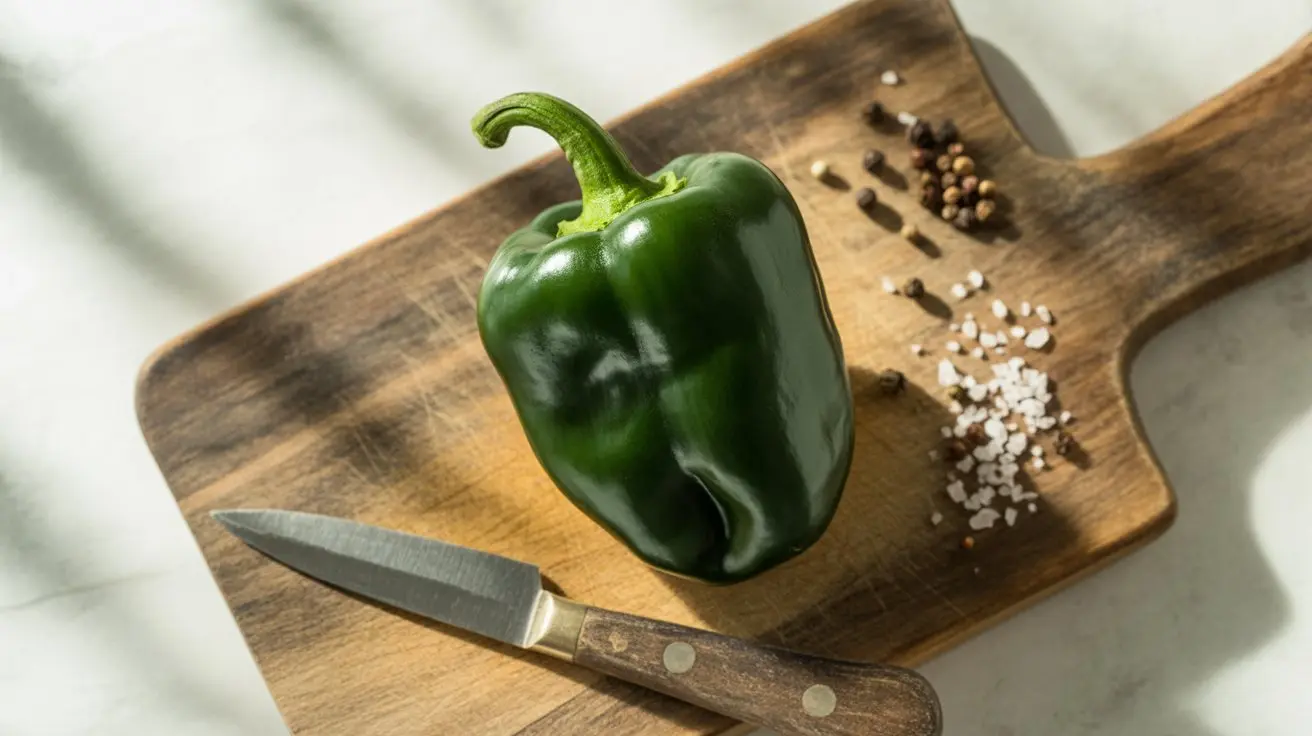
Also GreatHabanada is the clearest zero-heat option because Cornell credits breeder Michael Mazourek and describes it as heatless with clear habanero aroma and fruity sweetness.
Use 1:1 by prepared weight for pepper solids and aroma, then decide whether the dish needs a separate heat source. Habanada alone does not duplicate datil-level heat.
Cachucha or aji dulce for a very mild branch
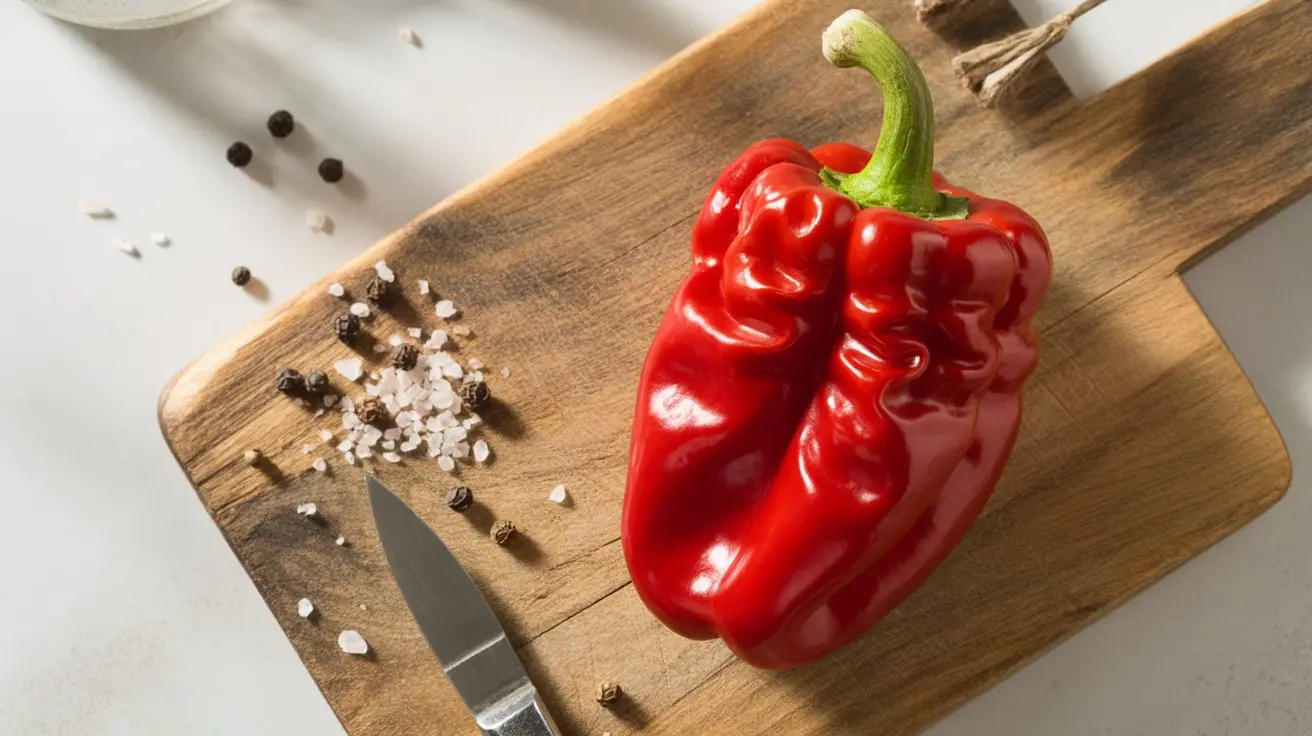
Cachucha, also called aji dulce, offers a mild C. chinense direction that UF/IFAS measures at 500 to 1,500 SHU with sweet flavor and thin-walled fruit.
Start at 1:1 by prepared weight for pepper body in chowders, relishes, or table sauces. Add a separate measured hot pepper only when the recipe still needs more heat.
Weigh the Prepared Pepper Instead of Counting Pods
Pod-for-pod instructions hide the largest ratio error because UF/IFAS reports datils from 0.5 to 4 inches long.
Remove stems, prepare the amount the recipe will actually use, and compare weights on a gram scale. For habanero or Scotch bonnet, begin with the same prepared weight and reserve part of the substitute when the batch cannot be corrected easily.
For a sauce that will simmer, stir in the reserved portion only after the first addition disperses. For a fresh salsa, mince the substitute finely and mix a smaller fraction through the whole bowl before deciding whether to continue.
Capsaicin concentration varies within a named pepper range, so 1:1 is a starting ratio rather than a guaranteed heat match. Recipe volume, sugar, fat, acid, and serving size change how the result is experienced even when the pepper weight is identical.

What Is a Milder Substitute for Datil Pepper?
Habanada is the clearest low-heat branch because Cornell credits breeder Michael Mazourek and describes it as heatless with clear habanero aroma and fruity sweetness.
Use Habanada at 1:1 by prepared weight for pepper solids and aroma, then decide whether the dish needs a separate heat source. This is a composition method, not a claim that Habanada alone duplicates datil.
Cachucha, also called aji dulce, offers another mild C. chinense direction. UF/IFAS gives it 500 to 1,500 SHU, a sweet flavor, and a thin-walled fruit that changes from green toward yellow, orange-red, or red.
Both mild choices fit relishes, chowders, and table sauces made for diners who cannot use datil-level heat. Adding a small measured amount of habanero can restore some heat, but the final intensity depends on the specific hot pepper rather than a universal mild-to-hot formula.

Match Fresh, Powder, and Bottled Sauce Separately
Fresh datil, dried datil, powder, and bottled datil sauce are different ingredients because they contribute different amounts of water, solids, seasoning, and concentrated heat.
When replacing fresh datil with fresh habanero or Scotch bonnet, use the prepared-weight method. When replacing datil powder with habanero powder, begin with three-quarters of the stated volume as an editorial safety start because grind, moisture, and pepper batch can change spoon density and heat.
Bottled sauce needs a label check before any ratio. Vinegar, salt, sugar, tomato, mustard, and stabilizers may already be part of the product, so an equal volume of plain minced pepper would change both texture and seasoning.
Use bottled habanero or Scotch bonnet sauce only when its ingredient list fits the recipe. Add it in measured teaspoons, then reduce other vinegar or salt only after the sauce has been incorporated and tasted.

Which Datil Substitute Works Best in Each Dish?
Habanero is the strongest first choice for Saint Augustine-style hot sauce because it preserves the closest documented heat and aromatic structure without changing the recipe's existing tomato, vinegar, mustard, or sweetener balance.
Scotch bonnet is especially coherent in jerk marinades and Caribbean sauces because UF/IFAS names those as established uses. Its heat range still overlaps datil, so the choice changes cooking direction more than intensity on paper.
Habanada or cachucha works better when chowder, relish, or jelly needs pepper aroma with much less capsaicin. In a jelly, do not improvise changes to acid, sugar, or processing time from a tested preservation recipe merely to compensate for the pepper swap.
For dry rubs, fresh salsa, and finishing powders, match the physical form first. Powder distributes differently from minced fresh pepper, while a bottled sauce brings liquid and seasoning that a dry rub cannot absorb.
| Recipe | Best first choice | Main check |
|---|---|---|
| Florida-style pepper sauce | Habanero | Keep the existing acid and sweetener formula |
| Caribbean marinade | Scotch bonnet | Match the regional flavor direction |
| Chowder or mild relish | Habanada or cachucha | Add heat separately when required |
| Pepper jelly | Habanero or a tested mild branch | Do not alter tested acid or processing time |
| Dry rub | Habanero powder | Start below the stated volume and weigh when possible |
| Fresh salsa | Fresh habanero or Scotch bonnet | Mix a partial dose through the full bowl first |
Heat-Only Swaps That Lose Datil Character
Jalapeno is easy to find, but UF/IFAS places it at 2,000 to 8,000 SHU and documents a fresh green role that cannot replace datil-level heat and C. chinense aroma alone.
Cayenne powder can raise heat in a cooked sauce, but it cannot replace the water and fresh solids of a pod. Use it as a measured heat adjustment only after a mild aromatic pepper supplies the pepper body.
Smoked chipotle changes the dish in another direction because smoke becomes a major flavor. It may suit a barbecue sauce, but it is a poor default for a datil jelly, chowder, or mustard sauce whose identity depends on bright fruit rather than smoke.
Superhot peppers make measurement harder and can overwhelm the intended sweetness with a much smaller amount. They are not efficient substitutes when habanero and Scotch bonnet already occupy the documented neighboring range.
Handle the Substitute as a Full-Heat Pepper
UF/IFAS recommends gloves for datils because capsaicin can irritate skin and eyes, and the same protection fits habanero and Scotch bonnet.
Use a clean cutting board, avoid touching the face, and wash tools with detergent after preparation. Keep raw pieces and finished high-heat sauce away from children and pets.
Correct a batch through measured additions rather than repeated unrecorded pinches. If the first addition is too low, note the grams or teaspoons added so the recipe can be repeated without guessing.
When the result is too hot, increase the unsalted, unspiced base only if the recipe permits that change. Preservation recipes require their tested acid and processing conditions, so follow the named canning authority instead of diluting a shelf-stable formula casually.
- Wear food-safe gloves.
- Prepare and weigh the pepper after removing stems.
- Reserve part of a full-heat substitute for later adjustment.
- Wash the board, knife, and scale surface with detergent.
- Keep preservation ratios and processing times unchanged.
Substitution tip: When substituting Datil Pepper, start with less of a hotter substitute and add more to taste. For milder substitutes, increase the quantity.
Our swap ratio calculator gives precise conversion amounts, and the heat unit converter translates between Scoville and other scales.