Anaheim Pepper Substitute: Poblano When You Stuff or Roast Whole Pods
Poblano is the strongest Anaheim substitute for stuffing and whole-pod roasting, while a mild New Mexican chile gives roasted sauce the closest regional green-chile character. Use Cubanelle for quick-fried strips, green bell pepper for zero-heat bulk, or canned mild green chile only when the recipe needs chopped cooked flesh rather than a whole pod.
What does the Anaheim pepper do in this recipe?
Match the pod's physical job before its heat. An Anaheim may be a peelable roasted chile, a long vessel for filling, a source of mild chopped flesh, or the green-chile base of a sauce.
New Mexico State University groups Anaheim with New Mexican or Hatch-type pods, a diverse category used fresh, canned, dried, frozen, in rellenos, and in salsa. That range explains why one substitute cannot handle every recipe equally well.
Which Anaheim substitute fits the cooking job?
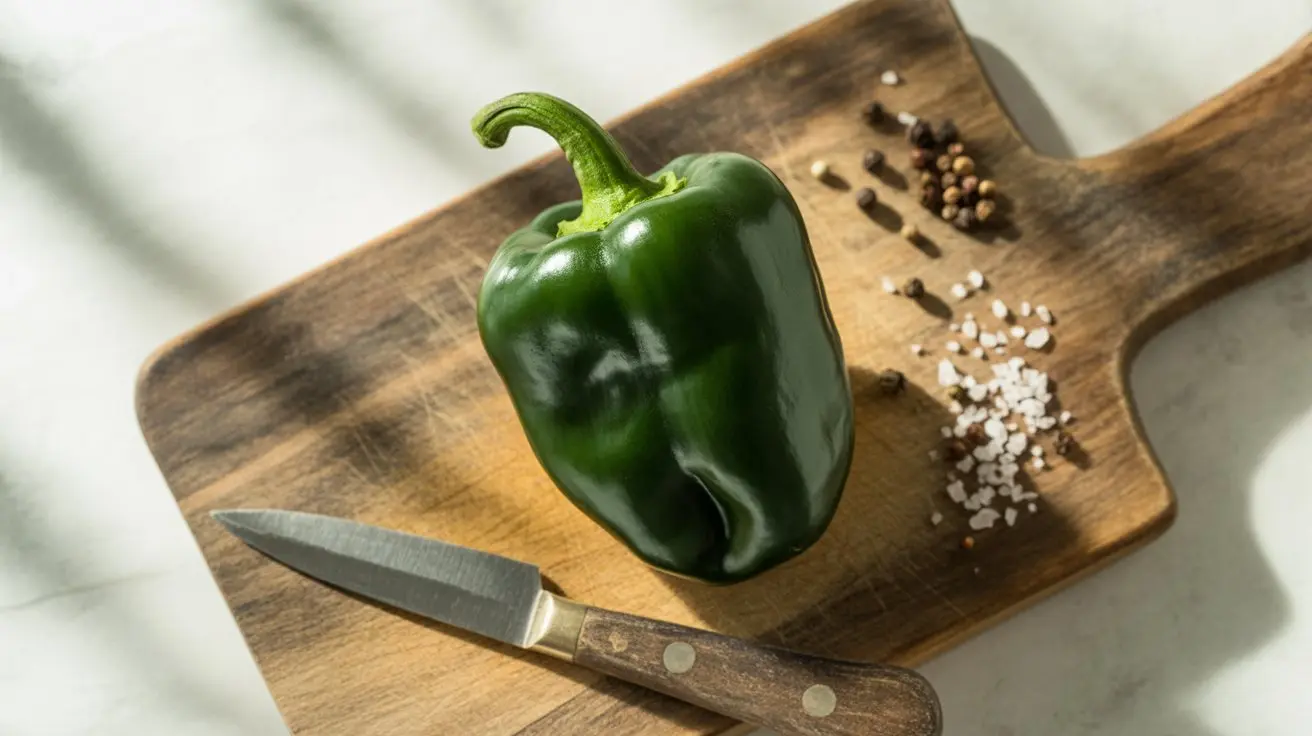
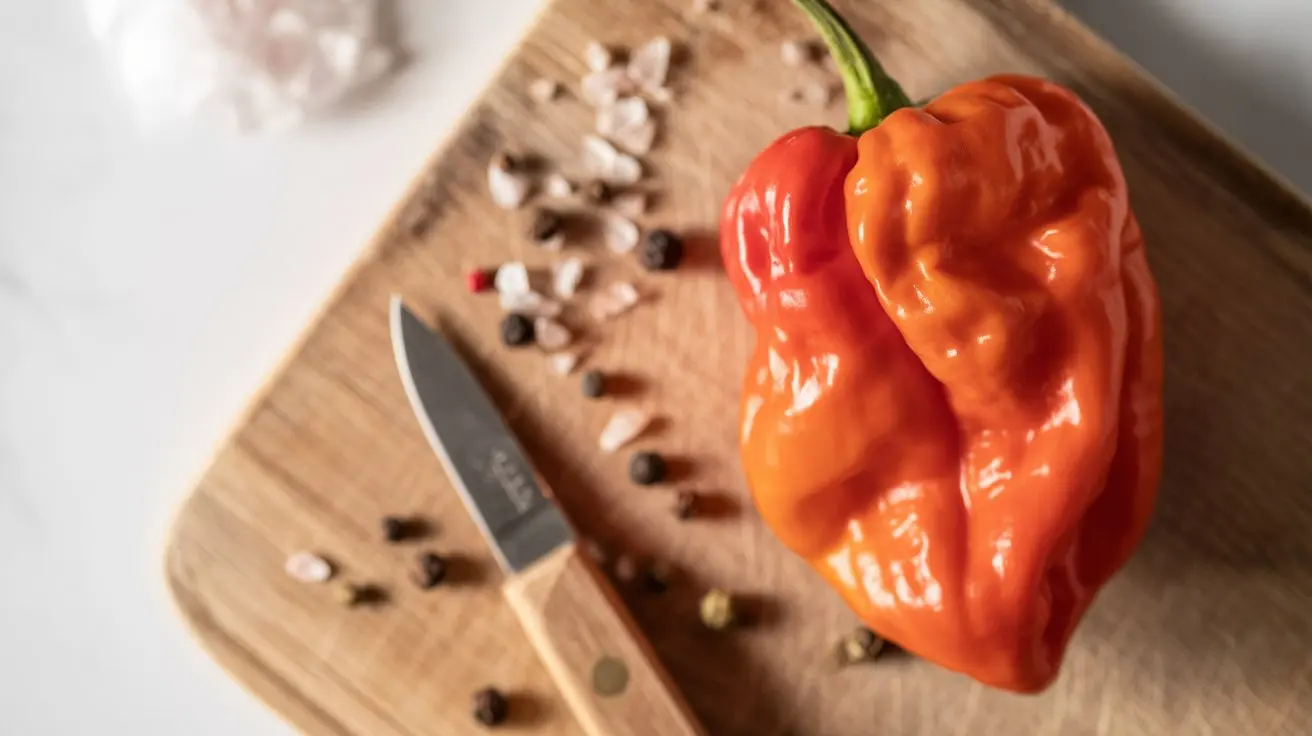
Poblano for stuffing and substantial roasted strips
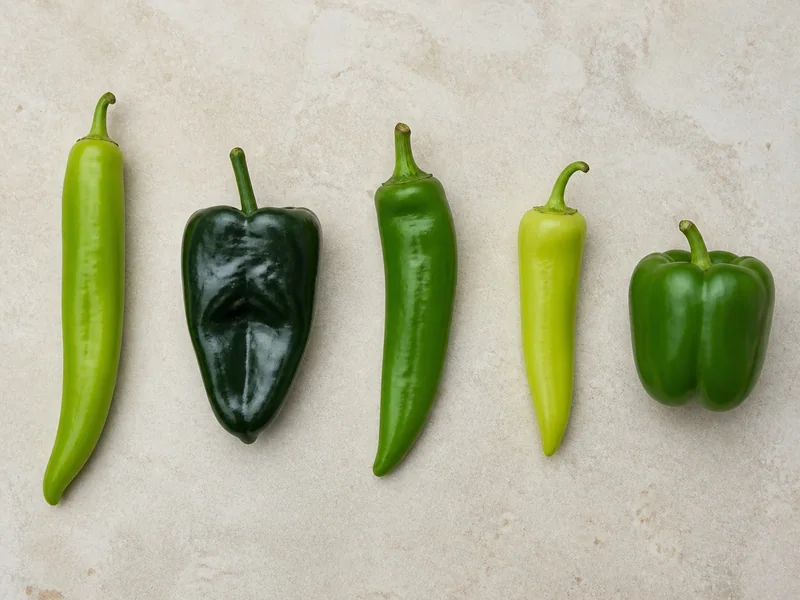
Closest MatchPoblano is the best structural substitute when Anaheim was meant to hold filling, roast in one piece, or become broad strips. Its sturdy wall and wide cavity survive handling better than a thin frying pepper.
The tradeoff is a darker, earthier flavor and a different shape. Start with one poblano per large Anaheim for shopping, then resize the filling by cavity or use equal trimmed weight for chopped recipes.
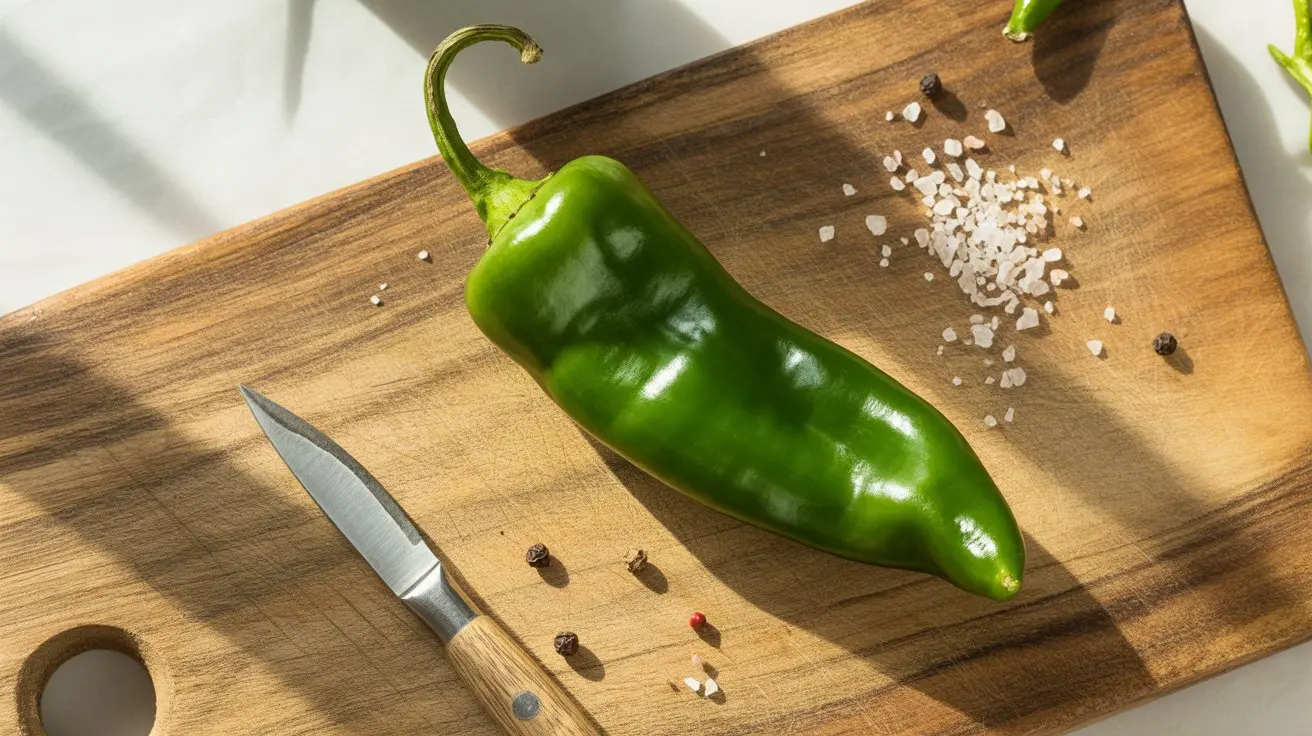
A mild New Mexican chile for roasted green-chile flavor
Runner-UpA mild New Mexican chile can preserve the long-pod shape and roasted flavor more closely than a cross-type substitute. The label may say New Mexico, Hatch, Big Jim, or a cultivar name, so read the package instead of assuming every green pod has the same heat.
Use equal roasted and drained weight in sauce, stew, enchiladas, casserole, or chopped relleno filling. Taste the batch before adding any jalapeno or chile powder.
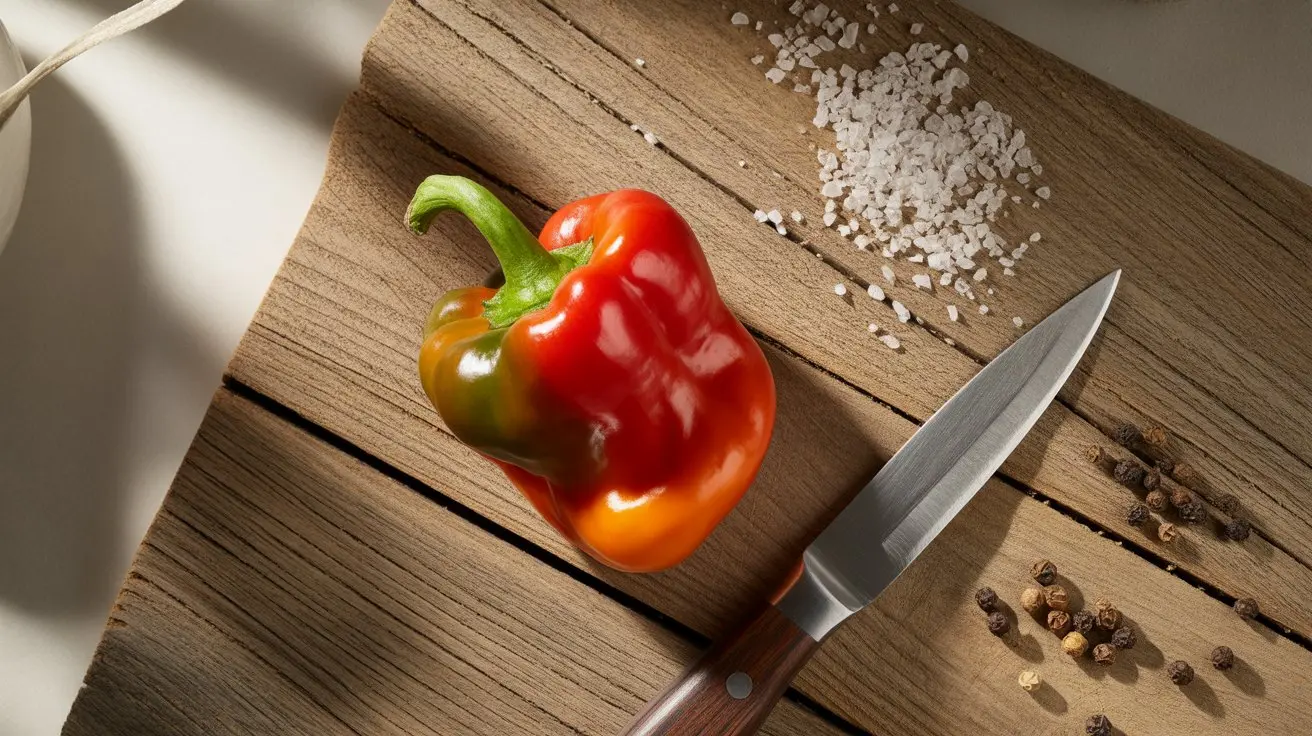
Cubanelle for sauteed strips and quick frying
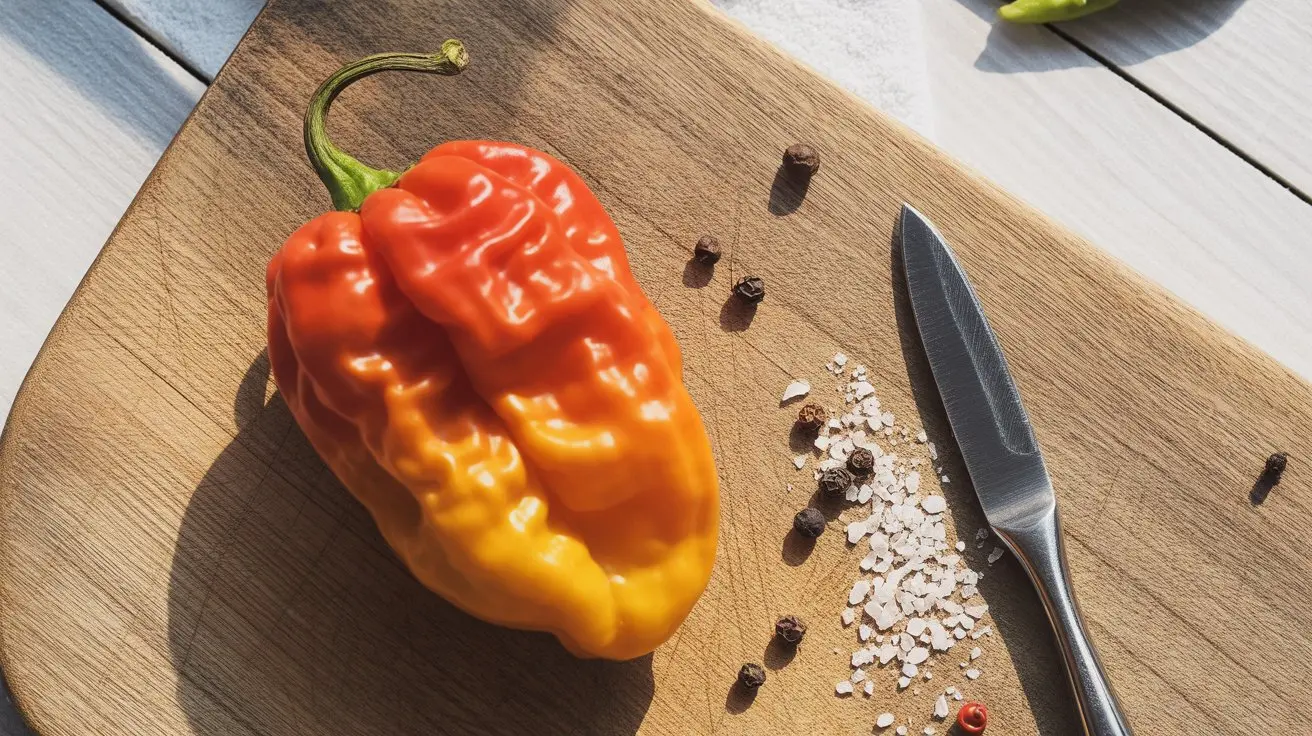
Also GreatCubanelle keeps a long mild pepper presence in sandwiches, skillet dishes, sofrito-style bases, and quick sauteed strips. It tastes sweeter and its wall softens faster than Anaheim, which is useful when the pepper should become tender without a full roast.
Use equal trimmed weight or chopped volume. Shorten the cooking time and avoid a heavy wet filling unless the pod is large enough to support it.
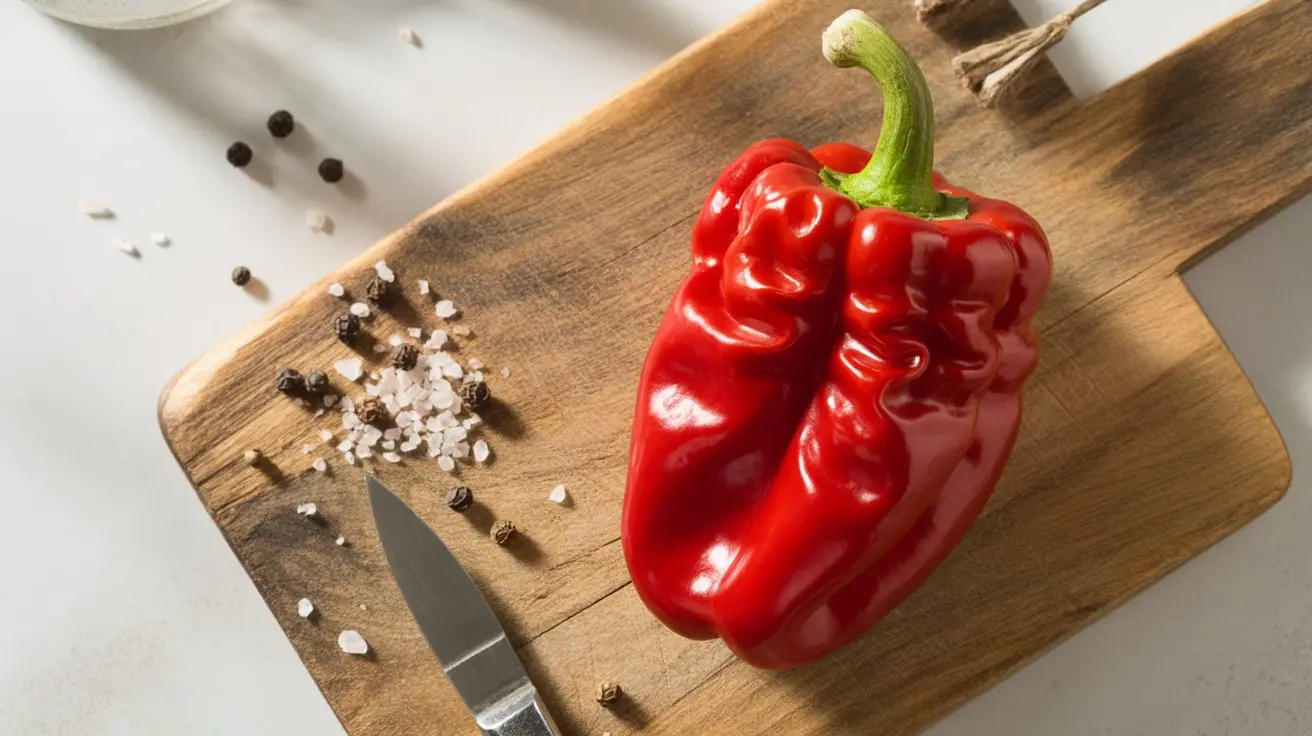
Green bell pepper for zero-heat bulk
Green bell pepper is the controlled choice when the dish needs volume, a firm wall, and no chile burn. It works in casseroles, skewers, stuffed peppers, soup, and chopped mixtures where blocky pieces will not disrupt the result.
Use equal trimmed weight for chopped Anaheim or one small bell for roughly two slender pods as a shopping estimate. Add green chile heat separately only if the dish still needs it.
Canned mild green chile for chopped cooked flesh
Canned mild green chile is a useful convenience swap in queso, eggs, soup, enchilada sauce, cornbread, and moist casseroles. It already arrives roasted, peeled, chopped, and softened, so it skips every job that depends on an intact fresh pod.
Drain before measuring and start with equal drained volume for chopped roasted Anaheim. Hold back other liquid until the sauce or batter shows its final consistency.
What works for stuffing and chile rellenos?
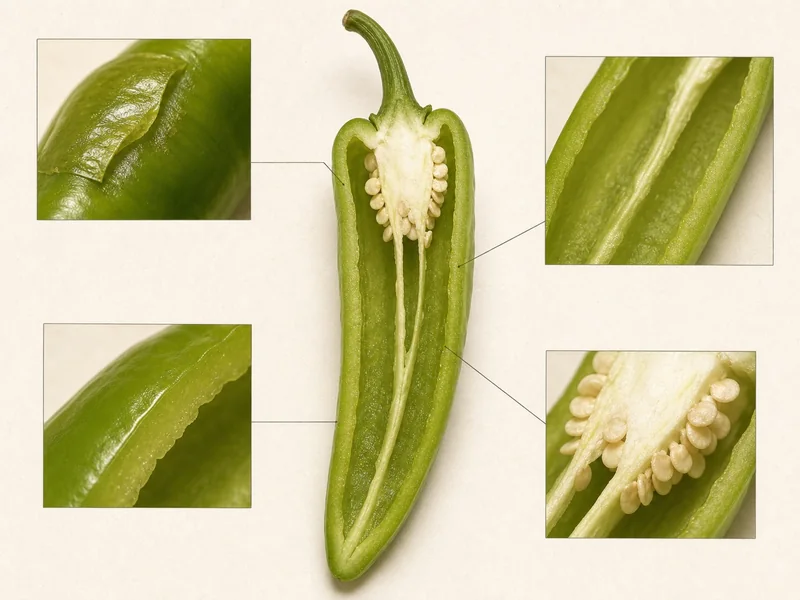
Poblano is the safest widely available stuffing choice because its broad cavity accepts cheese, meat, beans, or grains without forcing the filling into a narrow tube. Its earthy flavor is deeper than Anaheim, but roasting and sauce usually integrate that difference.
A long mild New Mexican chile is closer in silhouette and roasted character when you can verify the batch. Green bell pepper works for a large, sturdy vessel with no heat, although its block shape changes breading, plating, and the ratio of filling to chile.
| Pod choice | Cavity and wall | Filling adjustment |
|---|---|---|
| Poblano | Broad cavity, sturdy roasted wall | Start by pod count, then expect more filling per pepper |
| Long New Mexican chile | Closest long-pod geometry when the fruit is large | Use trimmed weight or actual cavity size |
| Green bell pepper | Very broad, firm, and blocky | Divide filling by cavity and change the serving format |
| Cubanelle | Long but thinner and quicker to soften | Use a lighter filling and support the pod while moving it |
- Open one test pod. Compare its cavity with the Anaheim amount the recipe assumed.
- Weigh or measure the filling. Divide it by the actual cavities rather than the original pepper count.
- Roast only to flexibility. A fully softened thin wall can tear before it is filled.
- Support the seam. Set filled pods seam-side up and move them with a broad spatula.

How should you roast and peel the replacement?
The National Center for Home Food Preservation gives 400 F or a broiler for 6 to 8 minutes as a reference for blistering chile skins. Treat that as a method boundary, not a universal timer, because broiler distance, pod thickness, and moisture change the finish.
Poblano may need more turning to blister its broad shoulders. Cubanelle can soften before every patch blackens, while a thick green bell needs quartering when the recipe wants peeled strips rather than a whole vessel.
- Vent whole pods. Cut a small slit so steam can escape during heating.
- Blister the surface. Turn the pepper until most skin loosens without burning the flesh underneath.
- Cover briefly. A covered pan or damp cloth lets trapped steam finish separating the skin.
- Peel without rinsing away flavor. Use fingers or a small knife once the pod is cool enough to handle.
- Drain before measuring. Roasted or canned chile can carry liquid that would thin a sauce or filling.

Can canned or dried chile replace fresh Anaheim?
Canned mild green chile works only after the recipe gives up the whole pod. It can replace roasted chopped Anaheim in eggs, queso, soup, casserole, salsa, or a blended green sauce, but it cannot become strips, hold filling, or contribute fresh crunch.
Frozen roasted chile is closer because it keeps larger pieces and a recognizable roasted texture. Drain either preserved form before measuring, then correct the sauce only after its retained liquid is visible.
| Available form | Good use | Do not use it for |
|---|---|---|
| Fresh whole pod | Stuffing, roasting, strips, fresh dice | A recipe that specifically requires dried red chile depth |
| Frozen roasted chile | Stew, sauce, casserole, eggs, chopped filling | Raw crunch or a whole stuffing vessel |
| Canned diced green chile | Quick sauce, queso, soup, moist casserole | Roasted strips, dry filling, fresh salsa texture |
| Dried red New Mexican pod | Soaked and blended red chile sauce | Fresh green flavor, stuffing, or sauteed strips |
How do you control heat without losing pepper volume?
Anaheim's reference range of 500 to 2,500 SHU is mild enough that volume often matters more than burn. A serrano or jalapeno can raise pungency, but a small hot pod cannot replace several ounces of mild roasted flesh.
Hatch is a place-based label rather than one fixed heat level. NMSU lists New Mexican cultivars from very mild to hot, so taste a small cooked piece from the actual batch before deciding whether the dish needs more chile.
Keep the poblano, Cubanelle, or bell pepper volume. Add a small amount of minced jalapeno, serrano, or measured chile powder to the sauce or filling.
Reduce the hot chile and restore missing bulk with mild pepper, tomato, onion, or another ingredient the recipe already supports.
- Cook a small sample first. Raw green chile can read differently after roasting and salt.
- Build the full mild volume. Protect sauce body or filling structure before adding heat.
- Add the hot component in a measured amount. Disperse it through the dish rather than concentrating it in one bite.
- Rest and taste again. Add more only after the heat has moved through the finished base.
Does the swap change canned salsa safety?
That boundary applies to shelf-stable canning. A refrigerated salsa can be adjusted for taste and texture, but a canned batch needs the tested formula that owns its safety.
Which Anaheim swaps usually fail?
- Serrano or jalapeno as the whole replacement: either can add green heat, but the smaller pod removes Anaheim's mild flesh, cavity, and volume.
- Pickled banana peppers in roasted green chile sauce: vinegar and brine change the acid balance and produce a tangy profile the original ingredient did not supply.
- Dried ancho or pasilla for fresh strips: dried pods can build a blended sauce, but they cannot recover fresh green texture after soaking.
- A blind Hatch one-to-one swap: the regional label covers different cultivars and heat levels, so the actual package and batch must guide dosing.
Substitution tip: When substituting Anaheim Pepper, start with less of a hotter substitute and add more to taste. For milder substitutes, increase the quantity.
Our swap ratio calculator gives precise conversion amounts, and the heat unit converter translates between Scoville and other scales.