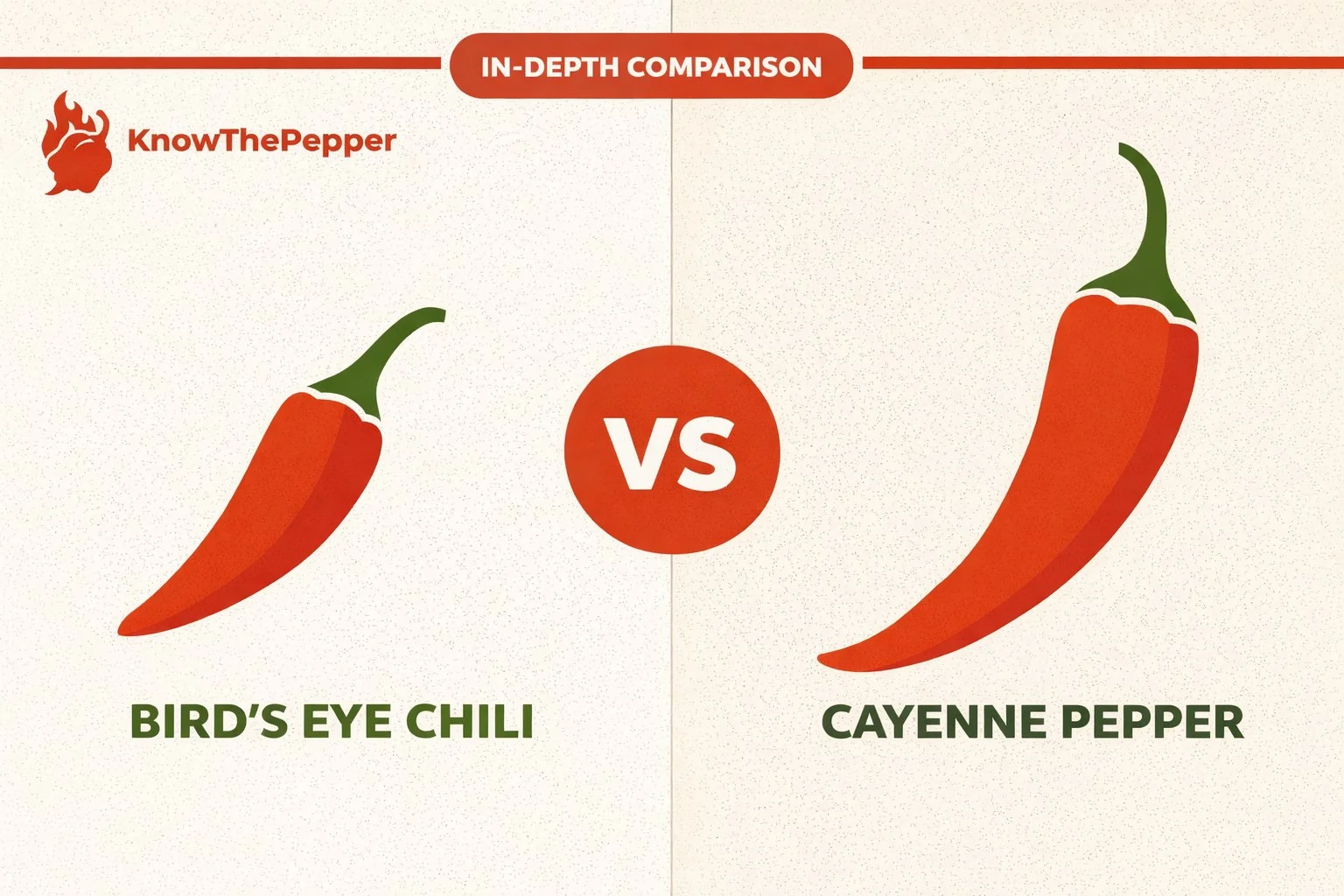
Peri Peri vs Cayenne: Sauce Pepper or Powder?

Use peri peri when the recipe wants a chile sauce with acid, garlic, oil, and bright heat. Use cayenne when the recipe needs dry, clean heat that spreads through rubs, soups, beans, and spice blends. The names overlap in heat, but they do not behave the same in food.

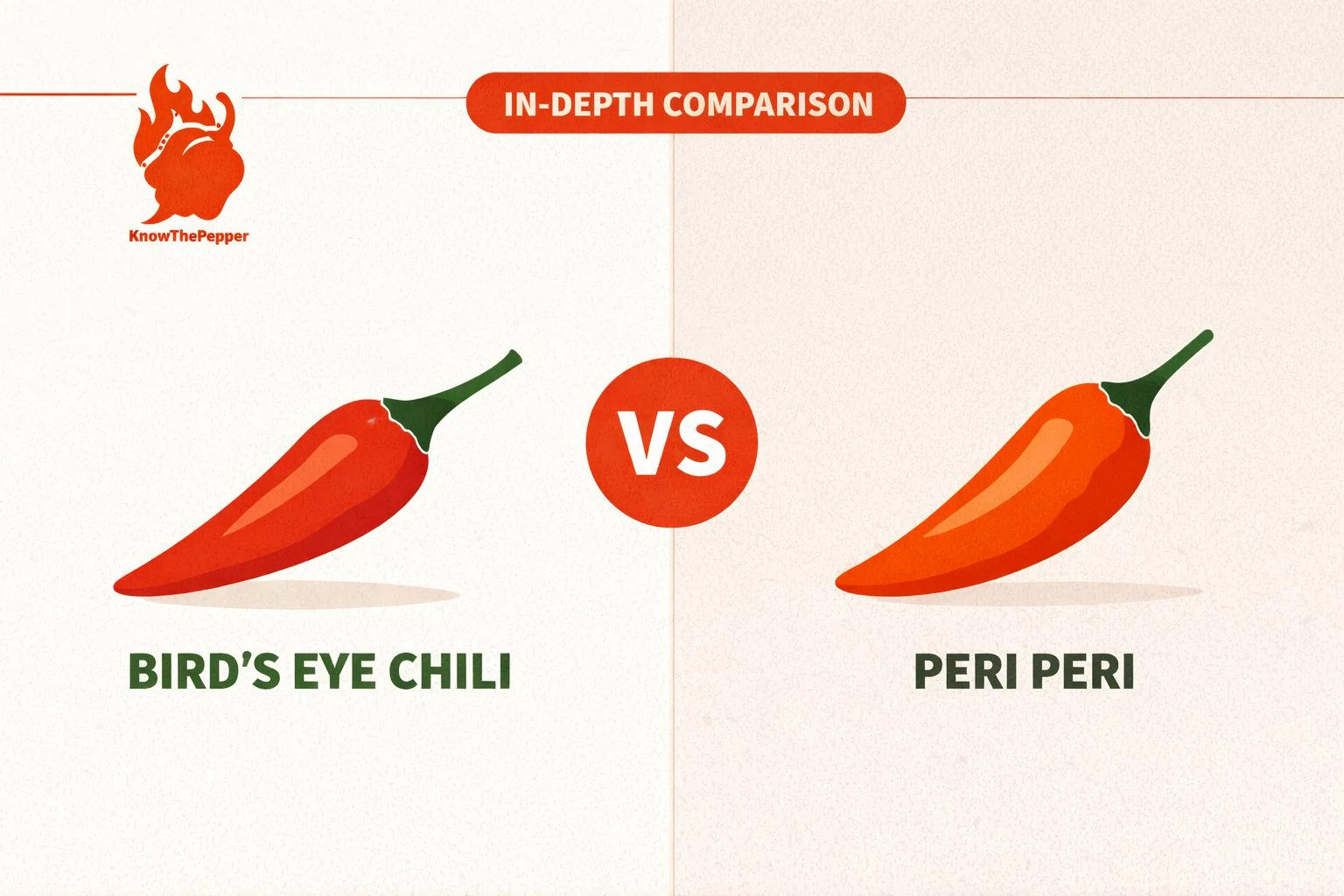
Peri Peri vs Cayenne comparison
Quick Comparison

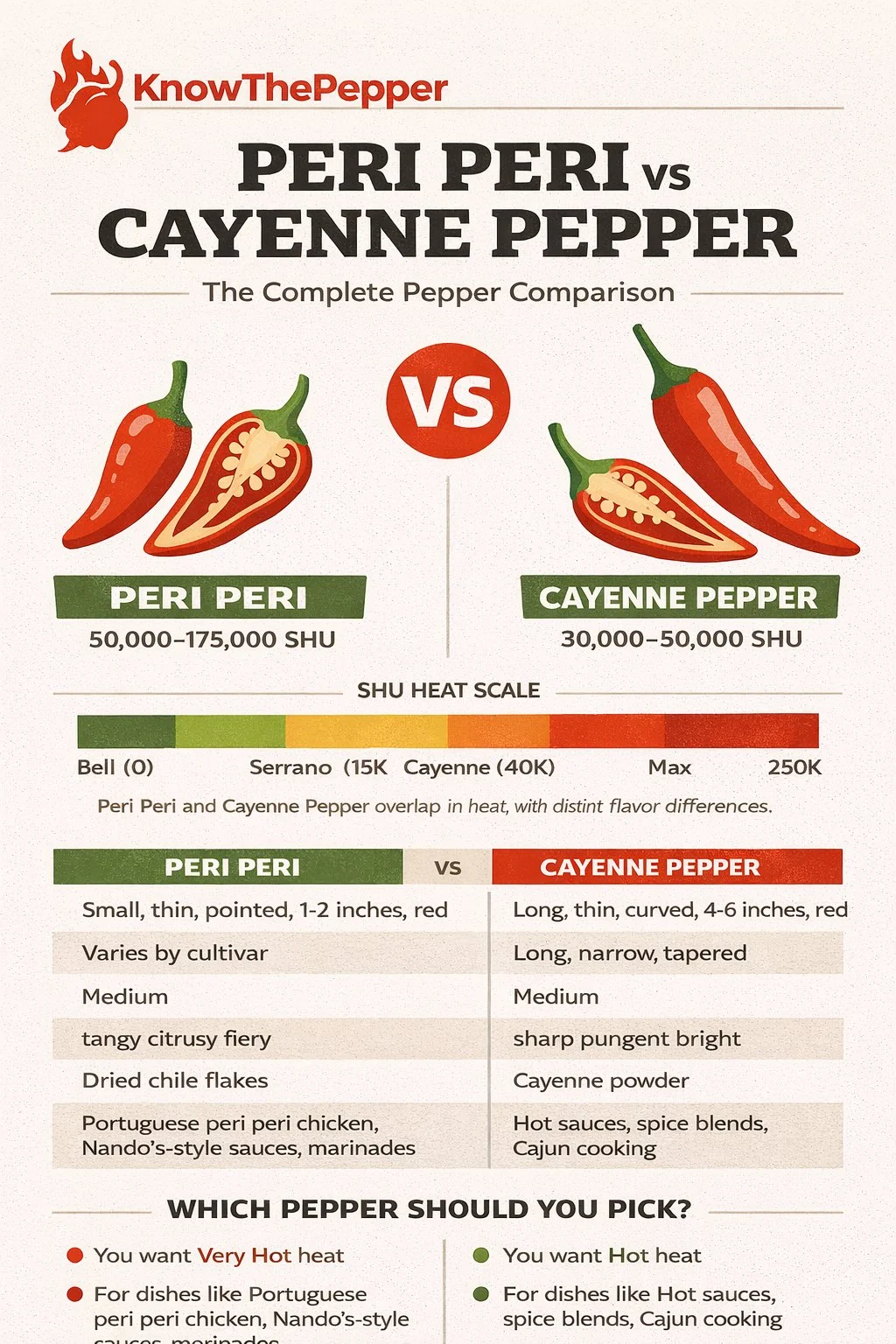
Peri Peri measures 50K–175K SHU while Cayenne Pepper registers 30K–50K SHU. That makes Peri Peri about 3.5x hotter by upper SHU range. Peri Peri is known for its citrusy and hot flavor (C. frutescens), while Cayenne Pepper offers neutral and peppery notes (C. annuum).

Peri Peri
50K–175K SHU
Extra-Hot · citrusy and hot
Cayenne Pepper
30K–50K SHU
Hot · neutral and peppery
  • Heat difference: Peri Peri is about 3.5× hotter by upper SHU range
  • Species: C. frutescens vs C. annuum
  • Best for: Peri Peri excels in hot sauces and extreme dishes, Cayenne Pepper in fresh salsas and mild recipes

Peri Peri vs Cayenne Pepper Comparison

Attribute Peri Peri Cayenne Pepper
Scoville (SHU) 50K–175K 30K–50K
Heat Tier Extra-Hot Hot
vs Jalapeño 22x hotter 6x hotter
Flavor citrusy and hot neutral and peppery
Species C. frutescens C. annuum
Origin Africa French Guiana

Peri Peri vs Cayenne Pepper Heat Levels

Position on the Scoville Scale
Peri
Cayenne
0 SHU3.2M SHU

Peri Peri is about 3.5× hotter than Cayenne Pepper. They fall in different heat tiers: Peri Peri is classified as extra-hot while Cayenne Pepper sits in the hot range.

Peri Peri spans 50K–175K SHU, roughly 22× a jalapeño at the upper end. Cayenne Pepper spans 30K–50K SHU, about 6× a jalapeño at the upper end. Use the ranges to decide whether the recipe needs a measured dose, a mild overlap, or a hard substitution limit. Tools: Scoville chart and SHU calculator.

Flavor Profile Comparison

Peri Peri
citrusy hot C. frutescens

The first time I encountered peri peri in its raw form - not the bottled sauce, but the actual fresh pepper - I was struck by how the citrus hit before the heat. That sequence matters.

Capsicum frutescens at its finest, the peri peri (also spelled piri piri) grows as a compact, upright plant with small elongated pods that ripen from green through yellow to red. The mature red fruits carry the most heat, measuring up to 175,000 SHU when fully ripe under good sun.

Cayenne Pepper
neutral peppery C. annuum

Few peppers have traveled as far or worked as hard as cayenne. Originating in French Guiana, it spread through trade routes to become a fixture in cuisines from Louisiana to Sichuan to Ayurvedic medicine cabinets.

The fresh pods are long, slender, and bright red at maturity - typically 4–6 inches with a tapered tip. As a C. annuum botanical species, cayenne shares its genetic family with jalapeños, bells, and serranos, though its heat - 30,000–50,000 SHU - puts it well above most of its relatives in the hot heat tier.

Peri Peri (C. frutescens) and Cayenne Pepper (C. annuum) come from different species, giving them fundamentally different flavor profiles.

Peri Peri brings citrusy and hot notes, so it fits recipes where that flavor should remain visible. Cayenne Pepper leans neutral and peppery, which can change the sauce, filling, marinade, or garnish even when the heat range looks close.

Peri Peri and Cayenne Pepper comparison

Culinary Uses for Peri Peri and Cayenne Pepper

Peri Peri

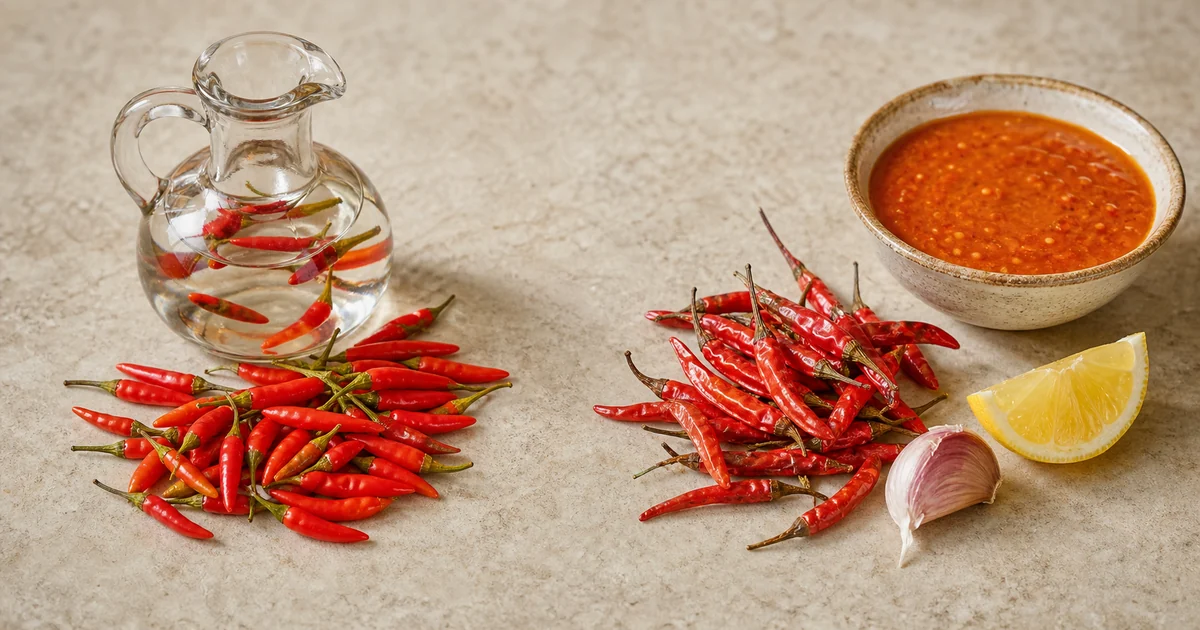
Peri peri's thin walls and citrus-forward flavor make it one of the most flexible hot peppers for sauce work. The classic preparation is simple: blend fresh or dried peri peri with garlic, lemon juice, oil, and salt.

For marinades, dried and ground peri peri penetrates meat faster than thicker-walled peppers. A 2-hour marinade with peri peri powder, citrus, and oil will flavor chicken thighs more deeply than a 24-hour soak with something like a dried ancho.

The heat sits in a range comparable to Malagueta's intense, sharp burn - both are serious peppers that reward measured use. Start with half a teaspoon of dried peri peri per pound of protein and adjust from there.

Cayenne Pepper

Ground cayenne is a workhorse ingredient. A quarter teaspoon can lift an entire pot of soup; a full teaspoon starts to build serious heat.

Cooking ratio to remember: 1/4 teaspoon ground cayenne approximates the heat of 1 medium fresh cayenne pepper in a dish for 4 people. Scale from there based on preference.

For peppers for grilling, whole dried cayenne pods rehydrate well in hot water for 20 minutes and can be blended into sauces. The rehydrated form has more body than ground powder and adds texture to salsas.

Which Should You Choose?

Best fit

Choose Peri Peri if…

You want maximum heat
You prefer citrusy and hot flavors
You need a C. frutescens variety

Best fit

Choose Cayenne Pepper if…

You want milder, more approachable heat
You prefer neutral and peppery flavors
You need a C. annuum variety

Can You Substitute One for the Other?

Hotter replacement

Replacing Cayenne Pepper with Peri Peri

Use approximately 1/4 the amount. Start with less and add gradually.

Milder replacement

Replacing Peri Peri with Cayenne Pepper

Use 4× the amount, but you still won’t reach the same heat intensity.

Growing Peri Peri vs Cayenne Pepper

Growing notes

Peri Peri

Peri peri grows best in full sun with well-draining soil and consistent warmth - it's a tropical species that does not tolerate frost. Start seeds indoors 10-12 weeks before last frost, keeping soil temperature at 80-85°F for germination.

The plants stay compact, typically reaching 18-24 inches, which makes them workable in containers. A 5-gallon pot with quality potting mix and a slow-release fertilizer will carry a plant through a full season.

For comparison, the cultivation approach for its close botanical relative is nearly identical - both prefer the same temperature ranges and soil conditions.

Growing notes

Cayenne Pepper

Cayenne is one of the more forgiving hot peppers to grow, which explains its global reach. Start seeds indoors 8–10 weeks before last frost.

Cayenne wants 8+ hours of direct sun daily. It tolerates more heat than many peppers and continues setting fruit at temperatures that cause jalapeños to drop blossoms - a key advantage in hot summer climates.

Space plants 18–24 inches apart in well-drained soil with pH 6.0–6.

Where They Come From

Origin & background

Peri Peri

Africa · C. frutescens

Peri peri's story is a colonial trade route in miniature. Portuguese explorers brought Capsicum frutescens to East and Southern Africa in the 15th and 16th centuries, where it naturalized so thoroughly that most people assume it's indigenous.

The name comes from the Swahili and Ronga words for pepper, and the pepper became central to Mozambican, Angolan, and South African cooking long before it got famous in the West.

Origin & background

Cayenne Pepper

French Guiana · C. annuum

Cayenne traces back to French Guiana on South America's northeastern coast, where indigenous peoples cultivated Capsicum annuum varieties long before European contact. Portuguese and Spanish traders carried the pepper eastward in the 16th century, and it took root across Asia, Africa, and Europe with remarkable speed.

By the 18th century, cayenne had become a staple in European apothecaries, listed as 'capsicum tincture' for digestive complaints and circulation. This medicinal reputation persisted well into the 19th century - cayenne tinctures appeared in the British Pharmacopoeia until the mid-20th century.

Buying & Storage

Whether you’re shopping for Peri Peri or Cayenne Pepper, the same quality indicators apply. Fresh peppers should feel firm and heavy for their size, with taut, glossy skin and no soft or wet spots. Minor stem cracks known as “corking” are perfectly normal and often indicate a mature, flavorful pod.

Selection

What to look for

  • Firm pods with taut skin and consistent color
  • Should feel heavy relative to size
  • Minor stem cracks (“corking”) are normal
  • Avoid anything soft, shriveled, or with dark wet spots

Storage

How to store them

  • Fresh: Paper bag, crisper drawer, 1 to 2 weeks
  • Frozen: Wash, dry, freeze on sheet pan, 6+ months
  • Dried: Airtight and away from light, up to 1 year

Mistakes to avoid

Common misses

Peri Peri

  • Skipping gloves. Capsaicin absorbs through skin.
  • Using too much. Start with a quarter pod.
  • Drinking water for the burn. Use dairy instead.

Common misses

Cayenne Pepper

  • Blaming the seeds. Membranes hold most capsaicin.
  • Adding heat too early. Capsaicin breaks down with cooking.
  • Not tasting individual pods. Heat varies 30%+.
Final call

Peri Peri vs Cayenne Pepper

Peri Peri and Cayenne Pepper occupy very different positions on the heat spectrum. Peri Peri delivers about 3.5× more upper-range heat with its distinctive citrusy and hot character. Cayenne Pepper, with its neutral and peppery profile, excels in everyday cooking.

Heat gap about 3.5× by upper range Peri Peri citrusy and hot Cayenne Pepper neutral and peppery

Sauce Or Dry Heat

Ask whether the recipe expects sauce or powder. Peri peri, a Capsicum frutescens pepper, usually brings a sauce idea with it: chile, lemon or vinegar, garlic, oil, and salt. Cayenne usually brings dry heat that disappears into the food.

That split changes the whole cook. A peri peri marinade can coat chicken and bring acid to the surface. Cayenne can season flour, chili, beans, or soup without adding liquid. If the recipe says peri peri chicken, do not swap in plain cayenne and stop. If the recipe says add a pinch of cayenne, do not pour in wet peri peri sauce unless the dish can handle acid and oil.

Build Peri Peri From Pantry

A pantry version of peri peri starts with more than heat from the African pepper tradition. Use cayenne or another hot chile for burn, then add lemon juice or vinegar, grated garlic, oil, and salt.

That rebuild gives the sauce its lift.

Without acid, the result tastes like spicy oil or dry rub. Without fat, it tastes sharp but thin.

For grilled chicken, let the rebuilt sauce touch the food early enough to season it, then save a little fresh sauce for the table. That two-step use is closer to peri peri sauce cooking than dusting cayenne over finished meat.
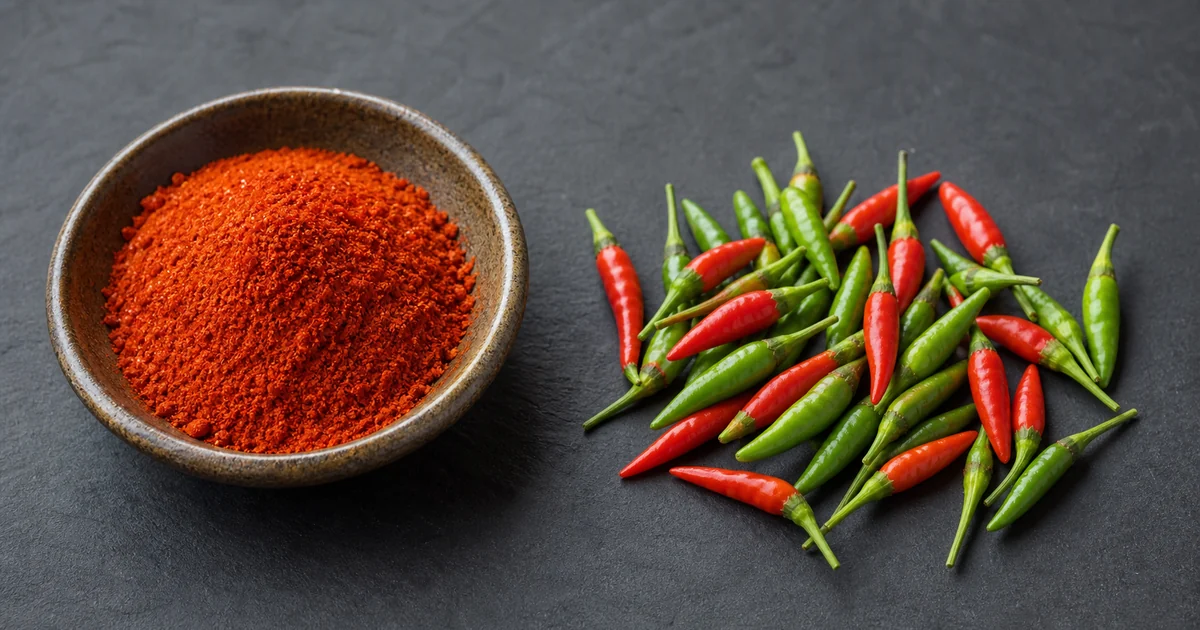
Cayenne When Heat Must Disappear

Cayenne works best when the pepper should not become a visible ingredient, much like the dry-heat role in cayenne vs red pepper flakes. It blends into spice rubs, soup, black beans, chili, scrambled eggs, and dry breading.

The flavor is cleaner and less citrusy than peri peri. That makes cayenne useful when the dish already has its own main flavor and only needs heat.

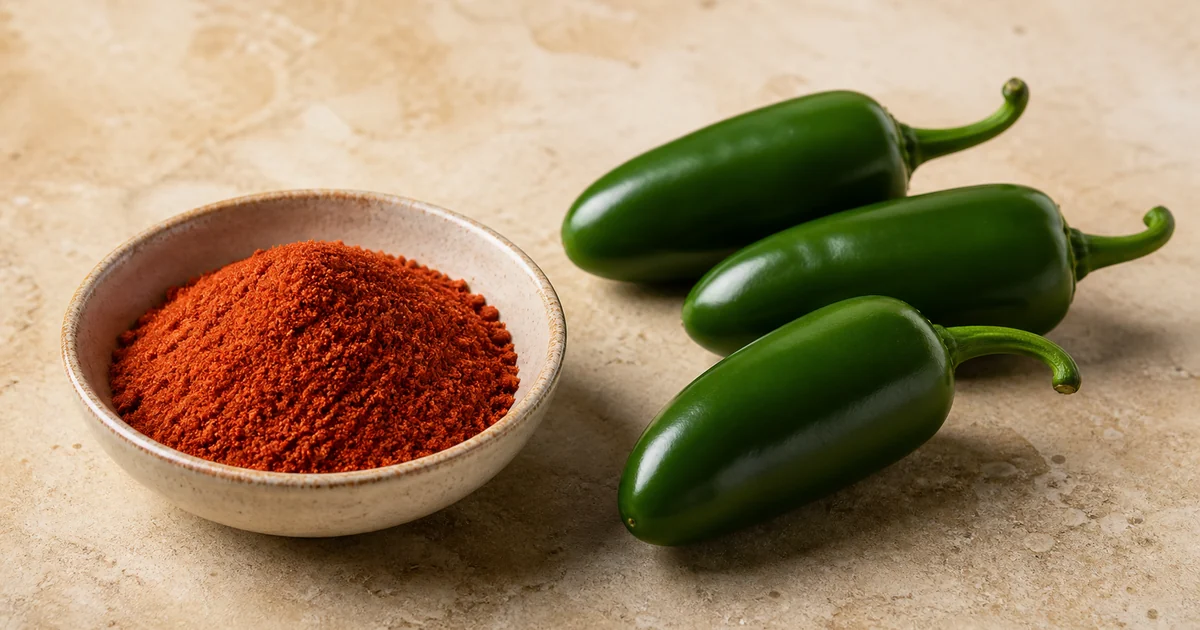
A small spoon can season a full pot because powder spreads evenly. That is why cayenne powder is safer than chopped hot pods for batch cooking when you want every serving to taste the same.

Heat Range Can Mislead

The heat chart places peri peri above cayenne by normal pepper-range listings. On paper, peri peri can be much hotter. Food can flip that feeling.

A diluted peri peri sauce may taste milder than a dry cayenne-heavy rub because water, oil, lemon, and garlic spread the burn out. Dose by form. For sauce, taste the liquid. For powder, start with a pinch or quarter teaspoon, then wait for the heat to spread through the food.

Swap By Dish

For dry rubs, use cayenne first. Add smoked paprika, garlic powder, or oregano if the rub needs more shape.

For marinades, start with peri peri or rebuild it from cayenne plus acid, garlic, oil, and salt. The acid changes texture and flavor, so it belongs in the plan from the start.

For table sauce, peri peri wins because the sauce can sit on the food as a finishing flavor. Cayenne needs a carrier such as vinegar, butter, mayo, or oil before it works at the table.

Buying Forms

Fresh peri peri pods are harder to find than cayenne powder. Dried peri peri, piri piri flakes, and bottled sauces are more common in Portuguese, African, and specialty shops.

Cayenne is everywhere as ground powder. Whole fresh cayenne appears less often, but the dry spice is the reason cooks rely on it. Check labels before buying sauce. Some peri peri bottles taste mostly of vinegar, lemon, or garlic. That can be good, but it means the bottle is a condiment, not a pure pepper substitute.

Fact-Checked & Expert Reviewed
Editorial Standards: Head-to-head comparisons include blind tasting when applicable. Heat levels cross-referenced with multiple sources. All substitution ratios tested side-by-side.
Review Process: Written by James Thompson (Lead Comparison Reviewer) , reviewed by Karen Liu (Lead Fact-Checker & Science Editor) . Last updated June 29, 2026.

Peri Peri vs Cayenne Pepper FAQ

It can be hotter as a pepper, but sauce form changes the experience. A bottled peri peri sauce may taste milder than a dry cayenne-heavy rub because the chile is diluted with acid, oil, and garlic.

Yes, but rebuild the sauce. Add lemon or vinegar, garlic, oil, and salt so the dish gets peri peri-style flavor instead of plain dry heat.

Cayenne is usually better for dry rubs because powder spreads evenly and does not add liquid or acid. Peri peri fits wet marinades and table sauces better.

Peri peri dishes often include acid from lemon or vinegar, plus garlic and oil. Cayenne usually tastes cleaner and drier because it is most often used as powder.

Sources & References
KL
Fact-checked by Karen Liu
Research Contributor
SHU Verified
Sources Cited
Expert Reviewed
All Comparisons Browse Peppers Scoville Scale