The fruity Caribbean heat of a Scotch Bonnet is one of the hardest flavor profiles to replicate — that combination of tropical sweetness and face-flushing intensity is genuinely rare. Most substitutes can match the heat, but getting both the fruit-forward aroma and the right burn takes some thought about what your dish actually needs.
These alternatives are ranked by how closely they match Scotch Bonnet’s heat level and flavor profile. Use the conversion ratios to adjust quantities in your recipe.
#1
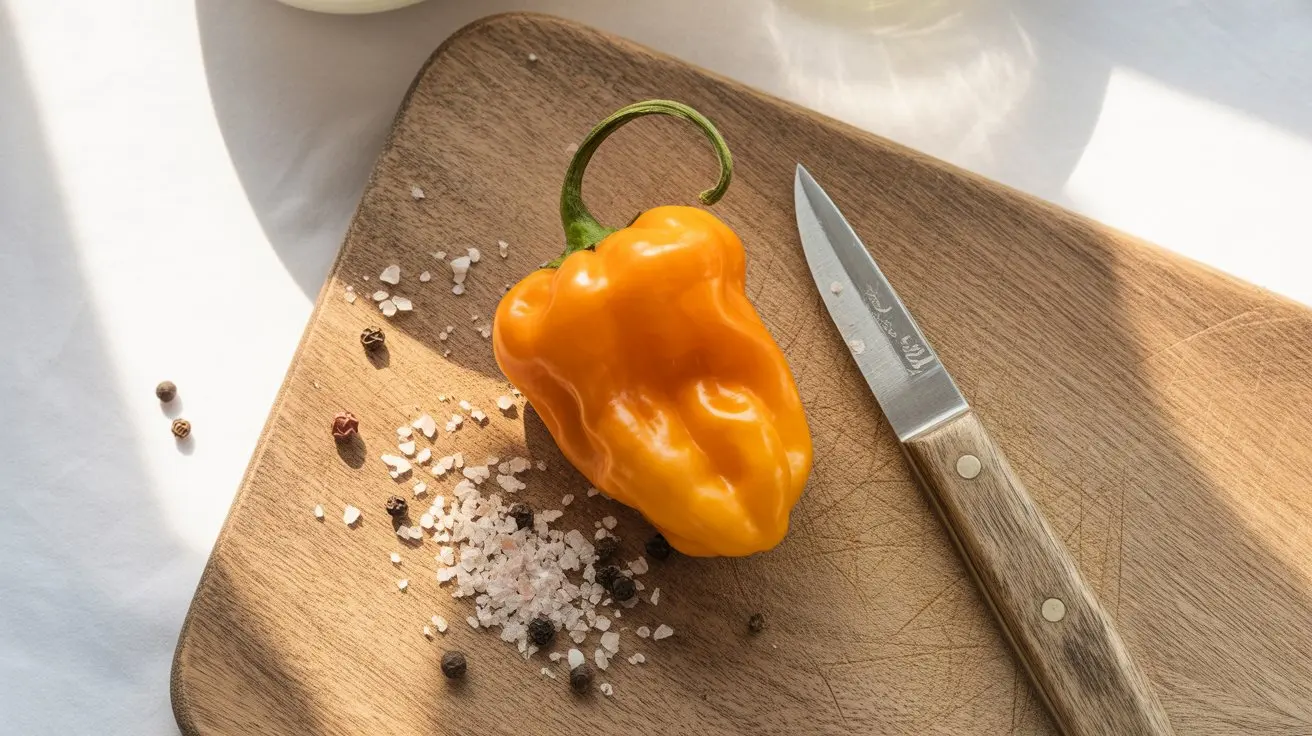
Habanero Closest Match
100,000-350,000 SHU — The habanero is the most practical swap in most kitchens. It sits in the same extra-hot intensity bracket as the Scotch Bonnet, so the burn level transfers cleanly. The flavor leans citrusy rather than purely tropical, which means your jerk marinade or pepper sauce will be slightly sharper and less rounded — noticeable, but not a dealbreaker.
100,000-350,000 SHU — Surinamese in origin, the tropical sweetness and lingering burn of Madame Jeanette makes it arguably the closest flavor match on this list. It shares the fruity, almost candy-like aroma that defines Scotch Bonnet dishes, and the heat builds in a similar slow wave.
Substitute at 1:1. Availability is the only real obstacle — Caribbean and Dutch grocery stores are your best bet.
#3
Aji Chombo Also Great
100,000-350,000 SHU — Panama's answer to the Scotch Bonnet, the fruity tropical punch of Aji Chombo is a near-twin in both flavor and heat. It belongs to the same C. chinense botanical family and even looks similar. If you can find it, this is the substitute that will fool most people.
Ratio: 1:1, no adjustment needed.
#4
Fatalii
125,000-400,000 SHU — The bright citrus-forward heat of the Fatalii skews hotter at its ceiling than a Scotch Bonnet, so dial back slightly. Its flavor is more aggressively citrusy — think lemon zest meets scorching heat rather than mango. It works well in hot sauces and marinades where a sharper fruit note is acceptable.
Use ¾ of the called-for amount and taste as you go. The Caribbean pepper tradition rarely uses Fatalii natively, but the flavor bridge is solid.
#5
Jamaican Hot Chocolate
100,000-350,000 SHU — A brown-skinned variant with a smoky depth underneath the tropical fruit that standard Scotch Bonnets lack. The heat is identical, but the flavor adds a subtle earthiness — useful when you want complexity in a slow-cooked stew or escovitch sauce, less ideal for fresh preparations where clean fruit flavor matters.
Substitute 1:1 by weight.
#6
Wiri Wiri
100,000-350,000 SHU — These small Guyanese peppers pack the bright, snappy fruitiness of Wiri Wiri into a tiny package. The flavor is genuinely fruity and the heat is comparable, though the berry-like aroma is distinct from Scotch Bonnet's mango-tropical profile. They shine in pickles and sauces.
Because they're small, use 4-5 Wiri Wiri per 1 Scotch Bonnet called for. The heat-to-flavor ratio is similar once you account for size.
#7
White Habanero
100,000-350,000 SHU — The floral and fruity character of the White Habanero sets it apart from its orange cousin. The heat is the same, but the flavor is more delicate — almost floral with a clean fruit note that works well in lighter dishes like ceviche or fruit salsas where the Scotch Bonnet's tropical punch might otherwise overwhelm.
Ratio: 1:1. Worth seeking out at Latin markets or specialty grocers.
Bird's Eye Chili looks tempting because it's widely available and genuinely hot (50,000-100,000 SHU), but the flavor is thin and grassy with none of the tropical sweetness that defines Scotch Bonnet cooking. You'd get heat without the soul of the dish.
Cayenne pepper is another poor match despite its common appearance in substitute lists. At 30,000-50,000 SHU it falls far short on heat, and the flavor is one-dimensional — sharp and vegetal where the Scotch Bonnet is round and fruity. Even doubling the amount won't fix the flavor gap.
Serrano peppers are sometimes suggested for Caribbean dishes, but at 10,000-23,000 SHU they're roughly 15 times milder than a Scotch Bonnet — closer to a Fresno in intensity. The clean, grassy bite is the opposite of what you need for jerk seasoning or pepper sauce.
Substitution Tip
When substituting Scotch Bonnet (100K–350K SHU), always start with less of a hotter substitute and add more to taste. For milder substitutes, you can increase the quantity. Our swap ratio calculator gives precise conversion amounts, and the heat unit converter translates between Scoville and other scales.
Fact-Checked & Expert Reviewed
Editorial Standards: All facts verified against authoritative sources. Content reviewed by subject matter experts before publication.
Review Process:
Written by
Sofia Torres
(Lead Culinary Reviewer)
, reviewed by
Karen Liu
(Lead Fact-Checker & Science Editor)
. Last updated February 18, 2026.
They're close relatives in the C. chinense species with overlapping heat ranges (100,000-350,000 SHU), but the flavor differs noticeably — habanero is citrusy and sharp while Scotch Bonnet is rounder and more tropical. In cooked dishes the difference is subtle; in raw preparations like fresh salsas or pepper sauce, it's more apparent.
Dried habanero powder works for heat but loses the fresh fruity aroma that makes Scotch Bonnet irreplaceable in Caribbean cooking. If using powder, start with ½ teaspoon per fresh pepper and add a small amount of mango or pineapple juice to the dish to compensate for the lost tropical flavor.
Madame Jeanette or Aji Chombo are the top choices — both share the tropical fruit profile that defines authentic jerk seasoning. If neither is available, habanero at a 1:1 ratio is the most practical option and still produces excellent results.
Use 4-5 Wiri Wiri peppers to replace a single Scotch Bonnet, adjusting based on the size of the individual peppers. The heat level is comparable, but the flavor is slightly more berry-like, so the swap works best in cooked sauces rather than fresh preparations.
At its peak, yes — Fatalii tops out around 400,000 SHU versus the Scotch Bonnet's ceiling of 350,000 SHU. When substituting, use about ¾ of the amount called for and taste as you go, especially in dishes where the pepper is a primary flavor rather than a background heat source.