

Piquin Pepper Replacements for Salsa With Sharp Heat and a Nutty Edge
Piquin peppers are small, fiery chiles deeply embedded in Mexican and Tex-Mex cooking traditions, dried, crushed, or simmered into salsas and sauces where their sharp, smoky heat drives the dish. When fresh piquins are unavailable (and they often are, outside specialty markets or your own garden), you need a substitute that can replicate both their intensity and their slightly fruity, nutty character. The seven options below cover everything from heat-forward swaps to milder builds where you control the fire.
Heat at a glance
What Can You Use Instead of Piquin Pepper?
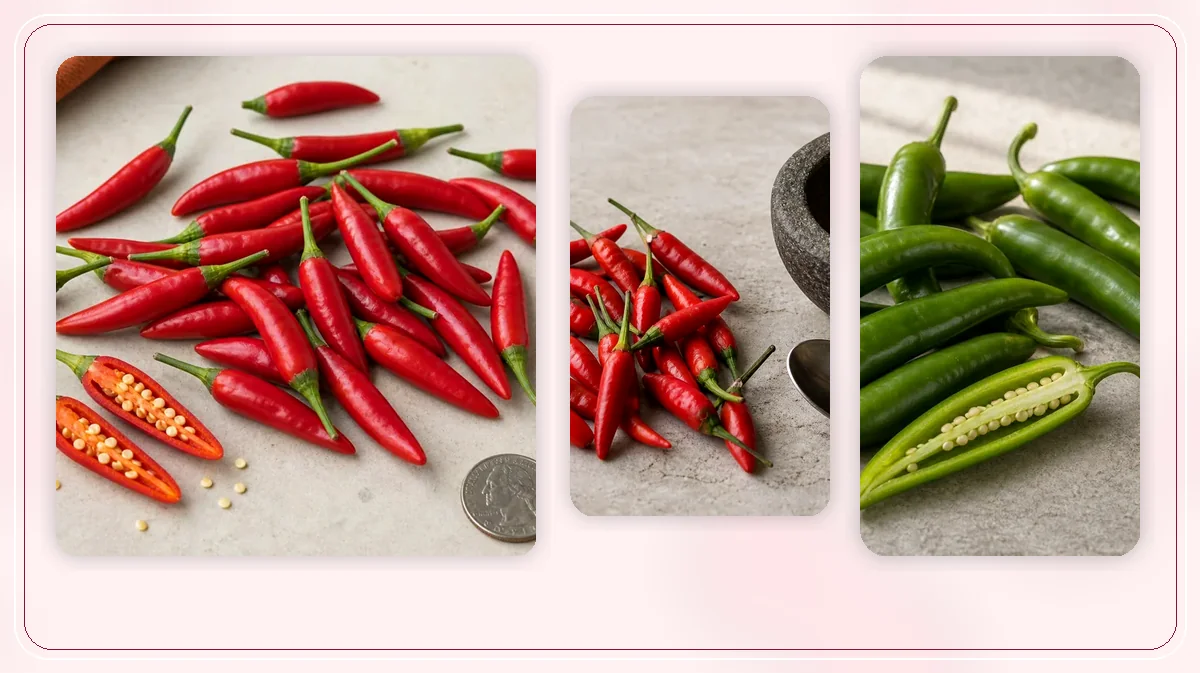
Prik Kee Noo
Closest MatchThese tiny Thai bird chiles bring a clean, piercing heat that mirrors the piquin's sharp bite better than almost anything else on this list. At full strength, use a 1:1 ratio - they're similarly small and similarly relentless.
The flavor leans a little greener and more vegetal than piquin, but in cooked salsas and stews, that difference mostly disappears.
Check out the bright, needle-sharp heat profile of prik kee noo before committing to a large batch.
Use this swap in cooked salsa, vinegar sauce, and soups where piquin normally adds small bursts of heat. If the recipe calls for whole dried piquin, crush prik kee noo more finely and start with three-quarters volume because the heat spreads faster.
For dried use, dehydrate the substitute fully before grinding so the powder stays clean instead of grassy.
Malagueta Pepper
Runner-UpBrazil's workhorse chile punches with a fruity, slightly smoky edge that echoes the piquin's complexity. The small but assertive character of malagueta makes it a natural fit for sauces and pickled preparations.
Use a 1:1 ratio by count for whole chiles, or match by volume when working with dried and crushed forms.
It runs slightly hotter in some harvests, so taste as you go.
Malagueta works best in table sauce and brines, not as a dry pantry chile. Use 1:1 by count for fresh pods, then adjust vinegar and salt separately so the sauce keeps piquin-style brightness instead of turning only sour.
Guntur Sannam
Also GreatThis South Indian dried red chile is underrated as a piquin stand-in. It brings real heat with an earthy, slightly tannic backbone, useful when you want depth alongside the fire.
Because Guntur Sannam chiles tend to be larger, use roughly half the count of piquins called for, then adjust upward.
The deep red color and dry-roasted character of guntur sannam integrates beautifully into slow-cooked sauces.
Lumbre
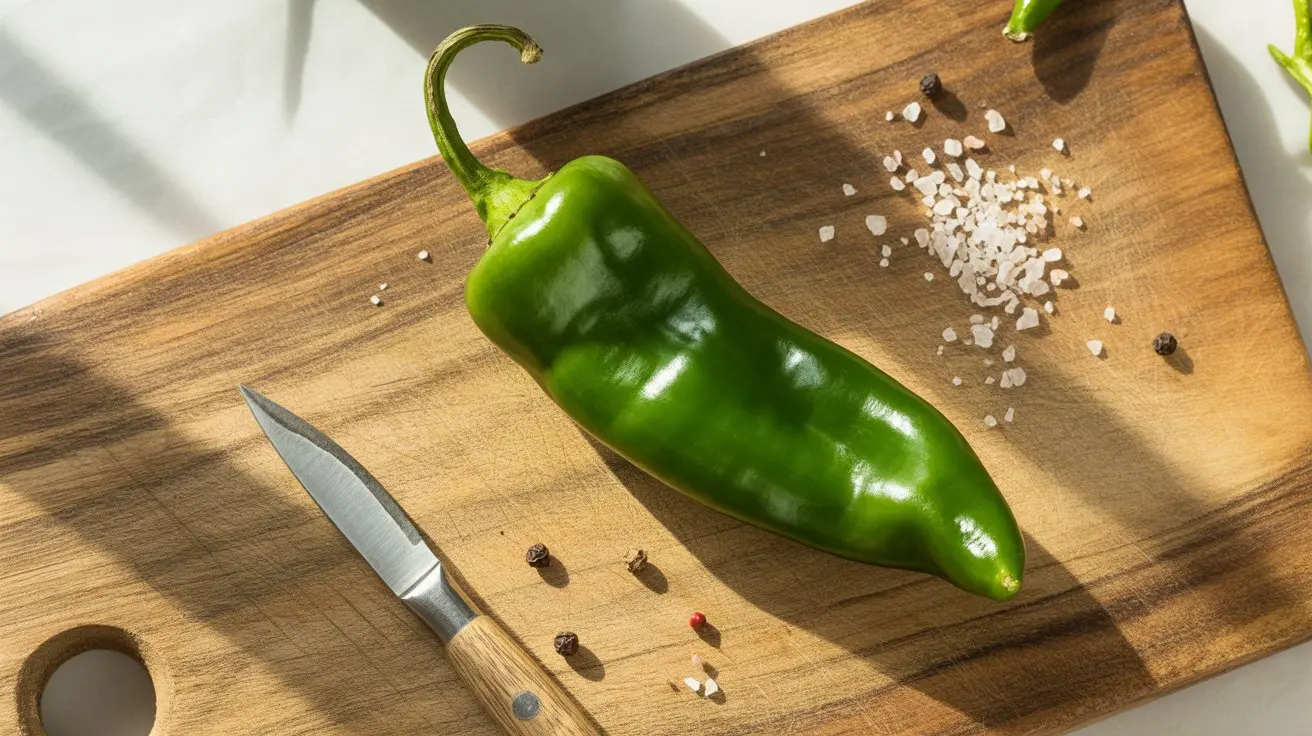
Lumbre is a New Mexican chile variety bred for serious heat, and it carries a clean burn that works well anywhere piquin would go.
The flavor profile is more straightforward, less fruity, more purely hot, but that simplicity is sometimes exactly what a recipe needs. Start with a 3:4 ratio (three lumbre for every four piquins) and scale from there.
The intense heat and thin-walled texture of lumbre makes it especially good for dry rubs and chile powders.
Rocotillo
If the dish needs piquin's fruity dimension more than its raw heat, rocotillo delivers on the flavor side without overwhelming the palate. These small, lantern-shaped chiles have a distinctive sweetness alongside mild warmth.
Use a 1.5:1 ratio to compensate for lower heat output, or add a pinch of cayenne to the mix.
The mild, sweet-fruity character of rocotillo shines in fresh salsas and ceviche where piquin's heat would otherwise dominate.
NuMex Joe E. Parker
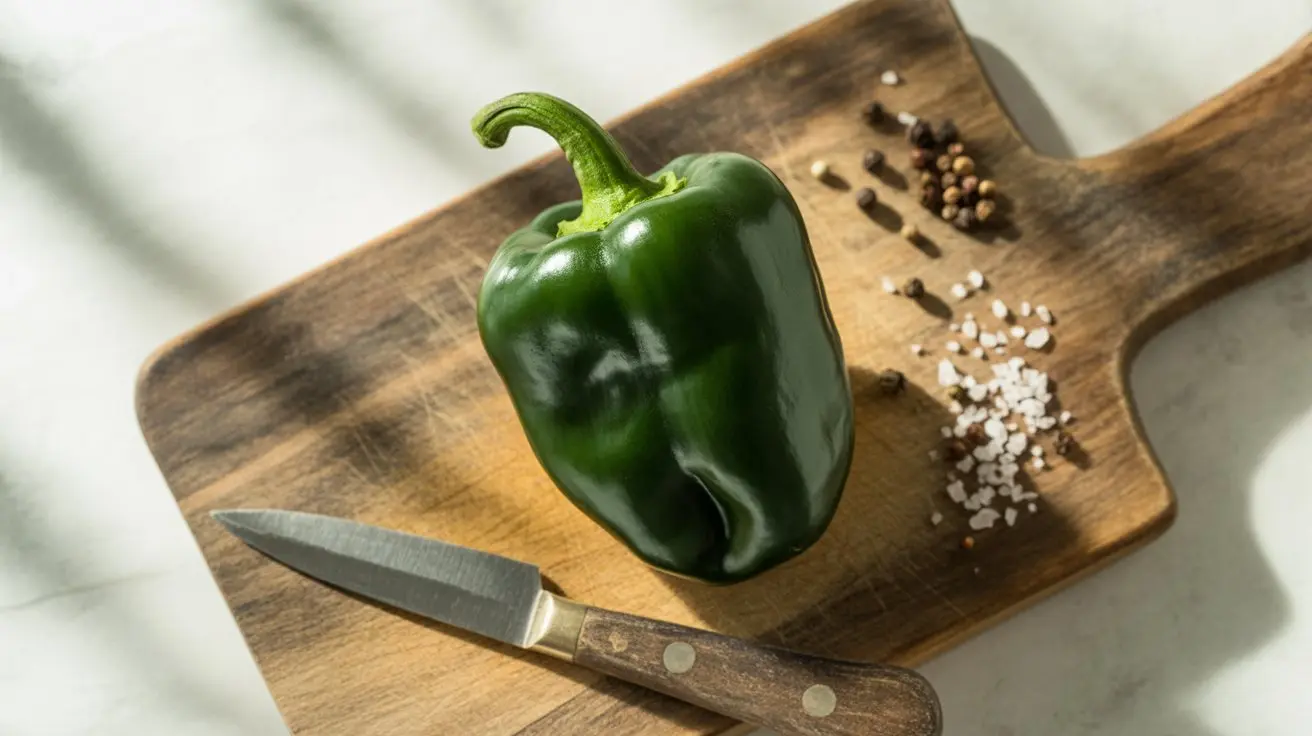
A milder, New Mexican-style chile that works when you need the earthy, dried-chile flavor of piquin without the fire, useful when cooking for mixed-heat-tolerance crowds.
The thick-walled, mild-to-medium build of NuMex Joe E. Parker suits stuffed preparations and roasted sauces particularly well. Use a 2:1 ratio (two Joe E. Parkers per piquin) and add heat separately with cayenne or crushed red pepper if the dish needs it.
7.
Bell Pepper
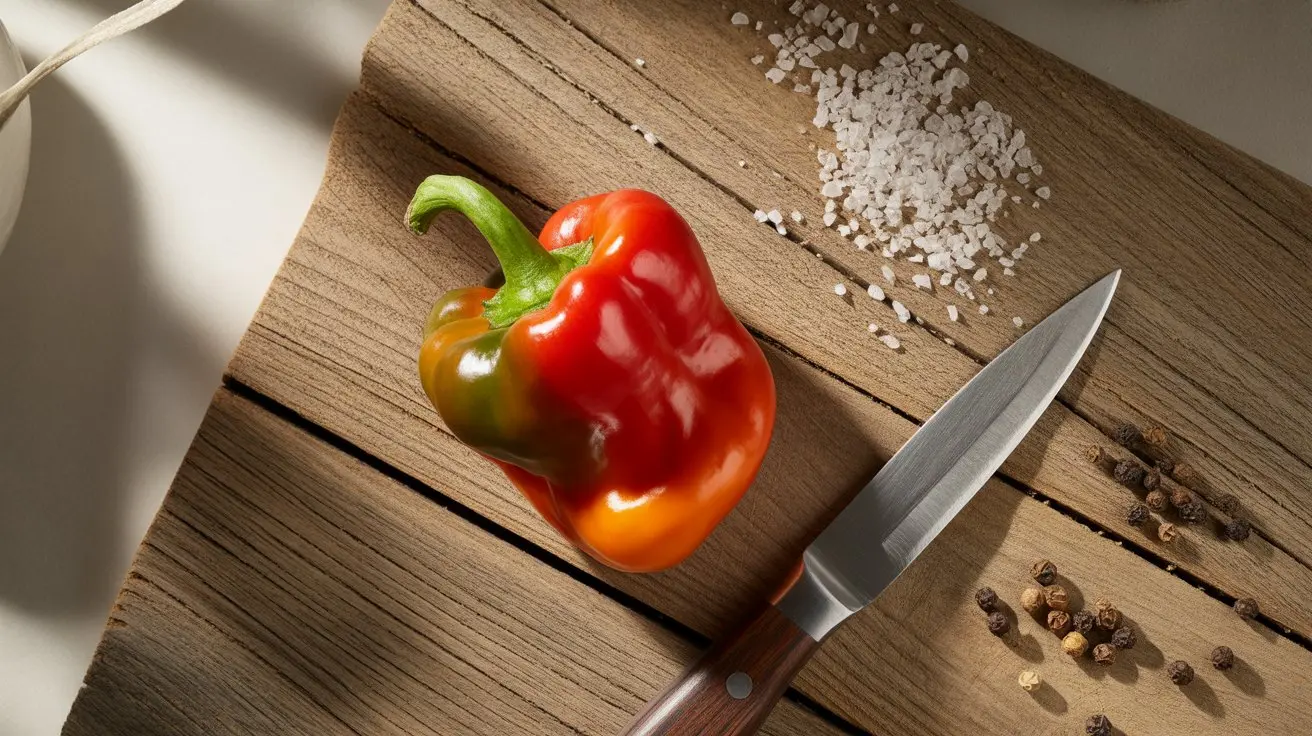
The last resort, but a legitimate one for specific applications. Bell peppers share none of piquin's heat, but their crisp texture and clean sweetness can anchor a dish when piquin is being used primarily for body rather than fire.
For recipes where heat is the whole point, skip this and use one of the options above.
Where it works, fresh salsas, stuffed pepper dishes, roasted vegetable bases, use a 3:1 ratio by volume and add cayenne to taste.
For a deeper look at how piquin compares to its closest wild relative, the chiltepin-vs-piquin head-to-head contrast is worth reading before you decide which direction to take your substitute. And if you want the full picture on the source pepper itself, the piquin lay out exactly what you're trying to replicate.
Best Pick by Application
For table salsa and hot vinegar, prik kee noo is the best piquin substitute because the peppers are similarly small and sharp. Use 1:1 by count, then crush or mince to match how the piquin would be used.
For dried crushed chile, japones or de arbol is easier to source. Use 1 teaspoon crushed japones for 1 teaspoon crushed piquin, then add a pinch more only after the flakes hydrate in the dish.
For pickled tiny chiles, malagueta is the better choice. It keeps the compact pod shape and concentrated heat, especially in vinegar condiments and Brazilian-style pepper sauces.
Which Peppers Make Poor Piquin Pepper Substitutes?
Habanada seems like a reasonable swap at first glance, it's fruity, it's small, and it's increasingly available. But habanada was specifically bred to have zero heat, which means it can't replicate the defining characteristic of piquin pepper.
You'd be adding sweetness where you need fire.
NuMex Heritage Big Jim runs into a similar problem from a different angle. It's a large, mild New Mexican chile, great for roasting and stuffing, but the flesh-to-heat ratio is completely mismatched for piquin's role.
Piquins are used in small quantities for concentrated impact; Big Jims are used in large quantities for bulk and body.
Swapping one for the other throws off the whole balance of a recipe.
Sichuan pepper is a tempting reach because it's small, dried, and associated with bold heat, but it isn't actually a capsicum at all. The numbing, citrusy tingle from hydroxy-alpha-sanshool activates completely different receptors than capsaicin does.
In a dish built around piquin's sharp chile heat, Sichuan pepper will confuse the flavor rather than replace it.
Large fresh chiles dilute piquin's job. The issue is not only heat, but concentration: piquin gives a lot of burn from very little pepper flesh.
Ground cayenne can raise heat, but it loses the tiny pod texture and fruity snap that make piquin useful whole.
Do not use sweet mini peppers or other small mild pods as a piquin stand-in unless another chile supplies the heat. Piquin is tiny, but its job is concentrated fire, not vegetable bulk.
Substitution tip: When substituting Piquin Pepper, start with less of a hotter substitute and add more to taste. For milder substitutes, increase the quantity.
Our swap ratio calculator gives precise conversion amounts, and the heat unit converter translates between Scoville and other scales.
Piquin Pepper Substitute FAQ
- Varieties & Plant Breeding - Chile Pepper Institute, NMSU
- Capsicum - USDA GRIN Taxonomy
- Embrapa