
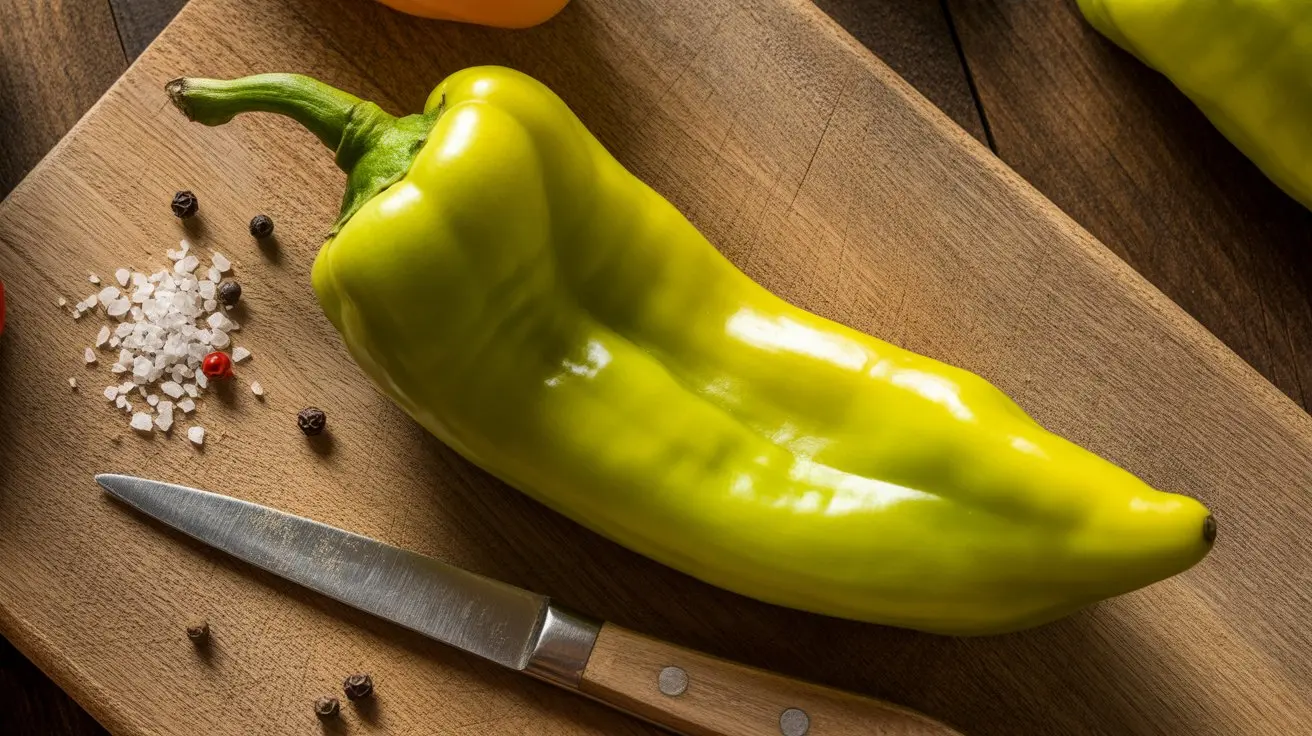
Best Pepperoncini substitutes and alternatives for cooking
Substitute Guide Mild

No Pepperoncini? Try These 7 Alternatives

Source Pepper
Pepperoncini
100–500 SHU · tangy and mild · Italy
Full Profile →
Quick Summary

Pepperoncini brings a bright, tangy bite to sandwiches, antipasto platters, and pickled condiments - but its specific combination of mild heat and acidic flavor is harder to replicate than it looks. The best substitutes match both the gentle warmth and that characteristic tang, not just one or the other. Whether you are out of pepperoncini or just cannot find them, these seven alternatives will keep your dish on track.

Heat Level
100–500
SHU
Flavor
tangy and mild
Substitutes
7
ranked options
Advertisement

Best Pepperoncini Substitutes

These alternatives are ranked by how closely they match Pepperoncini’s heat level and flavor profile. Use the conversion ratios to adjust quantities in your recipe.
#1
Banana Pepper Closest Match

Banana pepper is the closest match you will find. At 0-500 SHU, the mild tangy sweetness of banana pepper sits almost exactly where pepperoncini does on the palate - thin-walled, slightly acidic, and pickle-friendly. The main difference is a touch less bitterness and a slightly sweeter finish. Use them 1:1 in any application: sandwiches, Greek salads, antipasto, or straight from the jar. Pickled banana peppers are sold in nearly every grocery store, making this the most practical swap. Check out the banana pepper vs. pepperoncini side-by-side breakdown if you want a deeper look at how these two stack up.

#2
Friggitello Runner-Up

For anyone cooking Italian food specifically, friggitello (also called Italian frying pepper) is arguably the more authentic choice. The sweet, delicate character of friggitello comes from the same Mediterranean growing tradition as pepperoncini - they are close botanical cousins within the C. annuum botanical family. Heat lands at 0-500 SHU, so virtually no burn. Use 1:1 by weight. These shine when roasted or sauteed, and they hold up well pickled. The friggitello vs. pepperoncini comparison covers the nuances if you are deciding between the two for a specific dish.

#3
Pimento Pepper Also Great

Pimento trades some of the tang for extra sweetness, but the 100-500 SHU range lines up perfectly with pepperoncini's gentle warmth - a barely-there tingle rather than actual heat. The pimento's rich, sweet flesh works well stuffed, roasted, or added to charcuterie boards. In raw applications like salads, add a small splash of red wine vinegar to compensate for the missing acidity. Conversion: 1:1, though you may want slightly less pimento by volume since the flavor is more concentrated. This is part of the broader Mediterranean pepper tradition that pepperoncini belongs to.

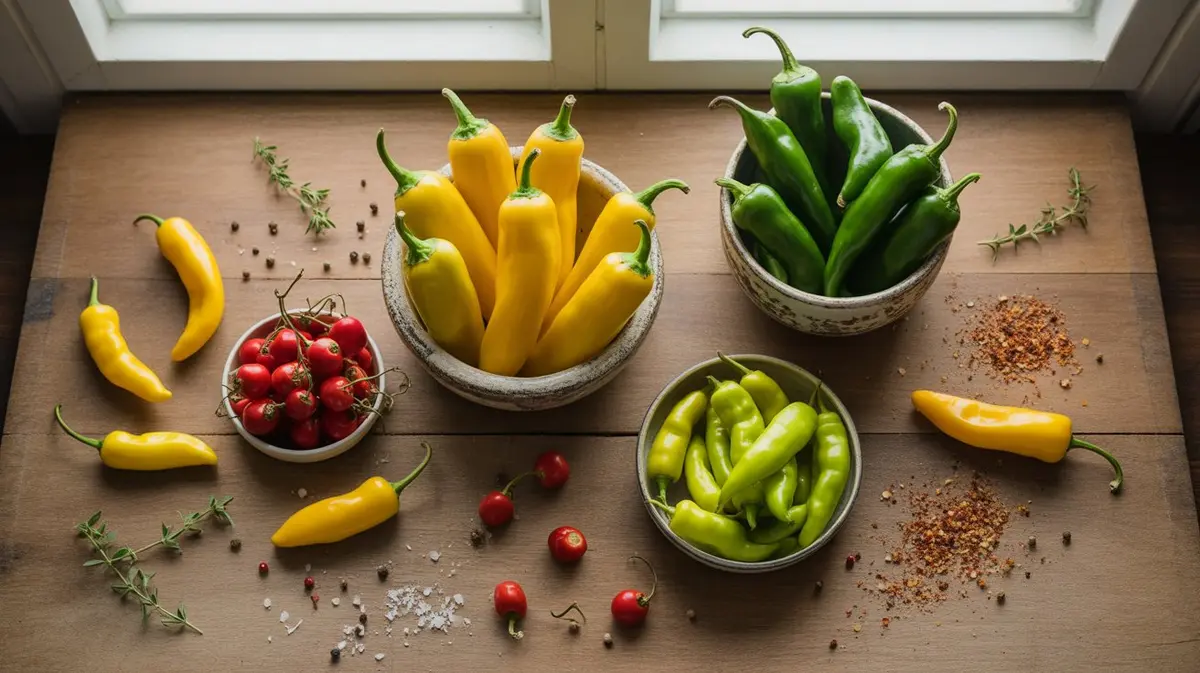
Comparison of Pepperoncini with similar peppers for substitution
#4
Cherry Pepper

Cherry peppers run 100-500 SHU and bring a sweet, snappy bite with mild heat that works surprisingly well as a pepperoncini stand-in. They are rounder and thicker-walled, so they hold their shape better in brines and stuffed preparations. The flavor skews sweeter and slightly less tangy - again, a small acid addition fixes this. Use 1:1 by count for stuffed applications, or slice to match pepperoncini rings. Pickled cherry peppers from the jar are an especially easy swap for antipasto platters.

#5
Corno di Toro

Long, tapered Corno di Toro ("bull's horn" pepper) falls in the 0-500 SHU range with a sweet, meaty flavor profile that is ideal for roasting and sauteing. It does not replicate the pickled tang of pepperoncini, so this substitute works best in cooked applications rather than raw or brined ones. Slice into rings and use 1:1 by volume. The thick walls give it more substance than pepperoncini, which can be a bonus in pasta dishes and stir-fries. This pepper sits comfortably within the mild end of the Scoville spectrum - almost no perceptible heat at all.

#6
Jimmy Nardello

Jimmy Nardello peppers are thin-skinned, sweet, and 0-500 SHU - essentially no heat whatsoever. The fruity, almost raisin-like depth of Jimmy Nardello differs from pepperoncini's brightness, but these peppers fry up beautifully and add genuine sweetness to dishes that pepperoncini would otherwise anchor with tang. Best used as a cooked substitute: saute in olive oil until blistered and use 1:1 by weight. Not recommended for pickling or raw salads where pepperoncini's acidity is the point.

#7
Aji Dulce

Aji Dulce rounds out this list with an aromatic, sweet and fragrant character that sits at 0-500 SHU. The flavor is noticeably different from pepperoncini - more floral and tropical than tangy - but it fills the same structural role in dishes that need mild pepper presence without heat. Use 1:1 by volume in cooked salsas, rice dishes, and braised preparations. Raw in salads, the flavor divergence is more obvious, so pair with a vinegar-forward dressing to bridge the gap. Aji Dulce is a staple of Caribbean and South American kitchens, bringing a different regional accent to the same mild pepper category.

Related Anaheim Pepper: 500–2.5K SHU, Flavor & Recipes
Peppers to Avoid as Pepperoncini Substitutes

Banana peppers pickled in sweet brine - wait, that is actually a good substitute. The peppers to avoid are ones that seem similar at a glance but derail the dish.

Anaheim pepper looks the part - long, green, mild - but runs 500-2,500 SHU, which is noticeably hotter than pepperoncini's barely-there warmth. In a sandwich or salad where you expect background tang, Anaheim delivers an actual heat hit instead. The flavor is also earthier and less acidic.

Cubanelle pepper is another common mistake. At 100-1,000 SHU it overlaps pepperoncini on the low end, but the thin walls and bland flavor mean it adds almost nothing to pickled applications. It breaks down quickly in brine and lacks the firm texture that makes pepperoncini satisfying to bite into.

Shishito pepper gets recommended as a mild substitute in a lot of places, but the grassy, slightly smoky flavor profile is a poor match for pepperoncini's bright tanginess. Shishitos are best roasted whole - they do not translate well to raw or pickled uses where pepperoncini typically appears.

Substitution Tip

When substituting Pepperoncini (100–500 SHU), always start with less of a hotter substitute and add more to taste. For milder substitutes, you can increase the quantity. Our swap ratio calculator gives precise conversion amounts, and the heat unit converter translates between Scoville and other scales.

Fact-Checked & Expert Reviewed
Editorial Standards: All facts verified against authoritative sources. Content reviewed by subject matter experts before publication.
Review Process: Written by Sofia Torres (Lead Culinary Reviewer) , reviewed by Karen Liu (Lead Fact-Checker & Science Editor) . Last updated February 19, 2026.
Related Ancho Pepper: 1K–2K SHU, Flavor & Recipes

Pepperoncini Substitute FAQ

Yes - banana peppers are the closest match available, with nearly identical heat levels and a similar tangy-sweet flavor. Use them 1:1 in any application, including pickled, raw, or cooked preparations.

Only if the recipe specifically calls for pickled pepperoncini - the brine contributes acidity that fresh peppers cannot replicate on their own. Adding a splash of white wine vinegar or apple cider vinegar to fresh substitutes like banana or cherry peppers closes that gap effectively.

Banana pepper or sliced cherry pepper works best in Greek salad because both hold their texture when dressed and deliver the mild, tangy bite the dish expects. Pimento can also work if you add a little extra vinegar to the dressing.

They are closely related but not identical - both are C. annuum varieties from Italian growing traditions, with overlapping flavor profiles and heat levels. Friggitello tends to be slightly larger and is more commonly used as a frying pepper rather than pickled.

Pickled banana peppers are the go-to for sandwiches - they are sold pre-pickled in most stores and provide the same acidic crunch that pepperoncini delivers in Italian-style hoagies and subs. Cherry peppers (pickled) are a slightly bolder option if you want a bit more sweetness.

Sources & References
Karen Liu
Fact-checked by Karen Liu
Contributing Editor & Food Scientist
All Substitutes Browse Peppers Substitute Finder Tool