

Peperoncino Substitutes for Clean, Sharp Italian Heat Without Heavy Smoke
Peperoncino is the backbone of Italian heat, a bright, sharp chili sitting at 15,000-30,000 SHU that shows up in everything from pasta all'arrabbiata to Calabrian oil infusions. Finding a stand-in means matching both that clean, direct heat and the pepper's lack of heavy smokiness or tropical fruitiness. The seven substitutes below cover the full spectrum, from citrus-forward alternatives to earthy dried chilies.
Heat at a glance
What Can You Use Instead of Peperoncino?
De Arbol
Closest MatchDe Arbol lands at 15,000-30,000 SHU - a dead-on match for peperoncino's Scoville position. Its smoky, nutty character when dried diverges from peperoncino's brightness, but in cooked applications like braised greens or tomato-based sauces, that depth actually works in your favor.
Use a 1:1 ratio by weight for dried-to-dried swaps.
The thin walls dry fast and infuse oil beautifully, making de arbol one of the most practical pantry replacements.
For aglio e olio, arrabbiata, and sauteed greens, de arbol works best when it is crushed into the oil early, then removed or diluted before it darkens. It can taste nuttier than Italian peperoncino, so use a little less in olive-oil dishes that have few other ingredients.
Japones Pepper
Runner-UpJapones shares the same 15,000-30,000 SHU band and brings a bright, lightly smoky heat that sits closer to peperoncino's profile than most dried alternatives. The heat builds steadily rather than hitting all at once, which mirrors how peperoncino behaves in long-cooked dishes.
Swap 1:1 in any recipe calling for dried whole peperoncino.
It's widely available in Asian grocery stores and holds up well in oil infusions.
Japones is the cleaner pantry swap when you want heat without much smoke. Use it whole in simmered tomato sauce, or crumble it into oil for pasta.
If the dish is raw or lightly dressed, steep the chile first so the flakes soften instead of staying papery.
Lemon Drop
Also GreatAt 15,000-30,000 SHU, the citrus-forward heat of the Lemon Drop is your best fresh substitute when a recipe calls for peperoncino in its green or red fresh state. The citrusy brightness actually complements Italian flavors, particularly seafood dishes and aglio e olio, in ways that feel intentional rather than compromised.
Use a 1:1 ratio fresh.
Worth noting: Lemon Drop's fruitiness is more pronounced than peperoncino's clean sharpness, so taste as you go.
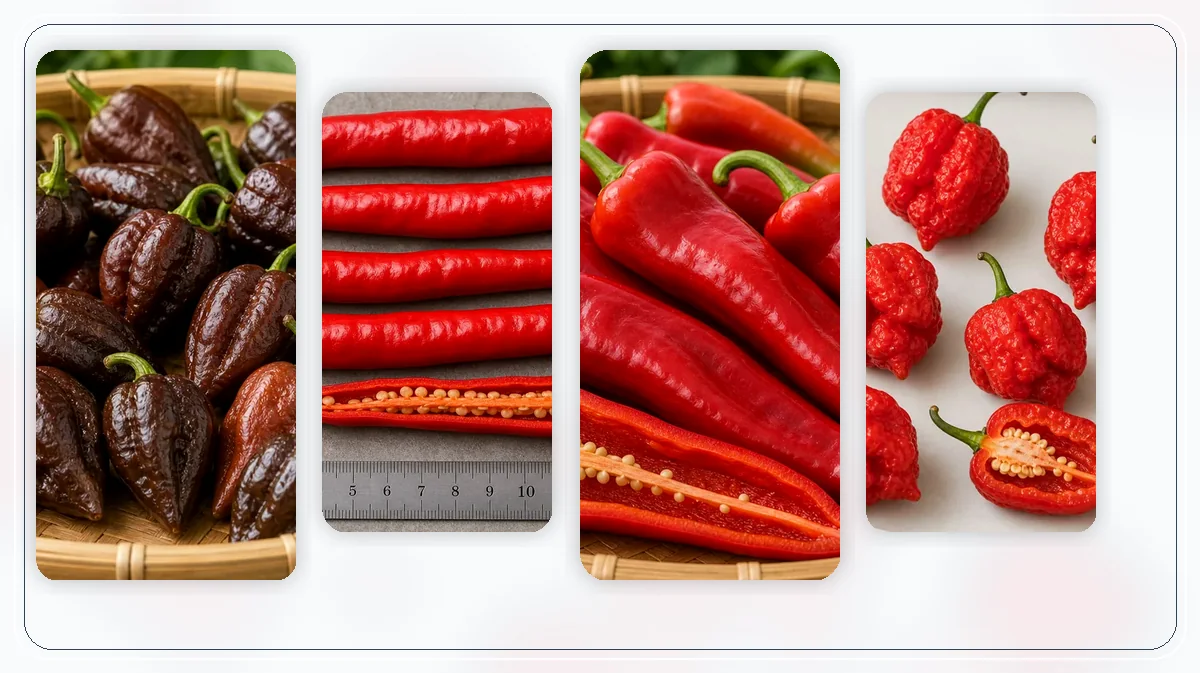
Jwala Pepper
Jwala runs 20,000-30,000 SHU, nudging toward the upper end of peperoncino's range.
Its sharp, pungent bite is the closest flavor match in terms of directness, no smokiness, no tropical notes, just clean forward heat. That makes it the most flavor-accurate substitute on this list.
Use 0.8:1 (slightly less Jwala than peperoncino called for) to keep heat in check.
This is a harder find outside South Asian grocery stores, but worth tracking down.
Aleppo Pepper
Aleppo ranges 10,000-30,000 SHU and its fruity, earthy dried flake form is a different beast from peperoncino's sharp heat, but it works exceptionally well as a finishing substitute.
Sprinkled over pizza, flatbreads, or roasted vegetables, Aleppo's oily, slightly raisin-like character delivers warmth without the same punch. Use 1.5:1 (more Aleppo than peperoncino) to compensate for its lower effective heat.
It sits comfortably within the hot pepper range but leans mild within it.
Fish Pepper
This heirloom runs 5,000-30,000 SHU with a bright, crisp heat that echoes peperoncino's clean profile more than most substitutes on this list. The heat variance is wider, you might get a mild specimen or a hot one, so taste before committing.
Fresh fish peppers work best as a direct replacement in antipasto, pickled preparations, or raw applications.
Use 1:1 and adjust. The Bishop's Crown comparison is worth reading if you're weighing fruity, sweet alternatives: the heat range and flavor matchup between these two shows how differently two 'mild-to-hot' peppers can actually behave.
7.
Manzano Pepper
Manzano sits at 12,000-30,000 SHU with a fruity, apple-like flesh that makes it unusual among peperoncino substitutes. It belongs to C. pubescens - a different species entirely, which means thicker walls and a distinctly different texture.
Use it fresh in salads, chopped into relishes, or sliced for antipasto where the fruitiness complements rather than fights the dish.
Swap 1:1 by count. Don't try to dry it as a peperoncino replacement, the thick flesh doesn't cooperate.
For cooks comparing the dried-chili options here, the de arbol versus japones matchup breaks down exactly how those two differ in heat delivery and kitchen use, useful if you're stocking just one.
Best Pick by Application
For olio piccante and chile oil, japones or de arbol are the best peperoncino substitutes because both stay thin, dry, and easy to infuse. Use 1:1 by weight, then strain once the oil tastes hot enough rather than waiting for a fixed time.
For pasta all'arrabbiata, de arbol gives the right dried chile snap, but use slightly less if the pods smell smoky. Peperoncino usually tastes cleaner and brighter, so too much smoke can pull the sauce away from the tomato.
For fresh chopped heat, Lemon Drop works when brightness matters. Use 1:1 by weight, then reduce lemon juice or vinegar in the recipe because the pepper brings its own citrus note.
Which Peppers Make Poor Peperoncino Substitutes?
Fresno Chile looks like an obvious swap, fresh, red, and in the same the hot heat range, but Fresno's flavor profile skews sweeter and fruitier than peperoncino's sharp bite. In Italian applications, that sweetness reads as off-note rather than complementary.
Cayenne is the substitute people reach for most often, and it's usually a mistake in whole or fresh form.
Cayenne runs 30,000-50,000 SHU, which puts it meaningfully above peperoncino's ceiling. Ground cayenne compounds this problem, a pinch too many and the heat overwhelms everything.
If cayenne is your only option, use half the amount and accept that the flavor won't match.
Serrano comes in too mild at 10,000-23,000 SHU and brings a grassy, vegetal character that clashes with the sharp, clean heat peperoncino delivers. In cooked sauces it can disappear almost entirely, leaving you with a dish that lacks the pepper's characteristic bite.
Generic crushed red pepper is inconsistent. Some jars are mostly cayenne, some are blended, and many are stale enough to add flakes without real aroma.
Calabrian chile paste can work in sauces, but it brings oil, salt, and sometimes vinegar. Reduce added salt before using it as a peperoncino replacement.
Do not use sweet paprika as the main substitute for peperoncino. It can supply red color, but it misses the dry chile bite that carries oil, garlic, and tomato sauces.
Substitution tip: When substituting Peperoncino, start with less of a hotter substitute and add more to taste. For milder substitutes, increase the quantity.
Our swap ratio calculator gives precise conversion amounts, and the heat unit converter translates between Scoville and other scales.
Peperoncino Substitute FAQ
- Heat - Chile Pepper Institute, NMSU
- Capsicum L. - USDA PLANTS Database