
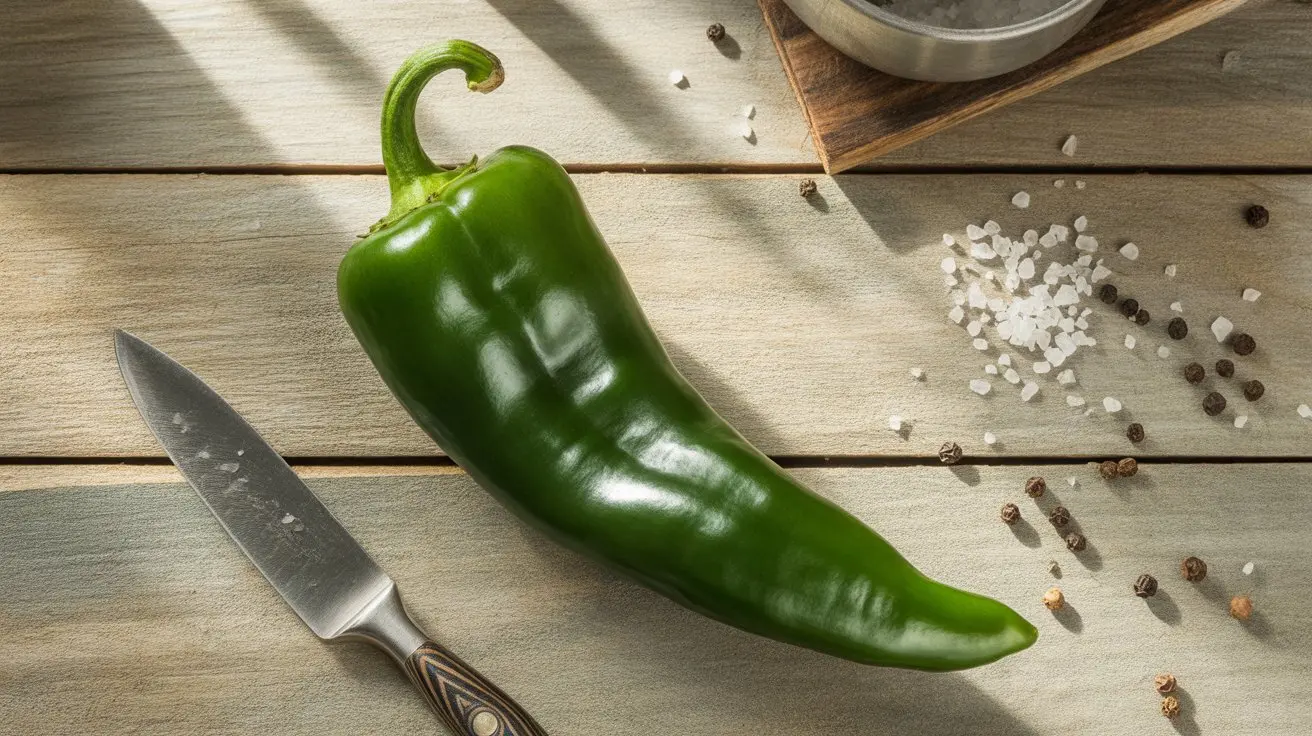
Best Pasilla Pepper substitutes and alternatives for cooking
Substitute Guide Medium

No Pasilla? 7 Best Substitutes (With Ratios)

Source Pepper
Pasilla Pepper
1K–3K SHU · earthy and rich · Mexico
Full Profile →
Quick Summary

The pasilla is a dried chilaca pepper with a deep, earthy richness that anchors mole negro, enchilada sauces, and braised meats across Mexican cuisine. Its 1,000-2,500 SHU range sits firmly in mild territory — warm but never aggressive. When you can't source it, the right substitute depends on whether you're chasing that dark, complex depth or simply need a mild dried chile to fill the gap.

Heat Level
1K–3K
SHU
Flavor
earthy and rich
Substitutes
7
ranked options
Advertisement

Best Pasilla Pepper Substitutes

These alternatives are ranked by how closely they match Pasilla Pepper’s heat level and flavor profile. Use the conversion ratios to adjust quantities in your recipe.
#1
Chilaca Pepper Closest Match

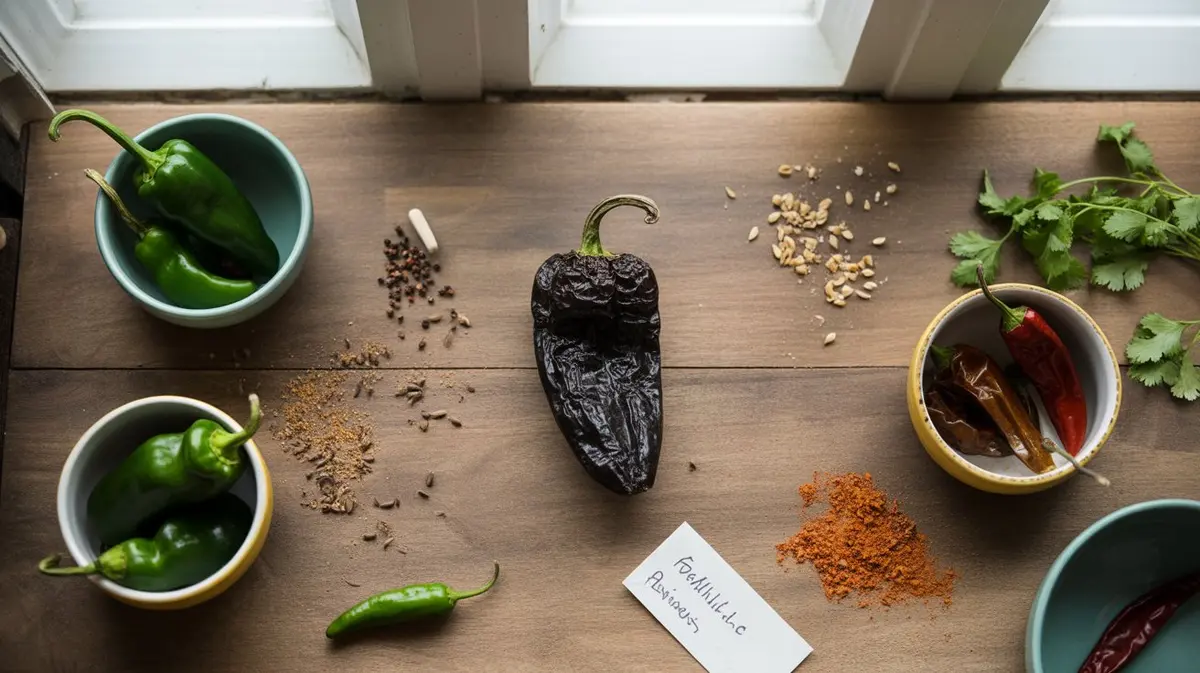
The earthy dried character of the chilaca is not a coincidence — pasilla is dried chilaca. Fresh chilacas share the same 1,000-2,500 SHU range and nearly identical flavor profile: dark, slightly bitter, rich. Use them 1:1 in any recipe calling for rehydrated pasilla. If your dish needs a dried chile and you find fresh chilacas, dry them yourself in a low oven at 200°F for several hours.

For deeper context on the botanical relationship, the chilaca-to-pasilla drying process explains why these two names cause so much confusion in markets outside Mexico.

#2
Mulato Pepper Runner-Up

The smoky chocolatey depth of the mulato makes it the most flavor-accurate substitute when pasilla is unavailable in dried form. At 2,500-3,000 SHU, mulatos run slightly hotter — roughly 1.2x the upper end of pasilla's range, still well below a serrano. Use them at a 1:1 ratio and expect a touch more heat plus a cocoa-like undertone that actually improves mole negro.

Multiple dried chile mole recipes that call for pasilla can swap mulato without changing quantities, though the final sauce will read slightly darker and sweeter.

#3
Cascabel Pepper Also Great

The nutty smoky bite of the cascabel covers 1,000-3,000 SHU, overlapping pasilla's range almost entirely. Its round shape means it rehydrates differently — expect less surface area and a slightly thicker flesh once soaked. Use a 1:1 ratio by count, but add an extra 10 minutes of soaking time.

Flavor-wise, cascabel brings a toasted nuttiness that pairs well with chicken and pork braises. It lacks the berry-like dried fruit note some pasillas carry, but it holds up fine in sauces where the chile is blended.

Comparison of Pasilla Pepper with similar peppers for substitution
#4
Chilhuacle Pepper

The smoky complex character of the chilhuacle puts it at 1,500-2,500 SHU — solidly within the mild SHU bracket that defines pasilla's heat territory. Chilhuacles come in negro, rojo, and amarillo varieties; the negro version is the closest match for pasilla substitution. Use a 1:1 ratio.

The flavor leans smokier and more complex than pasilla, with a leathery dried-fruit quality. In enchilada sauces and tamale masa, the difference is subtle. In a dish where pasilla is the star, you'll notice chilhuacle's extra smokiness.

For a direct comparison of these two dried chiles, the chilhuacle's heat and flavor profile breaks down where they diverge.

#5
Anaheim Pepper

The mild sweet flesh of the Anaheim works best as a fresh substitute when a recipe calls for fresh or roasted pasilla (sometimes labeled pasilla fresh in U.S. markets, though that's technically chilaca). At 500-2,500 SHU, Anaheims are on the milder end — use 1.25 Anaheims per pasilla called for to compensate for the flavor gap.

Anaheims lack the dark, earthy depth of dried pasilla entirely, so this swap is limited to fresh preparations: roasted chile strips, stuffed peppers, or raw salsas. Don't attempt this substitution in mole.

#6
Kashmiri Chili

The mild vibrant heat of the Kashmiri chili sits at 1,000-2,000 SHU and brings a brilliant red color that pasilla never offers. It's an unconventional swap — most appropriate when you need mild heat and rich color in a sauce, and you're not strictly tied to Mexican flavor tradition.

Use a 1:1 ratio. Kashmiri chili's flavor is fruity and mildly sweet rather than earthy, so the finished dish will taste different. It works surprisingly well in spice rubs and slow-cooked braises where the chile's character is one layer among many.

#7
Padrón Pepper

The grassy mild bite of the padrón is a fresh pepper that ranges 500-2,500 SHU — occasionally spiking higher on individual fruits. As a pasilla substitute, padróns work only in fresh applications and only when the earthy dried complexity of pasilla isn't the point. Think tapas-style blistered peppers, quick sautés, or dishes where mild heat and fresh green flavor are more important than depth.

Use a 1:1 ratio by count. Note that about 1 in 10 padróns will be noticeably hotter than the rest — a characteristic that makes them fun to eat but slightly unpredictable in sauces.

Related Anaheim Pepper: 500–2.5K SHU, Flavor & Recipes
Peppers to Avoid as Pasilla Pepper Substitutes

Ancho peppers seem like an obvious swap — they're dried, Mexican, and mild. But anchos are dried poblanos with a distinctly sweet, raisin-like flavor that reads quite different from pasilla's earthy bitterness. In mole negro especially, the sweetness throws off the balance.

Guajillo peppers fall in a similar heat range (2,500-5,000 SHU on the upper end) but carry a bright, tangy, almost cranberry-like flavor. That acidity clashes with recipes built around pasilla's dark, round earthiness. Guajillos also have tougher skins that don't rehydrate as smoothly.

Chipotle peppers are smoked jalapeños sitting at 2,500-8,000 SHU — already hotter than most pasillas, and the smoke is so assertive it overwhelms any dish expecting pasilla's more subtle complexity. The heat gap alone makes chipotles a poor 1:1 replacement.

Substitution Tip

When substituting Pasilla Pepper (1K–3K SHU), always start with less of a hotter substitute and add more to taste. For milder substitutes, you can increase the quantity. Our swap ratio calculator gives precise conversion amounts, and the heat unit converter translates between Scoville and other scales.

Fact-Checked & Expert Reviewed
Editorial Standards: All facts verified against authoritative sources. Content reviewed by subject matter experts before publication.
Review Process: Written by Sofia Torres (Lead Culinary Reviewer) , reviewed by Karen Liu (Lead Fact-Checker & Science Editor) . Last updated February 19, 2026.
Related Ancho Pepper: 1K–2K SHU, Flavor & Recipes

Pasilla Pepper Substitute FAQ

Ancho and pasilla are both mild dried chiles, but ancho's sweetness pulls mole negro in the wrong direction — traditional mole negro depends on pasilla's bitter, earthy depth. If ancho is your only option, use 75% of the quantity called for and add a small amount of unsweetened cocoa powder to restore some bitterness.

Pasilla is dried chilaca (1,000-2,500 SHU) with an earthy, slightly fruity character, while mulato is a dried variant of poblano running 2,500-3,000 SHU with a smokier, chocolatey profile. Both appear together in classic mole negro recipes, which is why they're often confused — but mulato runs noticeably hotter and darker in flavor.

Remove stems and seeds, then toast the dried chile briefly in a dry skillet over medium heat for about 30 seconds per side until fragrant. Soak in hot water for 20-30 minutes until pliable, then blend with soaking liquid for depth.

In many U.S. grocery stores, fresh poblano peppers are incorrectly labeled as pasilla — this is a longstanding mislabeling common in California markets. True pasilla is always a dried pepper (dried chilaca), while poblano refers to the fresh green chile that becomes ancho when dried.

Serranos typically register 10,000-23,000 SHU, making them roughly 4-10 times hotter than the upper range of a pasilla at 2,500 SHU. Pasilla sits comfortably in mild territory where warmth is present but heat never dominates the flavor.

Sources & References
Karen Liu
Fact-checked by Karen Liu
Contributing Editor & Food Scientist
All Substitutes Browse Peppers Substitute Finder Tool