

Ñora Pepper Substitutes for Romesco, Rice, and Stews
Use choricero pulp 1:1 by spoonful when a sauce needs sweet Spanish pepper body. Ancho is the strongest widely available whole-pod option, while sweet paprika plus tomato paste works when smooth color matters more than pulp.
Heat at a glance
Decide Whether the Recipe Needs Pulp or Powder
A dried ñora contributes more than seasoning. Once soaked, its semicarnose wall produces sweet red pulp that thickens sauce.
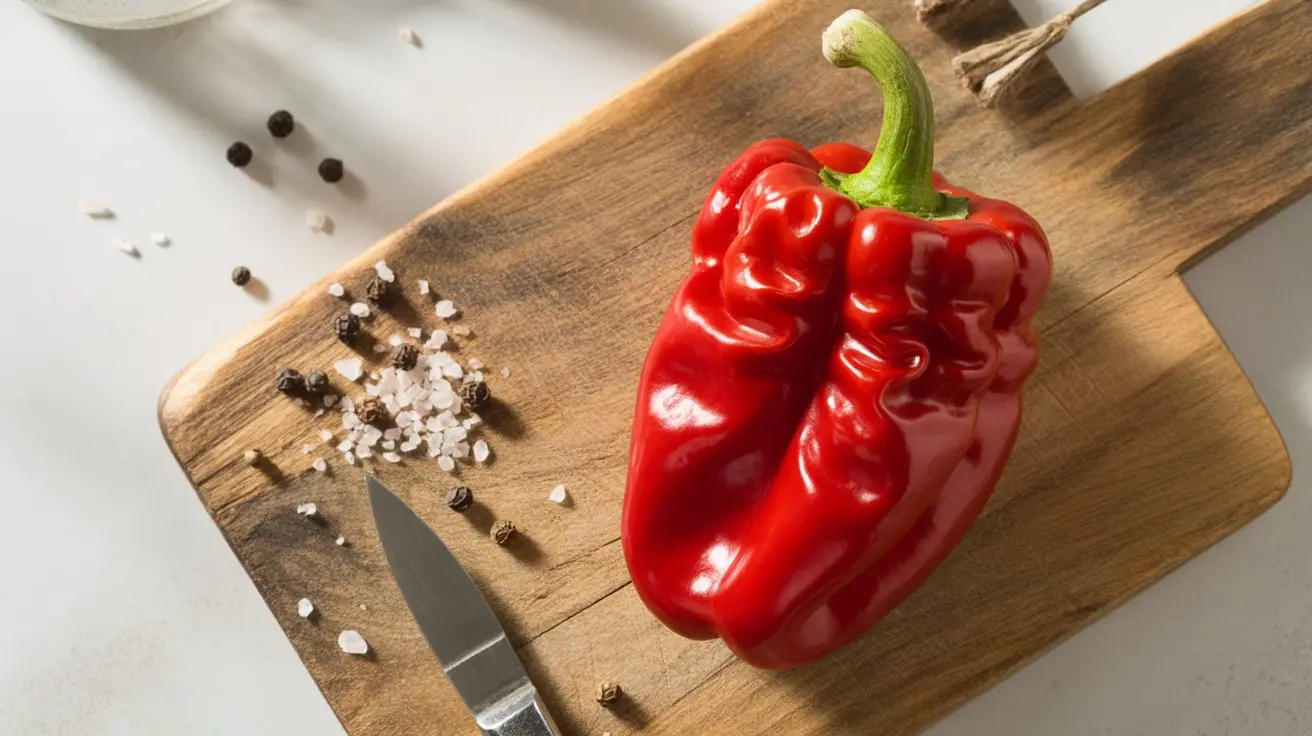
The Spanish product specification for Pimentón de Murcia identifies the related Bola pepper as fully red, sweet, round, and rich in color.
| Recipe job | Best replacement form | Starting measure |
|---|---|---|
| Scraped pulp for romesco | Choricero pulp | 1:1 by tablespoon |
| Smooth color in rice | Sweet paprika + tomato paste | 1 tsp + 1 tsp per pod |
| Whole dried chile in stew | Small ancho | 1 ancho per 2 ñoras |
| Bright marinade | Half guajillo | Per ñora |
| Quick blended spread | Roasted pepper + paprika | 1 tbsp + 1/2 tsp |
Powder cannot supply the same soft solids as scraped flesh. Whole ancho can.
Roasted red pepper can as well, although it brings extra water.
A rice dish may need only pigment and sweetness, while romesco needs pulp to bind nuts, bread, oil, and vinegar.
The canonical ñora pepper profile places the pepper in a gentle heat range. Keep that restraint.
A replacement that makes heat the first impression has missed the ingredient's job, even if its red color looks correct.

Seven Ñora Replacements by Form and Dish
Choricero pulp for Spanish sauce body
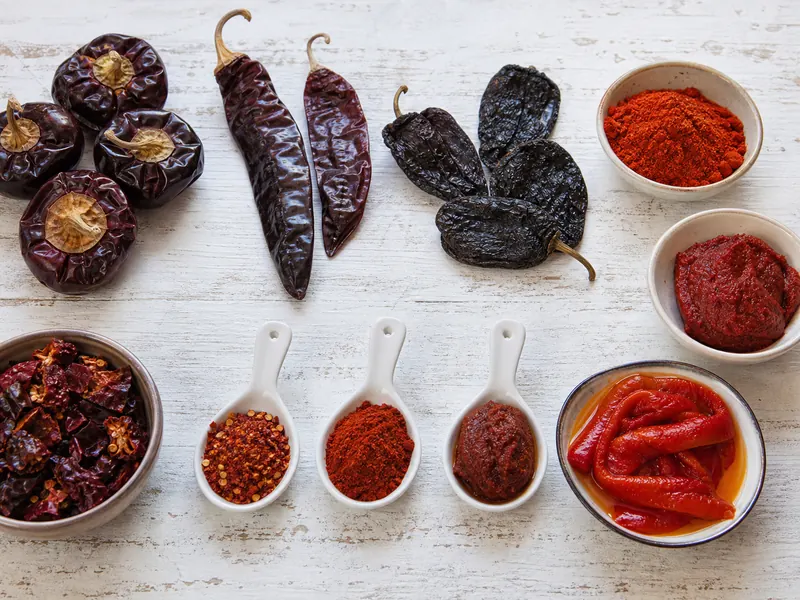
Closest MatchChoricero pepper is the closest practical replacement when the recipe scrapes softened pepper flesh into a sauce. It is sweet, mild, and Spanish, but its pod is longer and its flavor can read slightly deeper than round ñora.
This is the best fit for romesco, fish stew, bean dishes, and slow-cooked sauces. The choricero and ñora comparison shows why their shared sweetness matters more than their different shapes.
Ancho for a widely available whole pod
Runner-UpAncho chile gives soft dried-fruit flavor, dark red color, and enough flesh to thicken a blended sauce. It tastes more like raisin and cocoa than ñora, so it works best where tomato, nuts, or browned meat can absorb that change.
Stem and seed it, soak for 20 minutes, then scrape or blend the flesh.
Choose ancho for romesco-style sauce, braised beans, tomato rice, and beef or pork stew. In delicate seafood, begin with half because ancho's darker fruit can cover shellfish and saffron.
Sweet paprika with tomato paste
Also GreatThis pantry combination rebuilds bright red color and concentrated pepper solids without adding pod skin. Sweet paprika handles color and dry pepper aroma. Tomato paste supplies body and cooked sweetness.
Stir it into oil over low heat before adding broth.
Use this in rice, soup, beans, and smooth sauce. It is less convincing in a coarse romesco where visible pepper pulp contributes texture.
Jarred ñora or choricero paste
Prepared paste is the same ingredient in a convenient form when the jar contains mostly pepper and salt. It removes soaking and scraping, but concentration differs by brand.
Check the label for salt, acid, and oil before seasoning the dish.
This is the cleanest option for arroz, sofrito, stew, and sauce. Taste after the paste fries briefly because raw jarred paste may seem sharper than it does once cooked.
Guajillo for brighter red fruit
Guajillo chile gives a clear red color and berry-like tang. It is hotter, thinner-skinned, and less pulpy than ñora, so it changes both heat and sauce texture.
Guajillo fits marinades, tomato sauces, and rice with assertive seasoning. It is a weaker choice for a mild seafood broth because its heat and tang arrive before ñora-like sweetness.
Cascabel for nutty depth
Cascabel pepper is round like ñora and has a nutty, earthy dried flavor. It is usually hotter and less sweet, but it works beside almonds, hazelnuts, beans, or roasted tomato.
Use it in nut-thickened sauce, bean stew, or meat braise. The swap becomes less accurate in rice dishes where ñora should support saffron and stock quietly.
Roasted red pepper with sweet paprika
Fresh or jarred roasted pepper provides soft pulp and sweetness. Paprika concentrates the color and dry-pepper note that a watery piece of roasted pepper lacks.
Drain jarred pepper well and reduce added salt.
This works in romesco, spreads, soup, and vegetable stew. It adds more moisture than dried pepper, so cook the mixture until the excess water evaporates before judging thickness.
Soak, Scrape, and Fry the Substitute
Whole dried peppers give their best pulp after gentle rehydration. Remove the stem and loose seeds, cover with hot water, and soak until the skin bends without cracking.
1. Toast the pod for 5 to 10 seconds per side over medium heat. 2.
Soak for 20 minutes, keeping it below the surface with a small plate. 3.
Split the pod and scrape the softened flesh away from the skin. 4. Fry the pulp in olive oil over low heat for 30 to 60 seconds. 5.
Add tomato, stock, or other wet ingredients before the pulp darkens.
Scraping keeps tough skin out of a smooth sauce. Blending is faster, but thin skins from guajillo can still leave flecks, and thick ancho skin can make romesco coarse.
Pass the sauce through a sieve only when the dish needs a polished texture.
Prepared paste skips these steps. Add it to warm oil and watch the color.
Darkening from bright red to brick red is enough.
Brown paste has cooked too far and may taste bitter.

Change the Substitute with the Dish
The same replacement does not suit seafood rice and a nut-thickened sauce equally.
Favor choricero, ancho, or roasted pepper because pulp helps bind nuts and oil.
Favor sweet paprika with a little paste so color spreads without heavy fruit.
Use choricero lightly and keep smoke out of the broth.
Ancho or cascabel can carry a darker flavor after long cooking.
For rice, fry the replacement in the sofrito before adding stock. Powder should meet oil briefly so its color disperses, but paprika burns quickly.
For romesco, judge the sauce after nuts, bread, oil, and vinegar are incorporated.
Each one changes the apparent sweetness and thickness.
If a finished dish is too dark, enlarge it with tomato or roasted red pepper rather than adding sugar. If it is too hot, add more unsalted base.
If it is sweet but flat, a few drops of vinegar can sharpen it without replacing the pepper's character.

Ingredients That Pull the Dish Away from Ñora
Do not use smoked paprika as the default. Ñora is valued for sweetness and color, while obvious smoke redirects romesco, rice, and seafood toward a different style.
Do not use cayenne alone. It adds heat without pulp, sweetness, or the oil-soluble red pigments that the sauce needs.
Do not count large ancho or guajillo pods 1:1 against small round ñoras. Compare the scraped flesh or finished paste because pod size and wall thickness vary.
Measure Finished Pulp, Not Pod Count
Two dried ñoras can yield different amounts of flesh. One may be thin and brittle.
Another may be oily and full.
A ratio based only on pod count can double the amount of pepper solids.
1 tablespoon scraped ñora pulp = 1 tablespoon choricero pulp = 1 teaspoon sweet paprika + 1 teaspoon tomato paste as a pantry start
Record the finished spoonful when repeating a recipe. This matters most in romesco and rice, where a small change in concentrated pepper can alter both color and thickness.
The substitution is complete when the dish has gentle sweetness, clean red color, and enough pepper body for its texture. Extra heat, smoke, or dark fruit should remain supporting notes, not the main result.
Substitution tip: When substituting Ñora Pepper, start with less of a hotter substitute and add more to taste. For milder substitutes, increase the quantity.
Our swap ratio calculator gives precise conversion amounts, and the heat unit converter translates between Scoville and other scales.
Ñora Pepper Substitution Questions
- EU Official Journal - Pimentón de Murcia Product Specification
- Spanish Ministry of Agriculture - Pimentón de Murcia Specification
- KnowThePepper - Ñora Pepper Reference
- KnowThePepper - Choricero vs Ñora