

Which Morita Pepper Substitute Keeps Its Smoke and Fruit?
Use chipotle meco at three-quarters of the amount when smoke matters most. For a softer salsa, combine ancho with a small amount of chipotle powder so fruit and heat stay closer to morita.
Heat at a glance
Match Smoke and Fruit as Separate Jobs
Morita is a smoke-dried, fully ripe jalapeno with a canonical range of 2,500 to 10,000 SHU. The USDA organic petition on chipotle forms distinguishes morita from the more heavily smoked meco style.
That difference matters because the closest substitute is not automatically the smokiest chile.
| What the dish needs | Best starting swap | First adjustment |
|---|---|---|
| Dark smoke in a braise | Chipotle meco | Use 3/4 as much |
| Fruity red salsa | Guajillo + chipotle powder | Add smoke by the pinch |
| Mild sauce body | Ancho + smoked paprika | Add heat last |
| Dry rub | Smoked paprika + cayenne | Add ancho for fruit |
| Wet marinade | Chipotle in adobo | Reduce acid and salt |
A good morita replacement solves three jobs: ripe-jalapeno fruit, wood smoke, and moderate heat. Straight meco solves the pepper identity but can oversupply smoke.
Ancho solves fruit but barely addresses heat.
Combining a fruity dried chile with a measured smoky ingredient often produces a closer result than forcing one pepper to do everything.
The form also changes the choice. A whole pod contributes skin and pulp after soaking.
Powder disappears into a rub.
Canned chipotle brings liquid and seasoning. Pick the form from the recipe before comparing flavor.

Seven Morita Swaps Ranked by Smoke and Fruit
Chipotle meco for the closest single-pepper swap
Closest MatchBoth morita and meco are smoke-dried ripe jalapenos, so meco preserves the correct pepper base. The difference is intensity.
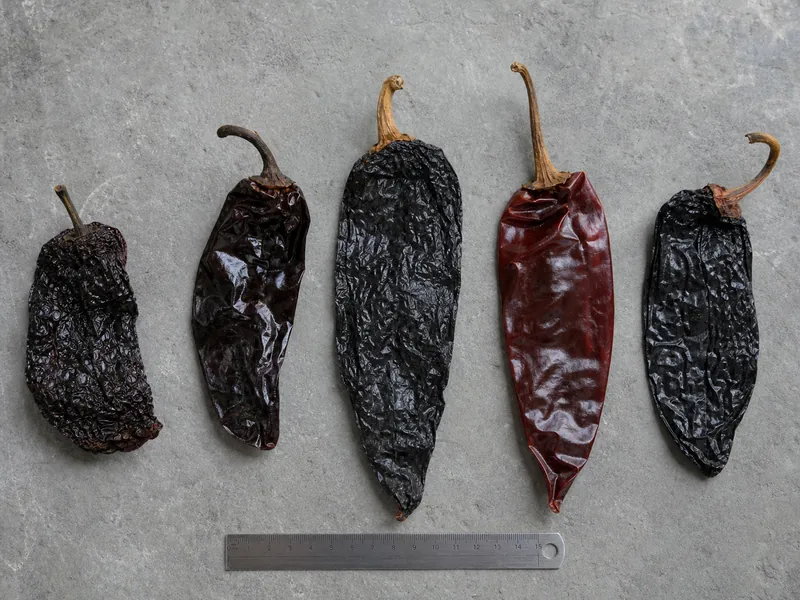
Meco is usually drier, tan-brown, and more heavily smoked, while morita chile is darker, softer, and fruitier.
This works in adobo, bean pots, braised meat, and dark salsa. Add a teaspoon of tomato paste or a piece of ancho if the finished sauce has enough smoke but lacks morita's berry-like sweetness.
Chipotle powder with ancho
Runner-UpA two-part blend gives better control than straight chipotle powder. Chipotle powder handles smoke and jalapeno heat, while ancho chile contributes soft dried-fruit body.
Bloom the powders in warm oil for about 15 seconds before adding liquid.
Choose this for marinades, chili, beans, and smooth sauces where whole-pod texture is unnecessary. The blend disperses evenly, but it cannot add the small pieces of chile skin that a coarse salsa may need.
Pasilla de Oaxaca
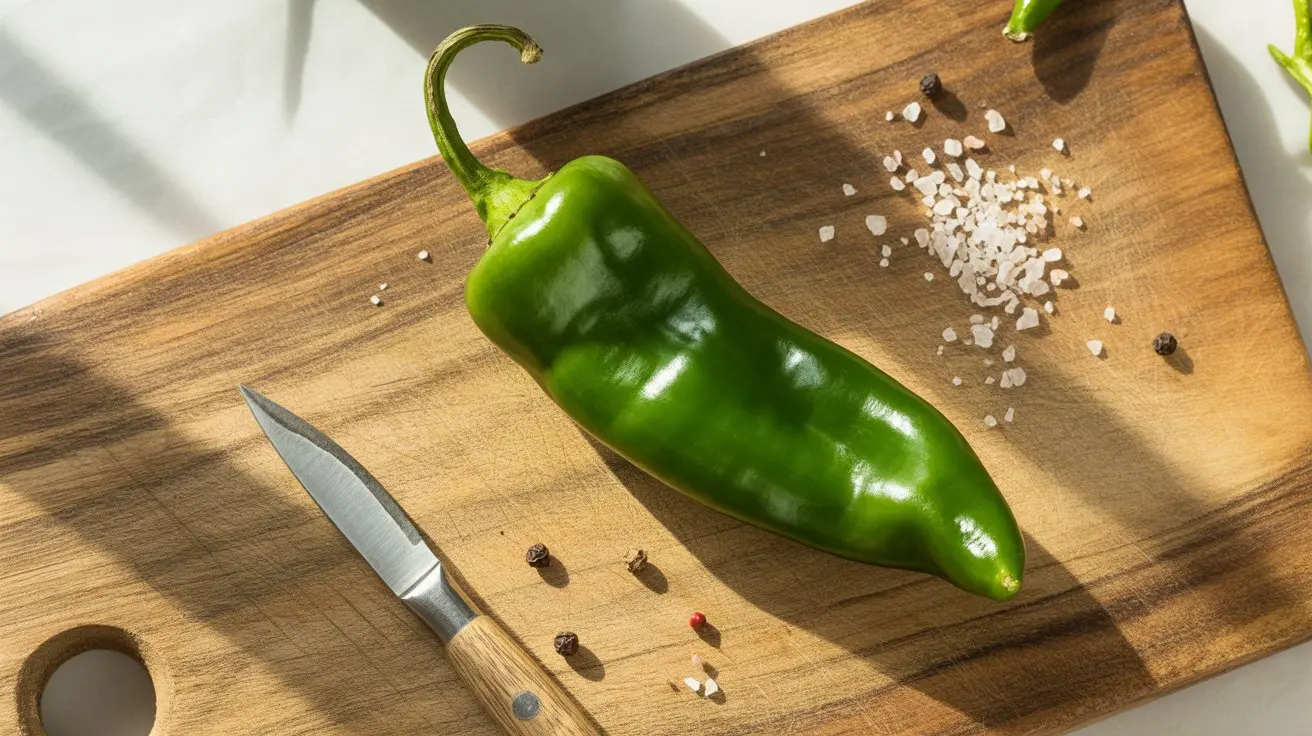
Also GreatPasilla de Oaxaca provides real wood smoke and dark dried-chile flavor. It is hotter than morita and lacks the ripe-jalapeno identity, yet it fits sauces that already contain tomato, nuts, or roasted vegetables.
Its smoke can dominate a light salsa. Use it in mole-style sauces, black beans, beef braises, or a thick marinade where the stronger chile has enough food to season.
Ancho with smoked paprika
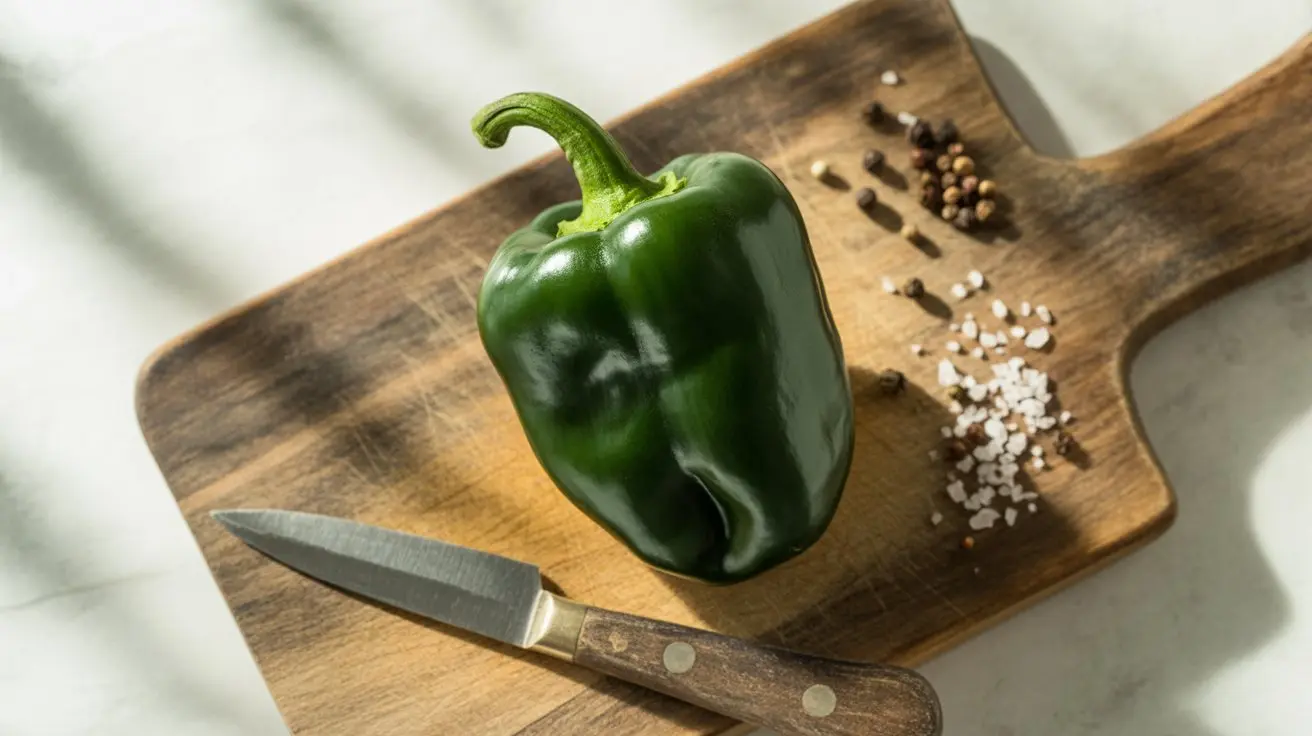
This combination is useful when the dish needs color and fruit but only gentle heat. Ancho supplies prune and raisin notes.
Smoked paprika supplies a cleaner, lighter smoke than a whole chipotle.
The blend suits enchilada sauce, lentils, tomato soup, and mild table salsa. It will taste rounder and sweeter than morita, so acid may need a small correction at the end.
Guajillo with chipotle powder
Guajillo chile shifts the fruit toward bright berry and tea-like notes. A measured pinch of chipotle powder restores smoke without turning the whole sauce into a heavy barbecue flavor.
Stem, seed, toast briefly, and soak the guajillo before blending.
This is a strong choice for red salsa, pozole, marinades, and adobo with a bright finish. The chipotle and guajillo comparison helps explain why this swap reads cleaner and less jammy.
Chipotle in adobo
Canned chipotle gives the right pepper family and smoke, but the sauce adds tomato, vinegar, sugar, salt, and moisture. It belongs in wet dishes, not dry seasoning.
Use it in soups, braises, mayonnaise, marinades, and blended salsa. The chipotle in adobo substitute reference covers adjustments when the canned sauce itself is the missing ingredient.
Smoked paprika with cayenne
This pantry blend separates smoke from heat. It cannot reproduce a dried jalapeno's fruit or texture, but it seasons a dry rub or quick tomato sauce without soaking whole pods.
Use it in taco filling, roasted vegetables, barbecue rubs, and weeknight beans. It is the weakest choice for a chile-forward salsa because the sauce will lack rehydrated pepper pulp.
Convert Whole Pods, Powder, and Adobo Carefully
One dried morita is not a fixed teaspoon measurement. Pod size, dryness, seeds, and stem weight vary, so weigh the cleaned pod when a recipe depends on repeatability.
- For whole dried pods, soak in hot water for 15 to 20 minutes and blend with only enough soaking liquid to move the blades.
- For powder, begin with 3/4 teaspoon of a balanced blend per medium pod, then taste after hydration.
- For canned chipotle, start with half a pepper and reduce vinegar, tomato, and salt elsewhere.
- For dry rub, use powder only.
Wet paste changes adhesion and browning. - For coarse salsa, choose rehydrated chile because powder cannot rebuild the same pulp.
Toast whole dried chiles for a few seconds per side over medium heat. Dark spots are acceptable, but blackened skin tastes bitter.
After soaking, taste the liquid before using it.
Bitter soaking water should be discarded and replaced with fresh water or stock.
The chipotle and morita comparison is useful when a package uses the broad word chipotle without naming the style. Read the pod rather than trusting color alone: meco tends to be drier and browner, while morita is darker and more pliable.

Swaps That Lose Morita's Balance
Do not use liquid smoke as the main replacement. A drop can add smoke, but it supplies no chile fruit, color, heat, or body.
Do not use cayenne alone. It raises heat sharply while leaving the sauce thin and one-dimensional.
Do not replace morita 1:1 with pasilla de Oaxaca or a strongly smoked meco before tasting. Both can push the smoke and heat past the point where tomato, nuts, or stock can balance them.
Correct the Sauce After It Simmers
Smoke, heat, fruit, and acid reveal themselves at different times. Let a blended sauce simmer for 8 to 10 minutes before deciding what is missing.
1. Fruit and body
2. Smoke
3. Heat
4. Salt and acid
If the sauce tastes smoky but hollow, add ancho, tomato paste, roasted tomato, or a small piece of dried fruit suited to the recipe. If fruit is present but smoke is weak, add chipotle powder in 1/16-teaspoon increments.
If the sauce is balanced but mild, add cayenne or another clean chile powder by the pinch.
Salt and vinegar come last because both sharpen the perception of smoke and heat. Correcting them early can make a sauce seem balanced in the pot but harsh after it reduces.
For salsa, cool one spoonful before the final adjustment.
Temperature changes how clearly smoke and acid register.

Substitution tip: When substituting Morita Pepper, start with less of a hotter substitute and add more to taste. For milder substitutes, increase the quantity.
Our swap ratio calculator gives precise conversion amounts, and the heat unit converter translates between Scoville and other scales.
Morita Substitution Questions
- USDA AMS - Chipotle Chile Petition
- NMSU Chile Pepper Institute - Chile Terminology
- KnowThePepper - Morita Pepper Reference
- KnowThePepper - Chipotle vs Morita