What Is the Best Fatalii Substitute for Your Dish?
Use yellow or orange habanero for the closest practical one-pepper replacement. Choose Scotch bonnet for sweeter Caribbean flavor, or combine Lemon Drop with a separately measured hot pepper when citrus aroma matters more than matching Fatalii's full heat.
What makes Fatalii difficult to replace?
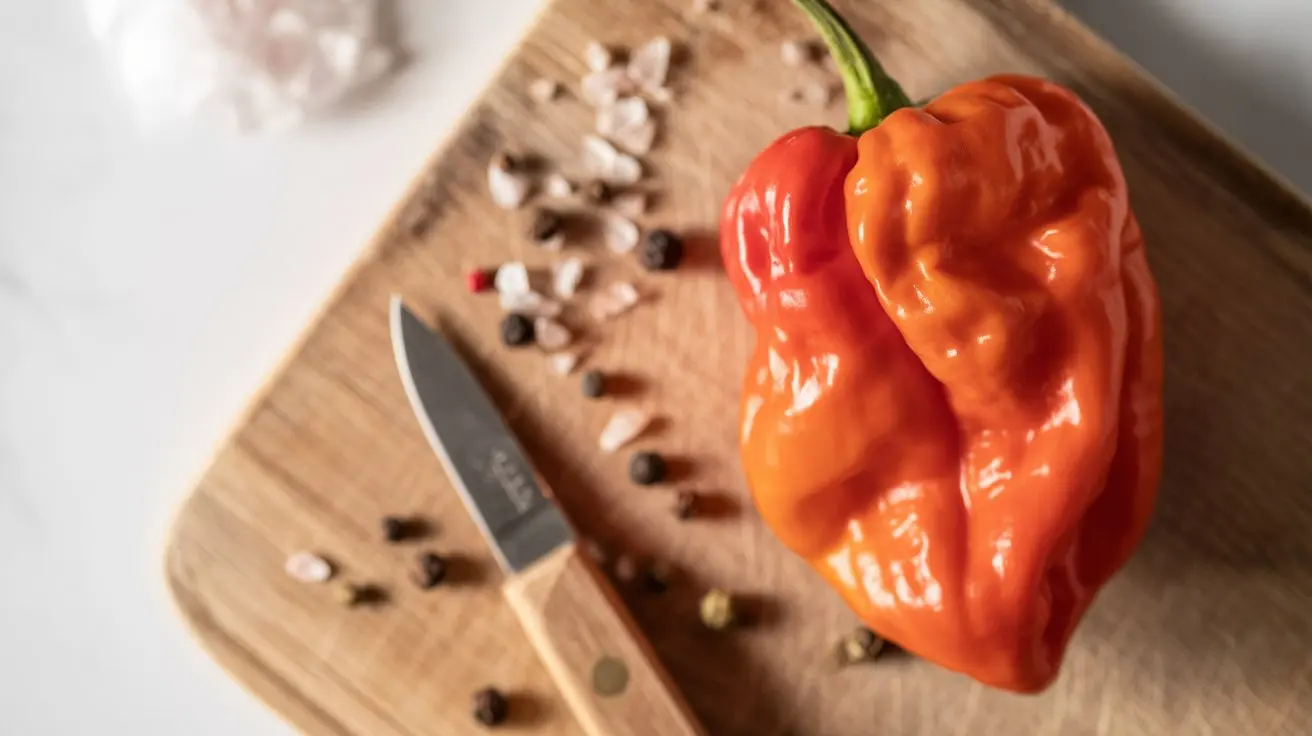
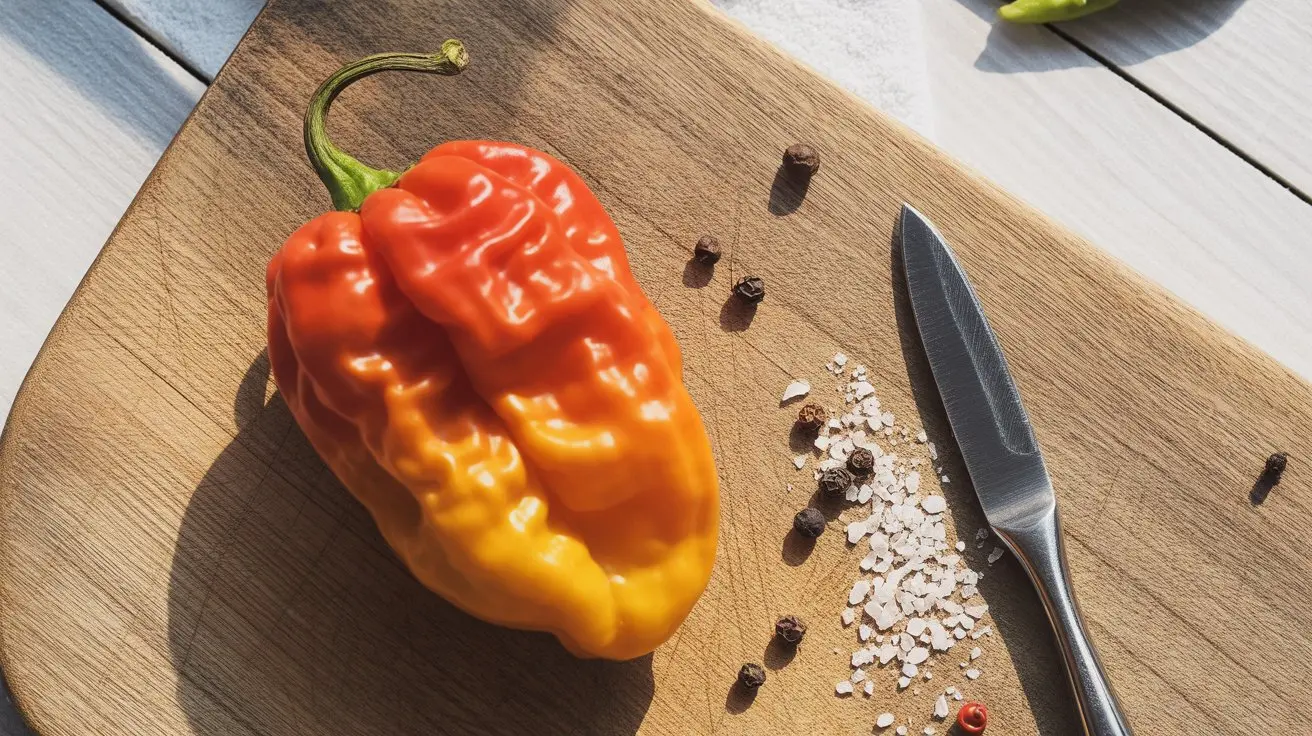
A ripe Fatalii pepper combines bright citrus aroma, yellow color, pointed fruit, and serious heat.
Most alternatives preserve only two or three of those traits, so the best choice depends on what the finished dish needs to keep.
NC State's cultivar record identifies Fatalii as an open-pollinated Capsicum chinense from Central Africa that ripens from light green to bright yellow. That identity explains why an ordinary cayenne can add heat without recreating Fatalii's fragrant, fleshy character.
| Trait in the recipe | Why it matters | Best first match |
|---|---|---|
| Citrus aroma | Defines a bright raw salsa or finishing sauce | Lemon Drop plus controlled heat |
| High heat | Sets the intensity of hot sauce or marinade | Yellow or orange habanero |
| Yellow color | Keeps pale sauces visually clean | Yellow habanero or Lemon Drop |
| Chinense fruit | Supports tropical marinades and fruit sauces | Scotch bonnet or Madame Jeanette |
A single pepper is easiest when the dish can accept a small flavor shift. A two-pepper blend works better when both lemon-like aroma and adjustable heat are central to the recipe.
Should you match citrus or heat first?
Start with citrus character in fresh salsa, seafood sauce, fruit glaze, and any preparation added near the end. Start with heat and chinense fruit in a cooked hot sauce, jerk-style marinade, or stew where a separate citrus ingredient can restore brightness.
This order matters because lemon juice changes acidity and water, while citrus zest changes aroma with little added liquid.
Neither ingredient can replace pepper flesh, so the pepper must still carry the recipe's body.
Yellow habanero is the efficient choice when you need one ingredient and can add a little zest at the end.
Lemon Drop plus habanero is the more controllable choice when several people need different heat levels from the same base.
Which Fatalii substitute fits the finished dish?
Yellow or orange habanero for the closest practical match
Closest MatchHabanero is the best general replacement because it keeps the fleshy Capsicum chinense character and a comparable extra-hot cooking role. Its aroma is rounder and more tropical than Fatalii's sharper lemon note, but the gap is usually small in cooked sauce.
Start with equal trimmed weight in a separate portion when the fruits are similarly ripe, then adjust from the tasted result.
Use yellow or orange fruit when the sauce's golden color matters, and finish with a little zest only if the aroma still feels broad.
Scotch bonnet for sweeter Caribbean flavor
Runner-UpScotch bonnet brings pronounced tropical fruit and a heat role similar to habanero.
It fits jerk-style marinades, grilled fish, fruit sauces, and stews where sweetness supports allspice, thyme, ginger, or vinegar.
The squat fruit can provide more usable flesh than one pointed Fatalii, so avoid a one-for-one pod rule. Compare trimmed weight for a small test, then decide whether citrus zest is needed after the pepper has cooked into the dish.
Lemon Drop for citrus aroma with much easier heat control
Also GreatLemon Drop is the strongest flavor-first option when the dish needs yellow color and a vivid citrus impression but can be milder. It belongs to a different Capsicum species and does not reproduce Fatalii's deep chinense fruit or full intensity.
Use it alone in a gentler salsa or seafood sauce.
For a hotter result, pair it with a separately measured amount of habanero so aroma and heat remain independent controls.
Madame Jeanette for aromatic fruit sauces
Madame Jeanette keeps an aromatic chinense profile and suits Surinamese-style sauces, fruit condiments, and cooked preparations.
Its perfume leans toward ripe tropical fruit rather than the pointed lemon character associated with Fatalii.
Availability is the practical limit. When fresh fruit is in good condition, compare trimmed weight in a small portion and preserve its aroma by avoiding a long uncovered simmer.
Aji Chombo for cooked sauce with tropical depth
Aji Chombo works in cooked sauces where high heat and tropical chinense flavor matter more than a yellow finish. It can fit Caribbean and Panamanian flavor combinations without introducing the earthier character of many superhot peppers.
The red fruit will visibly darken a pale sauce, and its citrus impression is less direct.
Choose it when the recipe already includes lime, sour orange, or another bright ingredient that can carry the missing top note.
How do the fresh peppers compare by shape?
The equal-scale image shows a practical measurement problem.
Fatalii is elongated and wrinkled, habanero is shorter and lantern-shaped, Lemon Drop is slim, and Scotch bonnet is broad and squat.
One fruit from each group does not supply the same amount of flesh. Remove stems and any damaged tissue before comparing prepared weight, then keep the seeds and inner ribs according to the recipe's texture rather than treating them as a dependable heat dial.
- For blended sauce: compare trimmed pepper weight and finished thickness.
- For chopped salsa: compare the amount of usable diced flesh.
- For a marinade: compare the dispersed pepper amount after blending.
- For garnish: judge slice shape and color as well as flavor.

How do you build a milder two-pepper substitute?
Use Lemon Drop pepper as the aromatic base, then add a smaller and separately measured amount of habanero for heat. This keeps the yellow color and lemon-like lift while allowing the cook to stop below Fatalii intensity.
The two peppers serve different jobs, so do not grind them together before the first taste.
Blend the citrus-forward pepper into the base, divide a sample, and add the hotter pepper only to that sample.
Add the yellow citrus-forward pepper to the sauce base and check whether the fresh top note survives.
Move a small portion into a separate bowl so the main batch remains recoverable.
Add finely minced hot pepper to the sample in small increments, then scale the accepted change.
How should you measure a Fatalii swap?
Do not convert Fatalii by a universal pod ratio.
New Mexico State University explains that pepper heat reflects genetics and growing environment, and tasting one pod only approximates that particular fruit.
Prepared weight is useful for matching pepper body, but it cannot guarantee equal capsaicinoid concentration. Treat it as the starting amount for a controlled test, not a promise of equal heat.
| Ingredient form | Starting comparison | What to check next |
|---|---|---|
| Fresh whole pepper | Equal trimmed weight in a small test | Aroma, heat, flesh, and color |
| Fresh mash or paste | Equal prepared weight at similar consistency | Salt, acid, and concentration |
| Dried flakes or powder | A small measured heat adjustment | Dryness, bitterness, and distribution |
| Commercial sauce | Taste separately before adding | Vinegar, salt, sugar, and thickeners |
- Trim and weigh. Compare usable fresh pepper rather than pod count.
- Test a small portion. Keep most of the dish free from the first adjustment.
- Rest and taste. Let the pepper disperse through the sample before judging it.
- Scale cautiously. Multiply only the tested change that the dish actually accepted.
How do you test the substitute without risking the batch?
Divide the base into three small portions when the recipe allows it.
Keep one unchanged, use the second to judge citrus character, and use the third to test the combined aroma and heat.
This side-by-side method reveals whether a disappointing result comes from the pepper, the acid level, or simple over-seasoning. It also gives you an untouched reference when the hotter sample crosses the line.
In a cold sauce, wait several minutes for minced pepper and zest to disperse before tasting again.
In a cooked sauce, judge the sample after the same heating stage the full batch will receive because evaporation can concentrate both salt and heat.

Can powder, mash, or hot sauce replace fresh Fatalii?
Another form can replace Fatalii's heat, but it rarely replaces its fresh pepper body at the same time. Keep the recipe's water, salt, acid, and texture in view before treating a powder, mash, or bottled sauce as an equal ingredient.
A fresh salsa exposes the loss most clearly because dry powder cannot provide crisp flesh.
A long-cooked sauce is more forgiving because the fruit would have softened and dispersed anyway.
Use it when concentrated pepper flavor fits the dish, then reduce another salty or acidic ingredient only after reading the label and tasting.
Bloom a small amount in the liquid or oil already present, and supply missing pepper body with a mild yellow pepper when texture matters.
Count its vinegar, salt, sugar, and thickeners as part of the recipe rather than judging it only by heat.
Do not use a spoon-for-pod conversion across these forms.
Record the brand or batch and the measured amount that worked, because a different product may contain a different pepper concentration and seasoning system.
How should you handle and taste extra-hot peppers?
Wear plastic or rubber gloves and keep your hands away from your face while cutting Fatalii, habanero, Scotch bonnet, or another extra-hot pepper. The National Center for Home Food Preservation gives the same glove and face-contact warning in its hot-pepper preparation guidance.
Use a dedicated cutting surface and wash the knife, board, blender lid, and counter before removing the gloves.
A small smear on a handle can transfer capsaicinoids after the visible pepper pieces are gone.
Disperse a small measured amount through food, then sample a small bite. Directly biting an unfamiliar extra-hot pod gives little control and only describes that one fruit.
Which replacements miss the point?
- Ghost pepper or another superhot: the larger heat jump narrows the margin for correction and can replace Fatalii's bright character with a longer, harsher burn.
- Cayenne alone: it can supply dry linear heat, but it lacks the fleshy tropical aroma and yellow body needed by a Fatalii-centered sauce.
- Lemon juice alone: juice adds acid and water without replacing pepper flesh, capsaicinoids, or chinense fruit.
- Chocolate habanero in a pale sauce: its darker color and earthier flavor move the dish away from Fatalii even when the heat range looks useful.
- A fixed one-pod conversion: fruit size and heat vary too much for pod count to serve as a dependable unit.
Substitution tip: When substituting Fatalii, start with less of a hotter substitute and add more to taste. For milder substitutes, increase the quantity.
Our swap ratio calculator gives precise conversion amounts, and the heat unit converter translates between Scoville and other scales.