

Cubanelle Substitutes That Fry, Stuff, and Soften Right
Use fresh banana pepper for quick frying. Choose a large Anaheim pod when the pepper must hold filling. An Italian friggitello pepper fits an Italian-style skillet. Cubanelle is mild and thin-walled, so cooking behavior matters more than matching heat.
Heat at a glance
Which Pepper Fries Like Cubanelle?
Cubanelle sits among the site's mild peppers and has a strong place in Caribbean cooking. Its role in the Caribbean pepper tradition depends on strips that soften fast because the walls are thinner than a standard bell pepper.
Within the Capsicum annuum species, that is why fresh banana pepper and friggitello work well with onions, sausage, sandwiches, and quick skillet dishes.
A thick pepper can still work, but it needs a thinner slice and more time.
| Cooking job | Best choice | Adjustment |
|---|---|---|
| Fast skillet strips | Fresh banana pepper | Use equal sliced volume |
| Italian-style frying | friggitello for frying | Count by volume because pods are smaller |
| Sofrito | Mild fresh frying pepper | Dice evenly and cook before tomato |
| Large stuffed pod | roastable Anaheim pepper | Roast longer and remove ribs for a mild filling |
Fresh peppers are important here. Pickled banana pepper brings brine and soft texture, so it should be a finishing accent instead of the base of the pan.

Best Cubanelle Swaps by Dish
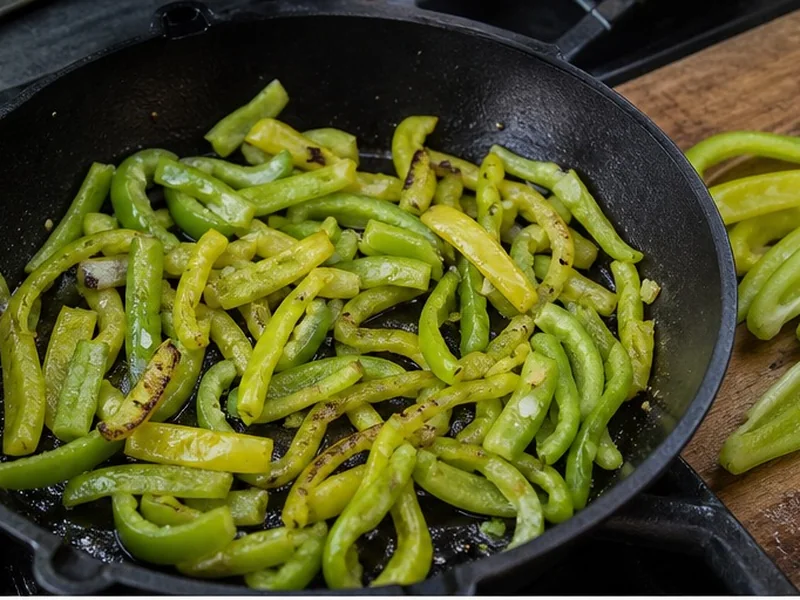
Banana pepper for frying
Closest MatchBanana pepper is the easiest supermarket swap when the cubanelle was going into oil, onions, sausage, or sandwiches. Its thin wall softens quickly, which is the main reason it behaves better than a thick sweet pepper in a frying pan.
thin-walled banana pepper tastes tangier, especially from a jar, so use fresh pods for sauteed dishes. Pickled slices belong in sandwiches and relish, not in a sofrito base.
Friggitello in the pan
Runner-Upthin friggitello pods is the most natural cooking cousin for Italian-style frying. It stays mild, slim, and quick-cooking, so the dish keeps the soft pepper-and-oil feel that cubanelle gives.
Use it for sausage and peppers, pan-fried side dishes, and sandwiches. The pods are often smaller, so count by volume rather than by whole pepper.
Cook it a little less if the pieces are thin.
Sweet Italian pepper
Also GreatSweet Italian pepper fits recipes where the pepper should taste sweet, mild, and soft after cooking. It is especially good in Italian-American frying, roasted pepper plates, and tomato sauces.
Anaheim for stuffed pods
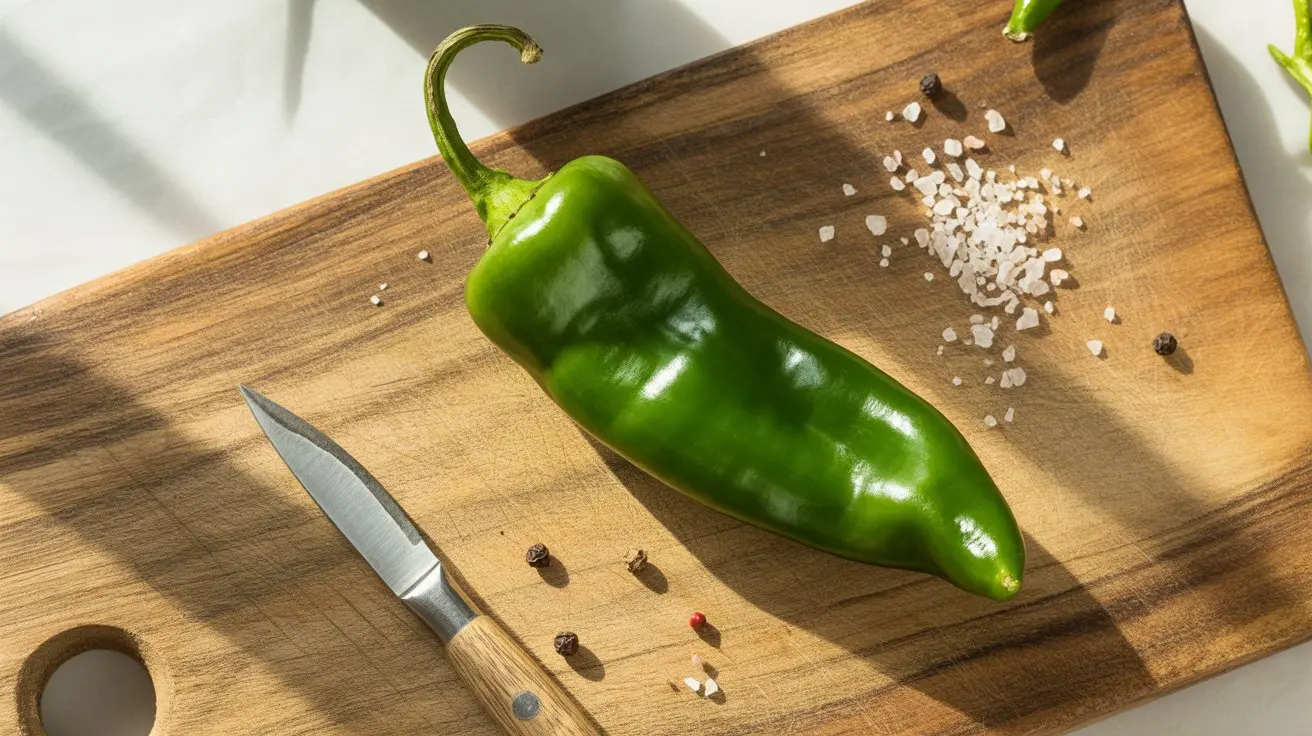
Anaheim for stuffing is the better choice when size matters. It gives a long pod, enough wall strength for stuffing, and a mild green chile flavor that holds up under roasting.
Roast or blister first when the filling cooks quickly.
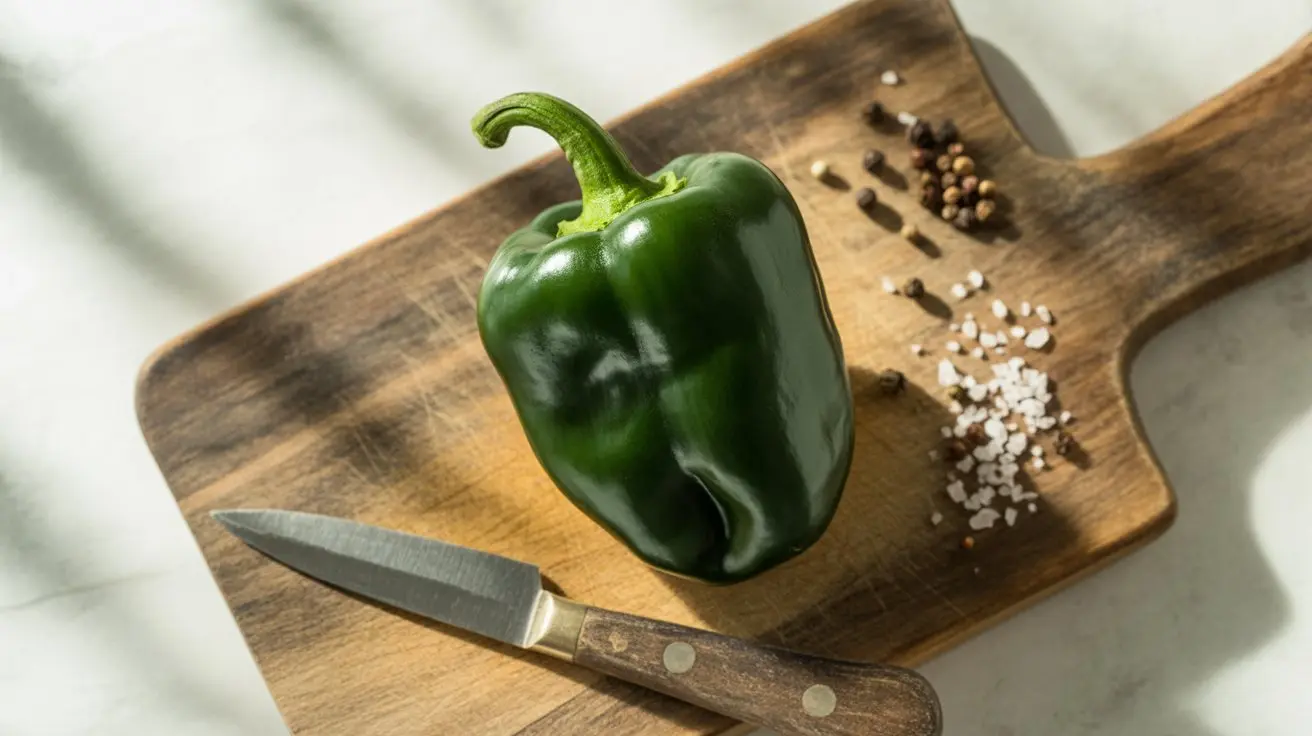
Poblano for baked fillings
Poblano changes the dish from light and sweet to earthy and deeper. That can improve rice, meat, and cheese fillings, but it is not the right move for a quick pan-fried sandwich pepper.
Peel after roasting if the skin feels tough.
Which Cubanelle Swaps Usually Fail?
Very hot peppers miss the cubanelle job. Fresno can taste good in a saute, but it adds a heat signal that cubanelle recipes usually do not expect.
Dried chile powders do not replace thin walls. They season oil or sauce, but they cannot stand in for sliced pepper strips.
Large sweet peppers can work as bulk, but they cook slower and release more water. Slice them thin if they are the only option.
Best Pods for Stuffing
A stuffing pepper needs a cavity wide enough for filling and a wall that stays intact while baking. Anaheim is the closest practical choice for a long pod.
Poblano adds an earthy flavor and needs more roasting.
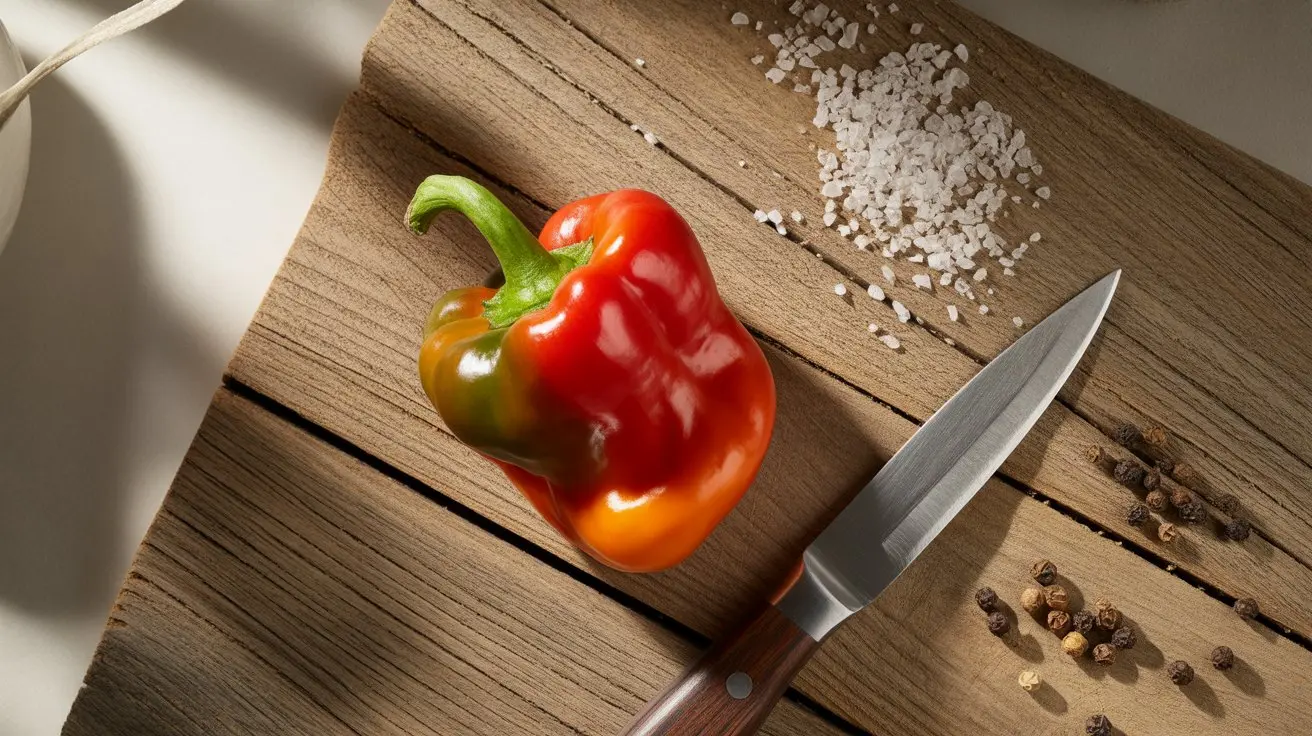
A small bell pepper gives the most room but tastes sweeter.
- Choose pods without deep cracks near the stem.
- Roast thick walls before adding a filling that cooks quickly.
- Leave space for rice or cheese to expand.
Use one large substitute pod for one large cubanelle. The filling amount may need a small adjustment because Anaheim and bell peppers hold different volumes.

Substitution tip: When substituting Cubanelle Pepper, start with less of a hotter substitute and add more to taste. For milder substitutes, increase the quantity.
Our swap ratio calculator gives precise conversion amounts, and the heat unit converter translates between Scoville and other scales.
Cubanelle Cooking Questions
- Capsicum annuum L. - USDA GRIN Taxonomy
- UC Agriculture and Natural Resources
- USDA FoodData Central