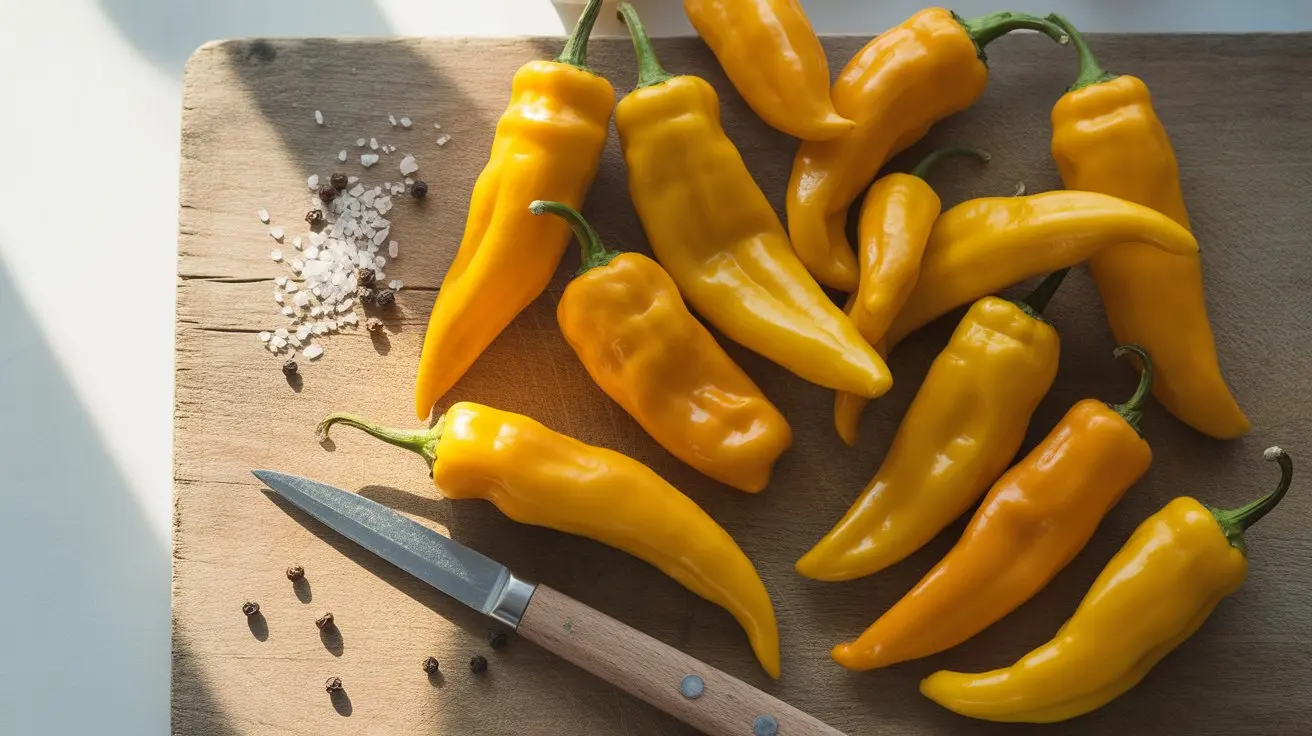
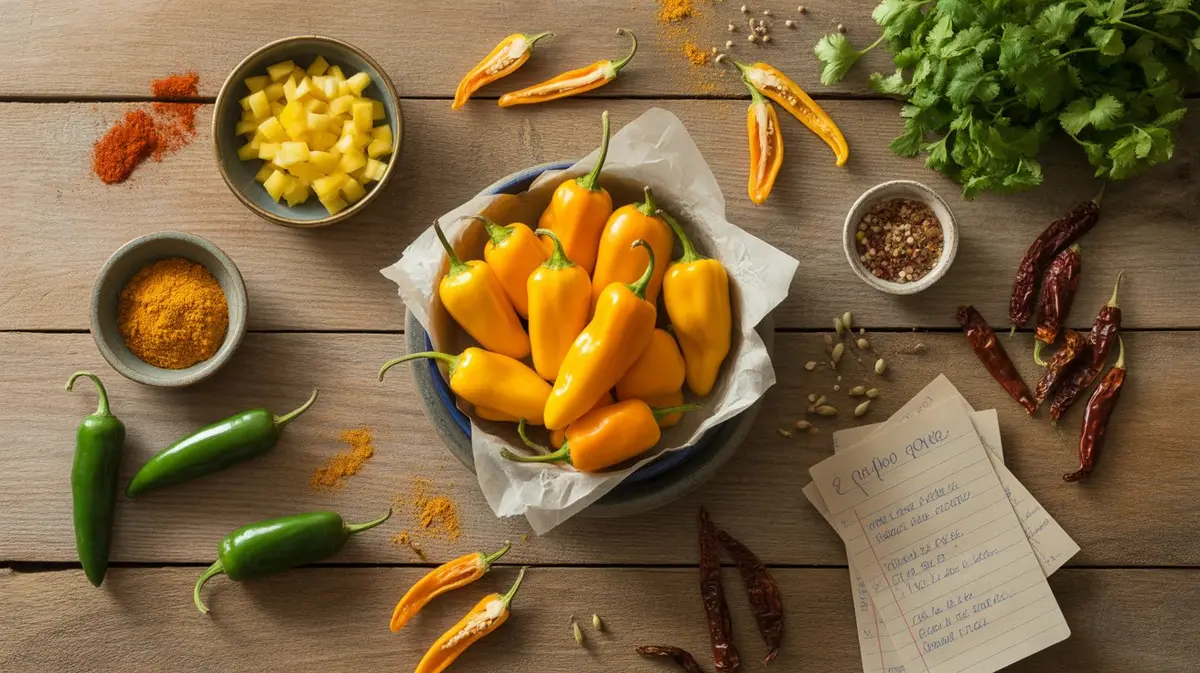
Aji Amarillo is one of Peru's most essential peppers — a 30,000-50,000 SHU C. baccatum variety with a distinctly fruity, raisin-like depth that sets it apart from most substitutes you'll find at a typical grocery store. That flavor profile is the hard part to replace; the heat level is actually quite manageable. The seven substitutes below are ranked by how closely they match both the heat and the fruit-forward character that makes aji amarillo irreplaceable in Peruvian cooking.
These alternatives are ranked by how closely they match Aji Amarillo’s heat level and flavor profile. Use the conversion ratios to adjust quantities in your recipe.
#1
Aji Limo Closest Match
At 30,000-50,000 SHU, aji limo sits in exactly the same hot pepper intensity range as aji amarillo, and it shares the same C. baccatum lineage. The citrusy, fruity punch here is the closest flavor match on this list — more citrus-forward than raisin, but the brightness reads similarly in ceviches and aguadito. Use a 1:1 ratio with confidence. If you want to dig into aji limo's fresh-citrus culinary character, it's worth understanding as a standalone pepper, not just a fallback.
#2
Aji Charapita Runner-Up
Tiny but fierce, aji charapita's intensely fruity pea-sized pods deliver 30,000-50,000 SHU with a citrusy-tropical flavor that overlaps meaningfully with aji amarillo's fruit notes. It's harder to source fresh outside Peru, but the dried or paste form works well. Because the pods are small and heat can concentrate unevenly, start with a 1:1 ratio by weight and adjust. The Peruvian pepper tradition that aji amarillo anchors is the same tradition that gave us charapita — context that matters when you're trying to preserve authenticity.
#3
Aji Cristal Also Great
Aji cristal's tangy, fruit-forward heat — also 30,000-50,000 SHU — makes it a strong structural substitute. It's more tart than raisin-sweet, but in cooked applications like sauces and stews, that tanginess rounds out in a way that approximates aji amarillo's complexity. Use 1:1 in cooked dishes; in raw preparations, reduce by about 20% and taste as you go since the tartness can dominate. Aji cristal is also a C. baccatum variety, which means the botanical family it shares with aji amarillo produces similar capsaicin distribution and pod texture.
#4
Facing Heaven Pepper
The facing heaven pepper's fruity, lightly smoky profile at 30,000-50,000 SHU is a surprisingly good match for aji amarillo in stir-fries and braised dishes. The smokiness is a departure from aji amarillo's clean fruitiness, but it adds dimension rather than distraction. Substitute at 1:1 in cooked applications. For raw salsas or ceviches, this one falls short — the smoke note doesn't belong there.
#5
Maras Pepper
At 30,000-50,000 SHU, maras pepper's earthy, fruity depth offers a different kind of fruit character — more dried-fruit and savory than aji amarillo's bright raisin note, but close enough to work in slow-cooked dishes, marinades, and pepper pastes. The earthy undertone adds body. Use 1:1 in pastes and braises. If you're making aji de gallina specifically, maras is one of the better workarounds when aji amarillo paste isn't available. It's also worth noting that maras sits comfortably within the 30,000-50,000 SHU intensity range — no heat adjustment needed.
#6
Cayenne Pepper
Cayenne is the most accessible substitute on this list, and it matches the 30,000-50,000 SHU range precisely. The problem: cayenne is neutral and peppery, with none of aji amarillo's fruit character. To close the gap, add a small amount of mango powder (amchur) or a few drops of passion fruit juice alongside it. Straight substitution at 1:1 works for heat delivery; flavor compensation is on you. Cayenne's clean, sharp heat profile makes it a reliable heat vehicle even if it's not a flavor match.
#7
Guntur Chili
Guntur chili's earthy, pungent intensity runs 35,000-50,000 SHU — slightly hotter on the low end than aji amarillo. The flavor profile is the furthest from aji amarillo on this list: earthy, smoky, and assertive rather than fruity. Use at a 0.8:1 ratio (slightly less guntur than the aji amarillo called for) and expect a different flavor direction entirely. This works best in dishes where heat and body matter more than fruit character — think thick sauces or spiced oils rather than ceviches.
Tabasco Pepper seems like a reasonable swap given its 30,000-50,000 SHU range, but the sharp, vinegary flavor profile actively fights against aji amarillo's fruity character. In most applications, tabasco's acidity will dominate and pull the dish in the wrong direction — especially in cream-based sauces like aji de gallina.
Santaka Pepper hits 40,000-50,000 SHU and has a citrusy edge, but santaka's sharp, citrusy heat delivery is designed for Japanese and Korean cooking contexts. The sharpness is front-loaded and quick, while aji amarillo's heat is more sustained. The mismatch in heat behavior makes it awkward in Peruvian dishes.
Numex Easter lands in the same SHU range but trends mild and sweet — it lacks the structural heat and fruit intensity that aji amarillo contributes. In dishes where aji amarillo is doing real flavor work, numex easter simply doesn't have enough presence to carry the substitution.
Substitution Tip
When substituting Aji Amarillo (30K–50K SHU), always start with less of a hotter substitute and add more to taste. For milder substitutes, you can increase the quantity. Our swap ratio calculator gives precise conversion amounts, and the heat unit converter translates between Scoville and other scales.
Fact-Checked & Expert Reviewed
Editorial Standards: All facts verified against authoritative sources. Content reviewed by subject matter experts before publication.
Review Process:
Written by
Sofia Torres
(Lead Culinary Reviewer)
, reviewed by
Karen Liu
(Lead Fact-Checker & Science Editor)
. Last updated February 19, 2026.
Cayenne powder matches the heat level at a 1:1 ratio but brings none of the fruity, raisin-like flavor that makes aji amarillo paste distinctive. Blend it with a small amount of mango powder or passion fruit puree to approximate the fruit character before using it in dishes like aji de gallina.
Aji limo is the closest overall match — it shares the same C. baccatum species, the same 30,000-50,000 SHU heat range, and a fruity-citrus profile that reads similarly in cooked applications. Aji charapita is a close second, especially for Peruvian dishes where authenticity matters.
Fresno peppers typically top out around 10,000 SHU, while aji amarillo starts at 30,000 SHU — making aji amarillo roughly three to five times hotter depending on where each pepper falls in its respective range. The flavor difference is equally significant: Fresno is mild and slightly smoky, while aji amarillo is distinctly fruity.
Commercially prepared aji amarillo paste is made from fresh peppers and captures most of the flavor profile, though the heat can vary by brand. For substitution purposes, if a recipe calls for fresh aji amarillo, paste works at roughly 1 tablespoon paste per 1 fresh pepper, adjusted to taste.
Habanero runs 100,000-350,000 SHU — significantly hotter than aji amarillo's 30,000-50,000 SHU range — so direct substitution will overheat most dishes. If habanero is your only option, use about one-quarter the amount called for and expect a different, more floral heat rather than aji amarillo's fruit-forward character.