

Match the Piquillo's Role: Roasted Red Peppers, Pimento, or Bell Pepper
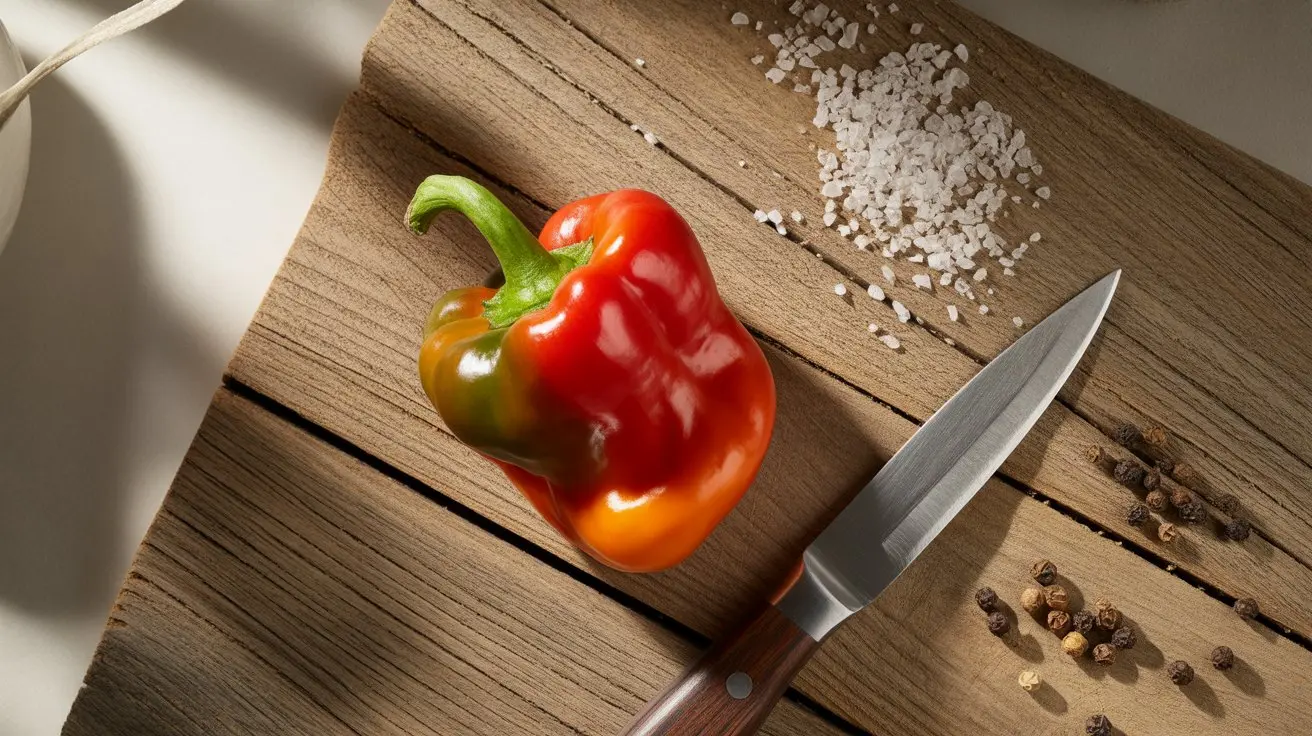
For piquillo peppers, match the cooking role first. Use jarred roasted red peppers for sauces and tapas, pimento for sweet stuffed bites, roasted red bell pepper when you start from fresh produce, and Peppadew only when sweet-sour brine fits. Piquillo is mild, red, roasted, and small enough to stuff, so hot chiles usually move the dish in the wrong direction.
Heat at a glance
What Can You Use Instead of Piquillo Pepper?
Jarred roasted red peppers
Closest MatchSauces and tapas need roasted texture more than a perfect pepper shape. Jarred roasted red peppers already bring soft flesh, red color, and ready-to-use sweetness for romesco, crostini, sandwiches, eggs, and tapas plates.
Blot both sides before stuffing or baking so extra brine does not loosen cheese or seafood fillings.
The flavor is flatter than piquillo pepper, so add a few drops of sherry vinegar or lemon juice when the dish tastes too sweet. A pinch of smoked paprika heat profile can help when the recipe depended on roasted Spanish-style depth.
Pimento for sweet fillings
Runner-UpStuffed bites need a mild red pepper that does not fight the filling. Pimento keeps the sweetness low and gentle, which works in cheese spreads, rice fillings, tuna, crab, and chopped tapas.
Roast or blister fresh pimento first if the recipe expects cooked pepper flavor.
Pimento stays softer and sweeter than piquillo. The pimento vs piquillo comparison helps when the choice is really about sweetness, wall thickness, and stuffing shape.
Roasted red bell pepper
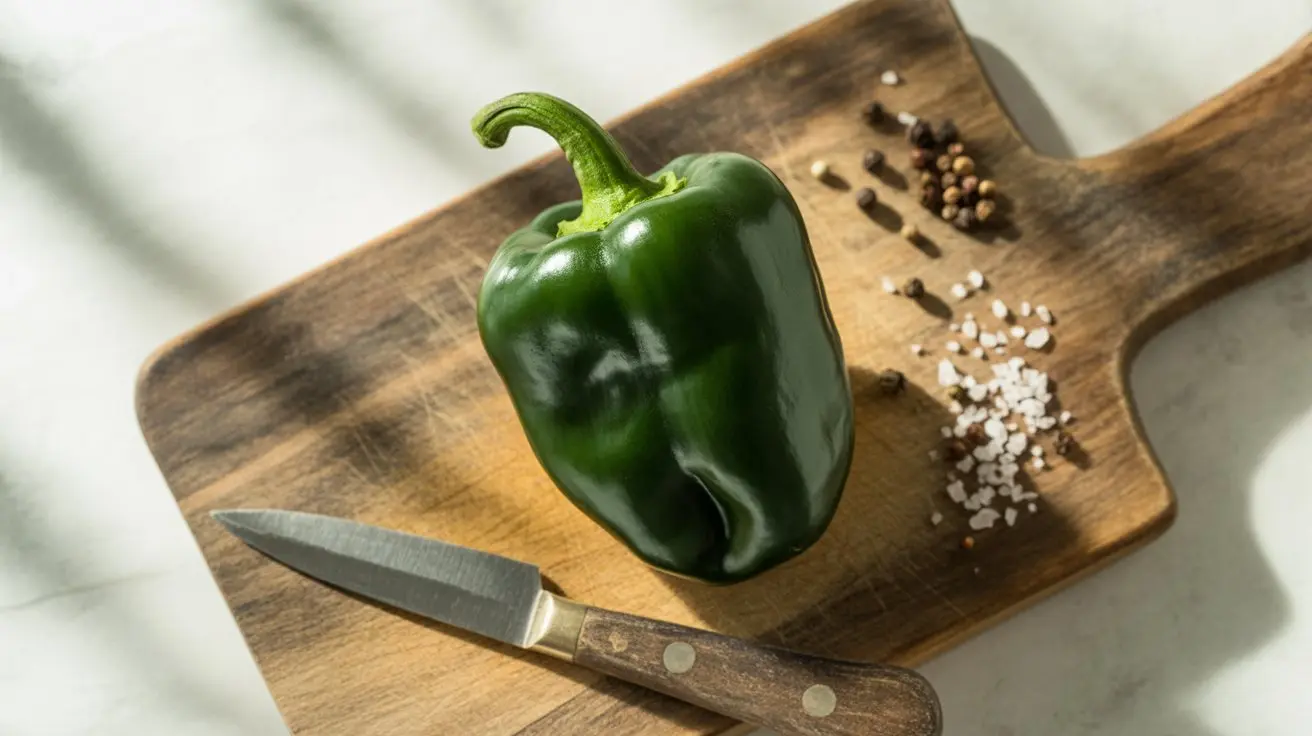
Also GreatFresh prep starts with the grocery pepper you can actually buy. Bell pepper has thicker walls and no heat, so roasting and peeling matter more than the pepper name.
Cut large pieces down before stuffing or serving on toast.
Bell works well in romesco, soup, pasta sauce, and roasted vegetable plates. It is less useful when the dish needs small whole peppers that hold a neat filling.
Mini sweet peppers for small bites
Small stuffed appetizers need size before exact flavor. Mini sweet peppers can hold cheese, tuna, rice, or breadcrumbs, and their thin walls soften faster than large bell peppers.
Roast briefly or blister in a pan before filling.
This is a presentation fix. The flavor stays sweeter and less roasted, so add olive oil, vinegar, garlic, or a pinch of paprika to pull the filling closer to tapas style.
Peppadew for sweet-sour plates
Use Peppadew pepper only when sweet-sour tang fits the appetizer. It is not a clean piquillo copy because it is pickled and slightly fruity, but it can carry cheese, charcuterie, and salad plates.
Rinse lightly if the brine tastes too sweet for the filling.
This swap works when the dish can become brighter. It does not belong in romesco or sauces that need roasted red pepper depth.
Cubanelle for cooked strips
Cooked strips need mild pepper flesh that softens quickly. Cubanelle is usually green or pale yellow, so it will not copy piquillo color, but it works in sauteed peppers, rice, sandwiches, and egg dishes.
Cook it gently because the walls collapse faster than roasted piquillo.
Choose cubanelle only when red color is not the point. It solves texture in the pan, not Spanish red pepper flavor.
Anaheim for roasted mild chile dishes
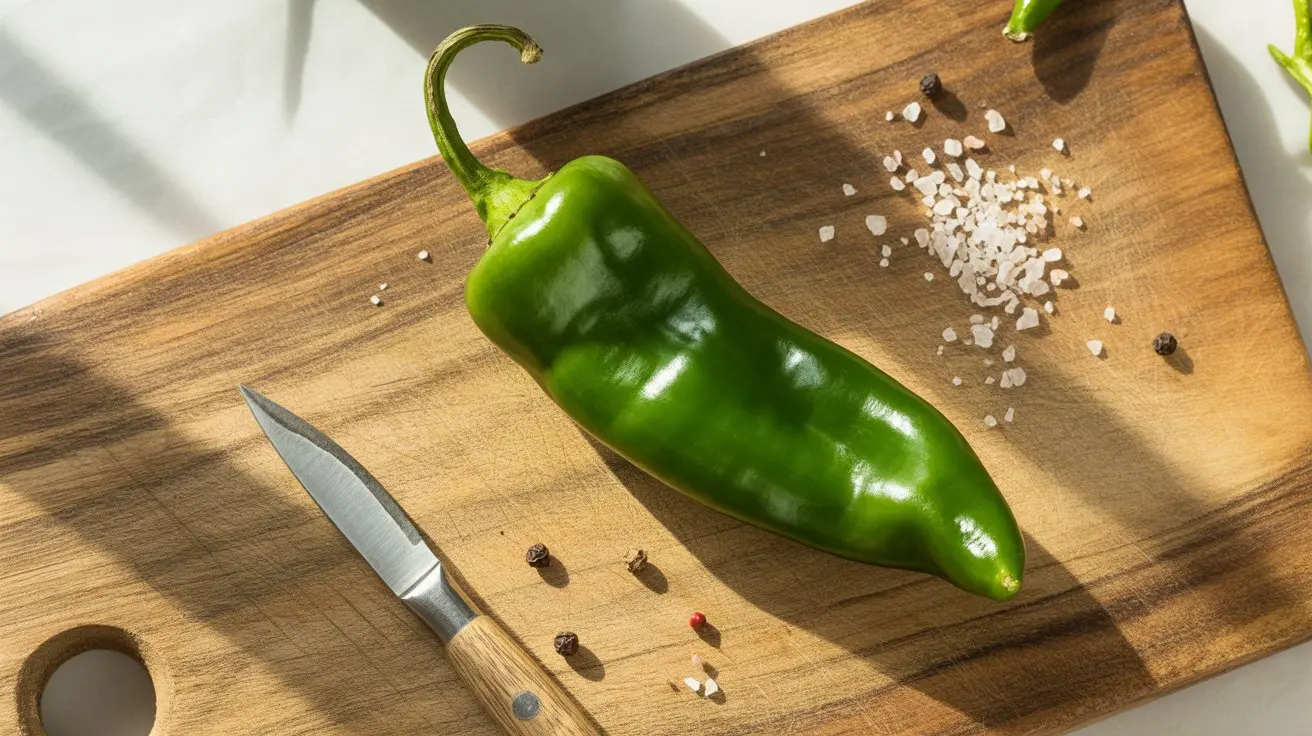
Some recipes use piquillo as a mild roasted chile, not as a sweet red garnish. Anaheim can take that job in casseroles, green chile fillings, and roasted strips, though the flavor turns grassier.
Anaheim adds more chile character than bell or pimento. It is a cooking swap, not a tapas garnish swap.
Pimento plus paprika and vinegar
Pantry repair works better when you rebuild piquillo in pieces. Use pimento for sweet flesh, sweet paprika for red pepper depth, and sherry vinegar for the small tang that jarred piquillos often bring.
Rest for 10 minutes before stuffing or blending.
This blend helps spreads, crostini, and sauces. It will not make a perfect whole stuffed pepper, but it fixes the flavor balance better than a hot chile would.
Which Peppers Make Poor Piquillo Pepper Substitutes?
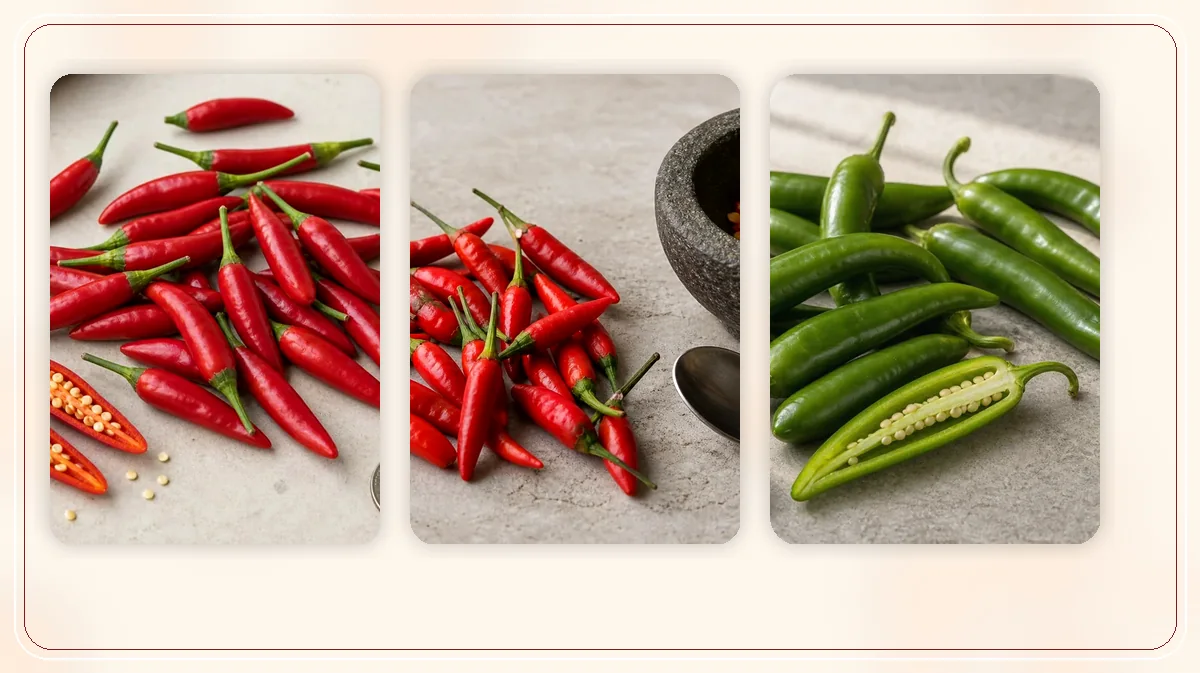
Avoid Fresno, jalapeno, and serrano when the recipe needs sweet stuffed piquillos. Their heat changes the dish before it solves texture.
Avoid cherry peppers unless the recipe can handle pickled tang and a rounder shape. They work for some appetizers, but not for romesco or roasted red pepper sauce.
Avoid dry chile powders as the whole substitute. They can season a sauce, but they cannot replace the soft roasted flesh.
Substitution tip: When substituting Piquillo Pepper, start with less of a hotter substitute and add more to taste. For milder substitutes, increase the quantity.
Our swap ratio calculator gives precise conversion amounts, and the heat unit converter translates between Scoville and other scales.
Piquillo Pepper Substitute FAQ
- USDA FoodData Central - Sweet Peppers Red Raw
- University of Minnesota Extension - Growing Peppers in Home Gardens