Out of Pepperoncini? Pickled Banana Pepper Is the First Swap to Try
For pepperoncini in sandwiches, salads, antipasto, and pizza, use pickled banana pepper first. Use cherry pepper when you need a firmer pickled bite, friggitello when the recipe is fresh and cooked, and pimento when sweetness matters more than brine. Pepperoncini is mild, thin-walled, and tangy, so the right swap starts with acidity and texture before heat.
Heat at a glance
What Can You Use Instead of Pepperoncini?
Pickled banana pepper
Closest MatchA jarred sandwich needs brine before it needs heat. Pickled banana pepper keeps the same mild bite, yellow-green color, and deli-style tang that makes pepperoncini useful on subs, Greek salad, pizza, and antipasto.
The banana pepper profile is the closest pepper match for everyday use. It stays mild, so the dish does not turn into a jalapeno recipe by accident.
Cherry pepper for firm antipasto
Runner-UpFirmer appetizers need a different swap. Cherry pepper has thicker flesh and a round shape, so it works better in chopped antipasto, stuffed bites, giardiniera, and hoagie relish than in long pepperoncini-style rings.
Taste the jar first because hot cherry peppers can carry more heat than mild pepperoncini.
This swap changes the chew more than the acidity. Use it when the pepper needs to stay visible and firm after sitting in oil, cheese, or a salad dressing.
Friggitello for fresh cooking
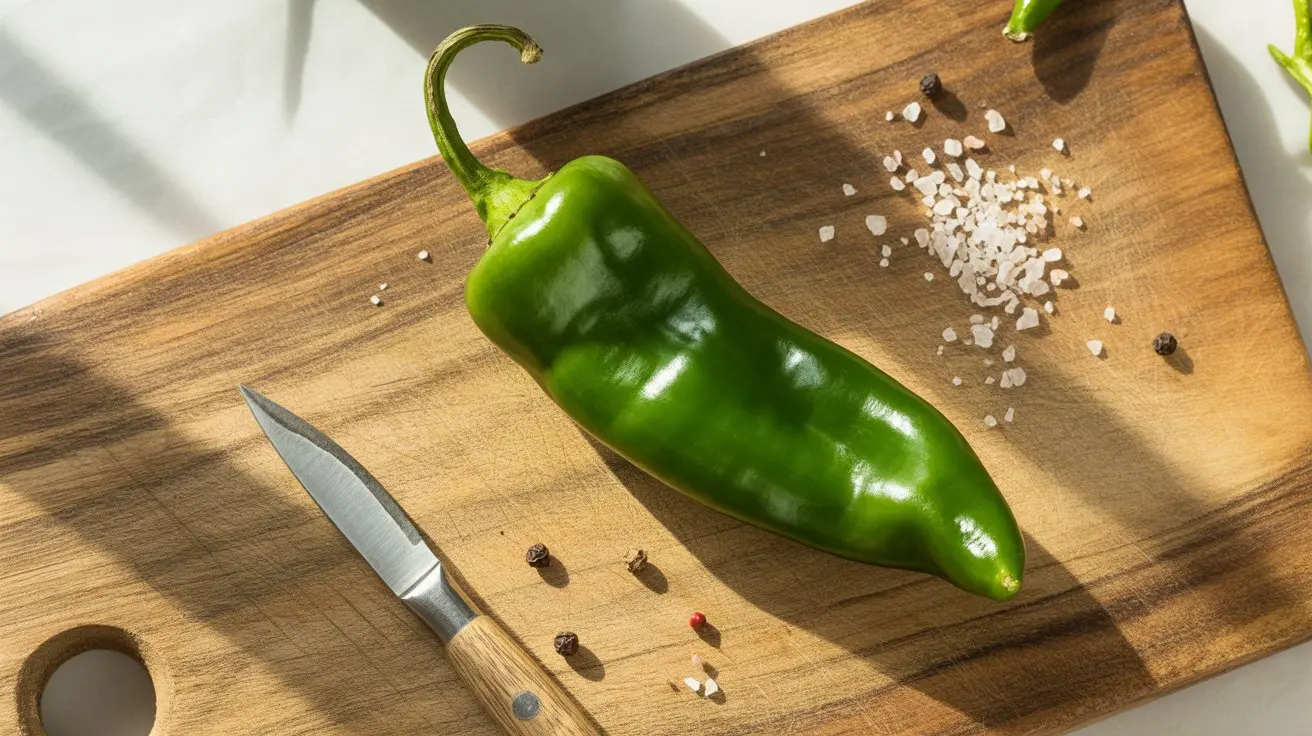
Also GreatFresh skillet recipes ask for a mild Italian frying pepper, not a pickle. Friggitello gives that soft green pepper flavor in pasta, sausage-and-pepper dishes, omelets, and quick sauteed sides.
Friggitello works because the cooking job changed. It replaces a mild pepper in the pan, not the sharp jar flavor on a sandwich.
Pimento for sweet mild fillings
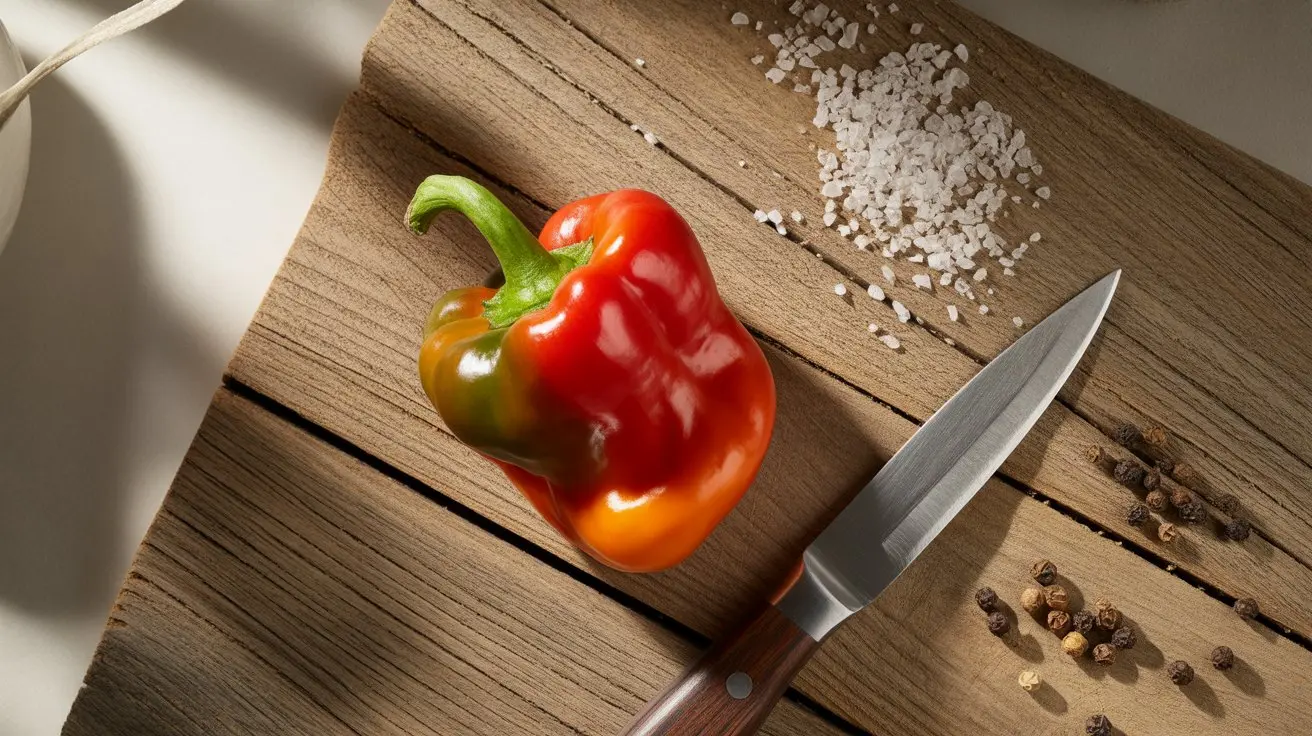
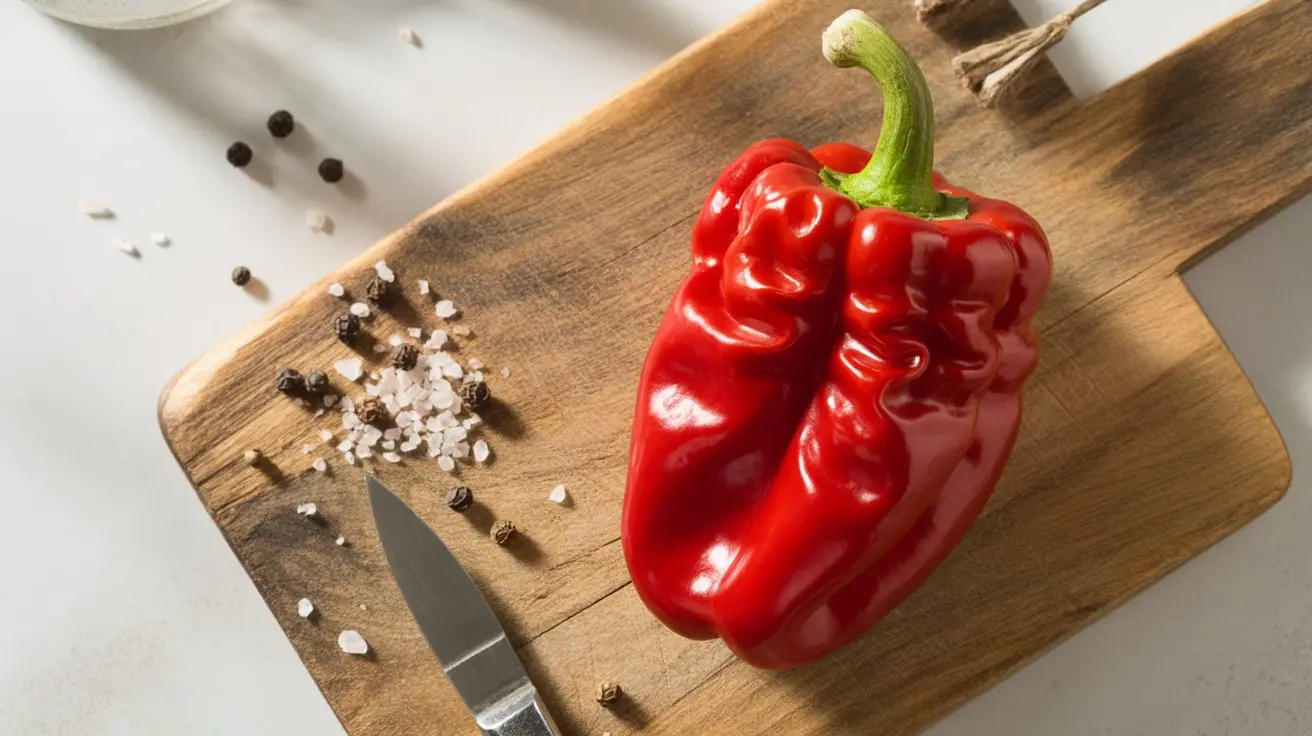
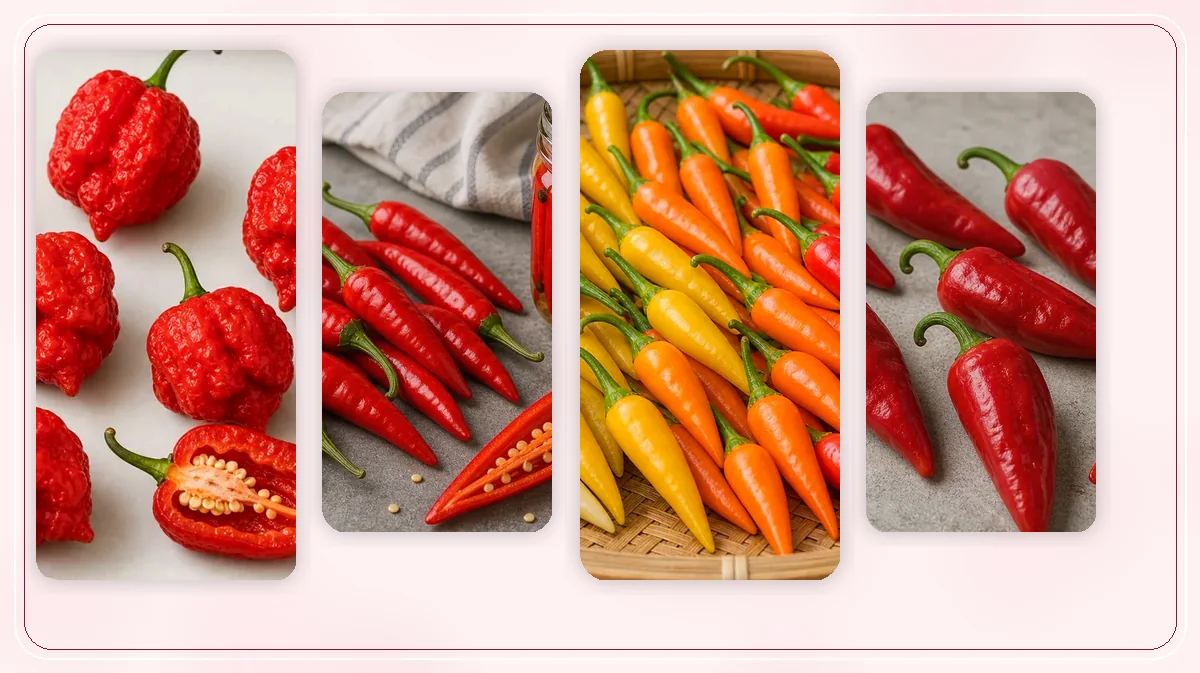
Creamy fillings can handle sweeter pepper flavor. Pimento stays mild and soft, which helps in cheese spreads, tuna salad, deviled eggs, and chopped cold salads where pepperoncini would be minced instead of served whole.
This is not the right swap for a whole pepper garnish. It is a better fix when the pepper gets chopped small and mixed into something rich.
Cubanelle in cooked dishes
Cooked pepper mixes need mild flesh that softens without turning sugary. Cubanelle fits sauteed onions, sausage, pasta sauce, and rice dishes where pepperoncini would lose most of its brine during cooking anyway.
Cook it a little less than a thick bell pepper because cubanelle walls soften quickly.
Add acid near the end if the original recipe used pickled pepperoncini. Heat will dull vinegar, so a late splash gives a cleaner finish.
Pickled jalapeno for hotter sandwiches
A spicy sandwich can use pickled jalapenos when pepperoncini is missing, but the swap changes the dish. Jalapeno brings sharper green heat, while pepperoncini sits at a much milder 100-500 SHU.
This choice makes sense on nachos, burgers, tacos, and spicy subs. It is too hot for recipes where pepperoncini should stay gentle.
Banana pepper plus vinegar
Fresh banana pepper can stand in when you only have produce, not a jar. Slice it thin, salt it for 10 minutes, then dress it with vinegar before it goes into salads or sandwiches.
Let it sit while the rest of the dish comes together.
This quick fix will not taste like a real pickle, but it solves the missing acid better than adding a hotter chile.
Mild giardiniera mix
Mixed jars work when pepperoncini is part of a larger briny garnish. Mild giardiniera brings vinegar, crunch, and chopped vegetable flavor for chopped salads, hoagies, pizza, and relish trays.
Choose a mild jar unless the recipe already expects heat.
This is a pantry workaround, not a pepper match. It helps when the dish needs a briny accent more than a specific pepper shape.
Which Peppers Make Poor Pepperoncini Substitutes?
Avoid hot green chiles as a default pepperoncini substitute. Jalapeno and serrano can work in spicy dishes, but they change the heat before they fix the briny flavor.
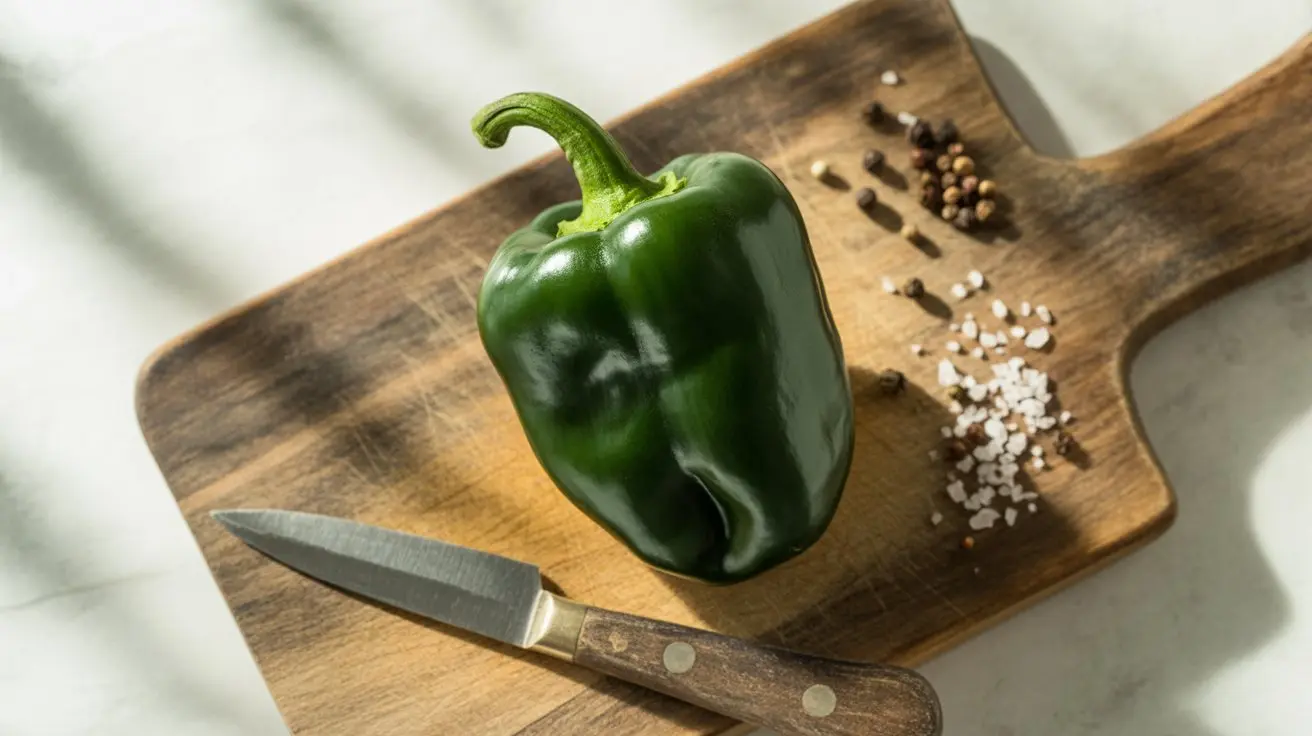
Avoid plain sweet bell pepper for sandwiches and Greek salad unless you also add acid. It gives crunch, but it does not give the mild pickle bite.
Avoid smoky roasted peppers in cold briny dishes. Smoke pulls antipasto, salads, and subs away from the bright pepperoncini role.
Substitution tip: When substituting Pepperoncini, start with less of a hotter substitute and add more to taste. For milder substitutes, increase the quantity.
Our swap ratio calculator gives precise conversion amounts, and the heat unit converter translates between Scoville and other scales.