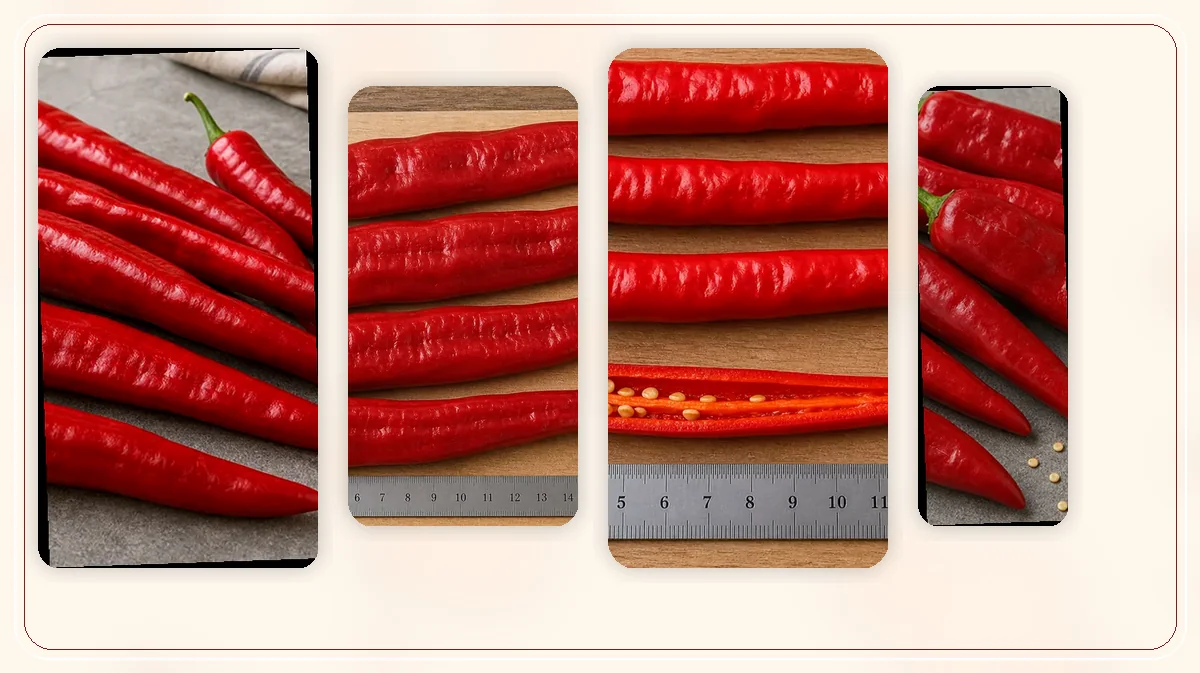
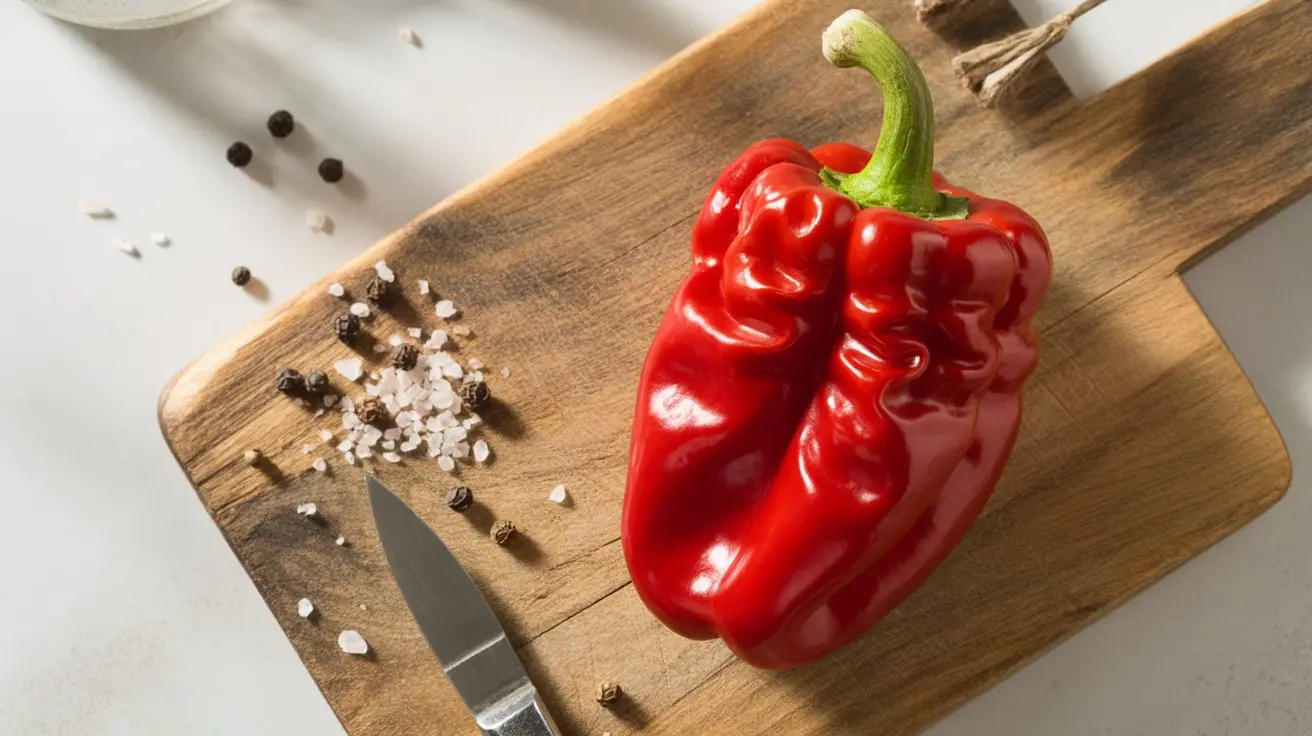
Best New Mexico Chile substitutes and alternatives for cooking
Substitute Guide Medium

No New Mexico Chile? Try These 7 Alternatives

Source Pepper
New Mexico Chile
1K–8K SHU · earthy and sweet · USA
Full Profile →
Quick Summary

New Mexico Chile brings a distinctive earthy sweetness and mild-to-medium heat (1,000-8,000 SHU) that anchors red chile sauces, enchiladas, and posole across the American Southwest. Fresh pods are seasonal, dried ones can be hard to source outside the region, and whole ristras aren't exactly pantry staples. The seven substitutes below cover the full flavor and heat spectrum so your dish doesn't suffer.

Heat Level
1K–8K
SHU
Flavor
earthy and sweet
Substitutes
7
ranked options
New Mexico Chile Substitutes

Best New Mexico Chile Substitutes

These alternatives are ranked by how closely they match New Mexico Chile’s heat level and flavor profile. Use the conversion ratios to adjust quantities in your recipe.

#1
Hatch Chile Closest Match

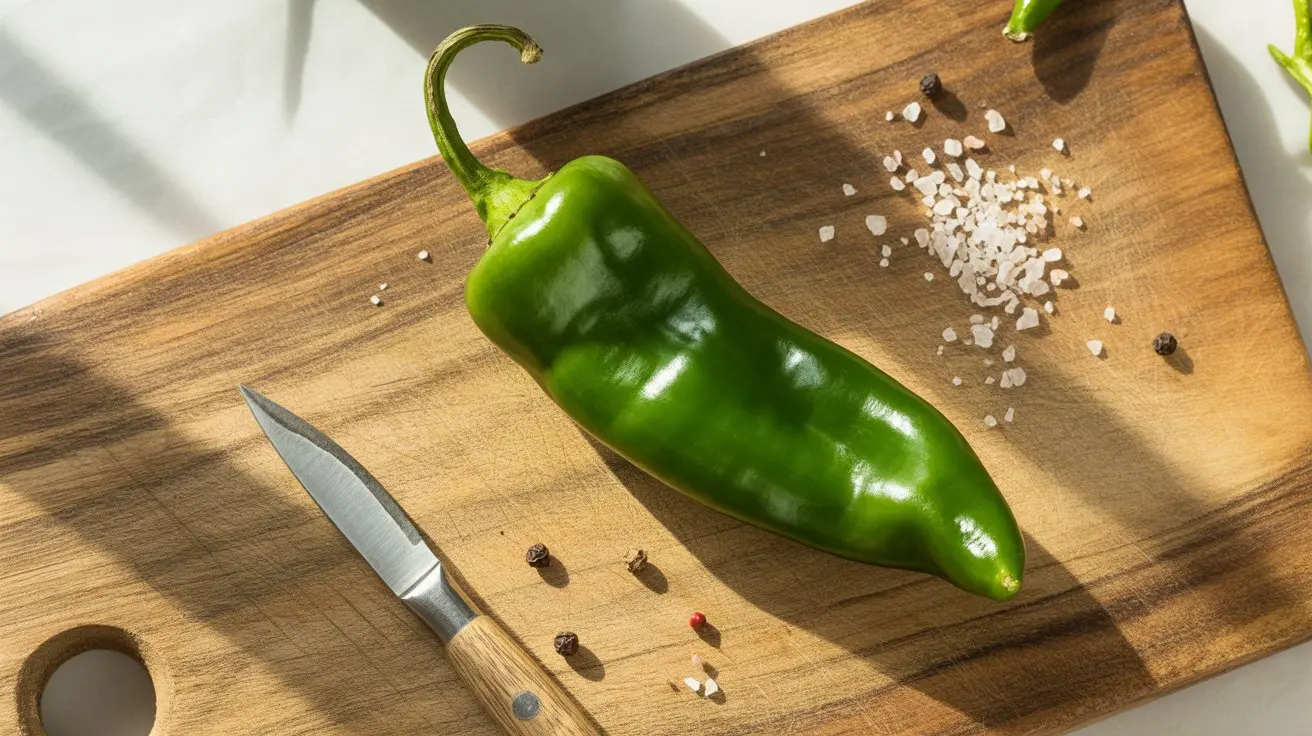
Hatch Chile sits at 1,000-8,000 SHU — an almost identical heat window to New Mexico Chile — and delivers the same earthy, roasted sweetness that defines Southwestern red sauces. Technically, Hatch is a regional designation for New Mexico Chiles grown in the Hatch Valley, so this is the closest possible match. Use a 1:1 ratio in any recipe without adjustment.

Flavor notes: slightly more mineral and terroir-driven than generic New Mexico Chile, but most tasters won't notice the difference in a finished sauce.

#2
Chipotle Runner-Up

Smoked jalapeños land at 2,500-8,000 SHU, overlapping the upper heat range of New Mexico Chile. The deep smoky sweetness of chipotle in adobo pairs naturally with the earthy base notes you're replacing. Use ¾ of the called-for amount first — chipotles carry more smoke intensity, so a full swap can overwhelm a delicate red chile sauce.

Flavor notes: pronounced smokiness absent in fresh New Mexico Chile; adds complexity to braises and stews but can dominate lighter applications.

#3
Gochugaru Also Great

Korean red pepper flakes clock in at 1,500-10,000 SHU, putting the lower end squarely in mild territory. Gochugaru's smoky-sweet dried pepper character translates surprisingly well in cooked applications — think slow-simmered sauces and marinades. Use ¾ of the volume called for since the flake form disperses heat more evenly than whole dried pods. This works best as a powder or flake substitute, not in recipes calling for whole dried chiles.

Flavor notes: mild fruitiness and smoke without the grassy green notes; slightly sweeter than New Mexico Chile.

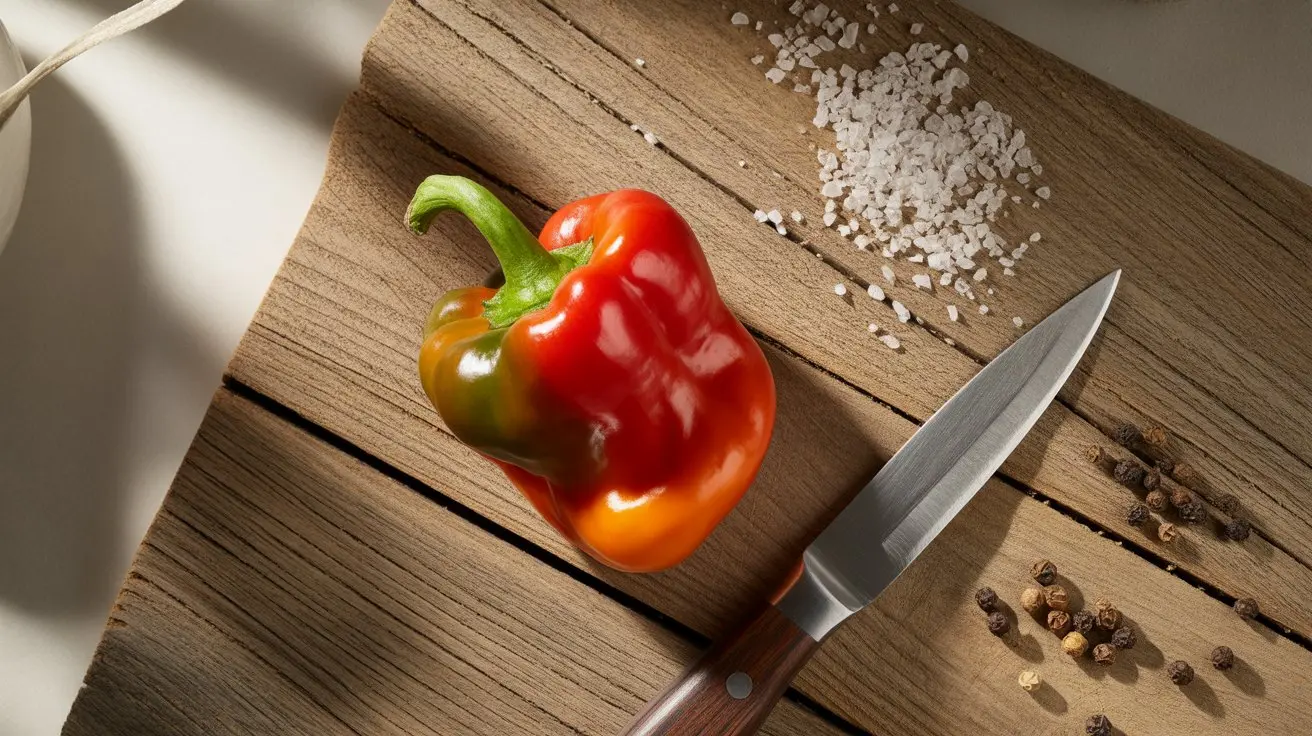
Comparison of New Mexico Chile with similar peppers for substitution
#4
Fresno Pepper

Fresno peppers run 2,500-10,000 SHU, so at peak heat they sit roughly 1.25 times hotter than the top of the New Mexico Chile range. The fruity, smoky brightness of a ripe Fresno makes it a solid fresh substitute when New Mexico Chiles are unavailable in pod form. Use 1:1 by volume but taste as you go — hotter individual Fresnos can push the dish spicier than intended.

Flavor notes: more fruit-forward and less earthy than New Mexico Chile; excellent in salsas and quick sauces where you want brightness.

#5
Puya Pepper

At 5,000-8,000 SHU, Puya runs toward the hotter end of the mild-to-medium Scoville range that New Mexico Chile occupies. The fruity, smoky depth of dried Puya chiles complements mole-style preparations and red chile bases. Use ½ to ¾ of the called-for amount and adjust upward — the heat climbs faster than New Mexico Chile.

Flavor notes: more pronounced fruitiness and a drier, less sweet finish; works well blended with a milder pepper to balance the heat.

#6
Jalapeño

Fresh jalapeños (2,500-8,000 SHU) are the easiest grocery-store swap, though the flavor profile diverges from New Mexico Chile. The bright, grassy bite of a fresh jalapeño lacks the earthy sweetness of dried New Mexico Chiles, so this works better in fresh applications than in cooked red sauces. Use a 1:1 ratio for fresh recipes; for cooked sauces, add a pinch of smoked paprika to approximate the missing depth.

Flavor notes: distinctly green and vegetal when fresh; roasting closes the gap considerably by adding char and sweetness.

#7
Sandia Pepper

Sandia is actually a New Mexico Chile cultivar, developed at NMSU, registering 5,000-7,000 SHU. The bright, sweet heat of Sandia pods makes it one of the most accurate substitutes on this list — it belongs to the same C. annuum botanical family and shares the regional flavor DNA. Use 1:1 with confidence. The main obstacle is availability; Sandia seeds are easier to find than fresh pods outside the Southwest, and the broader American pepper tradition that produced both varieties means the culinary fit is essentially seamless.

Flavor notes: slightly hotter and brighter than standard New Mexico Chile but with the same sweet earthiness at its core.

Related Anaheim Pepper: 500–2.5K SHU, Flavor & Recipes
Peppers to Avoid as New Mexico Chile Substitutes

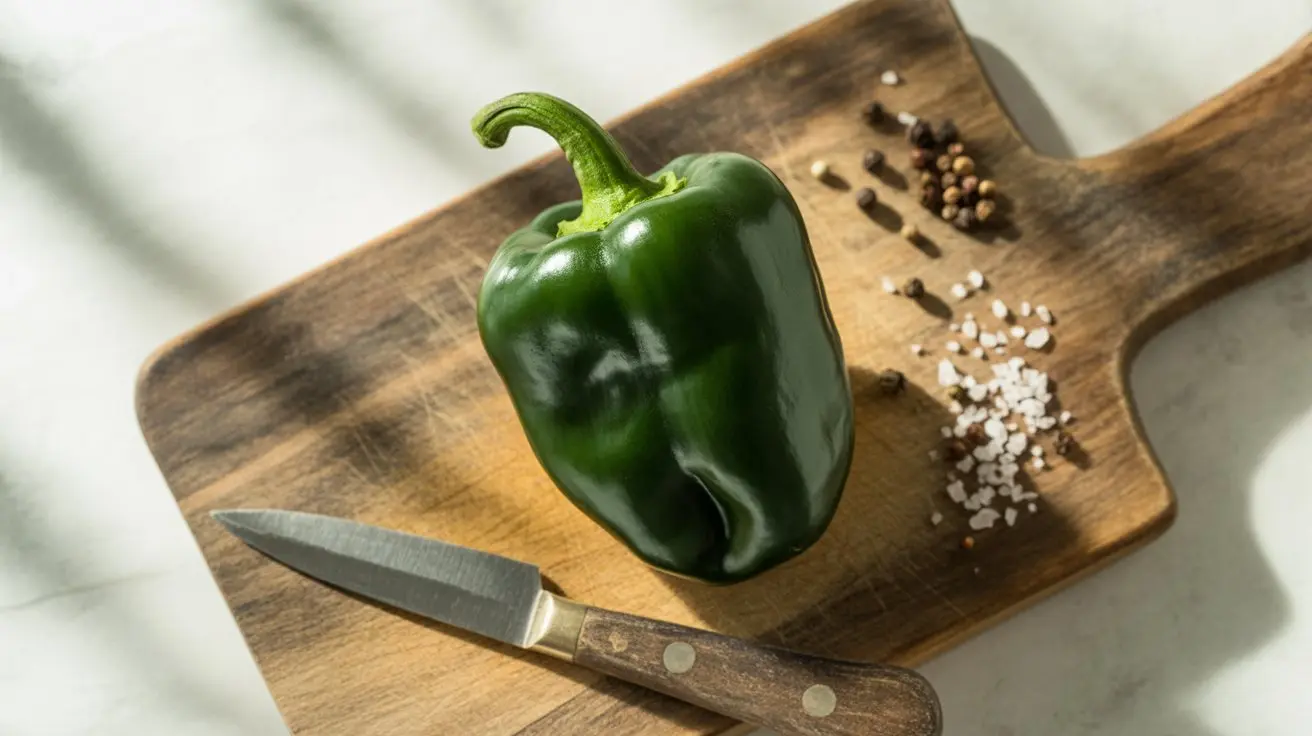
Ancho Chile seems like an obvious stand-in — it is dried, mild, and widely available. The problem is flavor: ancho (dried poblano) carries a raisin-like sweetness and chocolate undertone that reads completely differently from the clean earthiness of New Mexico Chile. In red chile sauce, ancho pulls the flavor toward mole territory, which isn't what most recipes intend.

Cayenne sits at 30,000-50,000 SHU, far above the New Mexico Chile ceiling, and delivers almost no sweetness or earthiness — just sharp, linear heat. Even diluted heavily, cayenne cannot replicate the layered flavor that New Mexico Chile contributes to posole or enchilada sauce.

Banana Pepper lands in the right heat range (0-500 SHU) but is far too mild and vinegary in its pickled form. Fresh banana peppers lack the earthiness and body to carry a sauce, producing a thin, sweet result that bears little resemblance to the original.

Substitution Tip

When substituting New Mexico Chile (1K–8K SHU), always start with less of a hotter substitute and add more to taste. For milder substitutes, you can increase the quantity. Our swap ratio calculator gives precise conversion amounts, and the heat unit converter translates between Scoville and other scales.

Fact-Checked & Expert Reviewed
Editorial Standards: All facts verified against authoritative sources. Content reviewed by subject matter experts before publication.
Review Process: Written by Sofia Torres (Lead Culinary Reviewer) , reviewed by Karen Liu (Lead Fact-Checker & Science Editor) . Last updated February 19, 2026.
Related Ancho Pepper: 1K–2K SHU, Flavor & Recipes

New Mexico Chile Substitute FAQ

Ancho powder works in a pinch but shifts the flavor toward chocolate and dried fruit rather than the clean earthy sweetness of New Mexico Chile. For a closer match, blend ancho powder with a small amount of smoked paprika to approximate the missing brightness.

Hatch Chile is the most accurate swap since it is effectively the same pepper grown in the same region — use it 1:1 with zero flavor adjustment. If Hatch isn't available, a combination of Guajillo (for earthiness) and a small amount of chipotle (for depth) comes close to the original sauce character.

Hatch Chile is a regional designation for New Mexico Chiles grown specifically in the Hatch Valley of New Mexico — so all Hatch Chiles are New Mexico Chiles, but not all New Mexico Chiles are Hatch. Outside the Hatch Valley, the flavor and heat can vary depending on cultivar and growing conditions.

Fresh jalapeños lack the dried, concentrated earthiness of New Mexico Chile, so roast them first to develop char and sweetness before blending. Add ½ teaspoon of smoked paprika per pepper to bridge the flavor gap in slow-cooked sauces.

Gochugaru works well in chili because its smoky-sweet dried pepper flavor shares key notes with New Mexico Chile powder. Use about ¾ of the called-for amount since gochugaru flakes distribute heat more efficiently than coarsely ground dried New Mexico Chile.

Sources & References
Karen Liu
Fact-checked by Karen Liu
Contributing Editor & Food Scientist
All Substitutes Browse Peppers Substitute Finder Tool