
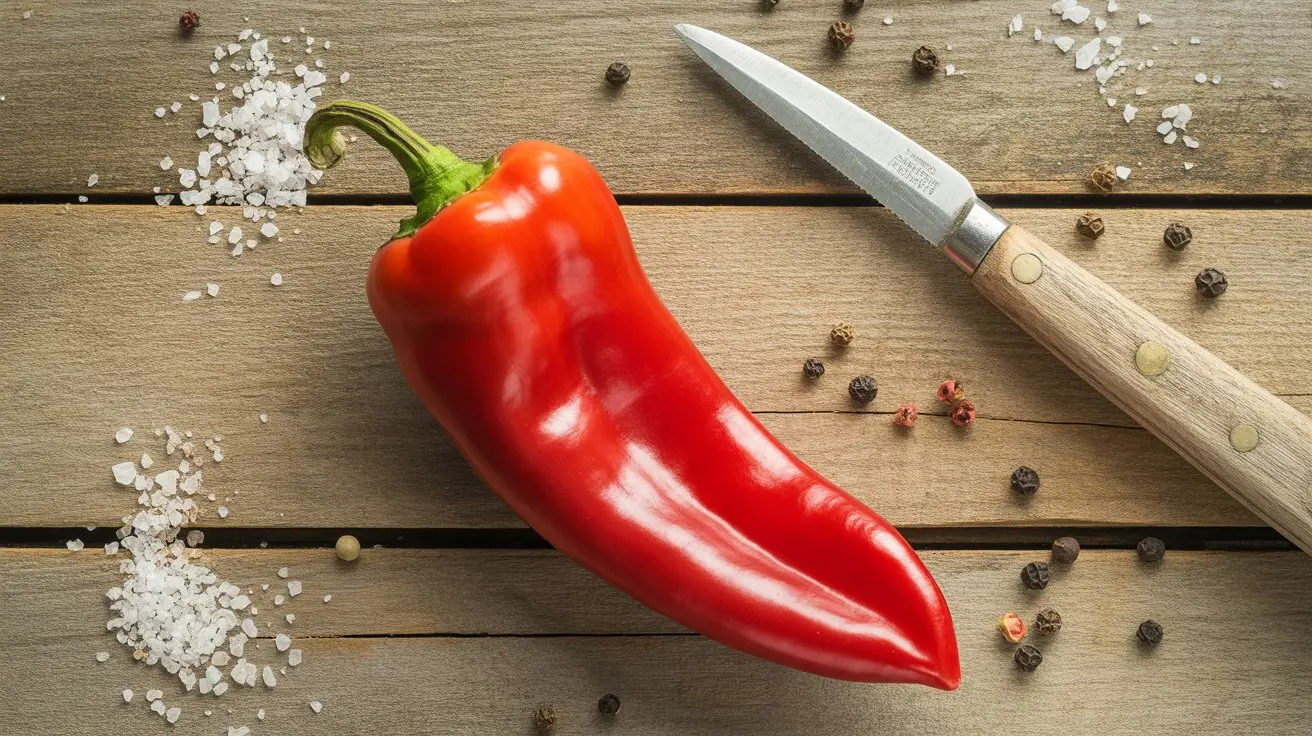
Best Cayenne Pepper substitutes and alternatives for cooking
Substitute Guide Hot

No Cayenne? 7 Best Substitutes (With Ratios)

Source Pepper
Cayenne Pepper
30K–50K SHU · neutral and peppery · French Guiana
Full Profile →
Quick Summary

Cayenne pepper sits at 30,000-50,000 SHU with a clean, neutral heat that makes it one of the most versatile spices in any kitchen. When you run out, the right substitute depends on whether you need to match that neutral peppery burn or can tolerate some extra flavor character. The seven options below cover everything from near-perfect heat matches to peppers that add fruity or smoky complexity alongside similar fire.

Heat Level
30K–50K
SHU
Flavor
neutral and peppery
Substitutes
7
ranked options
Advertisement

Best Cayenne Pepper Substitutes

These alternatives are ranked by how closely they match Cayenne Pepper’s heat level and flavor profile. Use the conversion ratios to adjust quantities in your recipe.
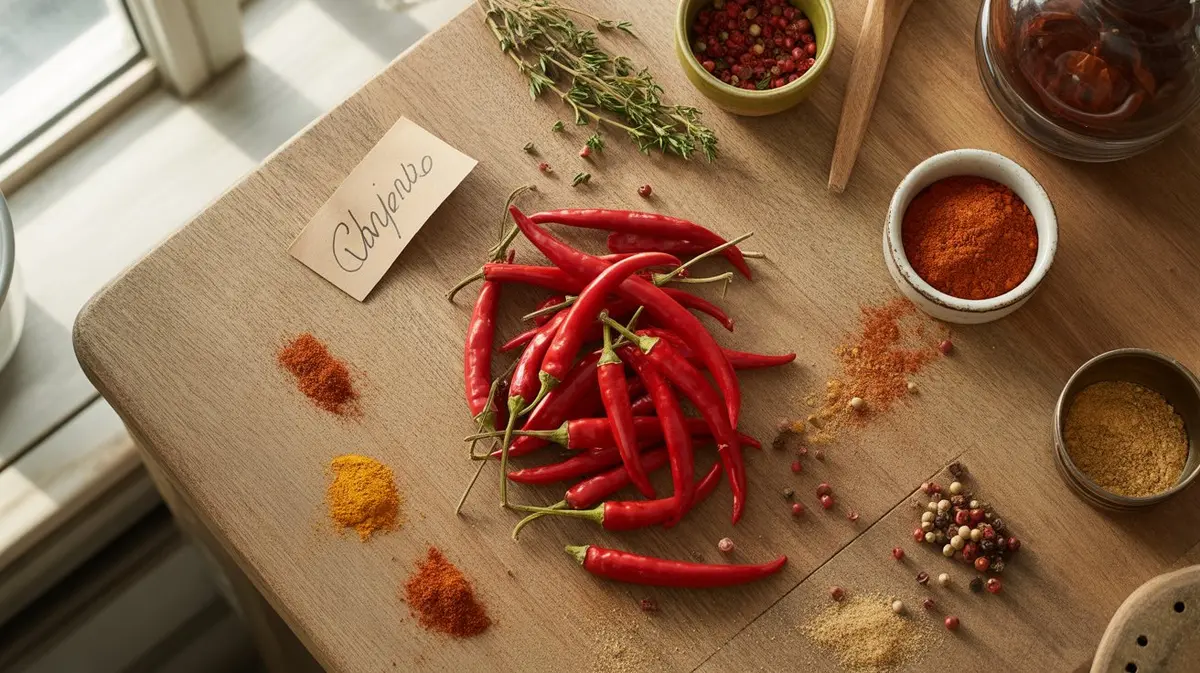
#1
Guntur Chili Closest Match

At 35,000-50,000 SHU, Guntur sits at the top of cayenne's heat range, making it the closest match for pure intensity. The earthy, pungent punch of Guntur chili lacks cayenne's neutrality — there's a deeper, almost musty quality — but in cooked dishes like curries, soups, or dry rubs, that difference fades into the background.

Conversion ratio: 1:1. Use the same amount, then taste. If the earthiness feels too pronounced, cut back by 10-15%.

#2
Tabasco Pepper Runner-Up

The sharp vinegary heat of the Tabasco pepper matches cayenne's SHU bracket almost exactly at 30,000-50,000 SHU. Fresh or dried Tabasco peppers work well in sauces and brines, but the vinegar note (even in dried form) means this substitute shines most in dishes that already contain acid — tomato-based sauces, marinades, barbecue rubs.

Conversion ratio: 1:1 for dried powder. For hot sauce applications, be aware the acidity compounds. This pepper sits firmly in the hot pepper intensity range alongside cayenne, so no heat adjustment is needed.

#3
Facing Heaven Pepper Also Great

Chinese cooking relies heavily on this pepper, and for good reason. The fruity, lightly smoky character of Facing Heaven at 30,000-50,000 SHU brings complexity that cayenne simply doesn't have. In stir-fries and braised dishes, that added dimension is a net positive. In something like a spice rub where cayenne is supposed to disappear into the background, you'll notice the difference.

Conversion ratio: 1:1. Best used as a cayenne substitute in Chinese-inspired dishes or anywhere a subtle smokiness is welcome.

Comparison of Cayenne Pepper with similar peppers for substitution
#4
Aji Amarillo

Peru's most celebrated chili registers 30,000-50,000 SHU and brings a distinctly fruity, almost raisin-like sweetness that sets it apart from cayenne's neutrality. The bright fruity heat of Aji Amarillo transforms dishes rather than simply heating them — which is either a feature or a drawback depending on your recipe.

Conversion ratio: 1:1 by heat, but expect the flavor profile to shift noticeably. This works beautifully as a cayenne substitute in sauces, eggs, and grain dishes. Avoid it in applications where a clean, background heat is essential.

#5
Santaka Pepper

This Japanese variety runs 40,000-50,000 SHU, so it skews toward the hotter end of cayenne's range. The sharp, citrus-edged heat of Santaka is clean enough to stand in for cayenne in most applications without dramatically changing the dish's character.

Conversion ratio: Use 80% of the cayenne amount to account for the slightly elevated heat ceiling. Santaka's sharpness integrates well into Asian noodle dishes, spice blends, and oil infusions.

#6
Aji Limo

At 30,000-50,000 SHU, Aji Limo lands precisely in cayenne's range but announces itself with a citrusy, fruity brightness that cayenne never delivers. This Peruvian pepper works best as a substitute when you want the heat level preserved but don't mind — or actively want — a citrus lift in the dish.

Conversion ratio: 1:1. Particularly effective in fish dishes, ceviches, and sauces where the citrus note complements rather than competes. For neutral applications, consider reducing slightly and supplementing with black pepper.

#7
Maras Pepper

The earthy, fruity depth of Maras pepper from southeastern Turkey sits at 30,000-50,000 SHU and offers an interesting cayenne substitute for Mediterranean and Middle Eastern cooking. It has more oil content than most dried chilies, which gives dishes a slightly richer mouthfeel alongside the heat.

Conversion ratio: 1:1, but Maras is often sold as flakes rather than powder. If substituting flakes for cayenne powder, use 1.25x the volume to account for the coarser grind. The fruity, earthy character of Maras makes it a standout in olive oil-based dishes, roasted vegetables, and spiced butter.

---

All seven of these peppers fall within the same Scoville rating band as cayenne — roughly 30,000-50,000 SHU — which puts them well above a guajillo (2,500-5,000 SHU), sometimes by a factor of ten or more. That shared intensity is what makes them viable substitutes, even when their flavor profiles diverge. For a deeper look at how cayenne fits into the broader spice landscape, the cayenne pepper profile covers its history, culinary uses, and growing characteristics in full.

Related Aji Amarillo: 30K–50K SHU, Flavor & Recipes
Peppers to Avoid as Cayenne Pepper Substitutes

Serrano pepper seems like a logical swap — it's widely available and delivers real heat. But serranos top out around 23,000 SHU, sitting below cayenne's floor. You'd need to use significantly more, and the fresh, grassy flavor of serrano doesn't translate to dried applications at all.

Chile de Arbol gets recommended as a cayenne substitute constantly, and the heat is in the right neighborhood (15,000-30,000 SHU). The problem is that arbol caps out where cayenne begins. Even at maximum substitution, you'll likely be short on heat, and arbol's nuttier, slightly smoky flavor adds character cayenne wouldn't.

Paprika — even hot paprika — is the most common mistaken substitute. Standard paprika runs 250-1,000 SHU, and hot paprika rarely exceeds 5,000 SHU. No amount of paprika replicates cayenne's heat. It works as a color substitute and adds mild warmth, but calling it a cayenne stand-in misrepresents what you'll get in the final dish.

Substitution Tip

When substituting Cayenne Pepper (30K–50K SHU), always start with less of a hotter substitute and add more to taste. For milder substitutes, you can increase the quantity. Our swap ratio calculator gives precise conversion amounts, and the heat unit converter translates between Scoville and other scales.

Fact-Checked & Expert Reviewed
Editorial Standards: All facts verified against authoritative sources. Content reviewed by subject matter experts before publication.
Review Process: Written by Sofia Torres (Lead Culinary Reviewer) , reviewed by Karen Liu (Lead Fact-Checker & Science Editor) . Last updated February 19, 2026.
Related Aji Charapita: 30K–50K SHU, Taste & Recipes

Cayenne Pepper Substitute FAQ

Red pepper flakes are typically made from cayenne or a similar dried chili, so the heat level is comparable at 30,000-50,000 SHU. The texture differs — flakes don't dissolve into sauces the way powder does — but for soups, braises, or oil infusions, flakes work fine at a 1:1 ratio by heat.

Start with a 1:1 substitution by volume, since Aji Amarillo matches cayenne's SHU range almost exactly. Keep in mind the fruity, raisin-like flavor will change the dish's character, so it works best in sauces and egg dishes rather than spice rubs where neutrality matters.

Guntur chili ranges 35,000-50,000 SHU, which overlaps with cayenne's upper range rather than exceeding it. In practice, the two are essentially the same heat level, though Guntur's earthier flavor means it reads as more intense in dishes where cayenne would fade into the background.

Santaka pepper is the strongest choice for spice rubs because its heat is clean and sharp without the fruity or smoky notes that other substitutes carry. Use 80% of the cayenne amount since Santaka skews toward the hotter end of the shared SHU range.

For sauces, fruity substitutes like Aji Limo or Aji Amarillo integrate well because the liquid medium softens their flavor complexity. For dry rubs, Guntur chili or Santaka are better choices since their heat is more direct and they don't introduce moisture-sensitive flavors that can taste unbalanced when cooked dry.

Sources & References
Karen Liu
Fact-checked by Karen Liu
Contributing Editor & Food Scientist
All Substitutes Browse Peppers Substitute Finder Tool