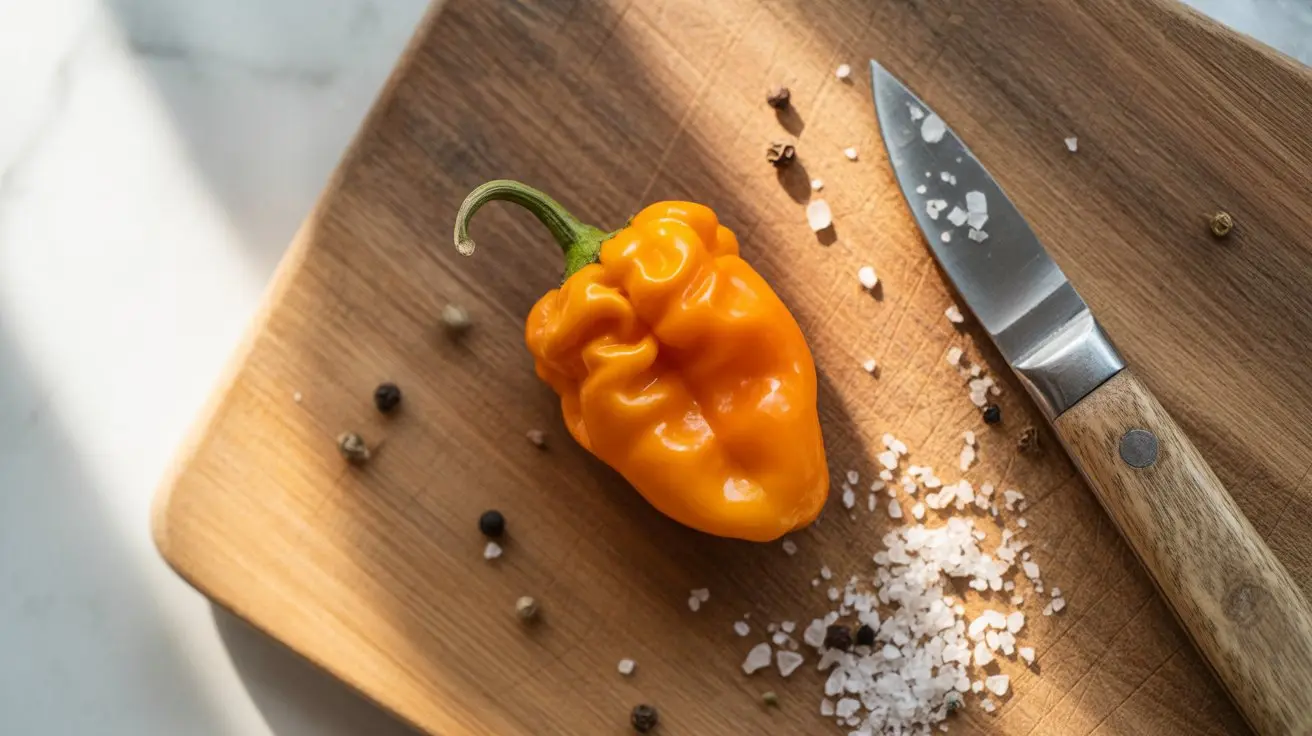
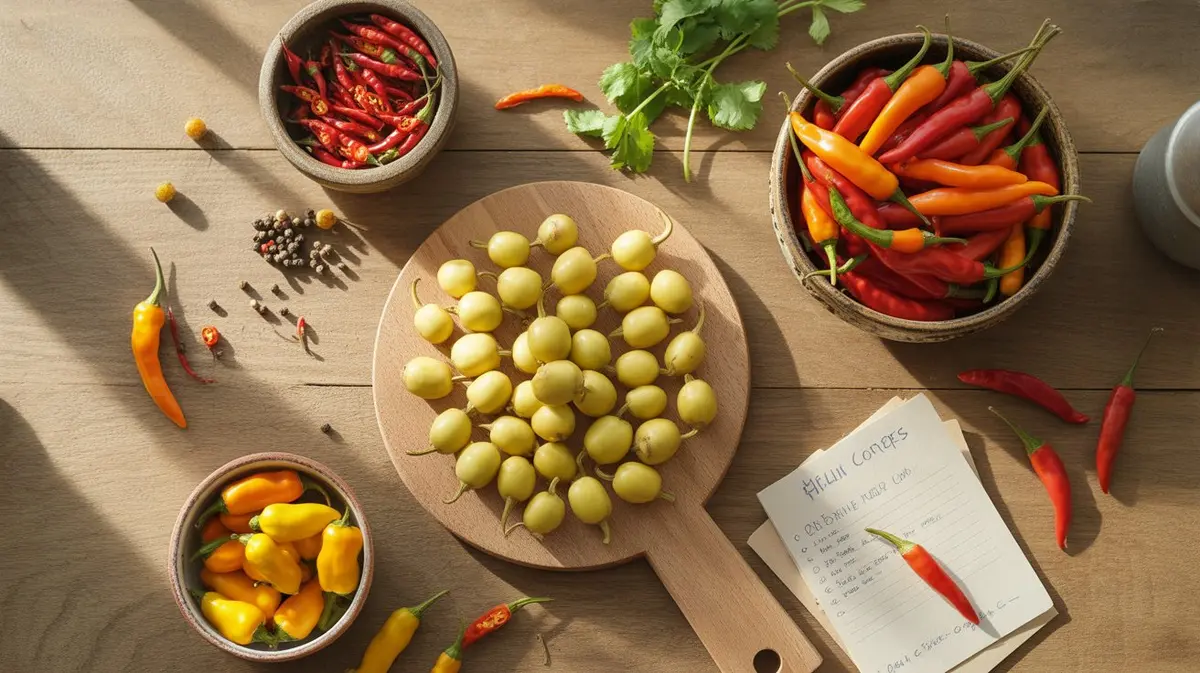
The Aji Charapita is one of Peru's most prized wild peppers — tiny, bead-sized fruits that command extraordinary prices in gourmet markets for their bright citrus-forward heat. Finding a true substitute means matching both the 30,000-50,000 SHU range and that distinctive fruity brightness, which narrows the field considerably. The ranked options below prioritize flavor fidelity first, heat match second.
These alternatives are ranked by how closely they match Aji Charapita’s heat level and flavor profile. Use the conversion ratios to adjust quantities in your recipe.
#1
Aji Limo Closest Match
30,000-50,000 SHU — This is the closest match available. Aji Limo's vivid citrus-and-fruit punch mirrors the Charapita's signature brightness almost beat for beat, and it shares the same C. chinense lineage that gives both peppers their characteristic fruity aromatics. Use a 1:1 ratio by weight. It's also native to Peru, so the regional flavor profile stays intact — critical if you're cooking ceviche or aguadito.
#2
Aji Amarillo Runner-Up
30,000-50,000 SHU — Peru's most iconic export pepper, Aji Amarillo's golden-hued raisin-and-apricot character shares the fruity DNA of Charapita without the citrus sharpness. The flavor runs warmer and deeper rather than bright and zesty. Substitute at 1:1, but expect a slightly sweeter, less acidic result. It's widely available in paste form at Latin grocery stores, making it the most practical option for most cooks.
#3
Aji Cristal Also Great
30,000-50,000 SHU — Aji Cristal's tangy, fruit-forward bite lands between Aji Limo and Aji Amarillo on the flavor spectrum — bright enough to recall the Charapita's citrus edge, with a pleasant tartness that works well in marinades and sauces. Use 1:1. Originally from Chile, it's less common in North American markets but worth seeking out for any dish where the Charapita's acidity matters.
#4
Facing Heaven Pepper
30,000-50,000 SHU — A Chinese variety with an interesting dual profile: the smoky-fruity depth of Facing Heaven chilis provides fruit character in the right heat range, though the smoke note shifts the flavor in a different direction than Charapita's clean citrus. Best used in cooked applications — stir-fries, braises, chili oils — where that smokiness integrates rather than clashes. Ratio: 1:1, or slightly less if you want to keep smoke subtle.
#5
Cayenne Pepper
30,000-50,000 SHU — The heat match is exact, sitting squarely within the hot pepper heat classification this pepper occupies. Cayenne's clean, neutral-peppery profile lacks the fruity dimension entirely, so it works best as a heat stand-in when flavor complexity isn't the priority. Add a small squeeze of lime juice to compensate for the missing citrus character. Use 1:1 by Scoville ranking — roughly equivalent heat per gram.
#6
Maras Pepper
30,000-50,000 SHU — Sourced from the Maras region of Turkey, Maras pepper's earthy-fruity warmth offers mild fruit notes that partially echo the Charapita without the citrus sharpness. It's typically sold dried and flaked, which changes the application — better for finishing dishes than building sauces. Use 3/4 teaspoon flakes per fresh Charapita called for. The earthy undertone can actually complement Peruvian stews well.
#7
Santaka Pepper
40,000-50,000 SHU — Japanese in origin, Santaka's sharp, citrus-edged heat runs slightly hotter than the Charapita's lower range. The citrus note is there — making it more flavor-compatible than cayenne — but the sharpness reads differently than Charapita's tropical brightness. Reduce by about 20% to keep heat in range. Best suited to dishes where you want heat and a hint of citrus without the full fruity complexity of the original.
When evaluating any of these options, it helps to understand where they sit on the Scoville ranking methodology — all seven fall within the same 30,000-50,000 SHU band, so heat-matching is straightforward. The harder variable is flavor. The regional pepper tradition of Peru shaped the Charapita's unique citrus-fruit profile over centuries, and that's what the top three substitutes — Aji Limo, Aji Amarillo, and Aji Cristal — come closest to replicating. For anyone curious about the C. chinense botanical family that unites several of these options, that shared genetics explains why the South American varieties tend to cluster in flavor profile.
Habanero seems like an obvious swap given the shared C. chinense species, but its heat runs 100,000-350,000 SHU — up to ten times hotter than the Charapita's ceiling. The fruity flavor is there, but the heat imbalance makes it impractical without significant reduction, and even then the ratio math gets complicated.
Tabasco Pepper sits in the right SHU range (30,000-50,000), but Tabasco's sharp vinegary character was shaped by fermentation-based hot sauce production, not fresh fruit complexity. That sharpness dominates any dish it enters, pulling flavor away from Charapita's citrus brightness rather than approximating it.
Numex Easter matches the heat range but trends toward mild and sweet — it was bred for ornamental and culinary use where heat is secondary. The Charapita's whole appeal is the interplay of brightness and heat; Numex Easter delivers neither with enough intensity to fill that role.
Substitution Tip
When substituting Aji Charapita (30K–50K SHU), always start with less of a hotter substitute and add more to taste. For milder substitutes, you can increase the quantity. Our swap ratio calculator gives precise conversion amounts, and the heat unit converter translates between Scoville and other scales.
Fact-Checked & Expert Reviewed
Editorial Standards: All facts verified against authoritative sources. Content reviewed by subject matter experts before publication.
Review Process:
Written by
Sofia Torres
(Lead Culinary Reviewer)
, reviewed by
Karen Liu
(Lead Fact-Checker & Science Editor)
. Last updated February 19, 2026.
The Charapita grows wild in the Peruvian jungle and produces tiny, pea-sized fruits that must be harvested by hand — yields per plant are low and labor costs are high. Its rarity in international markets combined with strong demand from high-end restaurants has pushed prices to $25,000 per kilogram in some gourmet wholesale contexts.
Yes, with adjustment — commercial Aji Amarillo paste is already cooked and salted, so reduce added salt in your recipe and start with half the volume you'd use for fresh Charapita, tasting as you go. The flavor profile is similar enough for cooked dishes like stews and sauces, though you'll lose the fresh citrus brightness that makes Charapita distinctive in raw applications.
It's the best available option for ceviche — the citrus-forward heat of Aji Limo is actually used in traditional Peruvian ceviche recipes in its own right, particularly in northern coastal regions. Use it at a 1:1 ratio and you'll get a result close enough that most diners won't notice the difference.
The Aji Charapita runs roughly 6-10 times hotter than chipotle, which typically measures 2,500-8,000 SHU. That's a meaningful difference — dishes that use chipotle for background warmth would need significantly less Charapita (or any of its substitutes) to achieve the same effect.
Cayenne and Maras pepper are the easiest to source dried — cayenne powder is a supermarket staple, and Maras flakes appear in specialty spice shops and online retailers. Aji Amarillo is widely available as a paste and increasingly as a dried powder through Latin grocery suppliers.