Sangria Pepper

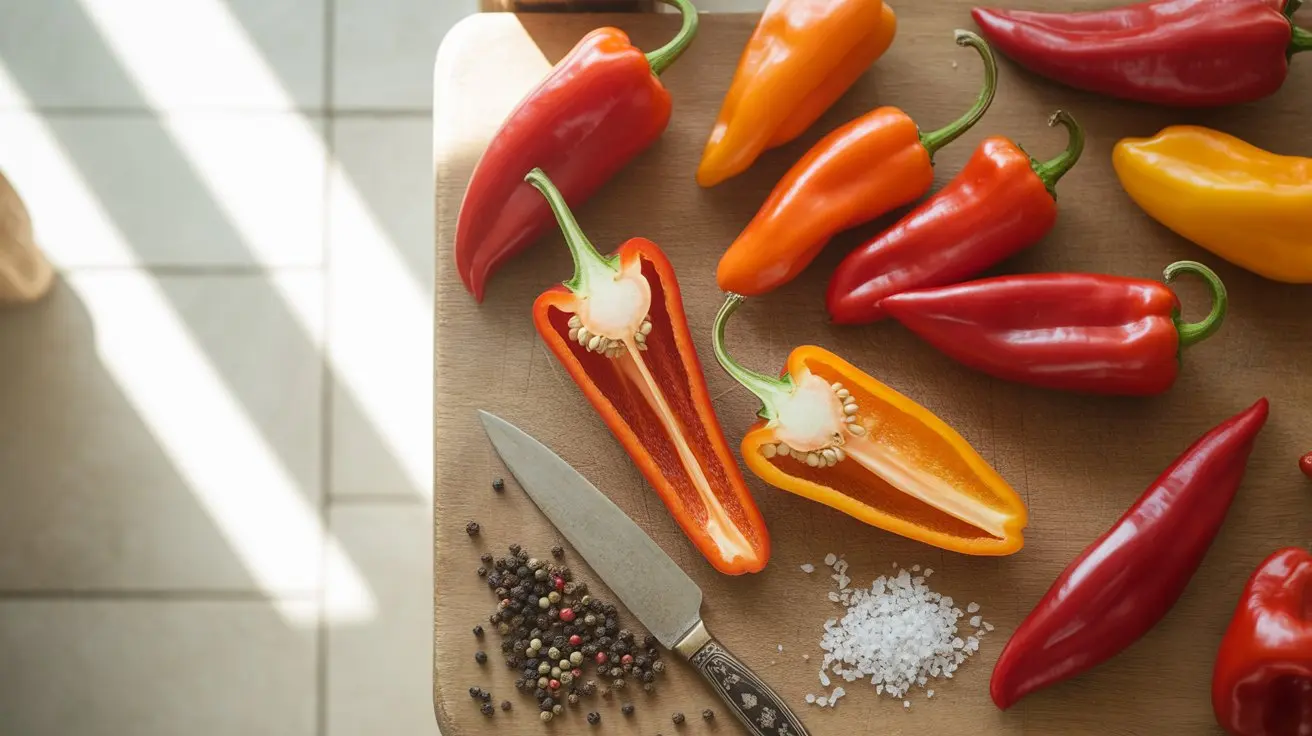
The Sangria pepper is a sweet, tapered C. annuum variety bred in the USA, registering 2,000-5,000 SHU on the Scoville scale. It sits at roughly the same heat as a guajillo's rich dried-chili warmth, making it approachable for everyday cooking while delivering genuine flavor complexity beyond a standard bell pepper.
- Species: C. annuum
- Heat tier: Medium (1K–10K SHU)
What is Sangria Pepper?
Bite into a Sangria pepper and the first thing you notice is the aroma — a clean, faintly grassy sweetness that opens into something almost fruity before any heat registers. The taste follows that promise: bright and fresh, with a mild warmth that builds slowly rather than hitting up front.
At 2,000-5,000 SHU, the Sangria sits squarely in the medium heat spectrum — accessible enough for heat-sensitive eaters, interesting enough for people who want more than sweetness alone. The tapered shape is distinctive, narrowing to a point like a small Anaheim, and the flesh is thick and crisp when fresh.
This is an American-bred variety developed specifically for ornamental and culinary dual use. The pods ripen from deep green through yellow-orange into a vivid red, and the color transition is part of the appeal — gardeners grow it as much for the visual display as for the kitchen.
For comparison, the sweet smoked depth of pimenton occupies similar heat territory but skews toward dried applications, while the Sangria shines fresh. It belongs to the broad Capsicum annuum botanical family, sharing genetics with everything from bells to cayennes, and that lineage shows in its clean, adaptable flavor.
History & Origin of Sangria Pepper
The Sangria pepper is a modern American cultivar rather than an ancient landrace, developed in the late 20th century by commercial breeders targeting the ornamental pepper market. The name references the deep red color the pods achieve at full maturity — an obvious nod to the Spanish wine punch.
American pepper breeding in this period focused heavily on compact plant habit, multi-stage color change, and dual ornamental-culinary utility. The Sangria fit that brief precisely. It emerged from the broader American pepper breeding tradition that produced dozens of garden-friendly varieties during the 1980s and 1990s.
Unlike heritage varieties with centuries of regional history — such as the mild sweet flesh of piquillo or the smoky dried character of choricero — the Sangria has a relatively short documented history, though it has earned a stable place in both home gardens and specialty produce markets.
How Hot is Sangria Pepper? Heat Level & Flavor
The Sangria Pepper delivers 2K–5K Scoville Heat Units, placing it in the Medium tier (1K–10K SHU).
Flavor notes: sweet and mild.
Sangria Pepper Nutrition Facts & Health Benefits
A 100g serving of fresh Sangria pepper delivers approximately 31 calories, 1.2g protein, 6g carbohydrates, and 0.3g fat. Vitamin C content is significant — red-ripe pods can provide over 100% of the daily recommended intake per serving.
The capsaicinoids responsible for the 2,000-5,000 SHU rating are present in modest concentrations; understanding why capsaicin triggers heat receptors explains why the Sangria's warmth feels brief and manageable. Carotenoids including beta-carotene increase substantially as pods ripen from green to red, boosting antioxidant value at full maturity.
Best Ways to Cook with Sangria Peppers
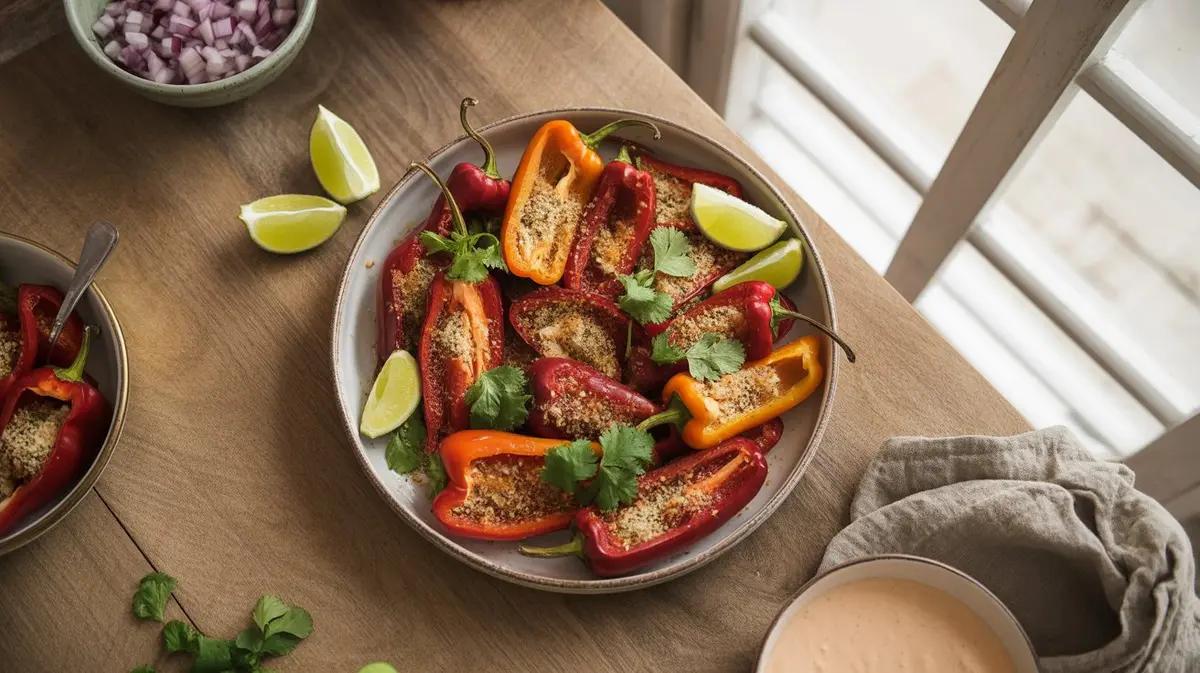
Fresh Sangria peppers are excellent raw — slice them thin into salads, use them whole as crudités, or halve them for stuffed pepper preparations where the thick walls hold fillings without turning mushy. The mild heat means you can use them generously without worrying about overwhelming a dish.
Roasting intensifies the sweetness considerably. A quick char under a broiler or directly over a gas flame loosens the skin and concentrates sugars, producing something closer to the mellow roasted sweetness of paprika-type peppers than a fresh vegetable. That roasted version works beautifully pureed into sauces, stirred into aioli, or layered onto flatbreads.
For heat-building in a recipe, Sangrias pair naturally with peppers that bring complementary depth. The rounded mild warmth of cherry bomb-style peppers can add body to a Sangria-based salsa without spiking the overall heat too dramatically.
Pickling is another strong application — the thick flesh holds its texture in brine, and the color stays vivid. Quick-pickled Sangria rings make a visually striking condiment that works on tacos, grain bowls, or alongside cured meats.
Where to Buy Sangria Pepper & How to Store
Fresh Sangria peppers appear at farmers markets and specialty grocery stores from mid-summer through early fall. Look for firm, glossy pods without soft spots or wrinkling — any flexibility in the walls signals age.
Refrigerate unwashed in a paper bag or loosely wrapped; they hold well for 1-2 weeks at 45-50°F. For longer storage, roast and freeze them in a single layer before transferring to bags — frozen roasted Sangrias keep for 6 months without significant quality loss. Dried Sangria powder, while less common commercially, stores at room temperature for up to a year in an airtight container away from light.
Best Sangria Pepper Substitutes & Alternatives
Whether you ran out of sangria pepper or just want to try something different, these peppers make solid stand-ins. We picked them based on heat range, flavor overlap, and how well they actually work in the same dishes.
Our top pick: Mirasol Pepper (3K–5K SHU). Same species (C. annuum) and nearly the same heat, so it swaps in at a 1:1 ratio without changing the character of the dish. The flavor leans fruity and bright, which is close enough that most people won’t notice the difference in a cooked recipe.
How to Grow Sangria Peppers
Sangria peppers are compact growers, typically reaching 18-24 inches in height, which makes them well-suited to container gardening or tight garden beds. Start seeds indoors 8-10 weeks before the last frost date; germination is reliable at soil temperatures between 75-85°F.
Transplant outdoors after nighttime temperatures stay consistently above 55°F. They prefer full sun and well-draining soil with moderate fertility — too much nitrogen pushes leafy growth at the expense of fruit set. A balanced 10-10-10 fertilizer at transplant, followed by a phosphorus-forward feed once flowering begins, keeps production steady.
The multi-stage color change from green to red takes roughly 70-80 days from transplant, so patience pays off. Leaving pods to fully ripen to red increases both sweetness and heat compared to harvesting green.
For growers interested in how the Sangria's easy container cultivation compares to other medium-heat varieties, it holds up well against peppers with more demanding soil requirements. Watch for aphids on new growth and use row cover early in the season if your area has cold snaps. Check our full germination and care walkthrough for detailed transplant timing by region.
Frequently Asked Questions
-
The Sangria pepper ranges from 2,000-5,000 SHU, which puts it at roughly the same heat level as a jalapeño on the Scoville pepper rating system. In practice the heat feels milder because the warmth dissipates quickly rather than lingering.
-
Yes — the thick, crisp walls and sweet flavor make raw Sangria peppers one of their best uses, whether sliced into salads or served as crudités. The mild heat at 2,000-5,000 SHU means they won't overwhelm dishes that call for fresh pepper flavor.
-
Sangria peppers work well fresh, roasted, pickled, or stuffed — the thick flesh holds up across all these methods without falling apart. Roasting concentrates the sweetness significantly, making them useful in sauces and spreads in a way similar to the decorative multi-colored pods of Medusa-type peppers.
-
From transplant, expect 70-80 days to reach full red maturity, though you can harvest earlier at the green or orange stage. Fully red pods are noticeably sweeter and slightly hotter than green ones picked from the same plant.
-
Their compact 18-24 inch habit makes them among the better medium-heat options for containers or small-space gardens. The multi-stage color change also gives them ornamental value alongside their kitchen use, which is part of why they were bred in the first place. For growing context, compare them to the traditional cultivation background of Goat Horn-type peppers to see how American-bred varieties differ from older regional types.
- Chile Pepper Institute - New Mexico State University
- USDA GRIN Taxonomy - Capsicum annuum
- University of California Cooperative Extension - Pepper Production
- Johnny's Selected Seeds - Ornamental Pepper Varieties
Species classification: C. annuum — based on published botanical taxonomy.