NuMex Big Jim

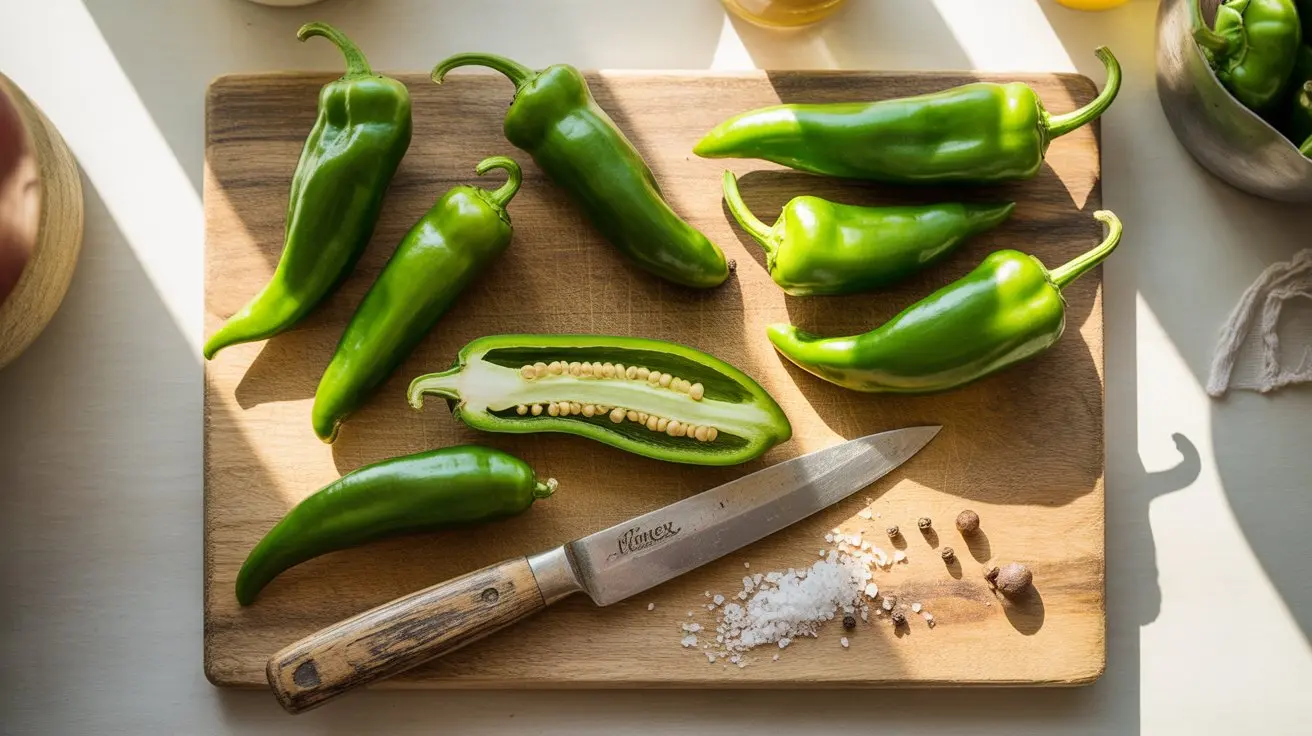
NuMex Big Jim holds the Guinness World Record for largest chile pepper, stretching up to 12 inches long. Bred at New Mexico State University in 1975, it delivers 500–3,000 SHU of mild, sweet heat ideal for stuffing, roasting, and green chile sauce. It sits comfortably in the medium heat pepper category alongside other New Mexico staples.
- Species: C. annuum
- Heat tier: Medium (1K–10K SHU)
What is NuMex Big Jim?
The story of NuMex Big Jim starts in a university greenhouse, not a home garden. Dr. Roy Nakayama at New Mexico State University developed this variety through selective breeding, releasing it in 1975 specifically to give commercial growers a high-yield, large-fruited chile that could handle New Mexico's intense sun and alkaline soil.
At 500–3,000 SHU, the heat is mild enough for chile-shy eaters but present enough to keep things interesting. The flavor leans sweet and vegetal when fresh, shifting to something earthier and more complex after roasting — that char unlocks a depth the raw pepper doesn't hint at.
Size is the defining feature. Pods regularly reach 10–12 inches, making them the go-to choice for chiles rellenos. The thick walls hold up under heat without turning to mush, and the cavity is generous enough to pack with cheese, meat, or grain fillings without stuffing becoming a frustrating exercise.
Fresh pods are bright green, ripening to red if left on the plant. Both stages are usable — green for fresh applications and roasting, red for drying into powder or ristras. The C. annuum botanical family includes most of the familiar mild-to-medium peppers, and Big Jim fits squarely within that tradition: productive, adaptable, and deeply tied to Southwestern food culture.
History & Origin of NuMex Big Jim
New Mexico State University's Chile Pepper Breeding Program has shaped American chile culture more than any other single institution, and NuMex Big Jim is one of its most celebrated outputs.
Dr. Roy Nakayama released the variety in 1975 after crossing existing New Mexico green chile lines to maximize pod size and yield. The Guinness World Record for largest chile pepper followed — a single pod measured at 13.5 inches — cementing its reputation beyond just agricultural utility.
The pepper became central to New Mexico's commercial chile industry, grown extensively in the Hatch Valley alongside varieties like the mildly sweet Hatch Chile and the broader New Mexico Chile lineage. Today it remains a defining variety of the American Southwest, appearing at roadside stands, in green chile cheeseburgers, and in the ristras hung from adobe porches every fall.
How Hot is NuMex Big Jim? Heat Level & Flavor
The NuMex Big Jim delivers 500–3K Scoville Heat Units, placing it in the Medium tier (1K–10K SHU).
Flavor notes: mild and sweet.
NuMex Big Jim Nutrition Facts & Health Benefits
A 100g serving of fresh NuMex Big Jim provides roughly 30 calories, 1.5g protein, 7g carbohydrates, and under 0.5g fat. Like most C. annuum varieties, it is an excellent source of vitamin C — fresh green pods can contain 120–150mg per 100g, exceeding the daily recommended intake. Vitamin A content increases significantly as pods ripen to red. Capsaicin, the compound responsible for heat, has been studied for its anti-inflammatory properties, though Big Jim's lower 500–3,000 SHU means capsaicin concentration is modest compared to hotter varieties.
Best Ways to Cook with NuMex Big Jim Peppers
Roasting is non-negotiable with Big Jim. The thick skin doesn't peel cleanly without charring first — hold pods directly over a gas flame or under a broiler until blackened, then steam in a bag for 10 minutes. What emerges is silky, smoky, and ready for anything.
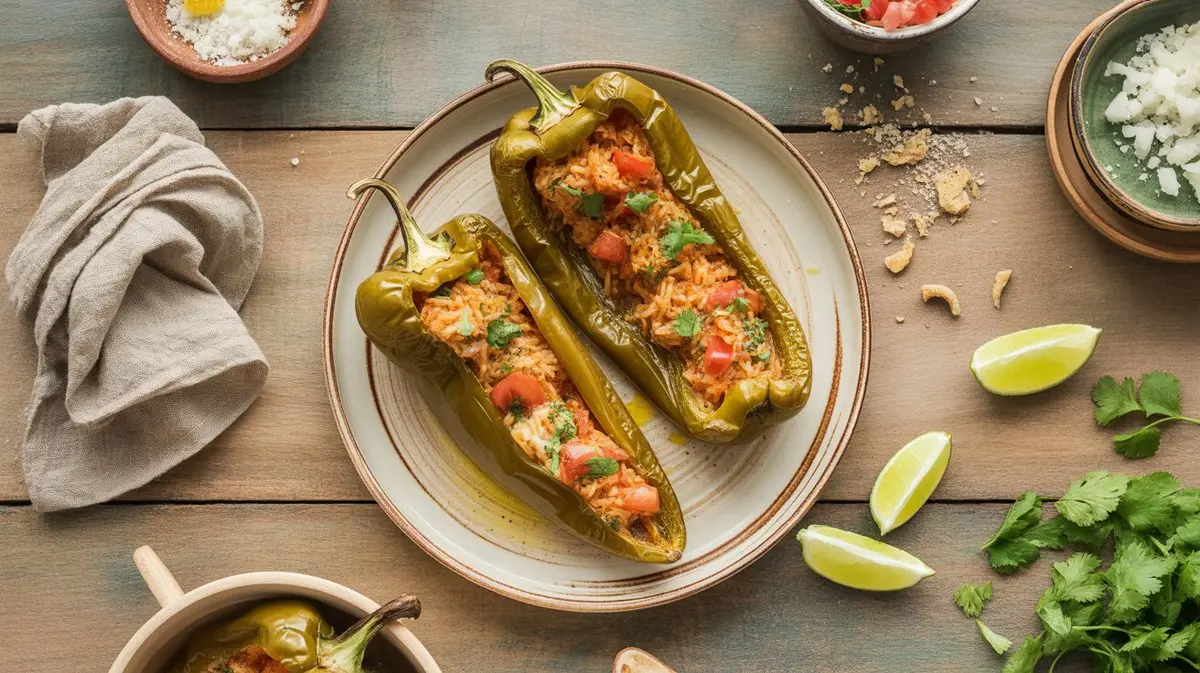
Chiles rellenos are the obvious application. The large cavity and sturdy walls make stuffing straightforward, and the mild heat means the pepper itself is the star rather than a vehicle for pain management. A simple Oaxacan cheese filling lets the roasted pepper flavor carry the dish.
For green chile sauce — the backbone of New Mexico cooking — Big Jim is a workhorse. Roast a pound, peel, chop coarse, and simmer with garlic, onion, and chicken stock for 20 minutes. The result is the sauce that goes on everything: eggs, burritos, hash browns, grilled pork.
Dried and ground, the red-ripe pods produce a mild chile powder with more sweetness than heat, comparable in application to the dark, earthy dried flavor of ancho. It also pairs well alongside the deep, chocolatey heat characteristics of mulato in complex mole-style sauces. The powder keeps for months and outperforms most grocery store options.
Where to Buy NuMex Big Jim & How to Store
Fresh Big Jim pods appear at farmers markets and Southwestern grocery stores from late July through October, peaking in August and September during the New Mexico harvest season. Outside that window, frozen roasted green chile — widely sold in the Southwest — is the practical substitute.
Fresh pods keep 1–2 weeks refrigerated, unwashed, in a paper bag. Roasted and peeled pods freeze exceptionally well for up to 12 months; freeze flat on a sheet pan before bagging to prevent clumping. Dried red pods stored in an airtight container away from light hold flavor for 6–12 months. Among American regional pepper traditions, few varieties freeze as successfully as Big Jim.
Best NuMex Big Jim Substitutes & Alternatives
Whether you ran out of numex big jim or just want to try something different, these peppers make solid stand-ins. We picked them based on heat range, flavor overlap, and how well they actually work in the same dishes.
Our top pick: Cascabel Pepper (1K–3K SHU). Same species (C. annuum) and nearly the same heat, so it swaps in at a 1:1 ratio without changing the character of the dish. The flavor leans nutty and smoky, which is close enough that most people won’t notice the difference in a cooked recipe.
How to Grow NuMex Big Jim Peppers
Big Jim thrives in full sun with 6–8 hours of direct light daily. It was bred for New Mexico conditions — hot days, cool nights, low humidity — but performs well across most of the American Southwest and in any climate with a long growing season of 75–80 days from transplant.
Start seeds indoors 8–10 weeks before last frost. Soil temperature for germination should be at least 70°F, ideally 80–85°F. Transplant after all frost risk passes, spacing plants 18–24 inches apart. The large pods put real weight on branches, so staking becomes necessary by midsummer.
For those without ground space, Big Jim adapts reasonably well to large containers — check the practical guidance on container peppers for pot sizing and soil mix recommendations. It needs at least a 5-gallon container to support its root system.
Water consistently; uneven moisture causes blossom drop and blossom-end rot. The pepper companion planting guide covers which neighboring plants help deter aphids, which are Big Jim's most common pest. Compared to the variable cultivation characteristics of Padrón, Big Jim is more predictable in size and yield, making it a reliable choice for first-time chile growers.
Frequently Asked Questions
-
At 500–3,000 SHU, Big Jim sits well below a serrano's 10,000–23,000 SHU range — roughly 3–10 times milder depending on the individual pod. Most people who find serranos uncomfortably hot will have no trouble with Big Jim.
-
Dr. Roy Nakayama specifically selected for pod size during the breeding program at New Mexico State University, prioritizing commercial yield and suitability for chiles rellenos. The result set a Guinness World Record with a single pod measuring 13.5 inches.
-
Yes — both share a similar heat range and sweet, mild flavor, though Big Jim pods are considerably larger. The California-rooted cultural background of Anaheim makes it the more common supermarket find, but Big Jim works in any recipe calling for green chile.
-
Green pods are ready to harvest at full size (typically 8–12 inches) before they begin to color. Red-ripe pods have fully matured and carry more sweetness; they are typically left on the plant longer for drying or powder production.
-
Big Jim is distinctly sweeter and milder in its fresh form compared to the dark, earthy culinary applications of pasilla or the subtle smoky sensory characteristics of chilaca. Those two are typically used dried or in mole, while Big Jim excels as a fresh roasting pepper.
- Chile Pepper Breeding Program — New Mexico State University
- Guinness World Records — Largest Chile Pepper
- USDA FoodData Central — Sweet Green Pepper Nutrition
- New Mexico Chile Association — Variety Guide
Species classification: C. annuum — based on published botanical taxonomy.