
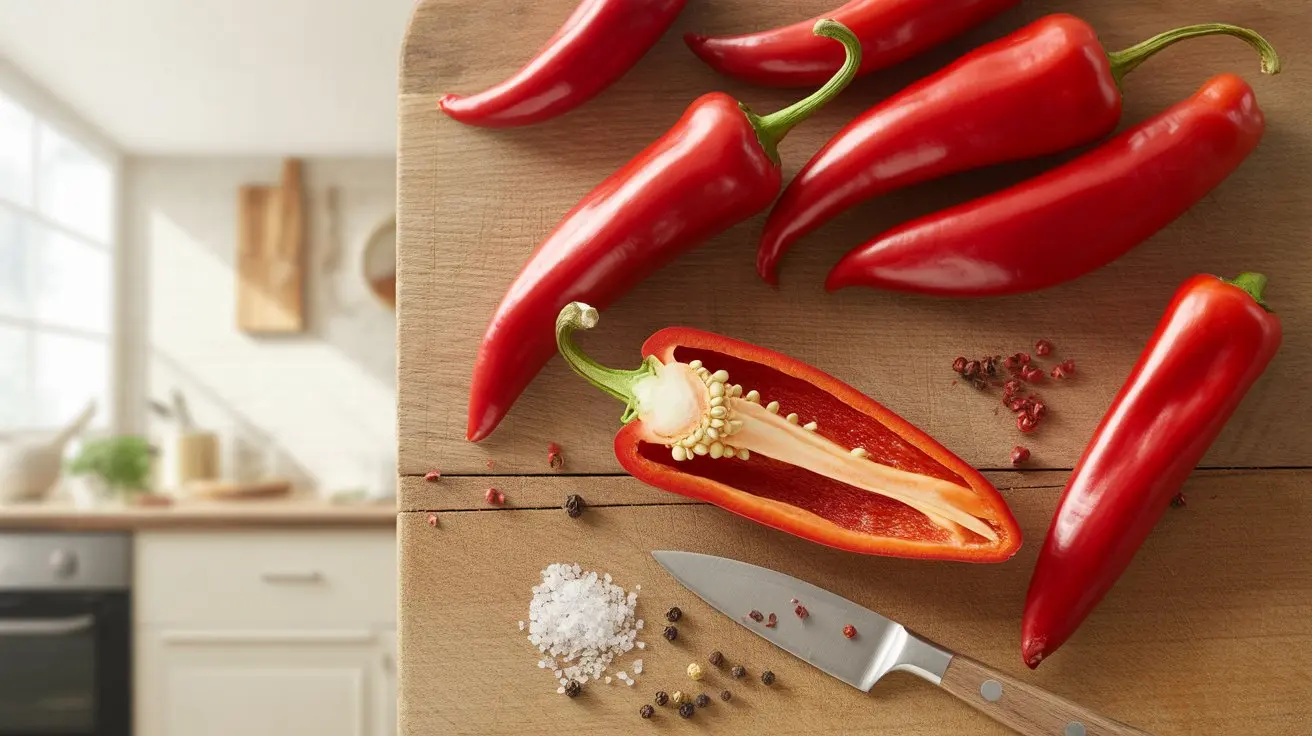
Cayenne Pepper

Cayenne pepper sits at 30,000-50,000 SHU - roughly half the heat of a pequin but with a clean, neutral peppery bite that makes it the most flexible hot pepper in any kitchen. Dried and ground cayenne is the backbone of hot sauces, spice blends, and medicinal preparations worldwide. Native to South American pepper traditions, it has been a global staple for centuries.
- Species: C. annuum
- Heat tier: Hot (10K–100K SHU)
- Comparison: 10x hotter than a jalapeño
What is Cayenne Pepper?
Few peppers have traveled as far or worked as hard as cayenne. Originating in French Guiana, it spread through trade routes to become a fixture in cuisines from Louisiana to Sichuan to Ayurvedic medicine cabinets.
The fresh pods are long, slender, and bright red at maturity - typically 4-6 inches with a tapered tip. As a C. annuum botanical species, cayenne shares its family with bell peppers and jalapeños, though the heat profile tells a different story. At 30,000-50,000 SHU, it lands firmly in the hot pepper classification - about three to five times hotter than a pequin at its lower range.
What makes cayenne distinct is not its peak heat but its flavor neutrality. Unlike the fruity complexity of an Andean pepper with vivid orange flesh and tropical notes, cayenne delivers straightforward, clean heat without much secondary flavor. That neutrality is a feature, not a limitation - it lets cayenne amplify a dish without redirecting it.
Ground cayenne is arguably the most widely available hot pepper product on Earth. The powder you find at any grocery store is typically a blend of dried cayenne pods, processed to a consistent heat level. Fresh cayenne is less common in retail but easy to grow and increasingly found at farmers markets and specialty grocers.
History & Origin of Cayenne Pepper
Cayenne traces back to French Guiana on South America's northeastern coast, where indigenous peoples cultivated Capsicum annuum varieties long before European contact. Portuguese and Spanish traders carried the pepper eastward in the 16th century, and it took root across Asia, Africa, and Europe with remarkable speed.
By the 18th century, cayenne had become a staple in European apothecaries. Herbalists prescribed it for digestive ailments and circulatory complaints - uses that modern capsaicin research has partially validated.
In the American South, cayenne became the defining heat source in Cajun and Creole cooking. The Louisiana hot sauce industry, which launched commercially in the 1800s, was built almost entirely on cayenne. Today it remains one of the most cultivated peppers globally, grown across India, China, Mexico, and the United States.
How Hot is Cayenne Pepper? Heat Level & Flavor
The Cayenne Pepper delivers 30K–50K Scoville Heat Units, placing it in the Hot tier (10K–100K SHU). That makes it roughly 10x hotter than a jalapeño.
Flavor notes: neutral and peppery.
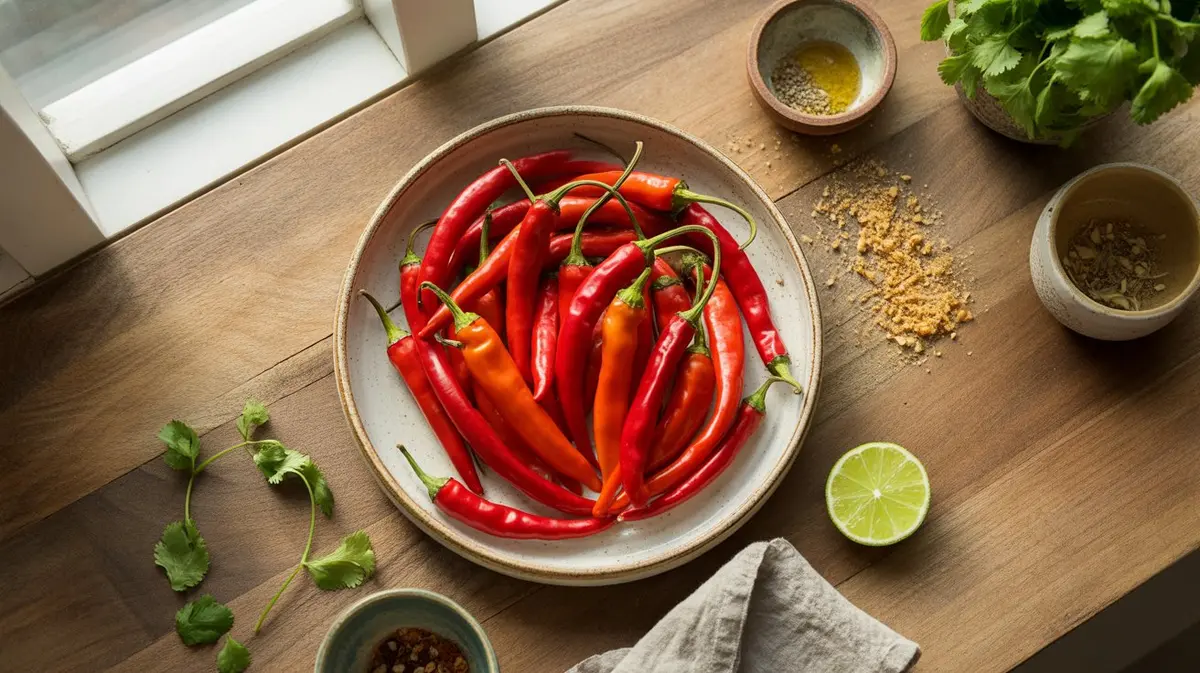
Cayenne Pepper Nutrition Facts & Health Benefits
One teaspoon (2.6g) of ground cayenne contains roughly 6 calories, 1g carbohydrates, and meaningful amounts of vitamins A, C, and E. Cayenne is notably high in beta-carotene, which converts to vitamin A in the body.
The active compound capsaicin (the source of its heat) has been studied for its effects on metabolism, pain response via TRPV1 receptor activation, and cardiovascular function. Research suggests regular consumption may support circulation and reduce appetite.
Ground cayenne also provides small amounts of potassium, manganese, and vitamin B6. Given that it is typically used in small quantities, cayenne contributes micronutrients without significant caloric impact.
Best Ways to Cook with Cayenne Peppers
Ground cayenne is a workhorse ingredient. A quarter teaspoon can lift an entire pot of soup; a full teaspoon starts to build serious heat. The clean, neutral peppery character means it blends without competing - which is why it appears in spice rubs, curry powders, chili blends, and hot sauces across dozens of cuisines.
For grilling applications, whole dried cayenne pods can be added directly to marinades or ground fresh into dry rubs. The heat blooms quickly in oil, so adding cayenne to hot fat early in cooking intensifies its punch.
Cayenne pairs naturally with acidic ingredients - vinegar, citrus, tomato - which is why hot sauce formulations almost always include an acid component. Compared to the sharp vinegary heat of fermented red pepper sauce, straight cayenne delivers broader, less acidic warmth.
In Indian cooking, cayenne powder is often substituted for regional chilis when consistent heat is needed. The intensely hot Andhra-style dried red pepper is the traditional choice in many South Indian dishes, but cayenne works as a reliable approximation.
Fresh cayenne can be used anywhere you would use a hot red finger chili - sliced into stir-fries, blended into salsas, or pickled whole.
Where to Buy Cayenne Pepper & How to Store
Ground cayenne is available at virtually every grocery store - look for it in the spice aisle. For better quality, buy from stores with high turnover or specialty spice shops where freshness is more reliable. Check the color: vivid orange-red indicates freshness; dull brown powder has lost most of its potency.
Fresh cayenne pods appear at farmers markets and some Asian or Latin grocery stores in summer and fall.
Store ground cayenne in an airtight container away from heat and light - a cool, dark cabinet, not above the stove. Properly stored, it holds good flavor for 12-18 months. Whole dried pods last up to 2 years. Fresh pods refrigerate for up to 2 weeks or freeze well for longer storage.
Best Cayenne Pepper Substitutes & Alternatives
Whether you ran out of cayenne pepper or just want to try something different, these peppers make solid stand-ins. We picked them based on heat range, flavor overlap, and how well they actually work in the same dishes.
Our top pick: Tabasco Pepper (30K–50K SHU). The heat level is close enough for a direct swap in salsas, sauces, and stir-fries. Flavor leans sharp and vinegary, so the taste will shift a bit — but the overall heat stays in the same range.
How to Grow Cayenne Peppers
Cayenne is one of the more forgiving hot peppers to grow, which explains its global reach. Start seeds indoors 8-10 weeks before last frost. Germination happens fastest at 80-85°F soil temperature - a heat mat makes a real difference.
For practical guidance on growing cayenne from transplant to harvest, the key variables are consistent heat and full sun. Cayenne wants at least 6-8 hours of direct light daily and struggles in cool, wet summers.
Transplant outdoors once nighttime temps stay above 55°F. Space plants 18-24 inches apart. Cayenne is a heavy feeder - side-dress with a balanced fertilizer at transplant and again at first flower set.
Days to maturity run 70-80 days from transplant to red ripe pods. You can harvest green for mild heat or wait for full red color, which concentrates both capsaicin and flavor. Plants can produce prolifically through the season with consistent watering.
Compared to the small, round, intensely hot wild pepper, cayenne is much easier to manage in a garden setting - longer pods, predictable growth habit, and reliable germination rates make it a solid choice for first-time hot pepper growers.
Frequently Asked Questions
-
Cayenne sits at 30,000-50,000 SHU, placing it well above jalapeños but below superhot varieties. For perspective, it runs roughly 3-5 times hotter than a pequin at its lower end, and similar in heat to the sharp, lip-tingling burn of a Thai bird chili.
-
Yes - use approximately 1/8 teaspoon of ground cayenne for each fresh cayenne pepper called for in a recipe. Keep in mind that ground powder distributes heat more evenly through a dish than sliced fresh pods, so the experience differs slightly even when the heat level is matched.
-
It does - capsaicin degrades slowly when exposed to light, heat, and oxygen. Cayenne stored in a cool, dark, airtight container retains potency for 12-18 months, but powder left in an open jar near the stove can lose significant heat within a few months.
-
Most traditional Louisiana-style hot sauces are made from cayenne, though specific brands may use proprietary cultivars selected for consistent heat and color. The comparison between Kashmiri chili and cayenne heat profiles shows how much regional processing affects the final product's character.
-
Cayenne thrives with full sun, consistent watering, and warm soil - start seeds indoors 8-10 weeks before last frost and transplant once nighttime temps stay above 55°F. It is significantly easier to manage than wild species like the tiny but intensely hot wild pequin, making it a practical first choice for gardeners new to hot peppers.
- Chile Pepper Institute - Capsicum Species Overview
- USDA FoodData Central - Spices, Pepper, Red or Cayenne
- Bosland, P.W. - Capsicums: Innovative Uses of an Ancient Crop, ASHS Press
- University of Florida IFAS Extension - Growing Peppers in the Home Garden
Species classification: C. annuum — based on published botanical taxonomy.
