Carolina Reaper

The Carolina Reaper holds the Guinness World Record for hottest pepper, ranging from 1,400,000 to 2,200,000 SHU - roughly 440 times hotter than a jalapeño. Bred by Ed Curlin in South Carolina, this C. chinense delivers surprising fruity sweetness before an overwhelming wave of heat. It's used sparingly in hot sauces, spice blends, and extreme cooking challenges.
- Species: C. chinense
- Heat tier: Super-Hot (1M+ SHU)
- Comparison: 440x hotter than a jalapeño
What is Carolina Reaper?
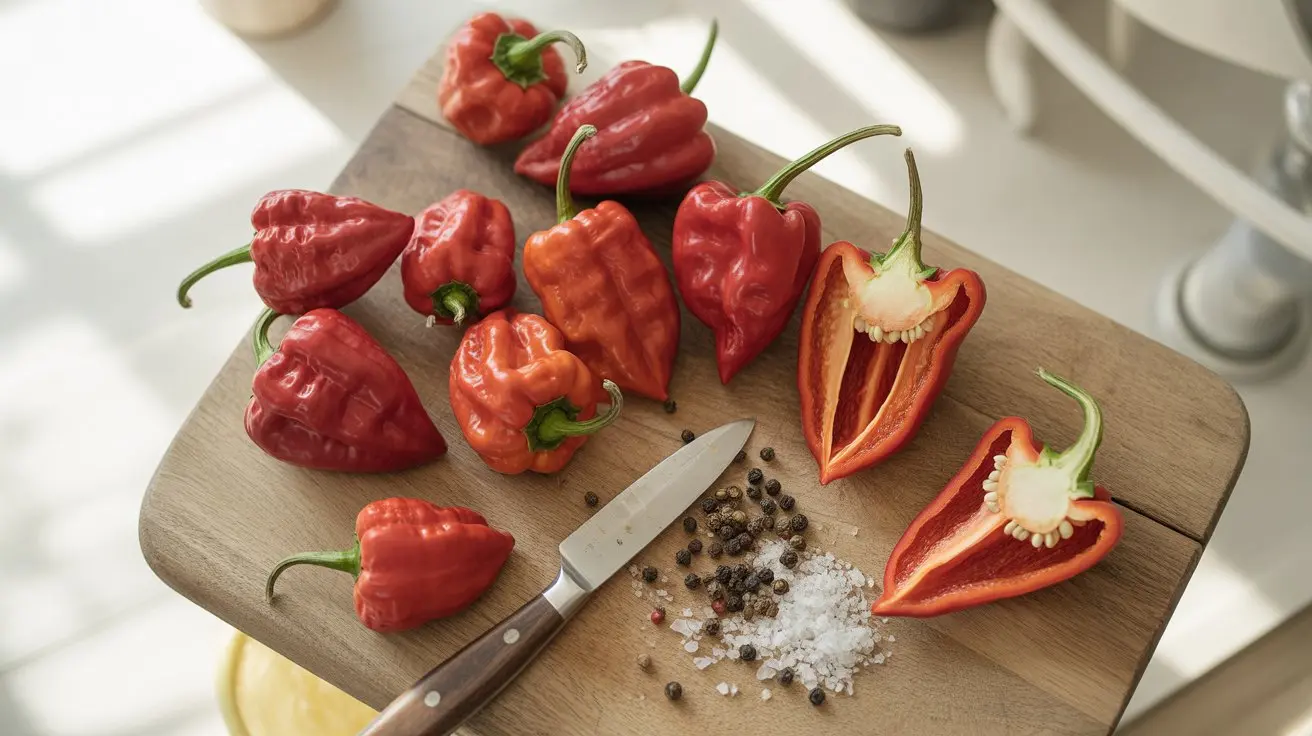
Behind the Carolina Reaper's scorpion-tailed, wrinkled exterior is a flavor profile that catches first-timers completely off guard. The initial taste is genuinely fruity and sweet - almost tropical - before capsaicin receptors fire in full force.
Developed by Ed Curlin of PuckerButt Pepper Company through selective crossbreeding of a Pakistani Naga and a Red Habanero, the Reaper earned its Guinness World Record title in 2013 with an average of 1,641,183 SHU, tested by Winthrop University in South Carolina. Peak specimens have measured over 2,200,000 SHU.
For perspective, a ghost pepper sits around 1,000,000 SHU - the Reaper can run more than double that. The super-hot tier it occupies is a different category entirely from mainstream hot peppers.
The fruit itself is small - typically 1 to 2 inches long - red at maturity, deeply ridged, and ending in that signature pointed tail. The plant grows vigorously in warm climates, producing clusters of pods throughout the season.
Despite the extreme heat, the Reaper has found real culinary application in small-batch hot sauces, spice powders, and any preparation where a tiny quantity delivers massive impact. Understanding how capsaicin chemistry works helps explain why even dried powder retains its full punch.
History & Origin of Carolina Reaper
Ed Curlin spent over a decade crossbreeding peppers at his Fort Mill, South Carolina farm before the Carolina Reaper emerged as a stable variety. The cross between a Pakistani Naga and a Red Habanero was intentional - Curlin wanted both extreme heat and genuine flavor.
Winthrop University conducted the official testing, and in 2013 Guinness certified it as the world's hottest pepper. The record held until 2023, when Pepper X - also Curlin's creation - claimed the title.
The name itself reflects both origin and character. South Carolina is home, and the pepper's reputation for overwhelming heat earned the "Reaper" designation. It sparked mainstream interest in American pepper breeding and helped legitimize super-hot cultivation as a serious horticultural pursuit rather than a novelty.
How Hot is Carolina Reaper? Heat Level & Flavor
The Carolina Reaper delivers 1.4M–2.2M Scoville Heat Units, placing it in the Super-Hot tier (1M+ SHU). That makes it roughly 440x hotter than a jalapeño.
Flavor notes: fruity and sweet.
Carolina Reaper Nutrition Facts & Health Benefits
A single Carolina Reaper pod (roughly 5-7 grams) contains minimal calories but delivers a significant concentration of capsaicin and vitamin C. Like other C. chinense varieties, Reapers are rich in capsaicinoids - the compounds responsible for both heat and documented metabolic effects including thermogenesis and endorphin release.
The Scoville scale measurement quantifies capsaicinoid concentration, and at peak levels the Reaper contains some of the highest capsaicin density of any food source. Small amounts also provide vitamin A, potassium, and antioxidants from the red pigmentation (capsanthin). Given serving sizes are measured in fractions of a pod, nutritional impact is modest but the bioactive compound concentration is notable.
Best Ways to Cook with Carolina Reaper Peppers
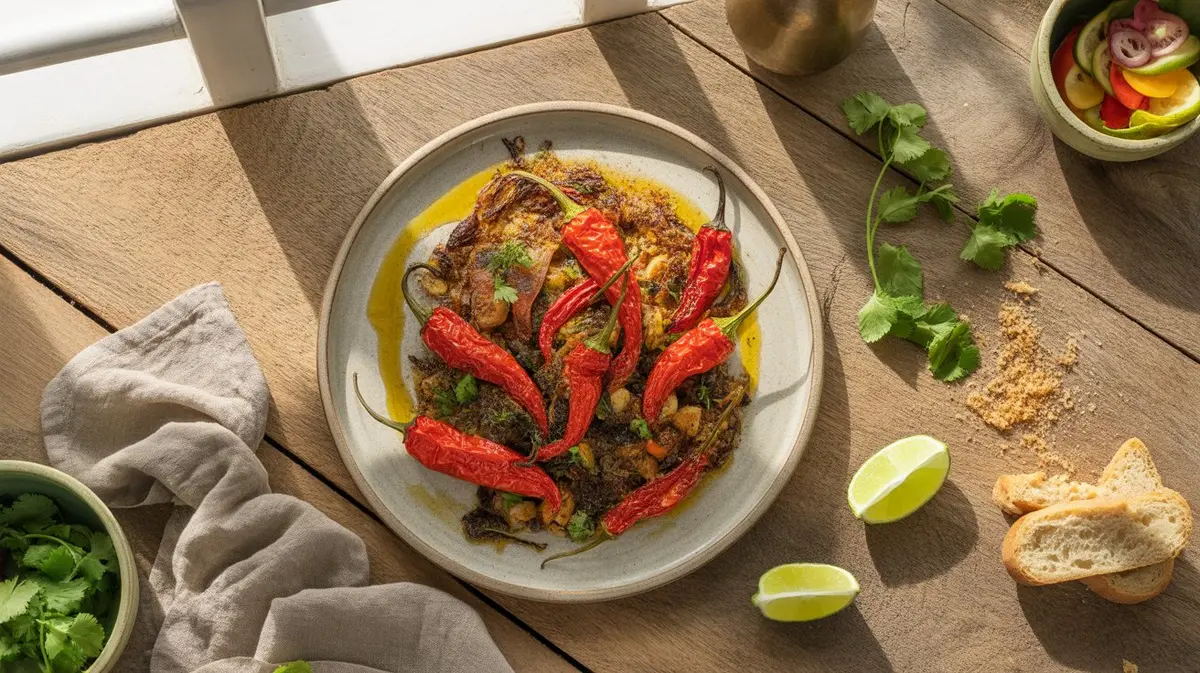
Cooking with the Carolina Reaper requires treating it less like a pepper and more like a concentrated spice. A single pod, deseeded and minced, can heat an entire pot of chili for 8 to 10 people. The fruity sweetness actually opens it to more uses than its reputation suggests.
In hot sauce production, the Reaper pairs exceptionally well with mango, pineapple, or peach - the fruit-forward base amplifies the pepper's own tropical notes while tempering the raw heat perception. Vinegar-based sauces benefit from its natural sweetness balancing the acidity.
Dried and powdered, it becomes a precision heat tool. A quarter teaspoon of Reaper powder in a marinade delivers serious heat without altering the dish's primary flavor profile. Pair it with smoked paprika and brown sugar for a rub that has genuine depth.
For comparison, the dark, chocolatey burn of the Bhutlah occupies similar SHU territory but with earthier culinary applications - the Reaper's fruity character opens different pairing possibilities.
Always use gloves when handling fresh pods. Capsaicin transfers readily to skin and eyes, and the concentration here is high enough to cause real discomfort from casual contact.
Where to Buy Carolina Reaper & How to Store
Fresh Carolina Reapers appear at specialty grocers, farmers markets, and online retailers like PuckerButt Pepper Company directly. Look for firm, fully red pods without soft spots or wrinkling.
Refrigerate fresh pods in a paper bag for up to 1 week. For longer storage, freeze whole pods in a sealed bag - they retain heat and flavor for 12 months and can be used directly from frozen in cooked applications.
Dried pods and powder store well in airtight containers away from light for 1 to 2 years. Powder is often the most practical purchase for home cooks - a small jar lasts a very long time given the quantities used per dish.
Best Carolina Reaper Substitutes & Alternatives
Whether you ran out of carolina reaper or just want to try something different, these peppers make solid stand-ins. We picked them based on heat range, flavor overlap, and how well they actually work in the same dishes.
Our top pick: Komodo Dragon Pepper (1.4M–2.2M SHU). Same species (C. chinense) and nearly the same heat, so it swaps in at a 1:1 ratio without changing the character of the dish. The flavor leans fruity and intense, which is close enough that most people won’t notice the difference in a cooked recipe.
How to Grow Carolina Reaper Peppers
Starting Carolina Reapers from seed requires patience - germination takes 14 to 21 days at soil temperatures between 80-85°F. Bottom heat from a seedling mat is essentially non-negotiable for reliable germination rates.
Transplant outdoors only after nighttime temperatures stay consistently above 60°F. The plants need a long season - 150 to 180 days from transplant to mature red pods - so starting seeds indoors 10 to 12 weeks before last frost is standard.
Full sun and well-draining soil with a pH around 6.0 to 6.8 produces the best results. Reapers are heavy feeders; a balanced fertilizer through vegetative growth, then a low-nitrogen formula once flowering begins, keeps plants productive without excessive leaf growth at the expense of pods.
For growers in shorter seasons, containers work well - a 5-gallon pot minimum per plant, brought indoors before frost to extend the season. The cultivation demands of Dragon's Breath are similarly intensive, which gives you a sense of what the super-hot tier requires generally.
Expect 20 to 50 pods per plant in a good season. The full growing guide for Carolina Reapers covers overwintering and pruning strategies for multi-year plants.
Frequently Asked Questions
-
The ghost pepper averages around 1,000,000 SHU, while the Carolina Reaper ranges from 1,400,000 to 2,200,000 SHU - making it potentially more than twice as hot. The heat gap between these two peppers is substantial enough that someone who handles ghost peppers regularly will still find the Reaper in a different category entirely.
-
There's genuine fruity, almost tropical sweetness in the first second before the heat takes over completely. That flavor is real and it's why Reaper-based hot sauces paired with mango or pineapple work so well - the pepper contributes actual taste, not just fire.
-
No - Pepper X, also developed by Ed Curlin, claimed the Guinness record in 2023 with an average of 2,693,000 SHU. The Reaper held the title from 2013 to 2023, a decade-long run that established it as the benchmark for super-hot peppers.
-
Start with 1/8 teaspoon per dish serving 4 to 6 people and adjust from there - that's a genuinely conservative starting point. The powder is highly concentrated and its impact builds over several minutes, so taste-testing immediately after adding it will underestimate the final heat level.
-
The side-by-side heat and flavor comparison shows they overlap significantly in SHU range, but the Moruga Scorpion - which you can read about for its distinctive scorching characteristics - tends toward a slightly different flavor profile with more floral notes. Both require the same extreme handling precautions.
- Guinness World Records - Hottest Chilli
- Winthrop University Pepper Testing - PuckerButt
- Chile Pepper Institute - NMSU
- USDA Plant Database - Capsicum chinense
Species classification: C. chinense — based on published botanical taxonomy.