Bird's Eye Chili

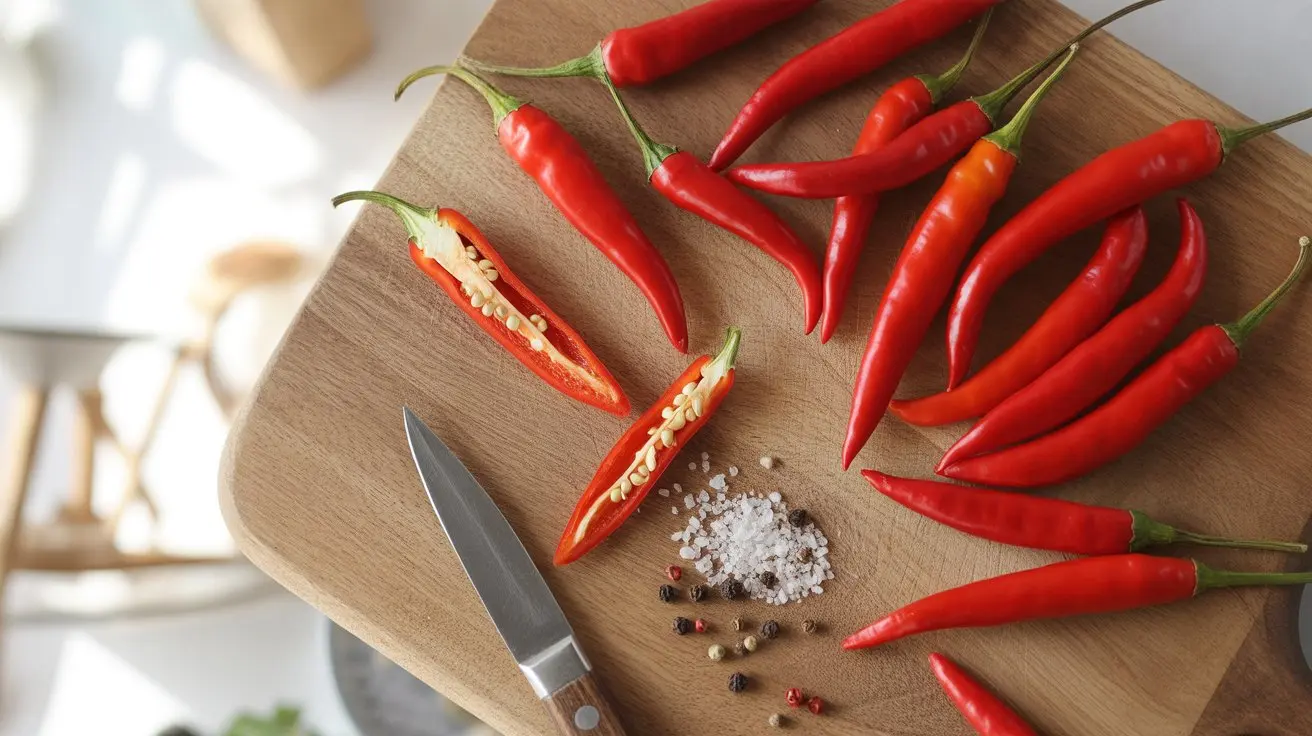
Bird's eye chili delivers 50,000-100,000 SHU of sharp, peppery heat in a finger-sized package. Native to Thailand and now essential across Southeast Asian cuisines, these tiny pods punch well above their size. At roughly half the heat of a habanero, they're intense without being untouchable - the kind of pepper that defines whole regional cooking traditions.
- Species: C. annuum
- Heat tier: Extra-Hot (100K–1M SHU)
- Comparison: 20x hotter than a jalapeño
What is Bird's Eye Chili?
Size is genuinely deceptive here. Bird's eye chili pods rarely exceed an inch, yet they carry enough heat to define the flavor backbone of Thai, Vietnamese, and Indonesian cooking. The extra-hot tier starts right where this pepper lives - 50,000 to 100,000 SHU - which puts it in the same bracket as a moderate habanero but with a distinctly different burn character.
The flavor itself is what makes this pepper special beyond raw heat. Bright, peppery, and almost herbal, it lacks the fruity sweetness of a fruity high-heat peach variety or the slow build of a dried chili. Bird's eye heat arrives fast and sits high on the tongue, then fades cleanly without lingering bitterness.
As a C. annuum species member, it shares botanical family with cayenne and jalapeño, though you'd never guess from the heat output. The plant produces prolifically - dozens of upright pods that start green and ripen to red, often with both colors visible simultaneously on a single plant.
In Thai cooking, these are non-negotiable. Nam prik, pad kra pao, tom yum - the cuisine's heat signature comes almost entirely from bird's eye. They appear fresh, dried, pickled in fish sauce, and ground into pastes. Few peppers this small carry this much cultural weight.
History & Origin of Bird's Eye Chili
Bird's eye chili's name likely comes from the small, round shape of the pods when viewed from above, or possibly from birds' preference for the fruit - avian digestive systems don't respond to capsaicin, making birds effective seed dispersers.
Though strongly associated with Thai pepper traditions, the pepper's origin story is more complex. Capsicum annuum peppers arrived in Southeast Asia via Portuguese traders in the 16th century, but the specific bird's eye variety became so deeply embedded in Thai and Vietnamese cooking that it's now considered native to the region.
The pepper goes by many names: prik kee noo in Thai (literally "mouse dropping chili"), cili padi in Malay, and oiseau in French-influenced Vietnamese contexts. This variety spread rapidly through tropical Asia because it thrived in the climate and matched local preferences for sharp, clean heat rather than the smoky depth of dried Mexican chilies.
How Hot is Bird's Eye Chili? Heat Level & Flavor
The Bird's Eye Chili delivers 50K–100K Scoville Heat Units, placing it in the Extra-Hot tier (100K–1M SHU). That makes it roughly 20x hotter than a jalapeño.
Flavor notes: peppery and bright.
Bird's Eye Chili Nutrition Facts & Health Benefits
Bird's eye chilies are nutritionally dense relative to their size. A 10-gram serving (roughly 5-6 fresh pods) provides meaningful amounts of vitamin C - hot peppers generally contain more than citrus by weight. They also supply vitamin A precursors, particularly as pods ripen from green to red.
Capsaicin, the compound responsible for heat, has been studied for anti-inflammatory properties and potential metabolic effects. The chemistry behind how capsaicin triggers heat receptors explains why the burn feels like actual temperature rather than a flavor.
Calorie content is negligible - these peppers are essentially free calories in any practical cooking quantity.
Best Ways to Cook with Bird's Eye Chili Peppers
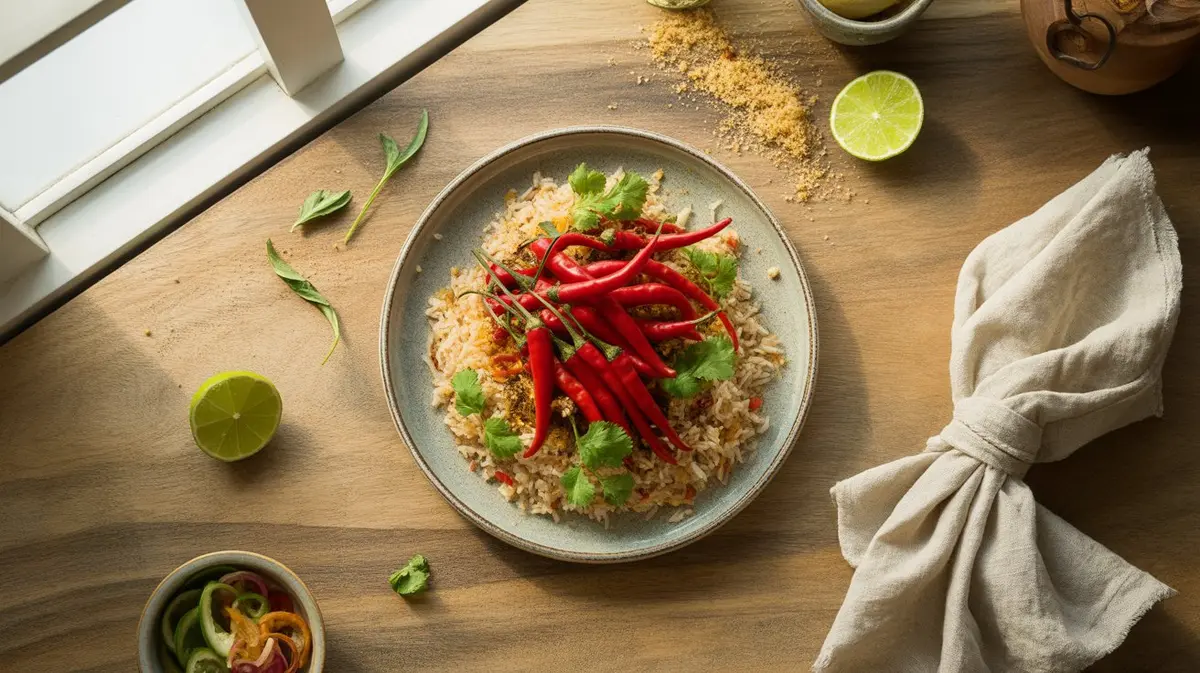
Start with what bird's eye does best: fresh heat in cooked dishes. Sliced thin and added to stir-fries, they distribute heat evenly without overwhelming any single bite. For pad thai or fried rice, two or three peppers per serving is a reasonable starting point - adjust from there based on your tolerance.
The classic Thai preparation is nam prik pla: bird's eye chilies sliced into fish sauce with lime juice, sometimes with garlic. This condiment hits the table alongside almost every Thai meal and takes about 90 seconds to make. The bright heat of the pepper cuts through the umami of fish sauce in a way that the sharp, grassy heat of serrano or cayenne's dry fiery character simply cannot replicate.
Dried bird's eye chilies behave differently - more concentrated, slightly smokier, and better suited to curry pastes and spice blends. The drying process deepens the flavor without losing that characteristic brightness.
For substitution purposes, the head-to-head heat comparison with Thai chili shows minimal practical difference in most recipes - the two are often used interchangeably. The fiery thin-walled tabasco pepper works as a substitute in sauces, though the flavor profile differs. Bird's eye also freezes well whole, retaining both heat and flavor for months.
Where to Buy Bird's Eye Chili & How to Store
Fresh bird's eye chilies appear in most Asian grocery stores year-round, typically sold in small bags. Look for firm pods with tight, glossy skin - avoid anything soft or wrinkled.
Fresh pods keep 1-2 weeks refrigerated in a paper bag or unsealed container. For longer storage, freeze them whole without blanching - they hold heat and flavor well for 3-4 months and can go directly from freezer into a hot pan.
Dried bird's eye chilies are shelf-stable for up to a year in an airtight container away from light. The Scoville testing methodology used to rate these measures the dried form at similar levels to fresh, though the flavor character shifts noticeably.
Best Bird's Eye Chili Substitutes & Alternatives
Whether you ran out of bird's eye chili or just want to try something different, these peppers make solid stand-ins. We picked them based on heat range, flavor overlap, and how well they actually work in the same dishes.
Our top pick: Apollo Pepper (50K–100K SHU). Same species (C. annuum) and nearly the same heat, so it swaps in at a 1:1 ratio without changing the character of the dish. The flavor leans bright and crisp, which is close enough that most people won’t notice the difference in a cooked recipe.
How to Grow Bird's Eye Chili Peppers
Bird's eye chili is among the more forgiving hot peppers to grow, provided you give it heat and full sun. Start seeds indoors 8-10 weeks before last frost - these need soil temperatures above 75°F to germinate reliably.
The plant stays compact, typically 18-24 inches tall, which makes it suitable for containers. A 3-gallon pot works fine for a single plant. In-ground plants tend to produce more prolifically, especially in long growing seasons.
For pest and disease management, see the practical guidance on common pepper pests and diseases - aphids and spider mites are the main threats, particularly in dry conditions. Good airflow around plants prevents fungal issues.
Harvest begins around 75-85 days from transplant. Pick regularly to encourage continued production - leaving ripe pods on the plant signals it to slow down. The cultivation characteristics of the Brazilian malagueta are similar enough that growing guides for that pepper apply here too.
If you want to save seeds for next season, the guide to saving pepper seeds covers the full process. Bird's eye seeds are tiny but viable, and the plants will cross-pollinate with other C. annuum varieties if grown too close together.
Frequently Asked Questions
-
Bird's eye chili tops out at 100,000 SHU, which is roughly at the lower end of a typical habanero's range (100,000-350,000 SHU). In practice, a bird's eye is noticeably milder than most habaneros, though the burn character is different - faster and sharper rather than slow-building and fruity.
-
Yes - the two are close enough in heat and flavor that most recipes won't show a meaningful difference. The side-by-side heat and flavor differences between them are subtle enough that home cooks use them interchangeably without issue.
-
Upright pod orientation is a common trait in C. annuum varieties and is thought to be an adaptation for bird dispersal - birds can spot the pods more easily when they point skyward. It's also a useful visual cue when harvesting, since the pods are easy to see against the foliage.
-
The capsaicin content per gram actually increases in dried chilies because water is removed, concentrating everything including heat compounds. However, because you typically use fewer dried pods by volume, the practical heat in a dish depends more on how many you add than the form.
-
Removing the seeds and inner membrane before cooking cuts heat significantly, since that's where most capsaicin concentrates. Adding dairy (coconut milk in Thai cooking does this naturally), acid, or fat to the dish also tempers the perceived burn without removing the pepper's flavor.
- Chile Pepper Institute - New Mexico State University
- USDA FoodData Central - Hot Peppers
- University of California Cooperative Extension - Growing Peppers
- Oxford Companion to Food - Capsicum entries
Species classification: C. annuum — based on published botanical taxonomy.