
Ancho Pepper

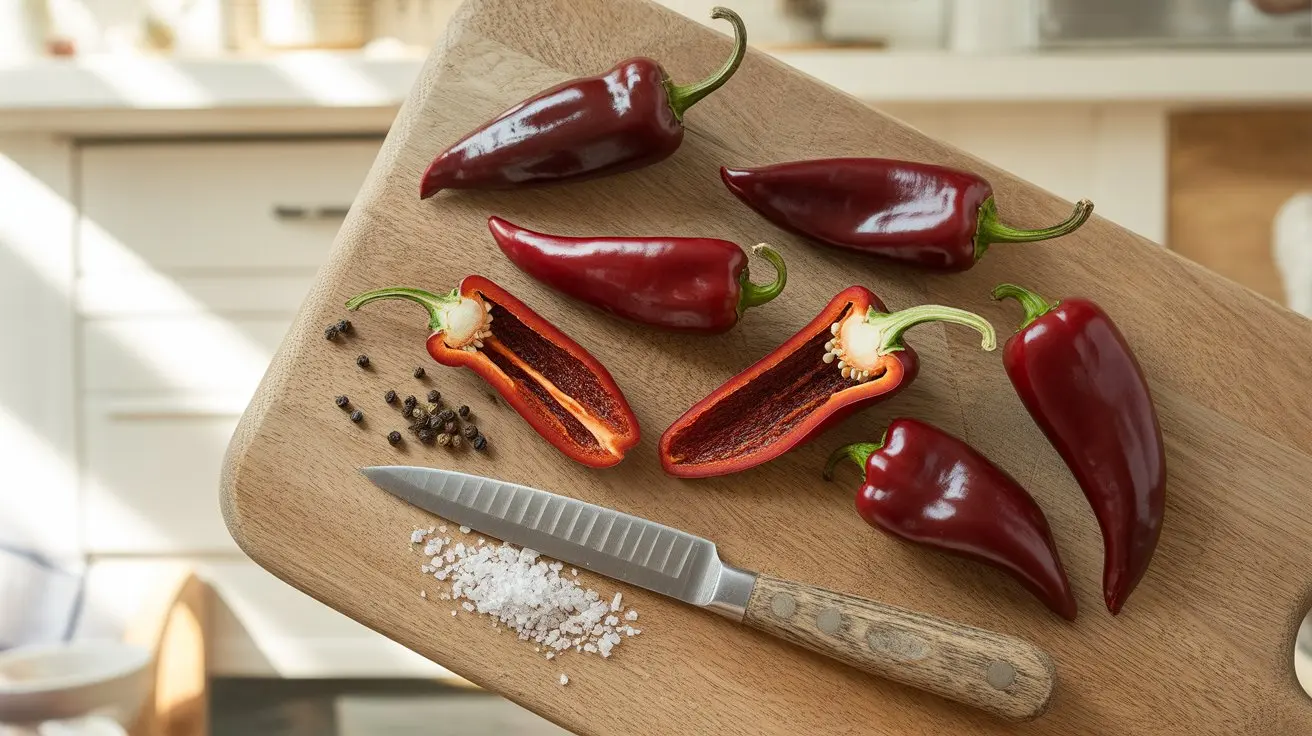
The ancho pepper is the dried form of the poblano, carrying 1,000–2,000 SHU and a deep, sweet flavor with raisin and chocolate undertones. A cornerstone of Mexican cooking for centuries, it anchors mole sauces, marinades, and braises. Its gentle heat makes it accessible to nearly any palate while delivering genuinely complex flavor.
- Species: C. annuum
- Heat tier: Medium (1K–10K SHU)
What is Ancho Pepper?
Long before dried chiles appeared on supermarket shelves, the ancho was already central to Mexican cuisine — a staple ground into sauces, rehydrated for stews, and layered into moles that could take days to prepare.
The name comes from the Spanish word for 'wide,' a nod to the pepper's broad, flat profile after drying. Fresh off the plant, it is a mild-to-medium poblano — the same pepper that gets stuffed and roasted in chiles rellenos. Once dried, the water content drops, the skin turns dark reddish-brown and wrinkles, and the flavor concentrates into something far more complex than the fresh version suggests.
At 1,000–2,000 SHU, the ancho sits comfortably in the medium heat pepper band, well below a serrano's punch. The heat is background warmth rather than a foreground burn — capsaicin present but restrained, letting the flavor carry the dish.
That flavor is the real story: dried fruit, dark chocolate, mild earthiness, and a sweetness that deepens when the pepper is toasted in a dry pan. No other dried chile in the Mexican pepper tradition quite replicates it. The ancho belongs to the C. annuum species, the same botanical family as bell peppers, jalapeños, and serranos — a practical in many applications lineage.
History & Origin of Ancho Pepper
The ancho's roots run deep into Mesoamerican agriculture. Poblano-type peppers were cultivated in central Mexico — particularly in Puebla — long before Spanish colonization, and drying them was a practical preservation method that also concentrated flavor.
After the Spanish arrived in the 16th century, dried chiles became part of colonial trade routes, spreading Mexican culinary traditions across the continent. The ancho became one of what many cooks call the dried chile trinity guide alongside mulato and pasilla — the trio behind classic mole negro.
The mulato, a close smoky-sweet relative, is sometimes confused with the ancho because both dry from poblano-type plants. Regional variation in growing conditions produces distinct flavor profiles, and Mexican cooks have long distinguished between the two with precision.
How Hot is Ancho Pepper? Heat Level & Flavor
The Ancho Pepper delivers 1K–2K Scoville Heat Units, placing it in the Medium tier (1K–10K SHU).
Flavor notes: sweet and raisin-like.
Ancho Pepper Nutrition Facts & Health Benefits
A single dried ancho chile (roughly 17g) delivers about 48 calories, 2g protein, 8g carbohydrates, and 2g fat, with 3g dietary fiber. Dried chiles concentrate nutrients significantly compared to fresh: ancho is a solid source of vitamin A (from beta-carotene), vitamin C, potassium, and iron.
Capsaicin at 1,000–2,000 SHU is mild enough that most people don't experience significant physiological heat response, though the compound still interacts with TRPV1 receptors. The drying process preserves most fat-soluble vitamins while reducing water-soluble vitamin C somewhat.
Best Ways to Cook with Ancho Peppers
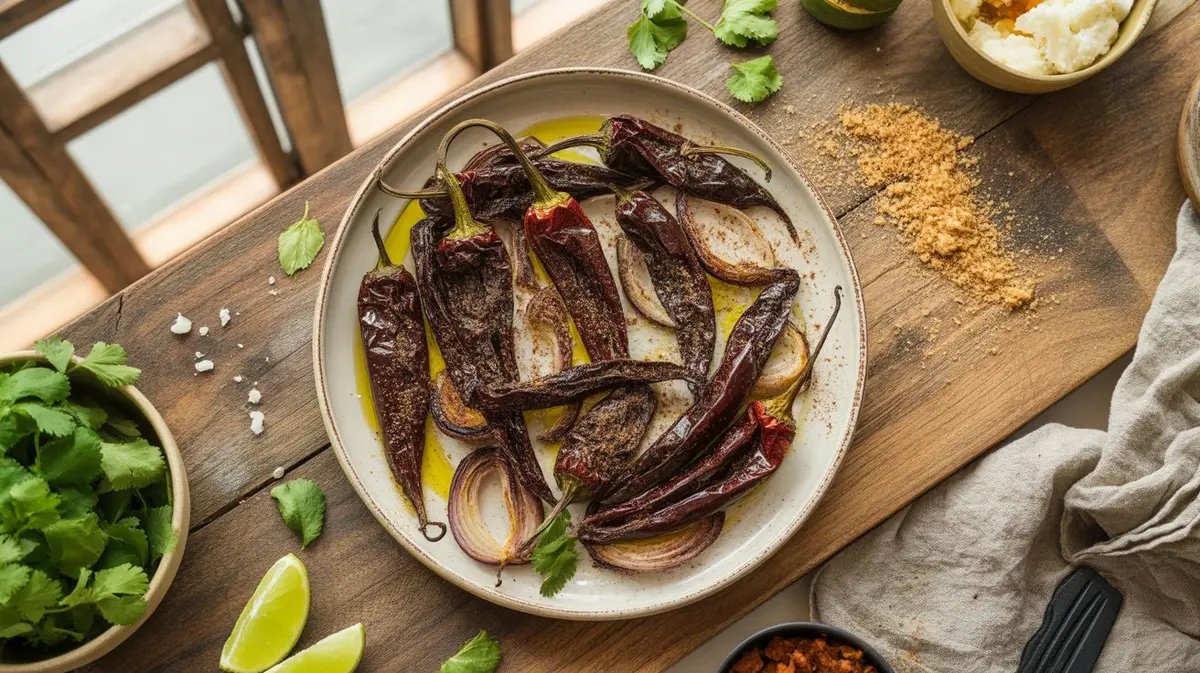
Rehydrating an ancho is the first step for most applications: remove the stem and seeds, toast the dried chile briefly in a dry skillet until fragrant (30–45 seconds per side), then soak in hot water for 15–20 minutes. The soaking liquid is bitter but can be strained and used sparingly in sauces.
Ancho paste — blended rehydrated flesh — goes into mole, enchilada sauce, pozole, and adobo marinades. It pairs naturally with chocolate, cinnamon, cumin, and garlic. For a side-by-side look at ancho against chipotle, the key difference is smoke: chipotle is hot-smoked and significantly spicier; ancho is sweeter and more fruit-forward.
Ground ancho powder works as a rub on pork shoulder, beef brisket, or roasted squash. About 1 tablespoon of powder equals roughly one rehydrated chile in intensity.
For comparison, the dark, tangy flavor of pasilla offers a similar SHU range but leans more toward dried berry and herb notes — useful to know when adjusting a recipe. The mild, sweet heat of guindilla peppers shows how differently peppers in the same SHU range can express themselves across culinary traditions.
Where to Buy Ancho Pepper & How to Store
Dried anchos are available year-round in most grocery stores — look in the international foods aisle or with dried goods rather than fresh produce. Peak availability often aligns with fall and winter, when Mexican cooking traditions around holidays drive higher stock.
Choose chiles that are pliable and fragrant, not brittle or odorless — brittleness signals age. Deep reddish-brown color is correct; black or faded chiles are past their prime.
Store in an airtight container away from light and heat. Whole dried chiles keep up to 1 year; ground ancho powder loses potency faster, ideally used within 6 months. Vacuum-sealing extends shelf life considerably.
Best Ancho Pepper Substitutes & Alternatives
Whether you ran out of ancho pepper or just want to try something different, these peppers make solid stand-ins. We picked them based on heat range, flavor overlap, and how well they actually work in the same dishes.
Our top pick: Kashmiri Chili (1K–2K SHU). Same species (C. annuum) and nearly the same heat, so it swaps in at a 1:1 ratio without changing the character of the dish. The flavor leans mild and sweet, which is close enough that most people won’t notice the difference in a cooked recipe.
How to Grow Ancho Peppers
Growing anchos means growing poblanos and drying them yourself — the transformation happens post-harvest. Plants thrive in USDA zones 9–11 as perennials and are treated as annuals elsewhere. Start seeds indoors 8–10 weeks before last frost; germination takes 10–21 days at soil temperatures of 75–85°F.
Transplant outdoors after all frost risk passes, spacing plants 18–24 inches apart in full sun. Poblanos are heavy feeders — a balanced fertilizer at transplant followed by a phosphorus-forward feed once flowering begins keeps production strong. They tolerate container growing well; a 5-gallon pot works, though yields are lower than in-ground. For more on that approach, the container pepper growing guide covers spacing and watering in detail.
Fruits are ready to dry when they turn fully red — this is when sugar content peaks and the dried ancho will have its characteristic sweetness. Hang or dehydrate at 125–135°F until completely leathery with no soft spots. The New Mexico-style earthiness in dried Hatch chiles shows what happens when similar poblano-family plants grow in different soils — terroir matters even for dried peppers.
Frequently Asked Questions
-
They are the same plant — the fresh mild green or red poblano becomes an ancho after it is fully ripened to red and dried. Drying concentrates the sugars and creates the characteristic raisin-and-chocolate flavor that fresh poblanos lack.
-
Anchos measure 1,000–2,000 SHU, while serranos typically reach 10,000–23,000 SHU — meaning a serrano can be roughly 5–10 times hotter. The ancho's heat is mild background warmth, not a burn that competes with the flavor.
-
Yes — about 1 tablespoon of ground ancho powder approximates one whole rehydrated chile in flavor intensity. Keep in mind you lose the soaking liquid and some textural body that whole chiles contribute to sauces.
-
The dark, fruity depth of mulato chiles is the closest substitute, sharing the same heat range with a slightly smokier profile. The earthy sweetness found in NuMex Big Jim dried can also work in a pinch, though the flavor is less complex.
-
Not always — commercial 'chili powder' blends typically contain cumin, garlic powder, and oregano alongside ground chile. Pure ancho powder is simply ground dried ancho chiles with nothing added; check the ingredient label to confirm you are buying the single-ingredient version.
- Chile Pepper Institute — Pepper Types and Descriptions
- USDA FoodData Central — Dried Ancho Chile Nutritional Profile
- Kennedy, Diana. The Art of Mexican Cooking. Clarkson Potter, 2008.
- University of California Cooperative Extension — Pepper Production Guide
Species classification: C. annuum — based on published botanical taxonomy.
