
Extra-Hot Peppers
Extra-hot peppers range from 100,000–999,999 SHU. This tier includes some of the most culinarily versatile hot peppers in the world, from habaneros to Scotch Bonnets to bird's eye chilis.
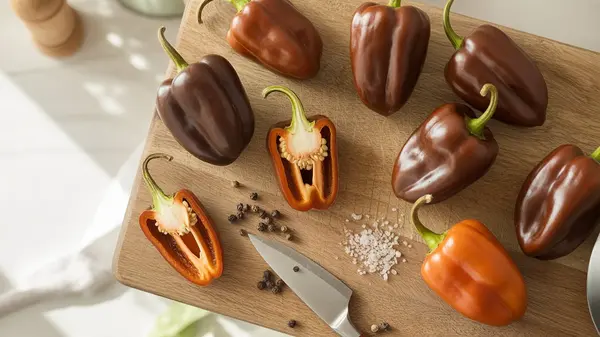
Quick Facts: Extra-Hot Peppers
All Extra-Hot Peppers
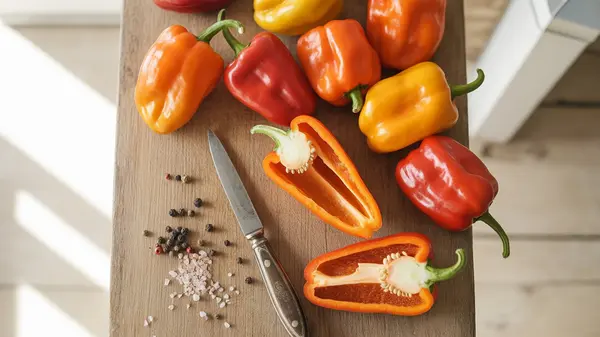
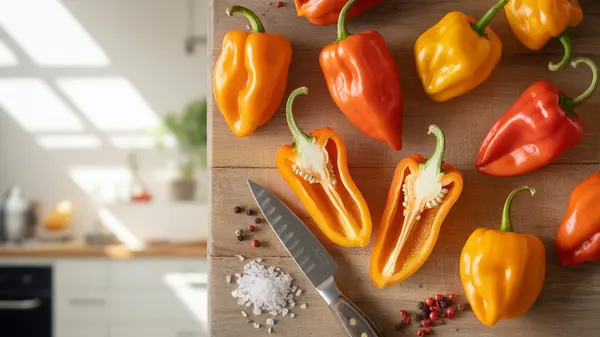
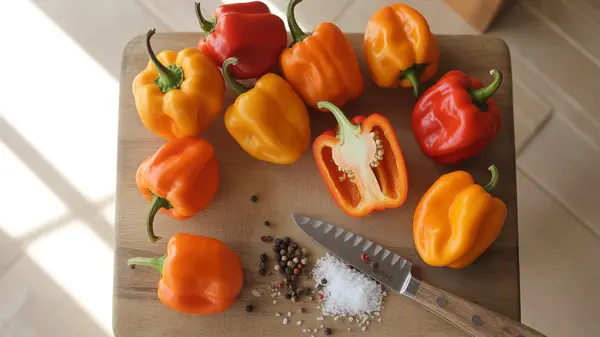
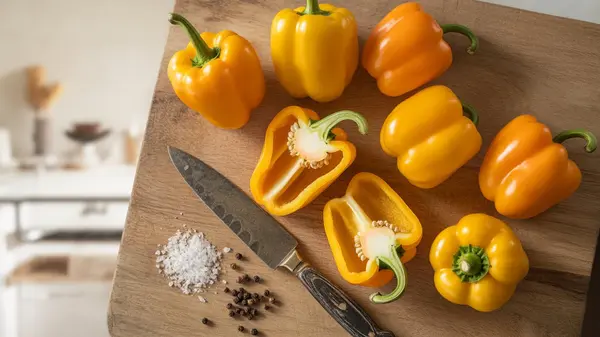
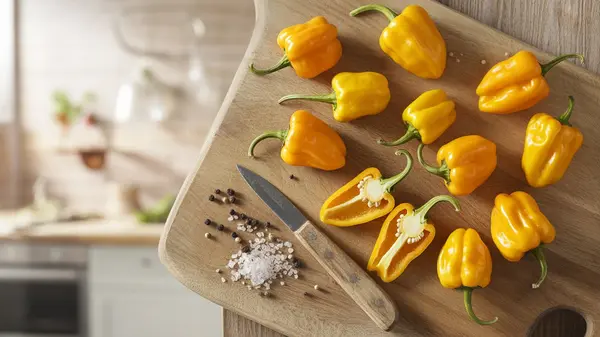
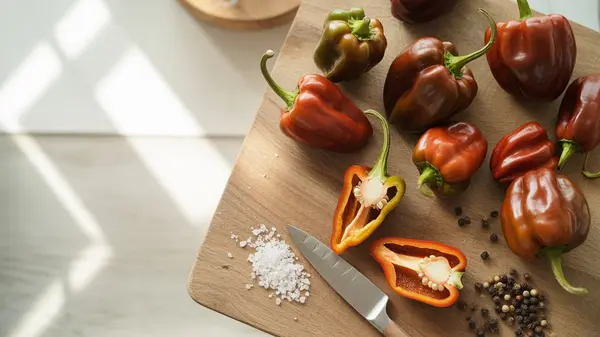
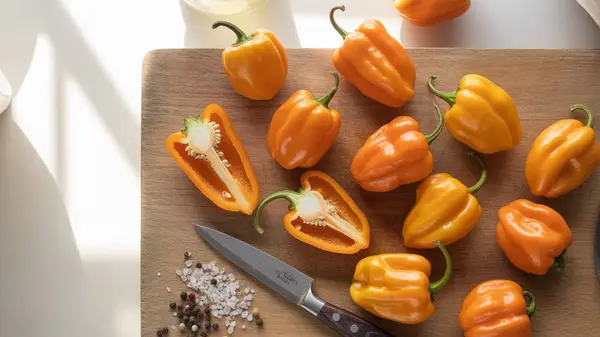
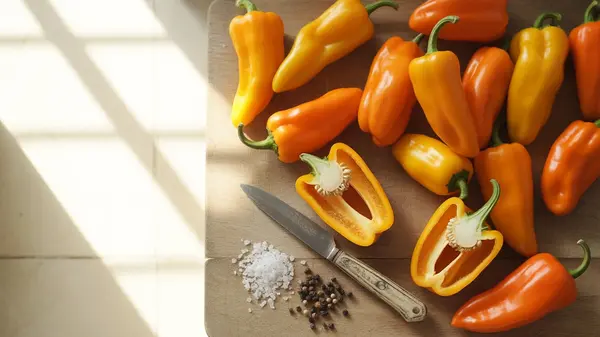
Every extra-hot pepper in our database, sorted by maximum Scoville rating. Click any card for the full profile with flavor notes, growing tips, and substitutes.
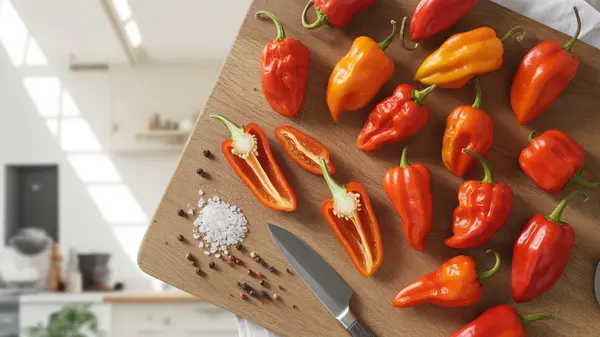
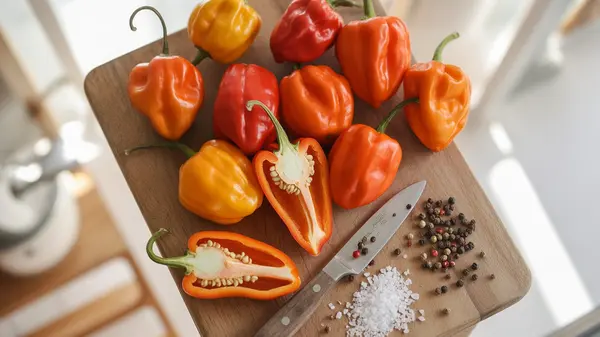
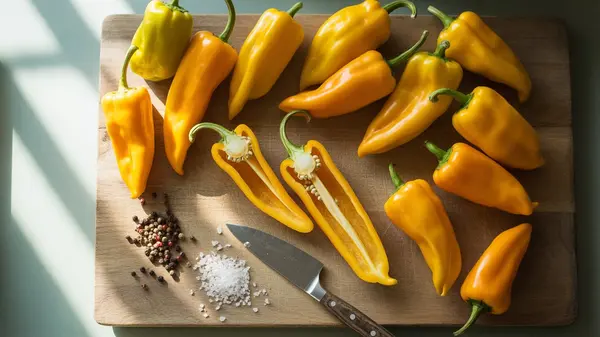
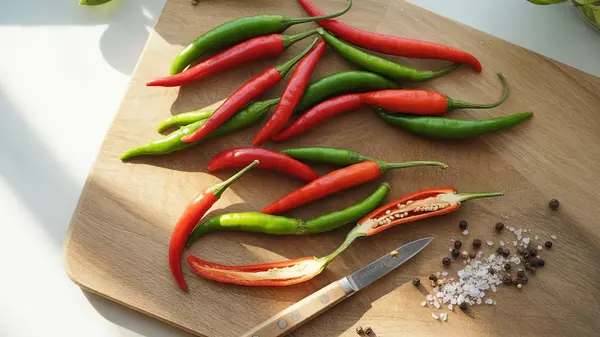
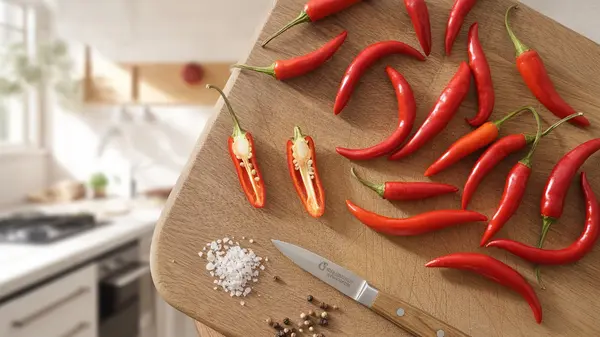
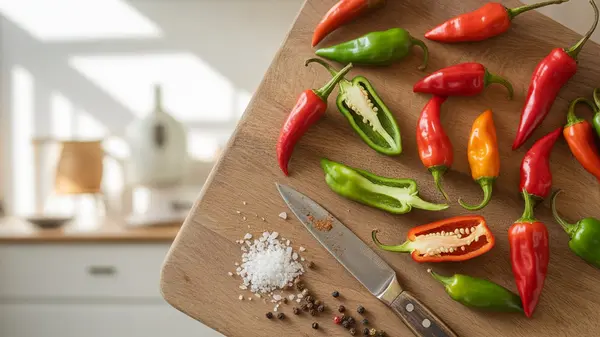
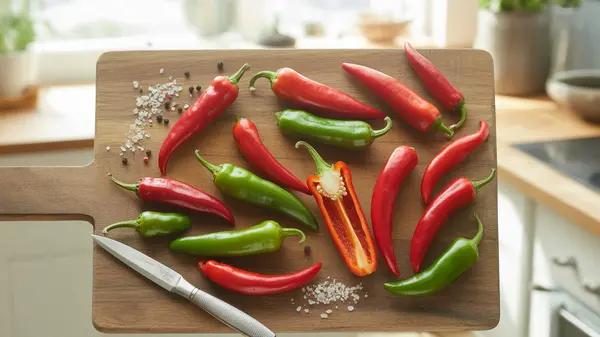
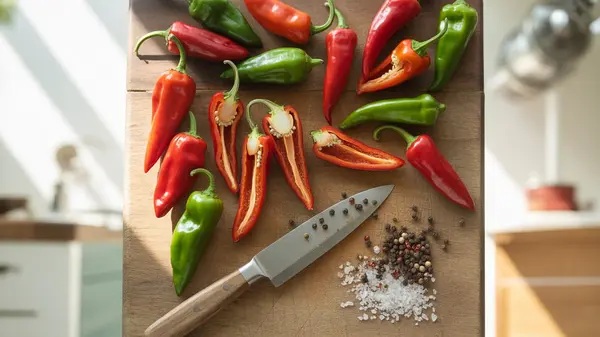
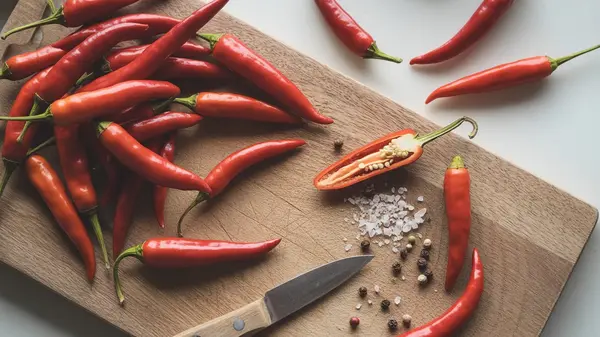
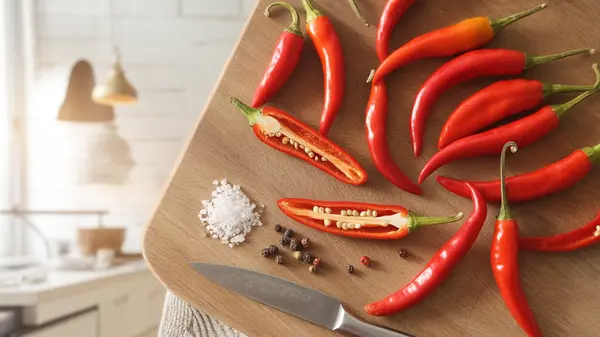
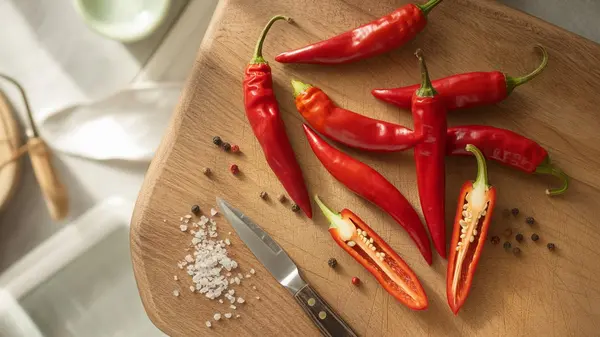
How Extra-Hot Peppers Compare
Visual breakdown within the 100K–1M SHU range
The Science of Extra-Hot Heat
Capsaicin at Extra-Hot Level
Capsaicin content between 6,000–60,000 ppm. The burn is intense but manageable for experienced cooks. Heat builds over 5–10 seconds and fades within 10–15 minutes.
Capsaicin activates TRPV1 pain receptors. The sensation is real pain, but causes no physical damage.
Species in This Tier
This tier spans multiple species. C. chinense dominates (habaneros, Scotch Bonnets), but C. frutescens (tabasco) and C. annuum (Thai chilis) also appear. Each species contributes a distinct flavor chemistry.
Cooking with Extra-Hot
The sweet spot for cooking. Enough heat to be the star of a dish, but with complex flavor (fruity, citrusy, floral) that adds real depth. Remove seeds and membranes for milder heat while keeping flavor.
Roasting deepens sweetness. Raw preserves brighter notes. See our fresh vs dried guide.
Safety & Handling
Gloves recommended when cutting. Avoid touching eyes or face. Wash cutting boards with dish soap – water alone doesn't remove capsaicin oil. Seeds are not the hottest part; the white membranes (placenta) are.
Full remedies in our capsaicin burn relief guide. TL;DR: dairy, sugar, or dish soap.
Extra-Hot Pepper Comparisons
Side-by-side breakdowns of heat, flavor, and culinary uses for extra-hot-tier peppers.
Habanero vs Red Savina Habanero: Key Differences Explained
Fatalii vs Scotch Bonnet Showdown: Heat, Flavor & Uses
Fatalii vs Habanero: What's the Difference?
Habanero vs Jalapeño: Heat, Flavor & Key Differences
Habanero vs Serrano Pepper: Which Pepper Should You Use?
Habanero vs Scotch Bonnet – Heat & Flavor Compared
Related Guides
Frequently Asked Questions
Other Heat Levels
The Scoville scale spans from 0 SHU to over 3 million. Each tier serves a different culinary purpose.