How to Ripen Green Peppers
Turn green peppers red for sweeter flavor. Detailed guide with expert tips and practical advice.

Why Green Peppers Are Just Unfinished Business
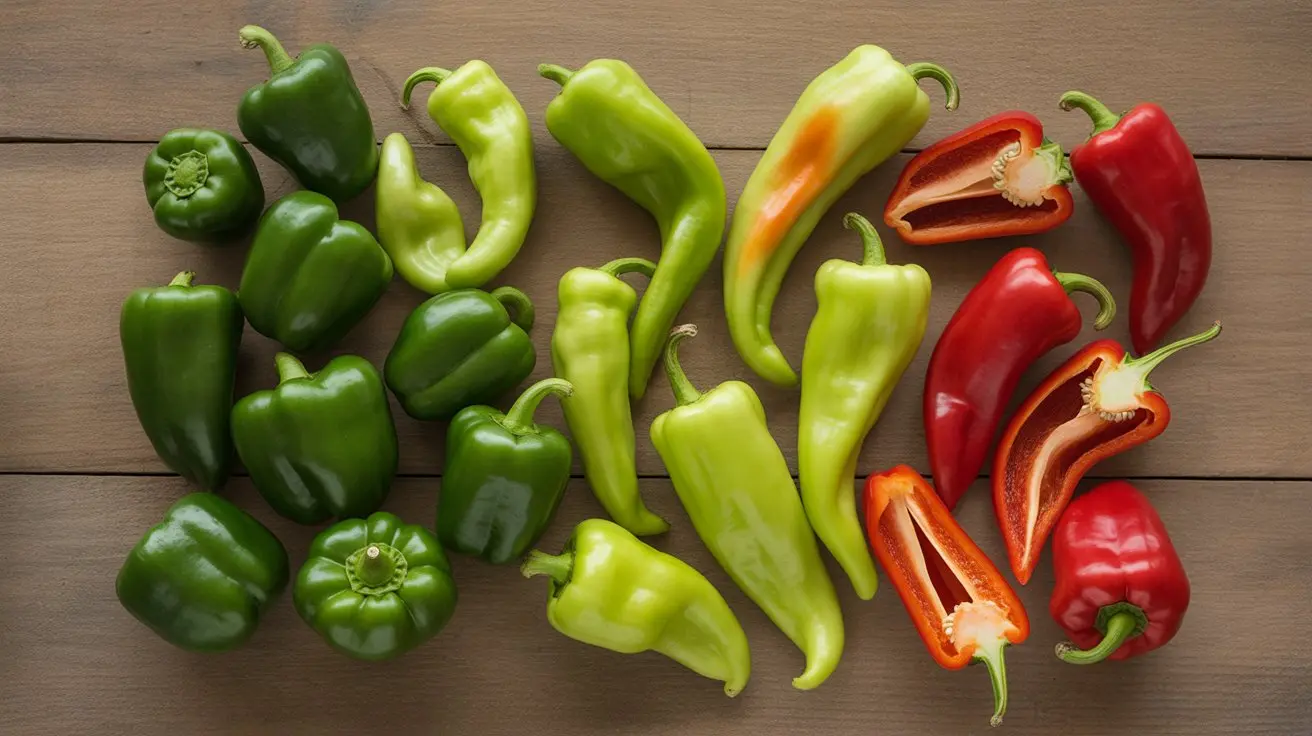
Every green pepper on your plant is a red, yellow, or orange pepper that hasn't finished its job yet. Color change signals the completion of a biochemical process — chlorophyll breaks down, carotenoids develop, sugars accumulate, and capsaicin levels shift. The green stage isn't a separate variety; it's an earlier point on the same timeline.
What surprises most growers is how dramatically flavor transforms during that final ripening window. A green bell pepper and a red bell pepper from the same plant can differ by 10-15% sugar content — the red one is measurably sweeter, sometimes fruity, with the bitterness of chlorophyll gone. The same principle applies across hot varieties, though the stakes feel higher when you're growing something like the fiercely hot Dorset Naga, where full ripeness also means peak capsaicin development.
On-the-Vine Ripening: The Simplest Path
If the plant is still alive and healthy, leaving peppers on the vine is almost always the best option. The plant continues feeding sugars and pigments into the fruit through the stem, producing the most flavorful result.
The challenge is time. Depending on variety, ripening can take 2-4 additional weeks after a pepper reaches full size. Bell peppers might need 3 weeks from green to red. Thinner-walled hot varieties like the sharp, thin-skinned Thai chili often ripen faster because there's less fruit mass to transform.
To encourage on-vine ripening, focus on these conditions:
- Full sun exposure — at least 6 hours of direct light daily accelerates pigment development
- Consistent watering — drought stress can stall ripening or cause fruit drop
- Warm nights — ripening slows significantly when nighttime temps drop below 55°F (13°C)
- Reduce new fruit load — pinching off new blossoms redirects plant energy toward ripening existing fruit
One practical move: stop fertilizing with high-nitrogen formulas once peppers are at full size. Nitrogen pushes vegetative growth, not fruit ripening. Switch to a low-nitrogen, higher-phosphorus feed or stop fertilizing altogether in the final stretch.
Off-the-Vine Ripening: What Actually Works
Frost is coming, the season's ending, or you pulled the plant for other reasons — you've got green peppers and want to ripen them indoors. This works, but with caveats.
Off-vine ripening relies on the fact that peppers, like tomatoes, continue ripening after harvest as long as they have stored energy and intact cellular structure. The process is slower and less complete than on-vine, but fully mature green peppers (those that have reached full size and begun any color change) will ripen successfully at room temperature.
Here's what to do:
- Select peppers that are full-sized and blemish-free. Damaged fruit rots before it ripens.
- Wash and dry them thoroughly — any surface moisture accelerates mold.
- Place them in a single layer on a countertop, cutting board, or shallow tray. Airflow matters; stacking traps ethylene and moisture unevenly.
- Keep them at 65-75°F (18-24°C). Avoid the refrigerator — cold temperatures halt ripening almost completely.
- Check daily and remove any that show soft spots or mold.
Expect the process to take 1-3 weeks depending on variety and how mature the pepper was when picked. Thinner-walled varieties like the intensely hot bird's eye ripen faster off the vine than thick-walled bells.
The Ethylene Method: Speed It Up
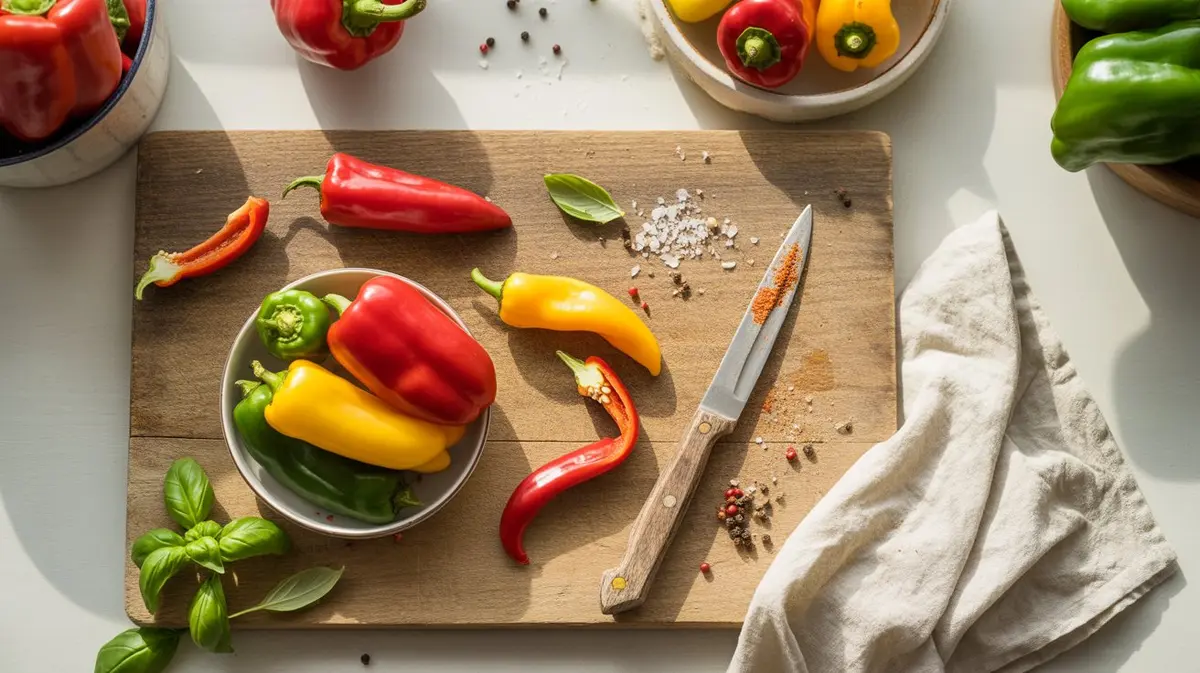
Ethylene is the gas that triggers fruit ripening, and peppers both produce and respond to it. Placing green peppers near ethylene-producing fruits — ripe bananas and apples are the most potent — creates a micro-environment that accelerates color change.
Put your green peppers in a paper bag with a ripe banana. Close the bag loosely (you want some airflow, not a sealed chamber) and check after 3-5 days. The difference compared to open-counter ripening can be significant — sometimes cutting the timeline nearly in half.
Avoid plastic bags. They trap moisture, and the combination of warmth, moisture, and ripening gases creates ideal conditions for rot rather than ripening.
This technique works particularly well for thick-walled varieties like bells and pimentos, which have more stored energy to work with. For small, thin-walled hot peppers, the benefit is less dramatic because they ripen quickly anyway.
Heat and Capsaicin: What Changes During Ripening
For growers of hot peppers, the ripening question isn't just about color — it's about heat. The relationship between ripeness and capsaicin is more nuanced than most sources suggest.
Capsaicin concentration, measured on the Scoville heat ranking system, generally increases as peppers ripen. The biosynthesis of capsaicin and its analogs continues through the ripening process, peaking at or near full color change. A fully ripe red pepper of the same variety will typically be measurably hotter than its green counterpart.
This matters practically. If you're growing the massive, brutally hot 7 Pot Red Giant — a variety that sits firmly in the super-hot category — harvesting green means you're getting significantly less capsaicin than the plant is capable of producing. For milder varieties in the mild heat classification, the difference is less dramatic but still present.
The deeper chemistry involves capsaicin's molecular structure and how it binds to TRPV1 receptors — that burn mechanism is the same whether the pepper is green or red, but the quantity of active compounds differs. Green peppers have capsaicin; ripe red peppers have more of it.
When to Harvest Green vs. Wait for Color
Not every situation calls for waiting. Green peppers have genuine culinary value — they're firmer, more vegetal, and less sweet. Many recipes specifically call for green peppers precisely because of those qualities.
Harvest green when:
- You want that characteristic bitter-vegetal flavor (green salsas, stir-fries, stuffed peppers)
- The plant is overloaded and you need to thin fruit to help remaining peppers ripen
- Frost is imminent and you have no indoor space for the plant
- You're growing a variety where green is the traditional harvest stage (some Mexican pepper traditions specifically prize the green poblano)
Wait for color when:
- Maximum sweetness or heat is the goal
- You're drying or fermenting — ripe peppers have better flavor concentration after processing
- The variety is a specialty hot pepper where peak capsaicin matters, like the small but fiery Aji Cito
Variety-Specific Ripening Behavior
Ripening timelines vary considerably by species and variety. Capsicum annuum varieties — bells, jalapeños, poblanos — tend to ripen predictably and respond well to off-vine methods. Capsicum chinense varieties like habaneros and the rich, chocolatey-hot Jamaican Hot Chocolate can take longer to ripen, both on and off the vine, and sometimes show more color variability.
Thin-walled varieties from Thai pepper-growing traditions generally ripen faster than thick-walled American or European types. A Thai chili might go from green to red in 10-14 days on the vine; a bell pepper might take 3-4 weeks for the same transition.
Some varieties ripen through multiple color stages — yellow, then orange, then red. These intermediate stages are fully edible and often have distinct flavor profiles. Don't assume a yellow pepper is unripe; check the expected final color for your specific variety.
Bringing Plants Indoors Before Frost
Pepper plants are perennials in their native climates. In temperate zones, a hard frost kills them, but a light frost doesn't have to end your season. If you have container plants, or can dig and pot in-ground plants, moving them indoors can extend ripening by weeks.
The key requirements for indoor plants:
A south-facing window with 6+ hours of light, or supplemental grow lightsTemperatures consistently above 60°F (15°C)Reduced watering — indoor plants in lower light need less water, and overwatering causes root rot quickly
Plants brought indoors often drop some leaves and look stressed initially. This is normal. As long as the stems are firm and green, the plant is alive and the peppers will continue ripening. Some gardeners overwinter pepper plants entirely, getting a head start the following season with a mature root system.
For growers interested in the full cultivation cycle, understanding transplanting and cultivation timing from the start of the season makes end-of-season ripening decisions easier — you'll know exactly how many days your variety needs and plan accordingly.
Troubleshooting: Why Peppers Won't Turn Red
Several conditions stall ripening even when you're doing everything right:
Temperature extremes — Both heat above 95°F (35°C) and cold below 55°F (13°C) interrupt the enzymatic processes that drive color change. Peppers in these conditions may stay green indefinitely.
Variety with a long ripening window — Some super-hot varieties need 150+ days from transplant to ripe fruit. If your season wasn't long enough, the plant simply didn't have time. This is a planning issue for next year, not a ripening technique problem.
Disease or pest damage — Anthracnose, bacterial soft rot, and other diseases can halt ripening. Inspect the stem end carefully; any soft or discolored areas near the calyx suggest disease rather than immaturity.
Genetic variation — Occasionally, a pepper from open-pollinated seed won't ripen to the expected color due to cross-pollination in previous generations. This is rare but happens.
Storing Partially Ripened Peppers
If you need to pause the ripening process — say, you have more peppers ripening than you can use — the refrigerator is your tool. Cold temperatures slow ripening dramatically without stopping it completely.
Store partially ripened peppers in the crisper drawer at 45-50°F (7-10°C). They'll hold for 1-2 weeks and continue ripening slowly. Pulling them back to room temperature resumes the process at normal speed.
Fully ripe peppers store best at the same temperature, lasting 1-2 weeks refrigerated. For longer storage, freezing works well — no blanching required for peppers. Slice or leave whole, freeze on a sheet pan, then transfer to bags. The texture softens after freezing, but flavor and heat remain intact.
Drying is the best option for long-term storage of ripe hot peppers. Fully ripe peppers have lower water content and higher sugar and capsaicin concentration, making them better candidates for drying than green ones. Varieties in the hot heat classification or above dry particularly well because their thinner walls lose moisture faster.
Frequently Asked Questions
-
Yes, as long as they have reached full size before harvest. Mature green peppers will ripen at room temperature over 1-3 weeks. Undersized or immature peppers typically shrivel and rot instead of changing color.
-
It does. Ripe bananas emit high levels of ethylene gas, which triggers ripening responses in nearby fruit. A loosely closed paper bag concentrates the gas around the peppers, often cutting the ripening timeline by several days.
-
Generally yes. Capsaicin biosynthesis continues through the ripening process, so fully ripe red peppers typically contain more capsaicin than their green counterparts from the same plant. The difference varies by variety but is measurable.
-
Temperature is the most common culprit - ripening stalls below 55°F at night or above 95°F during the day. Variety matters too; some super-hot peppers need 150+ days from transplant and simply run out of season before coloring.
-
On-vine ripening produces better flavor because the plant continues supplying sugars and pigment precursors through the stem. Off-vine ripening works but produces slightly less sweet, less fully developed fruit compared to vine-ripened peppers of the same variety.