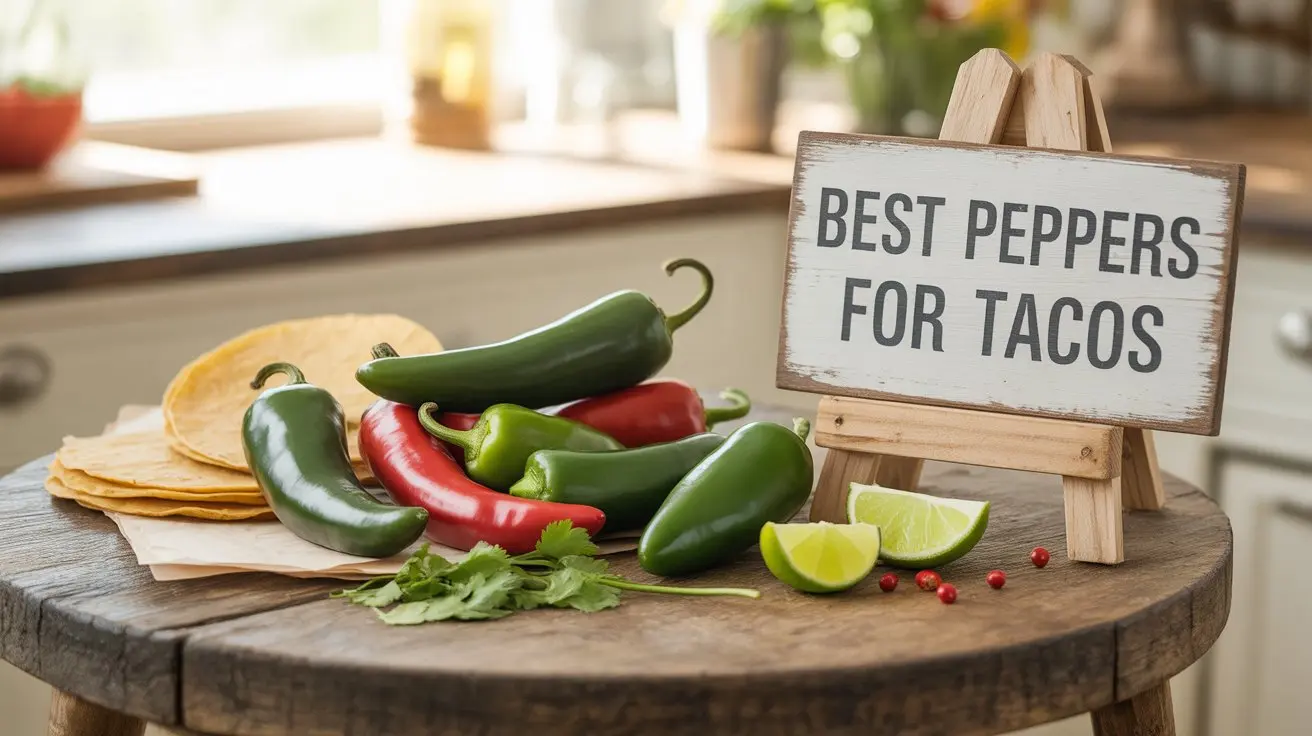
Best Peppers for Tacos
Find the best peppers for tacos, from mild poblanos to spicy habaneros. We rank 10 options by heat, flavor, and prep.

Matching the Right Pepper to Your Taco
Tacos are one of the few dishes where pepper choice genuinely changes the whole experience - not just the heat, but the aroma, texture, and finish of every bite.
The wrong pepper flattens everything. The right one makes people ask what you did differently.
This guide ranks peppers by how well they actually perform in tacos, organized from mild to scorching, with notes on preparation and where each one fits best.
Mild Peppers: Flavor Without the Fire
Poblanos are the gold standard for taco fillings that need body and depth without heat. Roasted and peeled, they add a dark, slightly smoky character that pairs exceptionally well with braised beef or mushroom fillings.
Their 1,000-2,000 SHU range sits at the gentler end of the mild SHU bracket, making them approachable for anyone at the table.
If you want something closer to a fresh bell pepper but with more complexity, the sweet, thick-walled California Wonder works well raw or lightly charred in street-style tacos. It brings color and crunch without any heat whatsoever.
The tender, frying-friendly Melrose is another mild option worth knowing. Italian-American in origin but surprisingly at home in a taco - sauteed with onion and pork, it practically builds its own filling.
For raw applications - pico de gallo, fresh salsas, sliced toppings - Anaheim peppers offer that same mild sweetness with a little more structure. They hold their shape under acid from lime juice without turning mushy.
Medium Heat: The Everyday Taco Zone
Most home cooks land here, and for good reason. Medium peppers give you noticeable warmth without requiring a glass of milk afterward.
Serranos deserve more taco credit than they get. At 10,000-23,000 SHU, they run noticeably hotter than jalapeños but have a brighter, greener flavor that works beautifully in fresh salsas verde. The medium heat intensity feel of a serrano is sharper and cleaner than jalapeño's earthier warmth.
Guajillo peppers - dried mirasol chiles - are the backbone of some of the best taco marinades in existence. They bring a mild fruitiness with hints of cranberry and tea that you simply cannot replicate with fresh peppers. Rehydrate them, blend with garlic and cumin, and you have the foundation of a proper al pastor marinade.
The bright, fruity Aji Amarillo from South America sits at 30,000-50,000 SHU and adds a tropical heat that works surprisingly well in fusion tacos - especially with shrimp or roasted sweet potato. It belongs to the Capsicum baccatum species, which gives it a distinct fruity top note that annuum peppers rarely match.
The Dried Chile Lineup: Smoke, Earth, and Complexity
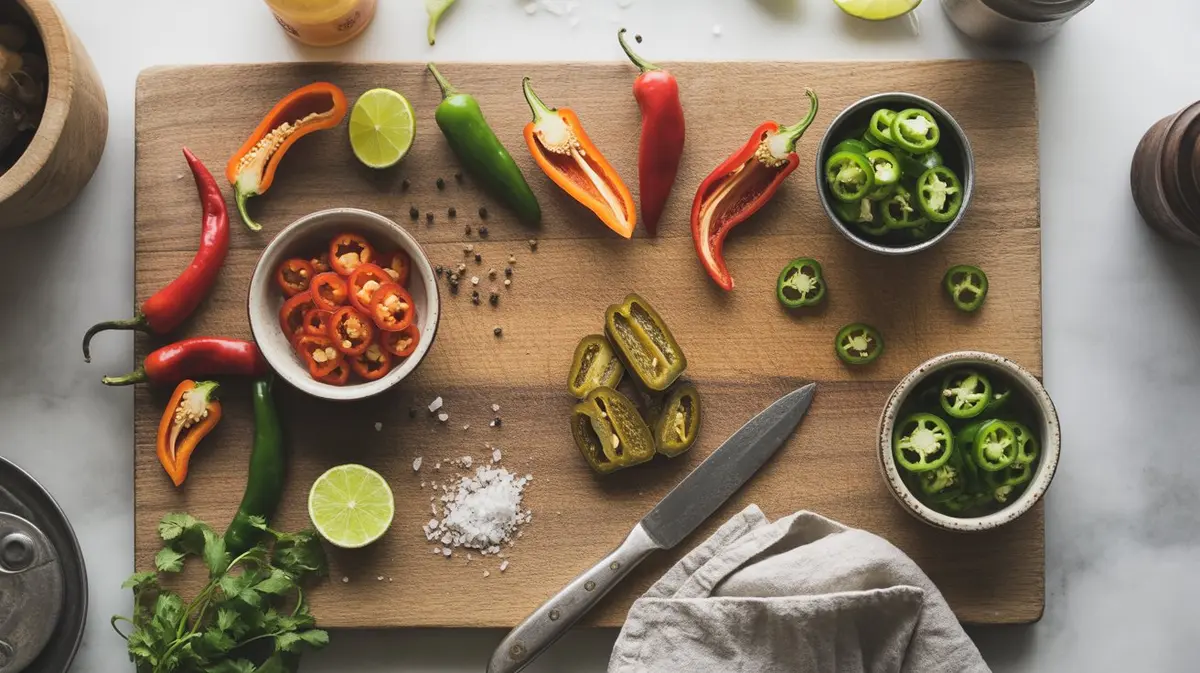
No taco guide is complete without addressing dried chiles. These are not just "old peppers" - drying concentrates sugars, develops new flavor compounds, and transforms a fresh pepper into something entirely different.
Ancho (dried poblano) is the workhorse of Mexican red sauces. Toast it briefly in a dry pan until fragrant, rehydrate in hot water for 20 minutes, then blend. The result is a deep, raisin-and-chocolate sauce base that makes birria and barbacoa tacos what they are.
Mulato chiles look similar to anchos but carry more chocolate and licorice notes. Worth seeking out if you're building a complex mole-style taco sauce.
The thin-skinned, intensely hot De Arbol changes the equation entirely. At 15,000-30,000 SHU, these small dried chiles punch well above their size. Toast them whole, blend with tomatillos, and you have a salsa roja with real backbone. They are one of the most common heat sources in traditional taqueria salsas for a reason.
Chipotles (smoked jalapeños) in adobo sauce deserve their own mention. The smokiness they add to braised chicken or pork tacos is something no fresh pepper can replicate. One or two chipotles in a braise changes the entire character of the meat.
Hot Peppers: For Serious Heat Seekers
Once you cross into the hot pepper SHU range, taco applications shift. These peppers work best as condiments, salsas, or small-quantity flavor bombs rather than bulk fillings.
The tiny but fierce Piquin is a wild-harvested Mexican pepper that shows up in traditional salsas across northern Mexico. At 40,000-60,000 SHU - roughly two to three times hotter than a serrano - a few dried piquins ground into a salsa create serious heat with a distinctive nutty, smoky flavor. They are not easy to find fresh, but dried piquins are available online and worth the effort.
Habaneros bring 100,000-350,000 SHU along with a floral, apricot-like aroma that's genuinely delicious in small doses. A habanero-mango salsa on a fish or shrimp taco is one of the better flavor combinations in existence. The key is restraint - half a habanero goes further than you expect.
The uniquely seeded, apple-shaped Manzano from the Capsicum pubescens species sits at 12,000-30,000 SHU with a thick, crisp flesh that holds up well raw. Sliced thin and added to a taco as a fresh topping, it delivers a fruity heat with actual textural presence. Most peppers in this heat range turn to mush - the Manzano stays firm.
Building Heat Layers in a Single Taco
The best tacos rarely rely on a single pepper. Layering different peppers at different stages of cooking creates complexity that one pepper alone cannot achieve.
A practical approach: use a mild dried chile (ancho or guajillo) in the meat marinade for depth, a medium fresh pepper (serrano or jalapeño) in the salsa for brightness, and a small amount of a hotter pepper (habanero or piquin) as a finishing condiment for those who want more.
This three-layer structure means the taco has heat that builds rather than hits all at once. The receptor science behind heat perception explains why sequential exposure to capsaicin feels more intense than a single large dose - your TRPV1 receptors don't reset instantly.
Fat content in the filling also matters. Fatty meats like pork shoulder or duck absorb capsaicin and distribute it more evenly through each bite. Leaner proteins like fish or chicken let the pepper's heat come through sharper and faster.
Fresh vs. Roasted vs. Dried: Preparation Changes Everything
The same pepper prepared three different ways produces three different flavor profiles, and all three can appear in a single taco.
Fresh peppers bring bright, vegetal notes and clean heat. Roasting adds sweetness and smoke while softening the texture. Drying concentrates everything - sugar, heat, and flavor compounds - and creates entirely new aromatic compounds through the Maillard reaction.
For taco fillings, roasting is almost always the right call for thick-fleshed peppers like poblanos and bell peppers. Place them directly over a gas flame or under a broiler until the skin blisters and blackens, then steam in a covered bowl for 10 minutes before peeling. The flesh underneath will be silky and sweet.
Thin-skinned peppers like serranos and de arbols don't need peeling - just char them briefly in a dry skillet until they blister and soften, then blend directly into a salsa.
For dried chiles, always toast before rehydrating. Thirty seconds per side in a dry pan over medium heat wakes up the oils and deepens the flavor significantly. Don't skip this step.
Regional Taco Styles and Their Pepper Traditions
Different taco traditions from across Mexico's regional pepper heritage use specific chiles in ways that reflect local agriculture and flavor preferences.
Tacos al pastor from central Mexico rely heavily on guajillo and ancho chiles in the achiote marinade, with dried chiles doing most of the flavor work. The heat is moderate; the complexity is high.
Tacos de canasta from street vendors in Mexico City often use salsa made from de arbol or piquin - fast, hot, simple. The chile does one job and does it well.
Baja-style fish tacos traditionally use fresh jalapeño or serrano in a pickled form, alongside a creamy chipotle sauce. The contrast between the bright acid of the pickled pepper and the smoky richness of the chipotle is what makes the style work.
Fusion tacos drawing from South American pepper traditions increasingly incorporate Aji Amarillo and rocoto, bringing fruity heat profiles that feel genuinely different from the Mexican canon.
Salsa Matching: Which Pepper for Which Sauce
Salsa is where pepper choice has the most direct impact on the finished taco. A poorly matched salsa overwhelms everything else; a well-matched one ties the whole thing together.
For salsa verde: serranos or jalapeños blended with tomatillos. Serranos give sharper heat; jalapeños give earthier warmth. Both work - choose based on the filling. Serranos with chicken; jalapeños with pork.
For salsa roja: de arbol or piquin for heat, with tomato, garlic, and onion. Toast the dried chiles first. Blend smooth for a taqueria-style pour-over sauce.
For fruit salsas: habanero with mango or pineapple is the classic combination. The habanero's floral heat cuts through the sweetness without overwhelming it. One pepper per cup of fruit is usually enough.
For table salsas: dried chile blends give you more control over heat level. Mix ancho for depth, guajillo for fruitiness, and a small amount of de arbol for heat. Adjust the de arbol ratio to match your crowd.
You can check how different peppers stack up against each other on the Scoville rating tool before committing to a salsa formula - useful when you're substituting one dried chile for another.
Quick Reference: Pepper Picks by Taco Type
- Carne asada: Guajillo marinade, fresh jalapeño or serrano salsa
- Al pastor: Guajillo + ancho marinade, piquin salsa roja
- Fish tacos: Pickled jalapeño, chipotle crema, fresh habanero salsa optional
- Shrimp tacos: Aji Amarillo sauce, fresh serrano pico
- Chicken tacos: Poblano strips in the filling, serrano verde on top
- Vegetarian/mushroom: Roasted poblano and Melrose-style sweet pepper combination
- Birria: Ancho + guajillo + chipotle in the consomme
- Breakfast tacos: Fresh jalapeño, roasted Anaheim, or California Wonder for no-heat option
Heat Tolerance Tips for Serving a Crowd
When cooking tacos for a group with mixed heat tolerance, the smartest approach is to keep the filling itself mild and offer heat through condiments.
Build a salsa bar with three options: a mild tomatillo salsa (jalapeño-based), a medium de arbol salsa roja, and a hot habanero option for the brave. Everyone gets to calibrate their own experience.
If you want the filling itself to carry heat, use guajillo or ancho - their flavor is bold but the heat stays moderate. Reserve the hotter dried chiles like de arbol and piquin for salsas where people can choose their own portion.
For guests who want zero heat, the mild SHU bracket options - poblano, Anaheim, California Wonder - all bring real flavor without any burn. Roasted and seasoned well, they are genuinely satisfying, not just a compromise.
Frequently Asked Questions
-
Dried guajillo and ancho chiles are the most effective marinade peppers - guajillo adds fruity brightness while ancho contributes deep, raisin-like richness. Toast them before rehydrating to maximize flavor extraction.
-
Yes - the key is using half a habanero per batch of salsa rather than treating it like a bulk ingredient. Paired with mango or pineapple, habanero's floral heat balances beautifully without overwhelming the taco.
-
Pickled jalapeños are the traditional choice, providing bright acidity that cuts through the richness of fried or grilled fish. A chipotle-based crema alongside adds smokiness without competing with the pepper's fresh bite.
-
Not necessarily - drying concentrates flavor compounds more than it amplifies heat, and many dried chiles like ancho and guajillo are actually quite mild. The heat level depends on the original pepper, not the drying process.
-
Roasted poblano is the best choice - it delivers genuine depth and a slightly smoky character at only 1,000-2,000 SHU. California Wonder bell pepper works for zero-heat situations without sacrificing color or texture.