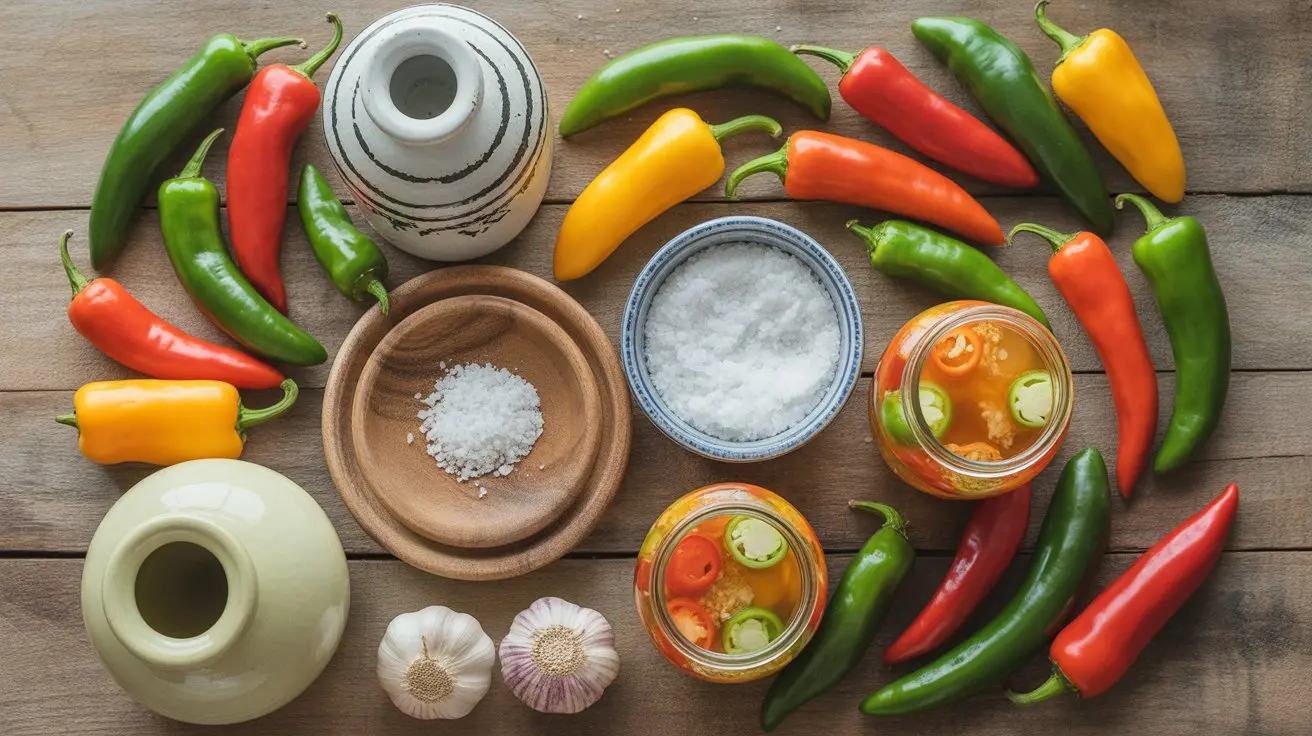
Best Peppers for Fermenting
The best peppers for fermenting include Fresno, tabasco, habanero, and serrano. Ferment times, salt ratios, and outcomes. Find your perfect heat level.

Why Fermentation Changes Everything About Pepper Flavor
Raw hot sauce and fermented hot sauce are fundamentally different products. Fermentation converts sugars into lactic acid, dropping the pH and creating a complex, tangy depth that no amount of vinegar can fake.
The pepper you choose determines the ceiling on that complexity. Thin-walled varieties break down faster and produce cleaner brine. Thick-walled peppers ferment slower but develop richer, more layered flavors over time.
The Science Behind Pepper Fermentation
Lactic acid bacteria (Lactobacillus species) are already present on pepper skins. Add 2-3% salt by weight, submerge the peppers, and those bacteria outcompete everything else, preserving the mash while transforming it.
The capsaicin itself does not degrade significantly during fermentation - the heat stays. What changes is everything around it: sugars, cell walls, aromatic compounds, and pH. Understanding the chemistry and receptor science of capsaicin helps explain why fermented hot sauce often feels less sharp on the palate even at the same SHU level - lactic acid softens the delivery.
Salt ratio is the single most important variable. Too little (below 1.5%) and you risk mold. Too much (above 4%) and you slow or stall the fermentation entirely.
Choosing by Heat Level: Matching Intensity to Your Goal
Before picking a specific variety, decide what heat bracket you are targeting in the finished sauce.
Peppers in the lower end of the mild SHU range - think Anaheim or banana pepper - ferment beautifully but produce a sauce that is more condiment than heat source. Good for everyday use, not for people who want fire.
The medium SHU intensity zone (roughly 2,500-30,000 SHU) is where most classic fermented hot sauces live. Serranos, Fresnos, and similar varieties hit this range and deliver enough heat to matter without overwhelming the fermentation flavors.
If you want something that genuinely bites, the upper-hot SHU intensity band covers habaneros and their relatives. These are excellent fermenters but require more careful handling and shorter ferment times to avoid over-acidification.
The 7 Best Peppers for Fermenting
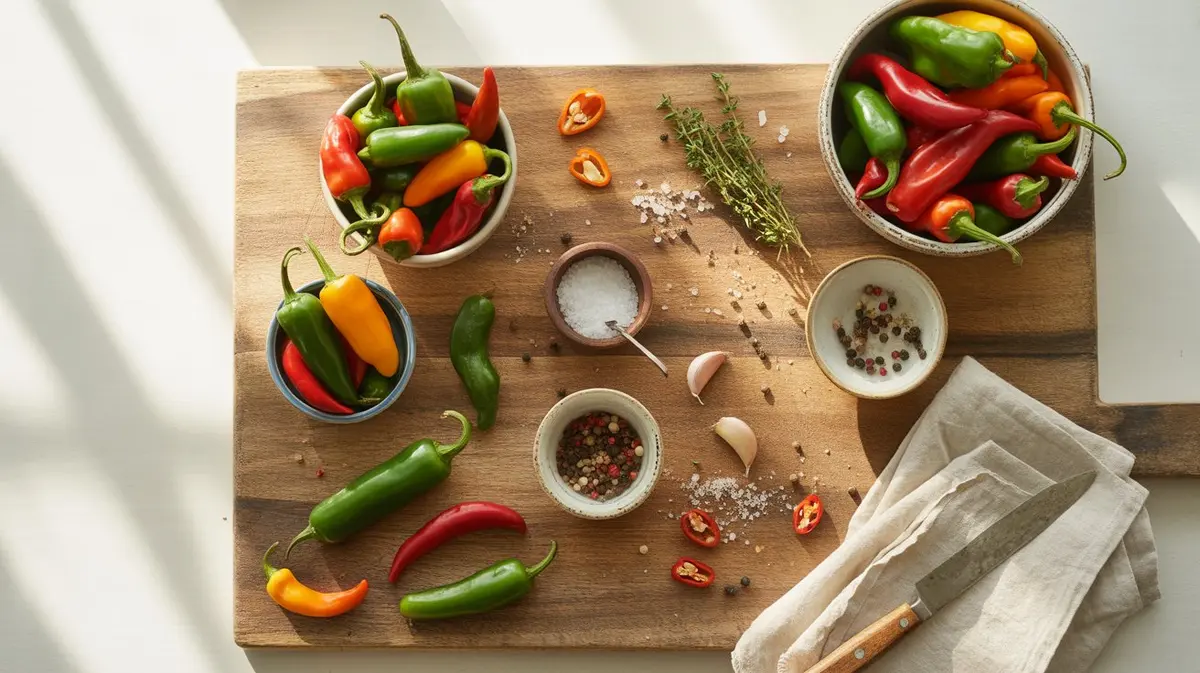
1. Serrano
The serrano is arguably the most forgiving fermentation pepper for home producers. At 10,000-23,000 SHU, it delivers real heat without requiring the protective gear that habanero work demands.
Thin walls mean a 5-7 day ferment at room temperature produces a bright, grassy, acidic mash. Serranos also have excellent natural Lactobacillus populations on their skins, which means fermentation kicks off reliably.
2. Fresno
Red Fresnos bring a fruity sweetness that fermentation amplifies rather than destroys. At 2,500-10,000 SHU, they sit in an accessible heat range while offering more complexity than a standard jalapeño.
The red-ripe stage is ideal for fermenting - higher sugar content means more food for the bacteria and a more developed final flavor. Expect a 7-10 day ferment to reach proper acidity.
3. Tabasco
Capsicum frutescens varieties like the tabasco pepper are built for fermentation - the original Tabasco sauce has used a three-year barrel fermentation process since the 1860s. Most home ferments run 2-4 weeks for similar depth.
At 30,000-50,000 SHU, tabasco peppers are hot enough to produce a sauce with genuine kick. Their thin walls and high moisture content make them fast fermenters with excellent brine production. See the full Capsicum frutescens species profile for related varieties worth trying.
4. Habanero
Habaneros sit in the extra-hot SHU bracket at 100,000-350,000 SHU and their floral, apricot-like aroma survives fermentation better than almost any other high-heat pepper.
The thicker walls mean a longer ferment - 14-21 days is common. Blending habaneros with a lower-heat pepper like Fresno or a mild sweet pepper helps balance the final sauce without losing the habanero character.
5. Aji Amarillo
From Peru's long pepper-growing tradition, the aji amarillo brings a fruity, almost mango-like flavor profile that makes it exceptional for fermented sauces. At 30,000-50,000 SHU, the heat is significant but the flavor is the real story.
It belongs to Capsicum baccatum, a species known for fruit-forward flavor compounds that hold up well through the acidification process. Ferment time runs 10-14 days at 65-75°F for best results.
6. Bird's Eye (Thai Chili)
Small in size, these Capsicum frutescens peppers punch at 50,000-100,000 SHU. Their thin walls and compact structure make them fast fermenters - often ready in 5-7 days.
Bird's eye chilies are central to the Thai pepper tradition and fermented versions appear throughout Southeast Asian condiment culture. Use them straight or as a high-heat blending component.
7. Calabrian Chili
Italy's contribution to the fermented pepper world, the Calabrian chili's medium-hot intensity and fruity oil-rich flesh behaves differently from most fermentation candidates because it is often packed in oil rather than brine.
For water-brine fermentation, use fresh Calabrian chilies at 2% salt and ferment for 10-14 days. The result is a deeply savory, slightly smoky mash that works beautifully in pasta sauces and marinades.
Peppers Worth Adding to Your Fermentation Experiments
Beyond the main seven, several varieties deserve attention from serious fermenters.
The mirasol's bright, tea-like heat character makes it an interesting fermentation subject - it is most commonly dried into the guajillo, but fresh mirasols ferment well at 2,500-5,000 SHU with a clean, slightly fruity result.
From the Mexican pepper tradition, the puya's sharp, cranberry-edged heat (around 5,000-8,000 SHU) adds a distinctive tartness to fermented blends - its natural acidity accelerates fermentation slightly.
The costeno's mild, nutty depth is underused in fermentation circles. At 2,500-5,000 SHU, it produces a gentle, complex brine that works well as a base when blended with hotter varieties.
For something visually striking, the sugar rush stripey's sweet-heat balance adds both color and a moderate burn to mixed ferments. Its high sugar content feeds fermentation bacteria aggressively, which can accelerate the timeline by a day or two.
The aji limo's citrus-forward Peruvian heat (up to 60,000 SHU) brings a lime-like brightness that fermentation preserves surprisingly well. It is one of the few super-aromatic peppers that actually improves with extended fermentation.
Fermentation Technique: Salt Ratios and Timing
The math is straightforward. Weigh your peppers and water combined, then calculate 2-3% of that total weight in non-iodized salt. Iodized salt contains additives that inhibit Lactobacillus activity.
For a simple mash ferment, blend peppers with salt directly - no added water needed. The peppers release enough liquid to create their own brine within 24-48 hours.
For whole or roughly chopped peppers in a jar, mix your salt into filtered or dechlorinated water first, then pour over the peppers. Keep everything submerged using a weight or zip-lock bag filled with brine.
Temperature matters more than most guides admit. 65-75°F is the ideal range. Below 60°F, fermentation slows dramatically. Above 80°F, you risk off-flavors and accelerated mold risk on any exposed surface.
Taste the brine daily after day 3. When it reaches a tartness you like, move the jar to the refrigerator. Cold storage does not stop fermentation entirely but slows it to near-zero.
Thin Wall vs. Thick Wall: A Practical Comparison
Wall thickness affects fermentation speed, final texture, and how much brine the pepper produces naturally.
- Thin-walled peppers (serrano, tabasco, bird's eye): Break down faster, produce more brine, ferment in 5-10 days, yield a looser mash
- Medium-walled peppers (Fresno, aji amarillo, mirasol): Balanced fermentation at 7-14 days, good texture retention, reliable brine production
- Thick-walled peppers (habanero, Calabrian): Slower ferment at 14-21 days, denser mash, richer flavor development, may need added brine
Mixing wall thicknesses in a single ferment is common and often produces better results than using one variety alone. A base of Fresno with 20% habanero is a reliable starting ratio.
Common Fermentation Problems and How to Fix Them
White film on the surface: This is almost always kahm yeast, not mold. It is harmless but can add off-flavors if left too long. Skim it off and ensure peppers remain submerged.
Mold (fuzzy, colored growth): Discard the batch. Mold above the brine line that contacts the peppers is not salvageable. Prevent it by keeping all pepper material fully submerged from day one.
Too sour: Fermented too long or at too high a temperature. Shorten future ferments by 2-3 days, or blend with fresh roasted peppers to balance acidity in the finished sauce.
Building Your Fermented Hot Sauce Blend
Single-pepper ferments are excellent learning tools. Blended ferments are where the real sauce-making begins.
A classic structure: 60-70% base pepper (Fresno, serrano, or costeno for mild-medium sauces), 20-30% flavor pepper (aji amarillo, Calabrian, or aji limo for aroma), and 10-15% heat pepper (habanero, bird's eye, or tabasco for fire).
Ferment the blend together from the start rather than combining finished ferments - the bacteria populations interact and produce more complex flavor compounds when working on multiple pepper varieties simultaneously.
After fermentation, blend the mash with some of its own brine to reach your preferred consistency. Strain for a smooth sauce or leave it chunky. A small addition of apple cider vinegar (roughly 5-10% by volume) after fermentation adds brightness and extends shelf life further.
For deeper context on how heat levels interact in blended sauces, the super-hot pepper intensity spectrum explains why even small percentages of extreme-heat varieties can dominate a blend.
Frequently Asked Questions
-
Use 2-3% salt by total weight of peppers and water combined. Non-iodized salt is essential - iodized salt contains additives that inhibit the Lactobacillus bacteria responsible for fermentation.
-
Thin-walled peppers like serrano and tabasco ferment in 5-10 days. Thicker-walled varieties like habanero need 14-21 days. Temperature matters - 65-75°F is the ideal range for consistent results.
-
Dried peppers do not ferment well because the bacteria on fresh pepper skins drive the process. Rehydrated dried peppers lack viable Lactobacillus populations and produce unreliable, often off-flavored results.
-
Cold temperatures and iodized salt are the two most common causes. Move the jar to a warmer spot above 65°F and verify you used non-iodized salt. Bubbling typically starts within 24-48 hours under proper conditions.
-
Aji amarillo consistently delivers the most layered fermented flavor, with mango and citrus notes that intensify through acidification. Habanero is the runner-up for aromatic complexity, though its heat level requires more careful blending.