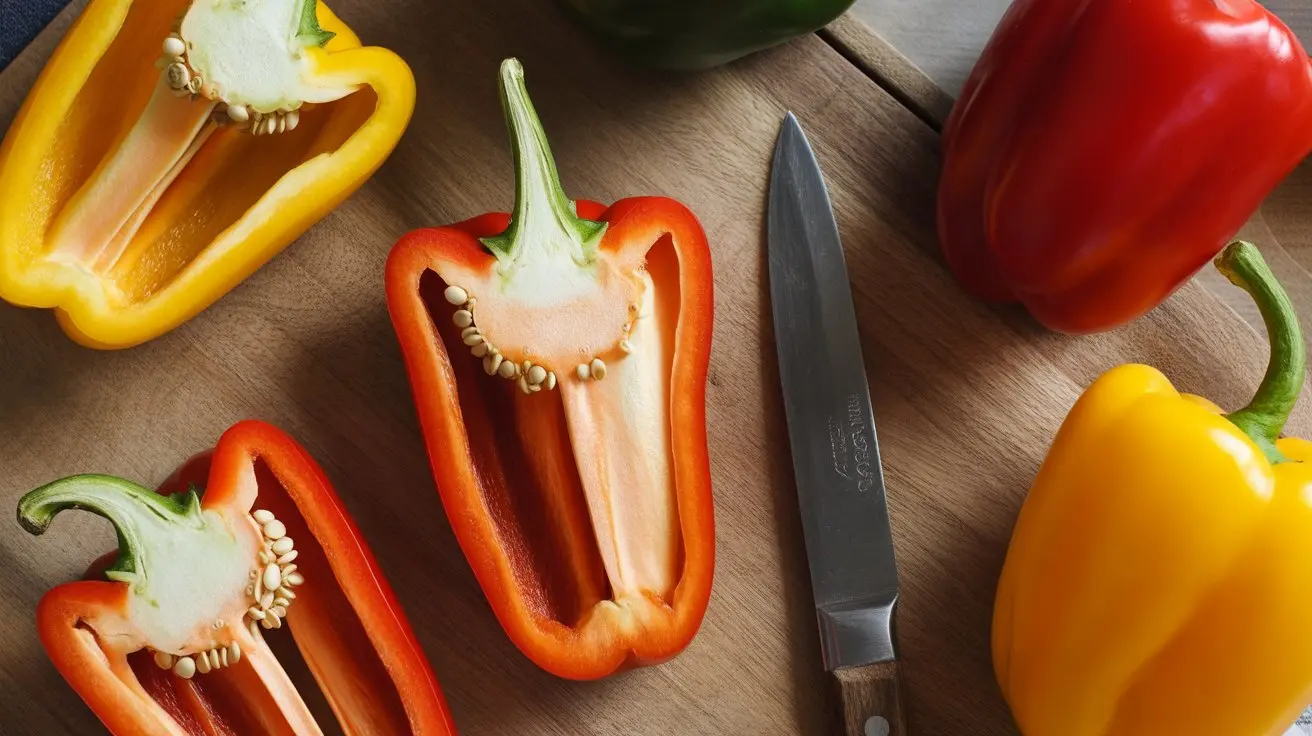
Pepper Anatomy Explained
Parts of a pepper: placenta, seeds, ribs, pericarp. Where the heat actually comes from. Detailed guide with expert tips and practical advice.

The Basic Architecture of a Pepper
Cut any pepper in half and you're looking at a surprisingly organized structure. Every part has a name, a function, and — if you're interested in heat — a specific role in where capsaicin concentrates.
Understanding pepper anatomy isn't just botanical trivia. It changes how you cook, how you control heat, and how you think about the difference between a long, mild-fleshed goat horn and something with a reputation for pain.
The Pericarp: What Most People Call "The Pepper"
The pericarp is the outer wall — the thick, fleshy part you eat. It consists of three layers: the outer skin (exocarp), the middle flesh (mesocarp), and the inner surface (endocarp).
Thickness varies dramatically by variety. Bell peppers have a mesocarp nearly a centimeter thick. Thin-walled varieties like cayenne barely have 2mm of flesh. That difference matters for drying, roasting, and how much water content you're working with.
Capsaicin concentration in the pericarp wall is relatively low — usually the mildest part of the pepper. This is why removing the seeds and ribs doesn't always drop heat as much as people expect; the wall itself contributes real flavor but modest burn.
The Placenta: Ground Zero for Capsaicin
The placenta is the pale, spongy tissue at the top of the pepper's interior, where the stem meets the cavity. It's the most important structure for understanding pepper heat.
Capsaicin is synthesized in specialized cells called capsaicin glands (technically, vesicles) embedded in the placental tissue. The compound doesn't come from the seeds — it comes from this tissue, and it spreads to the seeds through contact.
Research from the Chile Pepper Institute at New Mexico State University confirms that placental tissue consistently shows the highest capsaicin concentration in any pepper. In super-hot varieties, the placenta can be visibly yellow or orange from capsaicinoid saturation.
If you want to reduce heat, removing the placenta (along with the ribs it connects to) is where you get the most return. The chemistry of how capsaicin triggers pain receptors starts right here, in this spongy tissue that most cooks toss without thinking about.
Seeds: Carriers, Not Sources
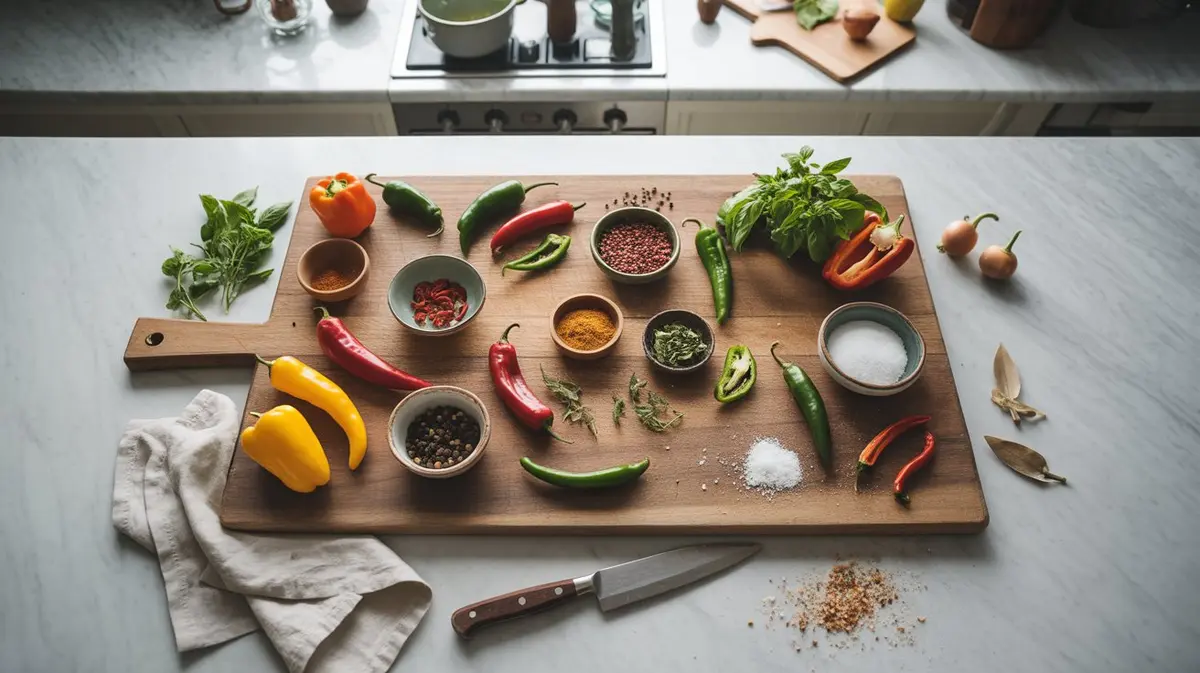
Seeds are botanically the embryo of the next plant — a fertilized ovule encased in a seed coat. They're not where capsaicin originates, but they're often where it ends up.
Because seeds develop in direct contact with the placenta, they absorb capsaicin through their seed coat. The seed coat (testa) can hold significant heat, especially in varieties where the placenta is dense and capsaicin-rich.
Remove the seeds from a habanero and you reduce heat. But the seeds themselves didn't produce that heat — they absorbed it from neighboring tissue. This distinction matters when you're starting seeds for cultivation, because capsaicin content in seeds doesn't affect germination or the heat of the resulting plant.
Seed count varies by species. Capsicum pubescens — the species that includes rocotos — produces distinctive black seeds, one of the most reliable ways to identify that species at a glance.
Ribs and Septa: The Internal Scaffolding
Inside the pepper, white ridges run lengthwise from the stem end toward the tip. These are the ribs (also called septa or dissepiments), and they divide the interior into chambers called locules.
Ribs connect directly to the placenta and carry capsaicin-laden tissue along their length. They're the second-hottest part of most peppers, after the placenta itself.
The number of locules is actually a species-level characteristic. Most Capsicum annuum varieties have two or three locules. Capsicum chinense — the species behind habaneros and the extreme end of the super-hot SHU bracket — often shows more complex internal structure with irregular septa.
When recipes say "remove ribs and seeds," they're really saying "remove the placenta and everything attached to it." The ribs are extensions of the same capsaicin-rich tissue.
The Calyx and Stem
At the top of every pepper, a star-shaped cluster of modified leaves called the calyx holds the fruit to the plant. Below it, the peduncle (stem) connects to the branch.
The calyx is made up of sepals — typically five in most Capsicum species. After flowering, the sepals remain attached to the developing fruit, forming the characteristic cap you see on fresh peppers at the market.
Calyx shape and size varies by species. Capsicum pubescens has a notably large, leafy calyx. Some Capsicum chinense varieties show a distinctive indented or "bonnet" shape at the calyx end — which is exactly how the Scotch bonnet got its name.
The peduncle contains no significant capsaicin. It's structural tissue — vascular bundles that transported water and nutrients to the developing fruit. Some cooks leave it intact during roasting to hold the pepper together; others remove it before processing.
Skin and Surface Characteristics
The outermost layer of the pericarp — the exocarp — is a thin, waxy skin that serves as the pepper's barrier against moisture loss and pathogens.
Wax content varies. Bell peppers have a relatively thick, glossy exocarp. Thin-skinned varieties like serranos have minimal wax. This matters practically: thick-skinned peppers need roasting and peeling before certain preparations; thin-skinned ones can often be used whole.
Color comes from pigments in the exocarp and mesocarp. Unripe peppers are typically green from chlorophyll. As they ripen, chlorophyll breaks down and carotenoid pigments — capsanthin, capsorubin, beta-carotene — take over, producing red, orange, and yellow colors depending on variety.
Surface texture can also be diagnostic. The wrinkled, brain-like exterior of the deeply wrinkled, extreme-heat Brain Strain is a variety-specific trait, not damage or disease.
How Heat Distributes Across the Anatomy
If you ranked pepper parts by capsaicin concentration from highest to lowest, it goes: placenta, ribs, seeds (absorbed), inner pericarp wall, outer flesh, skin.
This gradient matters when you're managing heat in cooking. Slicing a pepper crosswise exposes all zones at once. Splitting it lengthwise lets you scrape the placenta and ribs cleanly. Leaving it whole concentrates heat internally during cooking.
The Scoville heat index measures capsaicin in the whole fruit — a blended, homogenized sample. That means a 100,000 SHU pepper has an average across all tissue, but the placenta alone might test three to five times that figure.
Varieties with dense, fleshy placentas — like the thick-walled, fruity-hot rocoto — carry substantial heat even after seeding. Thin-placenta varieties deliver much more predictable heat reduction when you remove the internal structure.
Anatomy Across Species
The five domesticated Capsicum species share the same basic anatomical plan, but with meaningful variation in proportions and features.
Capsicum annuum dominates commercial production and shows the widest morphological range — from blocky bells to slender cayennes. Internal structure is generally straightforward: two to three locules, moderate placenta, predictable rib layout.
Capsicum frutescens — the tabasco pepper species — tends toward small, upright fruits with thin walls and a high placenta-to-flesh ratio. That anatomy partly explains why even small frutescens fruits can hit the hot SHU tier consistently.
Capsicum baccatum produces fruits with a distinctive annular constriction near the calyx in some varieties, and often shows a more elongated placenta. The aji amarillo is the most familiar example.
The fruity, fiery aji chombo — a Capsicum chinense variety common in Panama — demonstrates the species' typical dense placental structure that makes chinense peppers punch so far above their size.
Why Anatomy Explains Heat Variation Within a Single Plant
Two peppers from the same plant can test differently on the Scoville scale. Anatomy is part of the reason.
Fruit position on the plant affects capsaicin production. Peppers exposed to more sun stress often develop more capsaicin. The placenta in those fruits tends to be denser and more saturated.
Fruit maturity also shifts the internal anatomy. As a pepper ripens, the placenta softens and can shrink slightly, while water content in the pericarp increases. This dilutes the overall capsaicin concentration per gram, which is why fully ripe red peppers of some varieties test slightly milder than their green-stage equivalents — even though the placenta itself still carries the same chemistry.
Extreme varieties like the scorching-hot Komodo Dragon and the brutally potent Naga Viper show almost grotesquely developed placentas — the tissue can occupy a significant fraction of the interior volume, leaving relatively little hollow space.
Practical Applications: Cooking with Anatomy in Mind
Knowing the anatomy changes your technique at the cutting board.
For maximum heat extraction — in a hot sauce or chile oil — split peppers and include all internal tissue. The placenta is your ally. Some hot sauce makers blend whole peppers, seeds and all, specifically to capture every capsaicin-bearing structure.
For controlled heat in a fresh salsa or cooked dish, remove the placenta and ribs first, then decide on seeds separately. A pepper with the placenta removed but seeds intact will still carry absorbed capsaicin on the seed coats — worth knowing if you're cooking for heat-sensitive guests.
Roasting whole peppers concentrates capsaicin in the flesh as water evaporates, making the pericarp taste hotter even though the placenta has been removed. This is why roasted mild peppers can surprise people.
For drying, thin-walled varieties with less mesocarp dehydrate faster and more evenly. The mild SHU end of the spectrum — anchos, pasillas, New Mexico reds — typically has thicker walls that require longer drying times and more careful airflow.
Understanding the internal structure also helps with seed saving. Healthy seeds develop in the upper locules, closest to the placenta. Seeds near the tip of elongated peppers are often less mature and have lower germination rates — worth knowing before you commit a season to a seed-starting program.
Anatomy as a Diagnostic Tool
When a pepper doesn't behave as expected — either hotter or milder than anticipated — internal anatomy gives you a place to look.
An unusually hot batch from a normally medium-heat variety often shows a larger, more developed placenta when you cut it open. Stress conditions during fruit development — drought, high temperatures, nutrient competition — push the plant to produce more capsaicin, and the placenta reflects this visually.
Conversely, overwatered plants or those grown in consistently cool conditions often show thin, pale placentas and seeds that barely cling to the ribs. The resulting fruit tests milder, sometimes dramatically so.
Cross-section examination also helps identify mislabeled peppers. Seed color, locule count, placenta density, and calyx shape are all species-level traits that don't change with growing conditions. A pepper with black seeds is always Capsicum pubescens, regardless of what the label says.
Frequently Asked Questions
-
Yes. The placenta — the spongy white tissue at the stem end of the interior — contains the highest concentration of capsaicin glands in the fruit. Seeds absorb capsaicin through contact with the placenta but don't produce it themselves.
-
Seeds don't synthesize capsaicin, but they absorb it from the placental tissue they develop against. The seed coat holds that absorbed heat, which is why removing seeds reduces burn — even though they weren't the original source.
-
The pericarp wall itself contains low but real levels of capsaicin, and if the placenta was particularly dense, some capsaicin migrates into the flesh. In very hot varieties, even thorough deseeding leaves residual heat in the fruit wall.
-
Locule count — the number of internal chambers — is a species-level trait. Most Capsicum annuum varieties have two to three locules. Capsicum chinense often shows more irregular internal structure. It's a useful identification marker alongside seed color and calyx shape.
-
Fruit position, sun exposure, and water stress during development all affect capsaicin production. Peppers under more environmental stress develop denser placentas and higher capsaicin levels, so two fruits from the same plant can genuinely differ on the Scoville scale.