
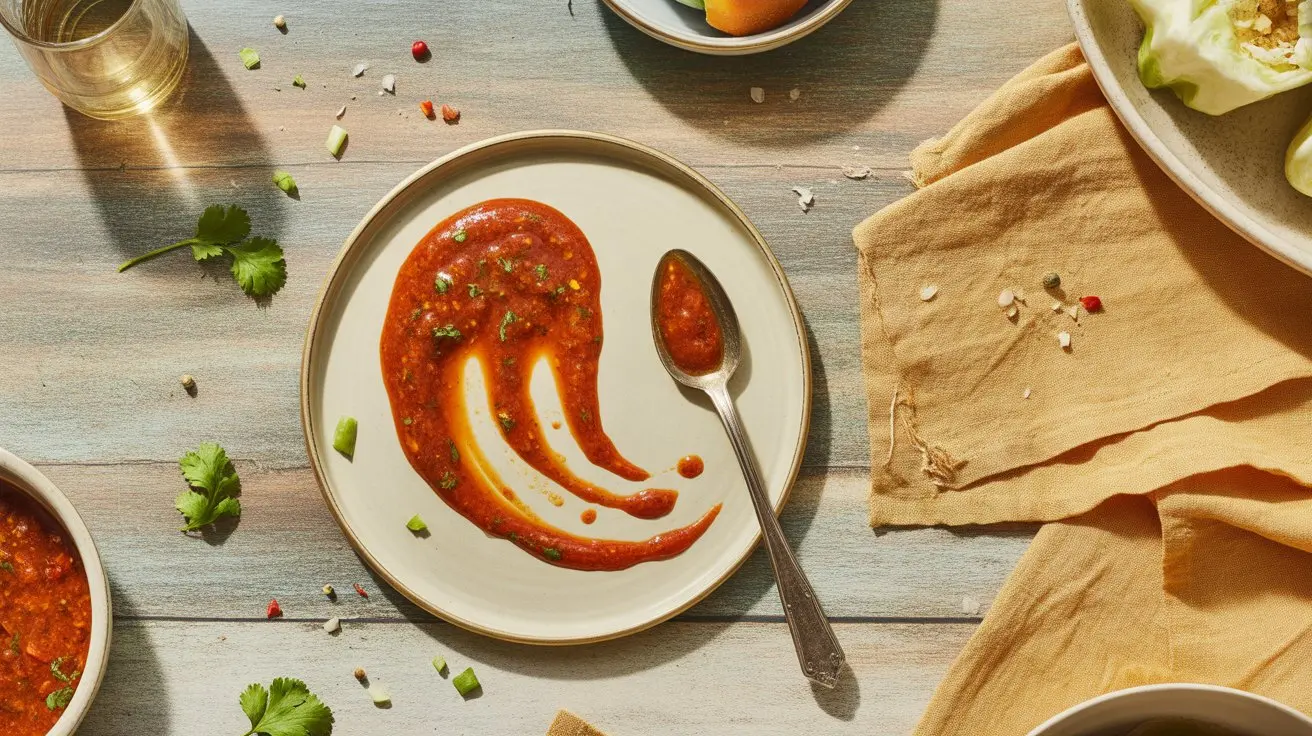
Homemade Hot Sauce
Simple vinegar-based hot sauce with fresh peppers. Choose your heat level from mild jalapeño to scorching habanero. Find your perfect heat level.

Why Make Your Own Hot Sauce?
Store-bought hot sauces are fine, but once you make a batch from scratch, the gap becomes obvious. You control the heat, the vinegar ratio, the salt - everything. A homemade sauce built around fresh jalapeños with their grassy, bright bite tastes nothing like one built around the fruity, face-melting heat of a habanero, and you can tune either direction exactly to your preference.
This guide covers a foundational vinegar-based hot sauce that works with almost any fresh pepper. Master the base, then swap peppers to shift heat and flavor entirely.
Choosing Your Peppers
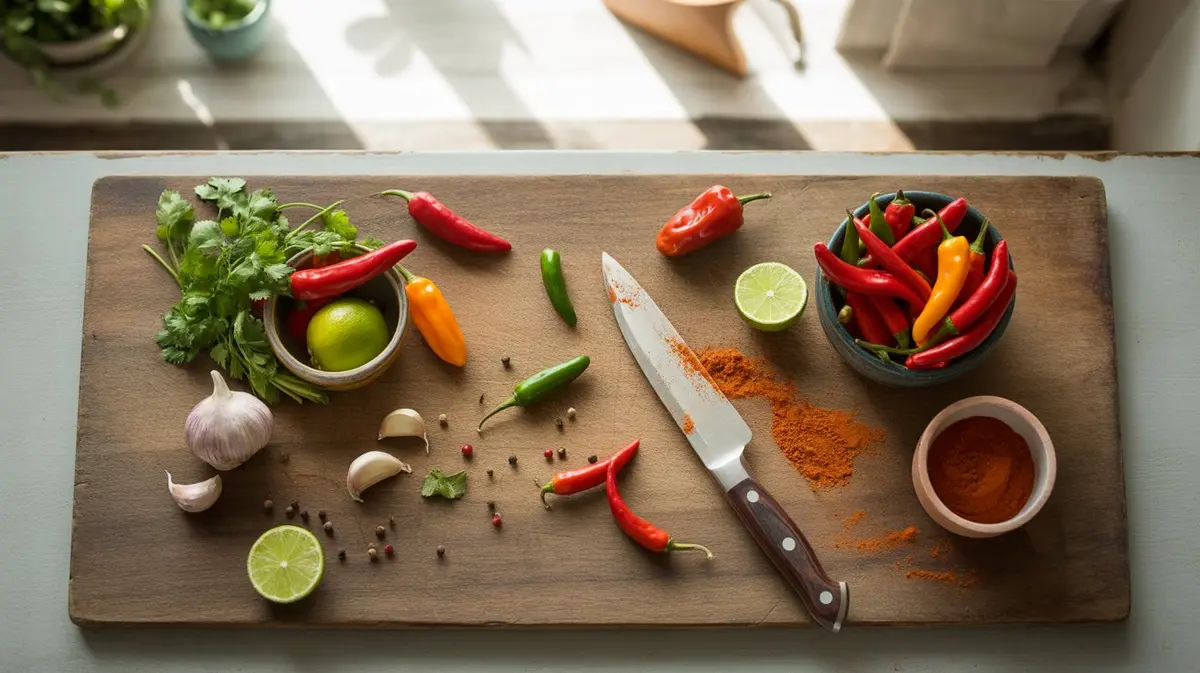
The pepper you pick determines everything. Heat, color, flavor profile - it all starts here. A few reliable options organized by intensity:
- Mild route: Anaheim or poblano peppers sit in the mild heat tier (roughly 500-2,500 SHU), producing a sauce with body and flavor but almost no burn. Good entry point for heat-sensitive households.
- Medium route: Jalapeños (2,500-8,000 SHU) give you that familiar green heat. Serranos push higher and add a sharper edge. Both land in the medium heat range and make crowd-pleasing sauces.
- Hot route: Cayenne and Thai chilis belong to the hot pepper category - cayenne runs 30,000-50,000 SHU, which is roughly 15-20 times hotter than a typical Anaheim. These produce a thinner, sharper sauce with real fire.
- Extra-hot route: Habaneros and Scotch Bonnets hit the extra-hot tier at 100,000-350,000 SHU. The habanero's tropical, citrusy burn makes a distinctly fruity sauce that sneaks up on you.
- Super-hot route: Ghost peppers, Carolina Reapers, and their relatives occupy the super-hot end of the scale. Use sparingly - a single ghost pepper can heat a full quart of sauce to near-inedible levels for most people.
For a first batch, a 50/50 mix of jalapeños and serranos hits a sweet spot - recognizable heat without overwhelming anyone at the table.
Equipment You Need
- Medium saucepan
- Blender or immersion blender
- Fine mesh strainer (optional, for smoother texture)
- Glass bottles or mason jars for storage
- Gloves - non-negotiable if working with habaneros or hotter
Wear gloves. Capsaicin binds to skin receptors and doesn't wash off easily with water - the TRPV1 response that creates the burn sensation is a chemical reaction, not a temperature reading, and soap is your best defense after handling cut peppers.
Technique Tips
Vinegar selection matters more than people think. Distilled white vinegar is sharp and clean - it lets pepper flavor come through without competing. Apple cider vinegar adds a mild sweetness and works especially well with fruit-forward peppers like habaneros. Red wine vinegar suits roasted red pepper sauces. Match your vinegar to your pepper's flavor profile.
The vinegar-to-pepper ratio is what determines shelf stability. This recipe runs roughly 60% vinegar by volume, which creates an acidic enough environment to inhibit bacterial growth. If you reduce vinegar significantly for a milder flavor, treat the sauce as a fresh condiment and use it within a week.
Roasting peppers before simmering adds a smoky depth that raw sauces lack. Char them directly over a gas burner or under the broiler until blistered, then proceed with the recipe. The flavor shift is significant - roasted habanero sauce tastes almost completely different from a fresh-pepper version.
For a fermented hot sauce instead of vinegar-based, skip the vinegar entirely and pack raw peppers, garlic, and salt (2% salt by weight) into a jar. Leave at room temperature for 5-7 days, then blend. The process builds complexity that vinegar shortcuts can't replicate - it's worth trying after you've made the quick version a few times. The step-by-step fermentation process is different enough from this recipe to deserve its own approach.
Variations by Pepper Type
The base recipe adapts to almost any fresh pepper. Here are a few directions worth exploring:
- Classic Louisiana-style: Use cayenne's sharp, linear heat with white vinegar and salt only. Thin consistency, high acid, very close to commercial Louisiana hot sauces.
- Mexican-style salsa picante: Serranos or serrano's clean, grassy intensity with white onion, garlic, and a squeeze of lime. The Mexican pepper tradition often keeps the ingredient list short and the heat direct.
- Caribbean-style habanero: Habaneros blended with mango, lime juice, and a touch of honey. The Caribbean pepper tradition - particularly Scotch Bonnet's fruity, aromatic punch - pairs heat with sweetness in a way that changes how the burn registers.
- Thai-inspired chili sauce: Bird's eye chilis from Thailand's fiery chili tradition blended with fish sauce instead of salt, garlic, and a little palm sugar. Different acid profile, different heat delivery.
- Roasted red pepper base: Use a mix of red bell peppers and a few cayennes. Roast everything, then blend with red wine vinegar. Mild enough for people who don't usually like hot sauce.
- Ghost pepper concentrate: One or two ghost peppers blended into the base recipe with mostly Anaheims. You get the ghost pepper's delayed, deep-tissue heat without making something completely undrinkable. Useful for blending into other sauces a tablespoon at a time.
Heat Level Calibration
If your sauce came out hotter than expected, blend in roasted red bell pepper or carrot to dilute without thinning the texture. Adding more vinegar will also cut perceived heat but changes the flavor balance.
If it's not hot enough, you have two options: add a small amount of a hotter pepper (a single habanero added to a jalapeño batch makes a noticeable difference) or add a pinch of cayenne powder to boost heat without changing the fresh-pepper character significantly.
Understanding the Scoville scale's measurement method helps here - SHU values aren't perfectly predictive because capsaicin content varies by growing conditions, ripeness, and individual pepper variation. A jalapeño grown in dry, stressful conditions can be noticeably hotter than one grown with abundant water.
If you grow your own peppers, heat intensity is partly controllable. Stressing plants by reducing water in the final weeks before harvest increases capsaicin concentration. The indoor seed-starting guide covers timing and stress techniques that affect final heat levels.
Storage and Shelf Life
Properly acidified vinegar-based hot sauce keeps in the refrigerator for 3-4 months. The vinegar acts as a preservative, but freshness degrades over time - flavor is best in the first 6-8 weeks.
For longer storage, process filled jars in a boiling water bath for 10 minutes. Properly sealed jars store at room temperature for up to a year. Once opened, refrigerate and use within 3 months.
Signs a sauce has turned: mold visible at the surface, off smell, or significant color darkening. A well-acidified sauce rarely spoils before flavor degrades, but always check before using anything stored longer than 4 months.
Glass bottles with flip-top caps or repurposed commercial hot sauce bottles work well. Avoid metal lids with prolonged vinegar contact - they corrode and can affect flavor.
Serving Suggestions
A vinegar-based hot sauce this thin is designed to be shaken or drizzled, not spooned. It works as a finishing sauce - added at the table rather than cooked in. Heat destroys some of the volatile aromatics that make fresh-pepper sauces interesting, so use it raw when possible.
Eggs, tacos, grilled fish, roasted vegetables, rice and beans - the list of things that improve with a few dashes of homemade hot sauce is essentially endless. A habanero-mango version over vanilla ice cream is genuinely worth trying if you have a batch on hand.
Chef's Tip: The Resting Period
Patience is an ingredient. After mixing, let the dish rest for 10–15 minutes before serving. This allows the flavours to meld and the seasoning to fully penetrate. If making ahead, refrigerate and bring to room temperature before serving.
Shopping List
-
8 oz (about 6-8 medium) fresh hot peppersstems removed, roughly chopped
-
4 cloves garlicpeeled
-
1 small white onionroughly chopped
-
3/4 cup distilled white vinegar
-
1/4 cup water
-
1 tsp kosher salt
-
1 tsp sugar (optional)
-
1 tbsp neutral oil
-
Juice of 1 lime (optional)
Full Recipe Instructions
Remove stems from…
Remove stems from peppers. Leave seeds in for full heat or scrape out to reduce intensity. Rough chop peppers, onion, and garlic.
Heat a medium…
Heat a medium saucepan over medium heat. Add onion and garlic with oil. Saute for 4-5 minutes until softened and lightly colored.
Add chopped peppers…
Add chopped peppers to the pan. Pour in vinegar and water. Bring to a gentle simmer.
Simmer for 10-12…
Simmer for 10-12 minutes until peppers are fully softened and flavors have melded. Keep face away from steam.
Remove from heat…
Remove from heat and let cool for 5-10 minutes before blending.
Blend on high…
Blend on high for 60-90 seconds until completely smooth. Use an immersion blender in the pot or fill a standard blender no more than halfway and hold lid down firmly.
Strain through a…
Strain through a fine mesh strainer for a smooth sauce, or leave unstrained for more body and texture.
Taste and adjust…
Taste and adjust with salt, sugar, or lime juice. Thin with water or vinegar if needed.
Pour into clean…
Pour into clean glass bottles or jars. Refrigerate. Sauce is ready immediately but improves after 24-48 hours.
Frequently Asked Questions
-
Yes, rehydrate dried peppers in hot water for 20-30 minutes before using. Dried peppers produce a darker, more concentrated sauce with earthier flavor than fresh-pepper versions. Reduce added water slightly since rehydrated peppers carry more moisture.
-
Add a small amount of sugar or a roasted carrot to the blend - carrot adds body and natural sweetness that softens sharp vinegar edges without compromising preservation. A teaspoon of honey also works well, especially with fruit-forward peppers like habanero.
-
Separation is normal in homemade sauces without emulsifiers or stabilizers. Shake before using. If you want a more stable emulsion, blend in a small amount of roasted carrot or xanthan gum (1/8 tsp per cup of sauce) during the blending step.
-
Vinegar-based sauces with sufficient acidity (pH 4.6 or below) are safe for water-bath canning. This recipe's 3/4 cup vin
More Recipes
View allFresh Salsa Recipe
Restaurant-quality fresh salsa in 10 minutes. Proper tomato prep, right jalapeño amount, and the secret to balanced flavor. Find your perfect heat level.
Jalapeno Poppers Recipe
Classic cream cheese stuffed jalapeño poppers that are crispy outside, creamy inside. Find your perfect heat level.
Pickled Jalapenos Recipe
Two methods: 10-minute quick pickle and proper fermented. Both stay crispy. Find your perfect heat level.
Stuffed Peppers Recipe
Classic stuffed peppers with rice and meat, plus vegetarian and Mexican variations. Covers bell peppers, poblanos, and which peppers stuff best.