Culinary Writer & Recipe Developer•Updated Feb 18, 2026•
Reviewed by
Karen Liu
Quick Summary
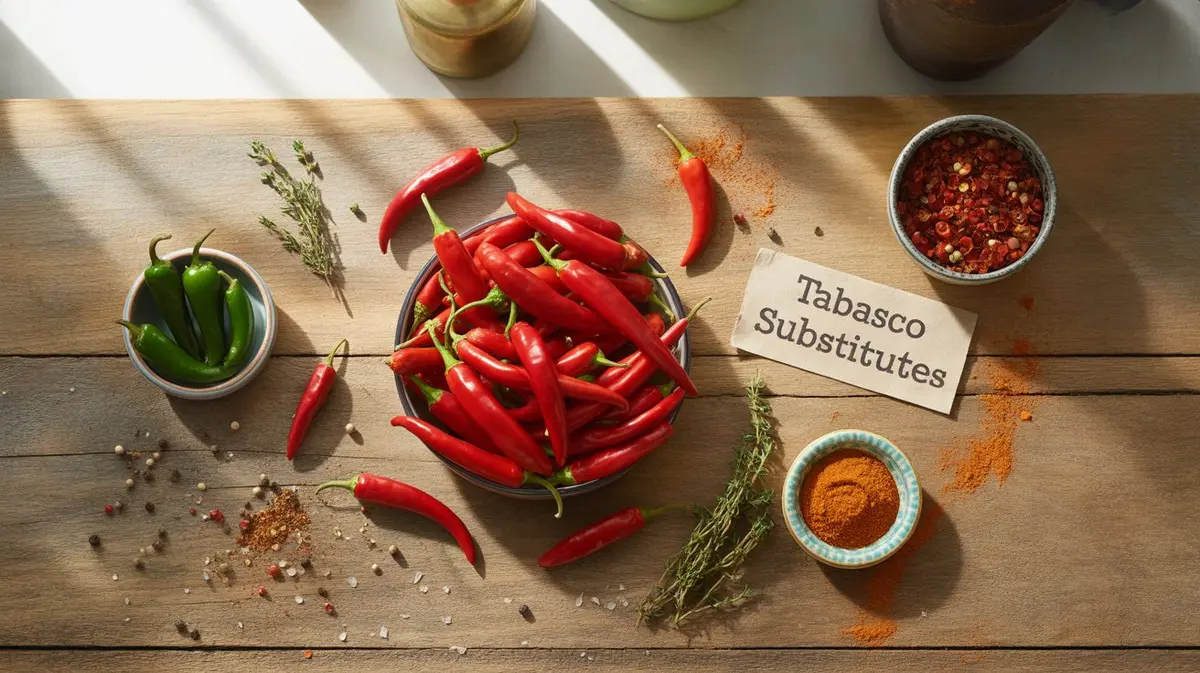
Tabasco peppers bring a distinctive tangy heat and thin-walled juiciness that makes them almost irreplaceable in hot sauce work — but when fresh or dried Tabascos aren't available, several peppers can step in without wrecking your recipe. The right substitute depends on whether you need the heat, the flavor, or both, so the ranked options below are ordered by how closely they replicate the full Tabasco experience.
These alternatives are ranked by how closely they match Tabasco Pepper’s heat level and flavor profile. Use the conversion ratios to adjust quantities in your recipe.
#1
Malagueta Pepper Closest Match
The small Brazilian pepper prized in churrascaria cooking is the closest structural and flavor match for Tabasco. Malagueta peppers share the same thin walls, bright acidic bite, and sharp fruity finish. Use them 1:1 by count in any recipe — fresh, pickled, or fermented into hot sauce. They thrive in vinegar-based preparations the same way Tabascos do, making them the top pick when you want minimal recipe adjustment.
#2
Prik Kee Noo Runner-Up
Thailand's tiny bird pepper with an aggressive upfront punch brings serious heat and a grassy, almost citrusy sharpness. The walls are slightly thicker than Tabasco but still thin enough for sauce work. Start with a 0.75:1 ratio (three-quarters the amount called for) and taste as you go — prik kee noo can run hotter depending on the batch. It performs especially well in stir-fry applications and fresh salsas where Tabasco peppers would have been used whole.
#3
Guntur Sannam Also Great
From Andhra Pradesh, the dried red chili central to South Indian spice blends works beautifully as a Tabasco stand-in in cooked and dried applications. The flavor is earthy and moderately fruity with a clean, building heat. Rehydrate dried Guntur Sannam and use a 1:1 ratio in sauces, or use the powder at half the volume of dried Tabasco flakes. It won't replicate the tangy vinegar character but delivers comparable heat intensity with a distinct regional personality.
#4
Lumbre
The high-heat New Mexican cultivar bred for drying and grinding offers a smoky-sweet pepper base with real fire. It's thicker-walled than Tabasco, so it's better suited to cooked sauces and stews than fresh applications. Use 1:1 by weight in dried or powdered form. Lumbre's flavor skews more toward roasted red pepper than the vinegary sharpness of Tabasco, so consider adding a small splash of white wine vinegar to bridge the gap in hot sauce recipes.
#5
Rocotillo
The Caribbean-origin pepper with a mild, fruity sweetness sits on the cooler end of this list but earns its place for recipes where the Tabasco pepper's flavor mattered more than its heat. Rocotillo brings a bright, almost floral fruitiness with very little burn. Use 1.5:1 (a third more than the recipe calls for) to compensate for the lower heat output. It's the right call for salsas, ceviche, and dishes where you want pepper character without overwhelming fire.
#6
Bell Pepper
For anyone cooking for heat-sensitive guests, the sweet crisp pepper found in every grocery store handles the structural role of Tabasco in cooked dishes without any burn at all. Bell peppers bring zero heat but deliver body, color, and a clean vegetal sweetness. Use 2:1 by volume to maintain the pepper presence in the dish, and add a pinch of cayenne or a dash of hot sauce separately if some warmth is needed. Best in stews, rice dishes, and stuffed pepper applications.
#7
Habanada
The seedless heatless pepper bred from habanero stock is a specialized substitute for recipes where Tabasco's fruity tropical undertone matters but heat does not. Habanada delivers genuine habanero aromatics — floral, citrus-forward, almost apricot-like — without capsaicin. Use 1:1 by count in fresh preparations. This is a niche swap, best suited to ceviche, fruit salsas, or fermented pepper pastes where you're building flavor complexity rather than heat.
NuMex Joe E. Parker looks like a reasonable swap on paper — it's a New Mexican Anaheim-type with decent pepper flavor — but its thick walls and low heat make it a poor match for Tabasco's thin-skinned, punchy character. It turns mushy in hot sauce fermentation and lacks the acidic snap that defines Tabasco-based condiments.
NuMex Heritage Big Jim runs into the same problem at larger scale. It's an excellent roasting pepper, but its mild heat and substantial flesh make it better suited to stuffing and grilling than replacing a small, fiery, thin-walled pepper in sauce work. The flavor profile skews toward sweet roasted vegetable rather than bright chili heat.
Sichuan pepper occasionally appears on substitute lists because of its heat association, but it's not even in the same botanical family — it's a citrus relative (Zanthoxylum) that produces a numbing tingle rather than capsaicin burn. Using it as a Tabasco substitute will produce a completely different sensory experience that confuses rather than complements most recipes.
Fact-Checked & Expert Reviewed
Editorial Standards: All facts verified against authoritative sources. Content reviewed by subject matter experts before publication.
Review Process:
Written by
Sofia Torres
(Lead Culinary Reviewer)
, reviewed by
Karen Liu
(Lead Fact-Checker & Science Editor)
. Last updated February 18, 2026.
Cayenne is a workable substitute in dried or powdered form, though the flavor differs — cayenne runs drier and less tangy than fresh Tabasco. For a side-by-side look at how the two peppers compare in sauce applications, the heat and flavor matchup between cayenne and Tabasco breaks down the key differences. Use about three-quarters the amount of cayenne powder compared to dried Tabasco to avoid overshooting the heat.
Both peppers occupy a similar heat band, but Thai chilies tend to run slightly hotter with a sharper, more immediate burn. The side-by-side rating comparison of Tabasco versus Thai chili covers the full breakdown including flavor differences and cooking applications. For direct substitution, start at a 0.75:1 ratio of Thai chili to Tabasco and adjust from there.
Malagueta pepper is the strongest choice for fermentation — its thin walls, similar moisture content, and acidic flavor profile behave almost identically to Tabasco during lacto-fermentation. Prik kee noo is a close second if you want a slightly more aggressive heat level in the finished sauce. Both substitute at a 1:1 ratio by weight.
Habanada is the best option if you want fruity pepper complexity without any burn — it was bred specifically to carry habanero aromatics without capsaicin, and those floral, citrusy notes overlap with Tabasco's brighter flavor characteristics. Bell pepper works if you just need pepper body and color in a cooked dish, though it won't contribute much flavor complexity on its own.