What Is the Best Cherry Pepper Substitute for Your Dish?
Use sweet piquanté peppers for a drained, sweet-tangy antipasto bite, pimento for a mild fresh cup, and pepperoncini when sliced briny garnish matters more than round shape. Match the pepper's job and prepared amount before correcting sweetness, acid, or heat.
What job does the cherry pepper perform?
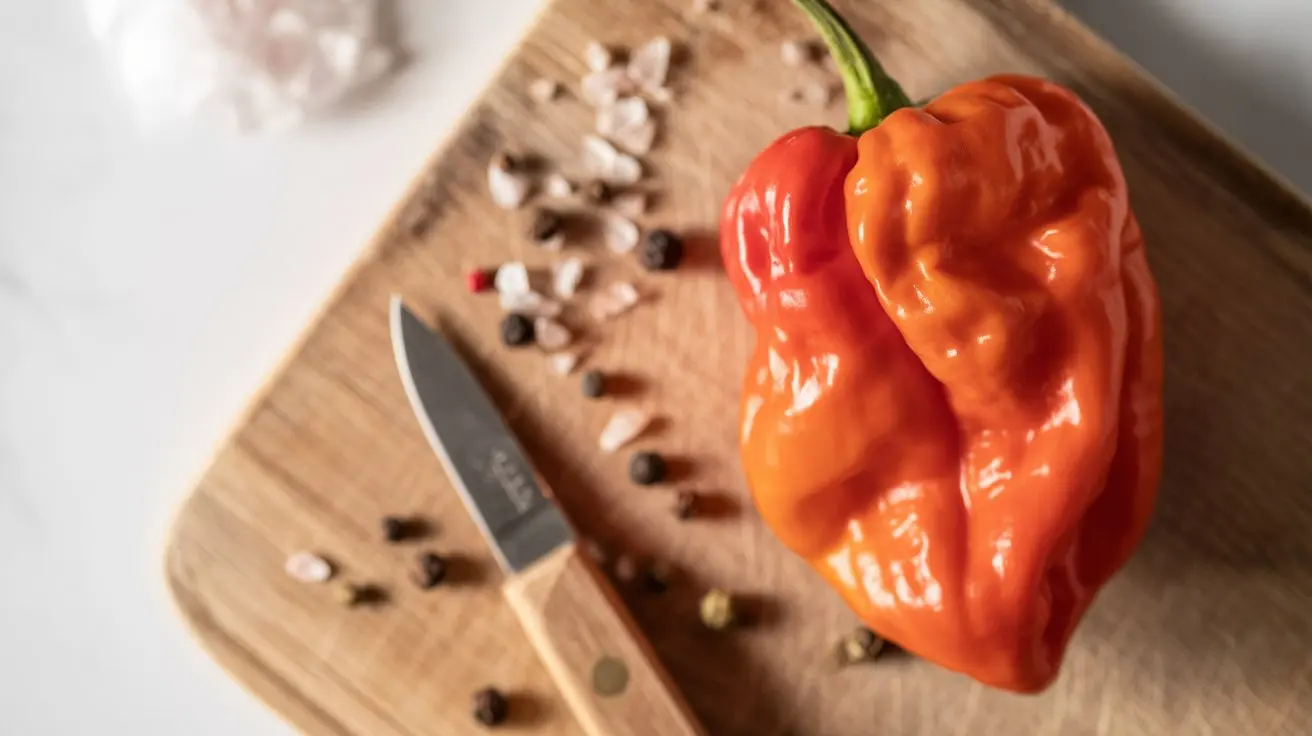
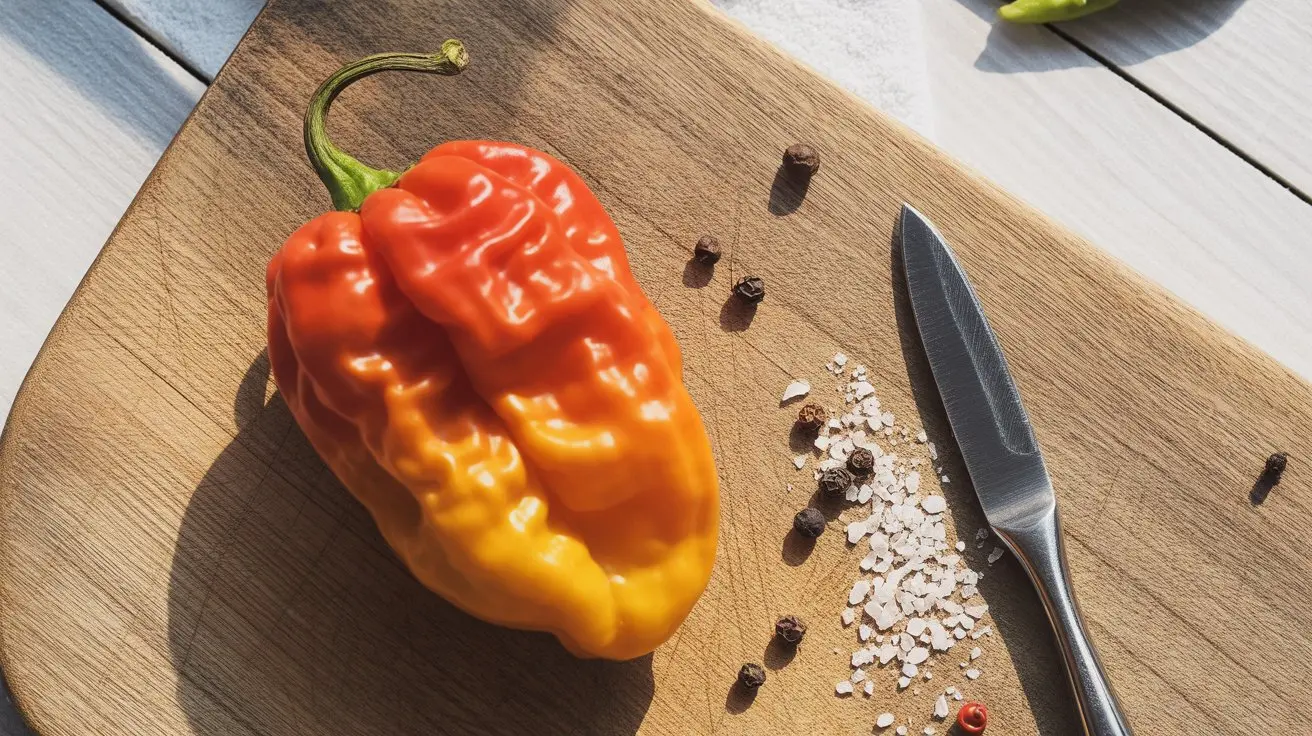
Choose by shape and preparation before heat. A round cherry pepper can be a hollow appetizer cup, a sweet pickled bite, a sliced sandwich garnish, or chopped red pepper body, and one replacement cannot preserve all four jobs equally.
The diagram separates those uses before any conversion.
It also prevents a common mistake in which extra vinegar is added to a dish that already receives a jarred, sweetened substitute.
What should the substitute preserve?
Cherry peppers belong to a round-fruited group of Capsicum annuum, according to NC State Extension.
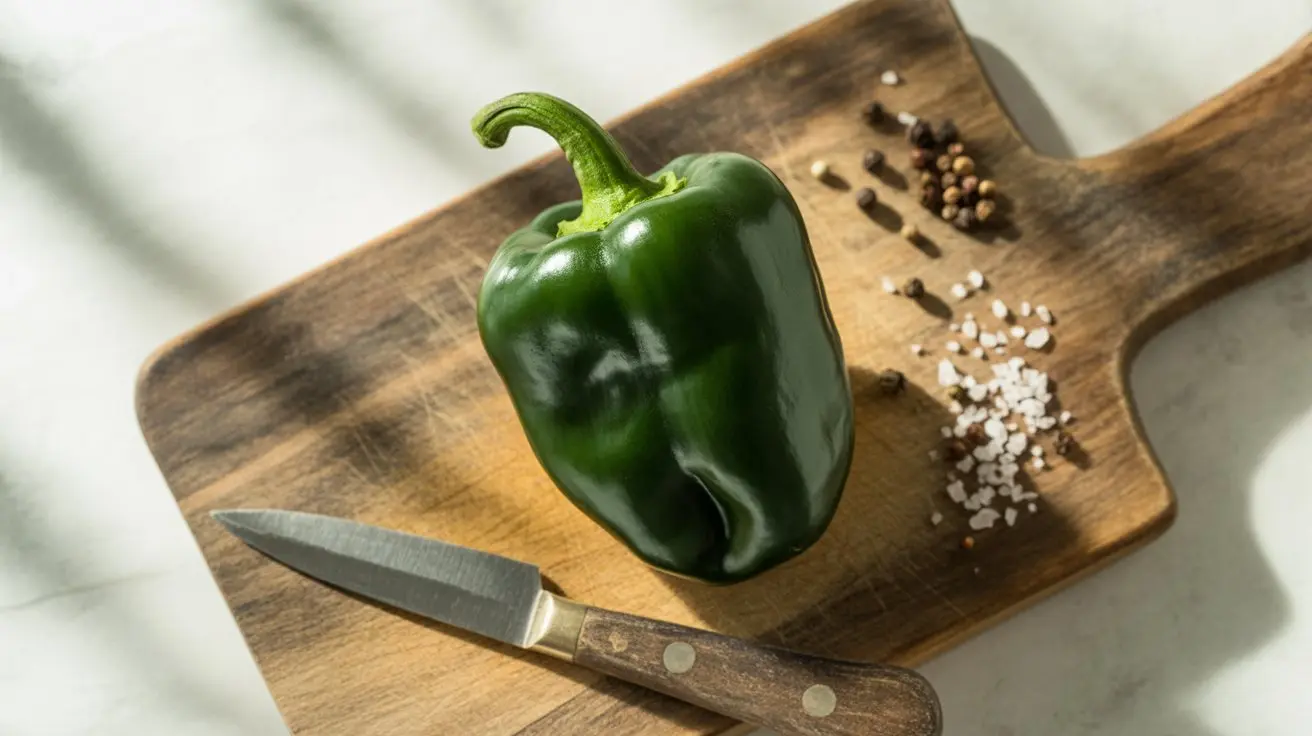
Their useful kitchen identity comes from a compact cavity, fleshy wall, red color, and a bite that is usually gentler than medium-hot green chiles.
A jar adds another trait bundle. Salt, acid, sugar, and firming treatment can matter more than the raw cultivar once the pepper becomes an antipasto ingredient.
| Recipe clue | Preserve first | Correct later |
|---|---|---|
| Whole stuffed pepper | Cavity and wall strength | Brine, sweetness, heat |
| Antipasto or cheese board | Drained sweet-tangy bite | Salt and oil |
| Sandwich or salad | Slice size and acidity | Color and heat |
| Cooked filling or spread | Prepared red pepper amount | Moisture and seasoning |
Preserve the physical job first. A similar Scoville number cannot make a long thin pod hold cheese like a round pepper cup.
Which cherry pepper substitute fits the dish?
Sweet piquanté peppers for antipasto and stuffing
Closest MatchPEPPADEW sweet piquanté peppers are the closest ready-to-use choice when the missing cherry pepper was jarred, hollow, sweet-tangy, and served whole. The manufacturer identifies PEPPADEW as a brand, not another name for cherry pepper, and describes its whole product as de-cored and suited to stuffing.
The flavor is usually sweeter and more deliberately balanced by brine than an ordinary jar of hot cherry peppers. Drain well, then use one similarly sized hollow pepper per appetizer or equal drained sliced volume in antipasto and pasta salad.
Pimento for a mild fresh cup or cooked filling
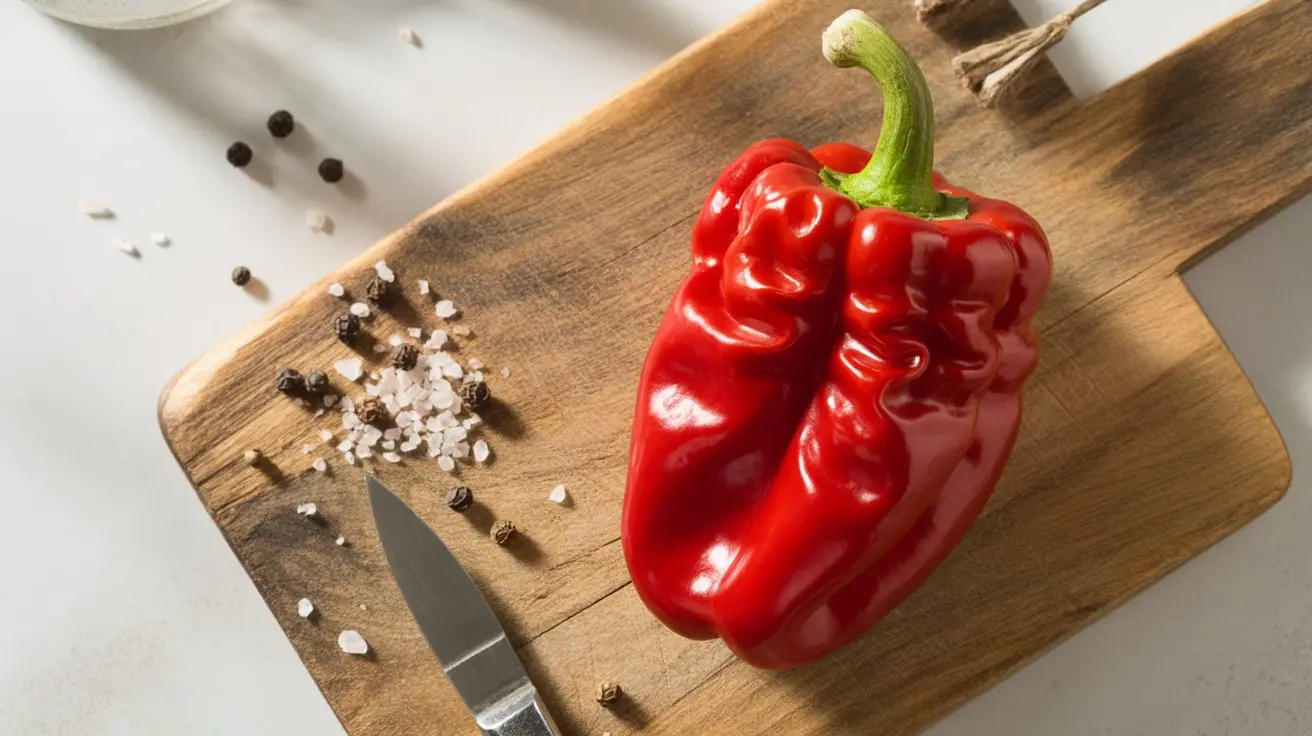
Runner-UpPimento preserves red sweetness and fleshy pepper body when brine is not the main attraction. A small fruit can hold filling, while larger pieces work in cheese spreads, rice mixtures, baked pasta, and warm dips.
Its shape and size vary more than a jar of uniform appetizer peppers, so match prepared weight for chopped uses. Add a teaspoon of reserved mild brine only after tasting if the original dish depended on pickled tang.
Pepperoncini for a sliced briny garnish
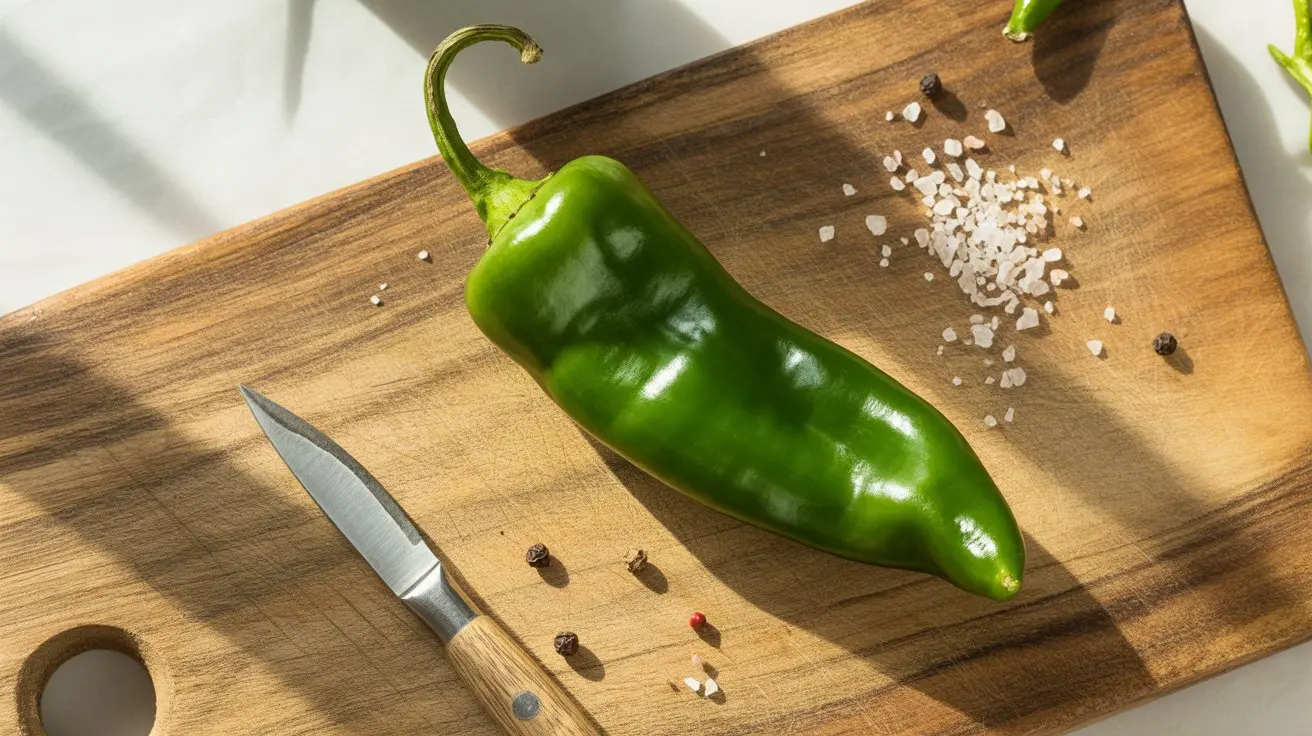
Also GreatPepperoncini fits sandwiches, chopped salads, pizza, and antipasto bowls when acidity and a tender pickled bite matter more than a round red shape. Its long pod collapses around a filling, so it is a garnish substitute rather than a stuffing substitute.
Use equal drained sliced volume and reduce other acidic garnishes only if the finished bite becomes too sharp. Expect a paler color and a narrower ring that distributes more evenly through a sandwich.
Mini sweet peppers for fresh crunch
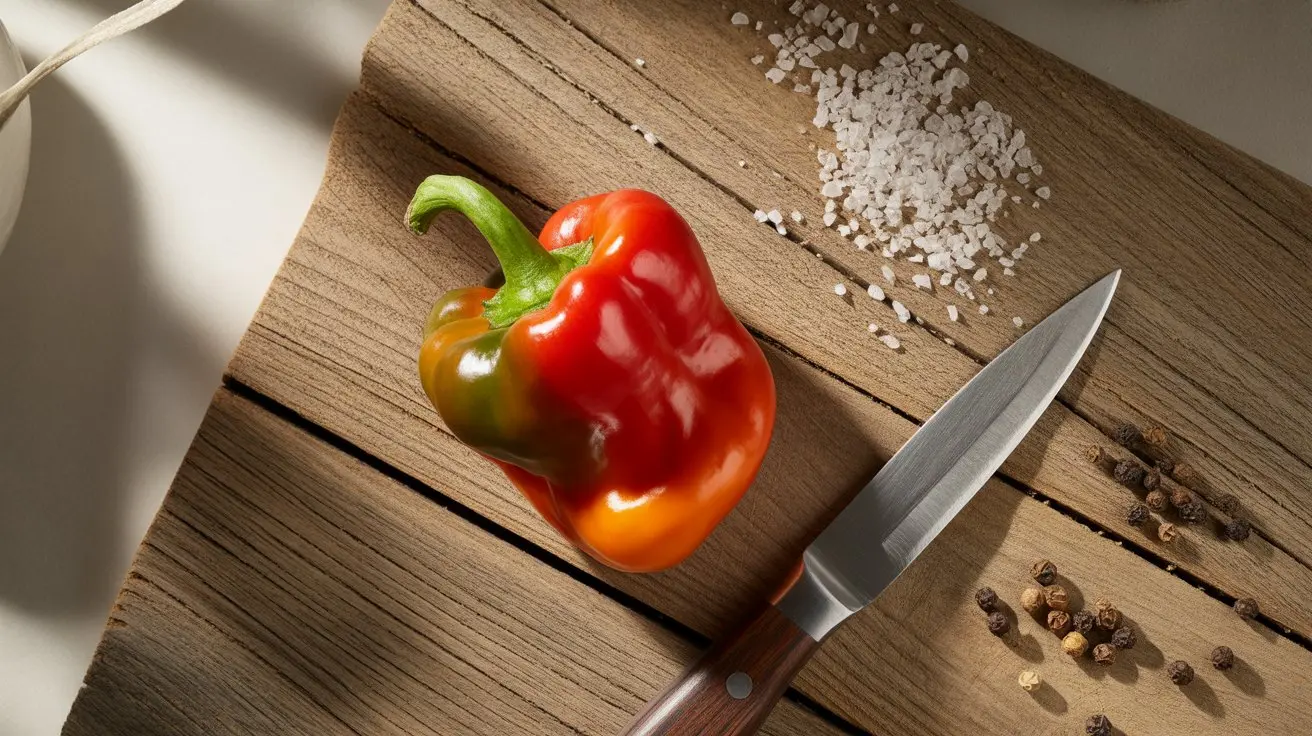
Mini sweet peppers are the easiest supermarket option when a fresh salad, omelet, salsa, or uncooked filling needs crisp red pepper without meaningful heat. Their elongated cavity changes presentation, but their firm wall can preserve the fresh snap that a roasted or jarred substitute loses.
Use equal chopped volume after removing the stem and core. For an antipasto-style dish, add vinegar to the dressing rather than soaking the pieces until their texture turns soft.
Banana pepper for sandwiches and pizza
Banana pepper works when the cherry pepper was already sliced and the dish needs a mild pickled topping. Its pale curved rings suit hoagies, burgers, pizza, and chopped relish, but they cannot recreate a red round centerpiece.
Use equal drained sliced volume. Taste the full sandwich before adding more vinegar because the banana-pepper brine, cheese, cured meat, and dressing can stack acidity quickly.
How do the drained shapes compare?
The substitution changes as soon as the peppers are opened and drained.
Sweet piquanté peppers keep a compact hollow cavity, pimento creates broader pieces, and pepperoncini produces thin rings rather than a stable cup.
Pat jarred peppers dry before comparing them with fresh ones. Surface brine exaggerates weight and can loosen a cheese filling before the pepper itself has a chance to fail.
- For stuffing: inspect the cavity and any split near the opening.
- For garnish: compare one finished bite, not one whole pod.
- For a spread: chop first, then measure the usable pepper.
- For a cold platter: taste the drained brine level before adding olives or cured meat.

How should you measure and correct the swap?
Pod count works only when the cavity is the serving unit.
For chopped, sliced, or blended uses, drained volume or prepared weight gives a more repeatable starting point because fruit size and retained brine vary.
Make one correction at a time after the pepper is in the dish. Adding vinegar, sugar, salt, and chile powder together makes it impossible to tell which trait was actually missing.
| Use | Starting unit | Compare after preparation |
|---|---|---|
| Stuffed appetizer | One stable cavity per serving | Opening width and filling capacity |
| Sliced garnish | Equal drained sliced volume | Acidity and bite size |
| Cooked filling | Equal prepared weight | Moisture after heating |
| Spread or relish | Equal chopped volume | Salt and texture after resting |
- Drain and trim. Remove stems, loose seeds, and excess surface brine before measuring.
- Match the useful amount. Use cavity count for individual appetizers, drained sliced volume for garnish, or prepared weight for fillings.
- Let the dish settle. Wait a few minutes in a cold salad or through one heating stage in a cooked filling.
- Correct the largest gap. Add acid, sweetness, salt, or heat only after tasting the combined dish.
Can fresh and jarred cherry peppers swap directly?
Fresh and jarred peppers are not direct sensory equivalents.
A fresh fruit brings crisp water-rich flesh, while a commercial jar can add vinegar, sugar, salt, and a firmer preserved texture before the pepper reaches the recipe.
Read the ingredient line and taste one drained piece when a packaged product is available. The word cherry describes a fruit group, not one guaranteed heat or brine formula.
Use pimento or mini sweet pepper for uncooked crunch, then add acid through the dressing only if the dish needs it.
Use a drained sweet piquante pepper or pepperoncini, and count its brine as part of the seasoning.
Preserve the required shape with a mild pepper, then add measured chile to the filling or dressing.
New Mexico State University explains that named heat categories are broad and that pungency varies with genetics and growing conditions. A familiar red shape therefore cannot guarantee the burn of the missing pepper.
For a cold dish, wait until salt and acid have moved through the chopped pepper before raising the heat. For a cooked filling, add the heat correction early enough to distribute, then taste again after the mixture reaches its finished texture.
Can you preserve the substitute with the same method?
Use the pepper preparation and processing directions in a tested recipe.
The National Center for Home Food Preservation notes that peppers are low-acid foods and its marinated-pepper formula controls vinegar strength, bottled lemon juice, jar size, headspace, and processing time together.
Whole peppers in that guidance receive slits so the pickling solution can reach them. A round replacement does not become safe for pantry storage merely because it looks like the pepper in an untested family recipe.
Quick-pickled peppers kept under refrigeration are a different product from shelf-stable canned peppers. Follow the storage limit of the refrigerator recipe and do not treat a cold brine as a canning formula.
Which replacements usually disappoint?
- Very hot whole peppers: a cayenne or habanero can add burn, but it turns a mild snack-sized appetizer into a different serving decision.
- Dry powder as a physical replacement: powder can tune heat in a filling, but it cannot supply a cavity, red flesh, or pickled crunch.
- Bell pepper for individual stuffing: chopped bell pepper can provide bulk, but one large watery fruit cannot stand in for several compact appetizer cups.
- Undrained jarred peppers: carrying all the brine into cheese, eggs, or a spread can make the mixture loose and overly salty before the pepper flavor is judged.
Substitution tip: When substituting Cherry Pepper, start with less of a hotter substitute and add more to taste. For milder substitutes, increase the quantity.
Our swap ratio calculator gives precise conversion amounts, and the heat unit converter translates between Scoville and other scales.