Culinary Writer & Recipe Developer•Updated Feb 18, 2026•
Reviewed by
Karen Liu
Quick Summary
Cayenne pepper brings a sharp, dry heat and earthy bite that shows up in everything from spice rubs to hot sauces. When you run out or need a different heat level, the right substitute depends on whether you need to match the fire, the flavor, or both. These seven options cover that range from dead-on replacements to mild workarounds.
These alternatives are ranked by how closely they match Cayenne Pepper’s heat level and flavor profile. Use the conversion ratios to adjust quantities in your recipe.
#1
Guntur Sannam Closest Match
If cayenne is what you're after, Guntur Sannam is the closest structural match on this list. This Indian chili sits in the same high-heat classification tier as cayenne, with a similarly dry, pungent bite that performs nearly identically in spice blends and dry rubs. The flavor is earthy with mild fruity undertones — nothing that will throw off a recipe expecting cayenne's profile. Use it 1:1 as a direct swap. It's commonly available as a dried powder in South Asian grocery stores, which makes sourcing straightforward.
#2
Lumbre Runner-Up
Lumbre is a New Mexico-bred chili with solid heat output and a flavor that skews slightly sweeter than cayenne but still carries that characteristic punch. Its dried red pod appearance resembles cayenne closely enough that most people won't notice the swap in finished dishes. The heat delivery is a touch slower to build but just as persistent. Substitute at 1:1 in powdered form, or use slightly more (about 1.1:1) if your cayenne is particularly potent.
#3
Malagueta Pepper Also Great
The fiery Brazilian staple is a workhorse chili in South American cooking that translates well into recipes calling for cayenne. Malagueta packs genuine heat with a slightly brighter, more acidic edge — closer to a fresh chili character even in dried form. That acidity can actually enhance salsas and marinades. Use 1:1 for dried powder substitutions, but if you're working with fresh or pickled malagueta, reduce by roughly 20% to account for the added moisture and sharpness.
#4
Prik Kee Noo
This Thai bird chili punches harder than cayenne in most dried forms, so dial it back when substituting. The intensely sharp heat profile makes it ideal for dishes where you want cayenne's fire but with more complexity — there's a grassy, almost citrus-adjacent note that cayenne lacks. Start at 0.75:1 (three-quarters the amount your recipe calls for) and adjust up from there. It performs especially well in stir-fries and noodle dishes where cayenne would otherwise feel flat.
#5
NuMex Joe E. Parker
NuMex Joe E. Parker is a mild Anaheim-type chili that won't replicate cayenne's heat, but it brings excellent pepper flavor without the fire. If you're cooking for someone heat-sensitive or want to reduce the Scoville ranking of a dish without losing pepper character, this is a smart option. The mild, grassy NuMex profile adds body and sweetness. Use 2:1 — double the amount your recipe calls for — and expect a noticeably milder result. Works best in soups, stews, and sauces where heat was always optional.
#6
Rocotillo
Rocotillo is a mild Caribbean pepper with a fruity, almost floral flavor that bears little resemblance to cayenne's heat. It earns a spot here because it can stand in for cayenne in fresh applications — chopped into salsas or used as a garnish — where you want pepper presence without the burn. The sweet, round flavor of rocotillo pairs well with tropical ingredients. Substitute at 2:1 by volume in fresh preparations. Don't use it in dry spice blends; it won't deliver anything close to the right character in that context.
#7
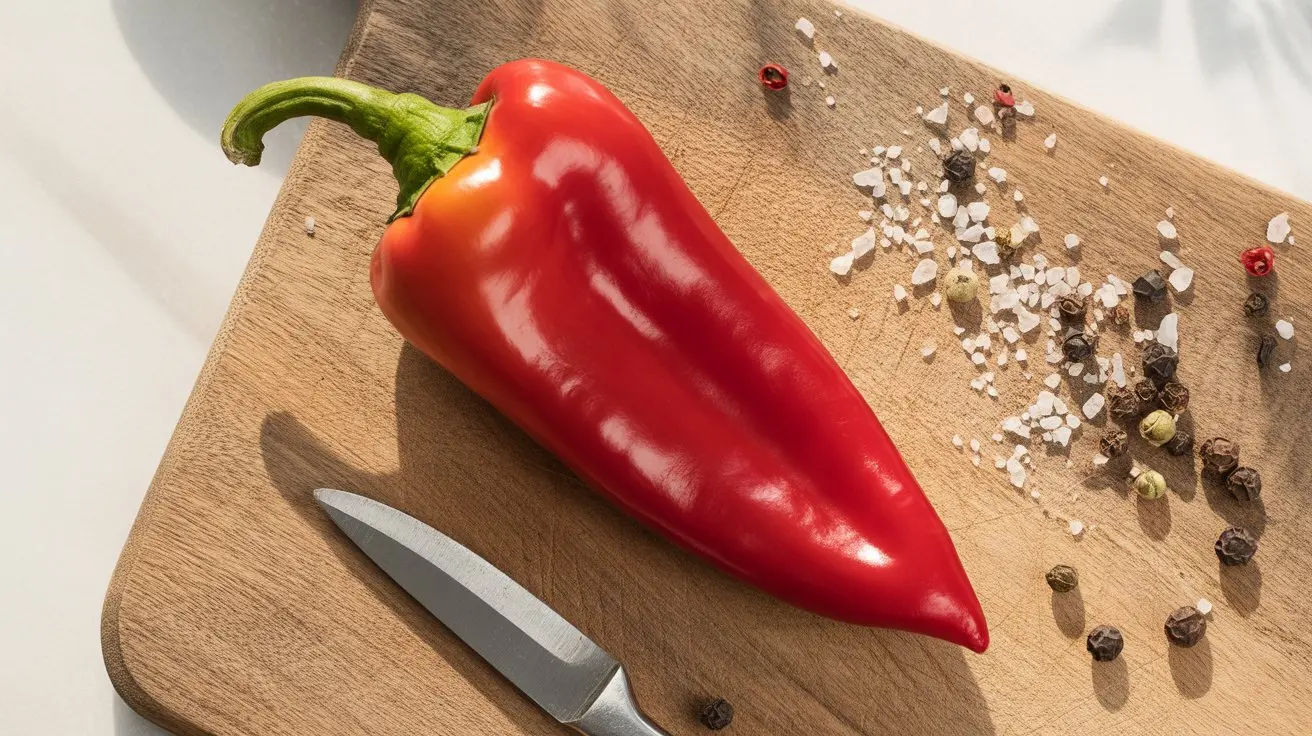
Bell Pepper
Bell pepper is the no-heat fallback when cayenne is simply too hot for your audience. Zero fire, maximum pepper flavor. The crisp sweetness of a red bell provides color and vegetal depth in dishes where cayenne was doing double duty as both heat and flavor. Use 3:1 in fresh applications, or add a pinch of black pepper if you want even a ghost of heat. Dried bell pepper flakes can substitute in spice blends at 2:1. It's not a flavor match, but it keeps the pepper dimension alive.
For a head-to-head look at how cayenne stacks up against one of its closest relatives, the cayenne vs. habanero heat gap breaks down exactly where the two diverge in both SHU and flavor. And if you're calibrating heat index for a recipe, the cayenne vs. jalapeño head-to-head is a useful reference point for understanding where cayenne actually sits on the heat index.
Habanada looks like a habanero, carries habanero-adjacent flavor, and might seem like a creative cayenne swap — but it contains zero heat. If your recipe depends on cayenne for fire, habanada delivers none of it. The fruity sweetness is pleasant on its own but completely wrong as a heat substitute.
NuMex Heritage Big Jim is a large, mild Anaheim-type that works great as a stuffing pepper but fails as a cayenne replacement in spice applications. Its low heat output and thick flesh make it better suited for roasting whole than standing in for a powdered heat source. The flavor profile is too green and vegetal to mimic cayenne's dry, earthy punch.
Habanada earns a second mention here because some cooks assume the fruity notes will carry a dish the way cayenne does. They won't. Heat is functional in many recipes — it triggers capsaicin receptors that affect perceived flavor — and a zero-SHU pepper cannot replicate that response regardless of how flavorful it is.
Fact-Checked & Expert Reviewed
Editorial Standards: All facts verified against authoritative sources. Content reviewed by subject matter experts before publication.
Review Process:
Written by
Sofia Torres
(Lead Culinary Reviewer)
, reviewed by
Karen Liu
(Lead Fact-Checker & Science Editor)
. Last updated February 18, 2026.
Guntur Sannam powder is the most direct swap — same heat range, similar dry pungency, and a flavor profile that won't disrupt a spice blend. It's widely available in South Asian grocery stores and performs identically to cayenne in dry rub applications.
Yes, but the conversion is roughly 1 teaspoon dried cayenne = 1 tablespoon minced fresh hot chili because fresh peppers contain more water and dilute the heat per unit volume. Prik kee noo or malagueta work well fresh, though both have slightly different flavor notes than cayenne.
NuMex Joe E. Parker or red bell pepper are the best options for heat-sensitive eaters — both deliver genuine pepper flavor without triggering capsaicin receptors. Use double the amount your recipe calls for to compensate for the reduced intensity.
Standard sweet paprika provides almost no heat and won't replace cayenne's fire, though it does add pepper flavor and color. Hot paprika or smoked paprika with added cayenne comes closer, but neither is a clean 1:1 swap for recipes where heat is the primary function.
Cayenne typically runs 8 to 10 times hotter than a jalapeño, which makes it a serious heat source rather than a background note. The cayenne vs. jalapeño comparison breaks down exactly how those two peppers differ across heat, flavor, and culinary use.